Table of Contents
Writing a good parody isn’t always as easy as it looks—maybe you’ve tried before and ended up feeling stuck or unsure. Trust me, you aren’t alone; figuring out how to cleverly poke fun at something without crossing lines can feel tricky.
But stick around, because this guide is exactly what you’re after. You’ll soon see how simple it is to choose the right material, twist it into something hilarious, and turn your ideas into laugh-worthy parodies everyone will enjoy.
Let’s jump right in—here are 10 easy-to-follow steps that’ll have you creating funny parodies in no time.
Key Takeaways
- Choose well-known works such as classic novels, famous songs, or blockbuster films to help readers quickly understand your joke.
- Spot notable elements in the original—like repeated phrases, clichés, or unique character traits—to use as comedy triggers.
- Exaggerate standout characteristics to create humor, taking familiar scenes to ridiculous extremes.
- Create laughter by imagining the story from an unexpected or relatable new angle.
- Match your parody to the original’s style and rhythm, making it instantly recognizable yet distinctively funny.
- Use playful puns, simple wordplay, or clever rhymes to easily build comedic interest.
- Keep humor good-natured and avoid mean-spirited content, ensuring your parody remains entertaining and enjoyable for all.
Step 1: Choose the Right Work to Parody
The first step to writing a good parody is figuring out what you’re actually going to parody. Picking the right work can make or break your piece from the get-go. So, choose something most people know—that’s a biggie. The more famous or popular the original content is, the better chance your audience will quickly recognize and enjoy the humor. Think bestselling novels, blockbuster movies, hit songs everyone sings loudly in the shower, or iconic TV series we’ve watched over and over.
Here’s a tip: Stick with classics or at least something trending right now. For example, Seth Grahame-Smith nailed it when he wrote “Pride and Prejudice and Zombies”—a wild twist on a well-known literary classic—which captivated readers and even inspired a film adaptation. That’s a fun example that shows how taking something well-loved and familiar, but giving it a surprising and funny spin, can propel your parody into popularity.
Another helpful trick is picking source material that’s serious or dramatic. It’s often easier to poke fun at melodrama or pompousness. Think Shakespeare turned silly or a pop anthem’s grandiosity played for laughs—that kind of twist typically lands well with readers.
Step 2: Identify the Key Features of the Original Work
When you’re doing a parody, your next step is studying your chosen piece carefully. Yeah, really scrutinize it like you’re prepping for a big test (okay, maybe not that intense, but close). Look at the themes, the plot structure, and those repeated elements or phrases that readers instantly associate with the original.
Want a practical tip here? Write down or highlight a list of recognizable things from the source. For instance, if you’re parodying a romance novel, spot those overly dramatic lines, exaggerated clichés, or repetitive character tropes like the brooding hero or damsel in distress. Similarly, if it’s a popular song you’re parodying, note down the catchy hooks, verses, and choruses that stand out most.
And for the writing geeks (like me!), pay special attention to tone and structure too—it helps a ton. Check out this useful guide on how to format dialogue to level up your comedic timing. Matching the original format makes your parody feel authentic and more entertaining.
Step 3: Exaggerate Prominent Traits for Comedy
Now, here’s where the humor really kicks in. Parodies hinge on exaggeration—taking characteristics from the original and blowing them way out of proportion. Trust me, when you’re stuck here, leaning into exaggeration is one of the easiest ways to make stuff funny, fast.
Say you’re working from a superhero movie. What are the prominent traits there? A dramatic monologue about justice? Excessive theme music during heroic poses? Take these recognizable traits and crank them up to eleven. Like having your hero deliver a five-minute heartfelt speech while performing mundane tasks like brushing teeth or tying shoes—in costume, of course.
Don’t be afraid to go big—the crazier the exaggeration, the louder the laughs. For reference, turning a typical zombie apocalypse into office coworkers groggily gathering around a broken coffee machine almost guarantees chuckles.
For those needing a creative nudge, helpful tools like Rytr or Quillbot use AI to spark your comedic creativity, rewriting text with humorous exaggeration in over 30 languages. They’re relatively affordable, too, ranging from free plans up to about 30 bucks per month.
And hey, if you’re interested in expanding your parody into something bigger, check out these tips for how to publish a graphic novel. After all, a humorous parody comic might be your ticket to laughter-filled fame!
Step 4: Create a New, Funny Perspective
The key to making your parody genuinely funny is to approach the source material from an unexpected angle that no one sees coming.
Instead of simply mimicking what everyone expects, flip the point of view or change the setting entirely.
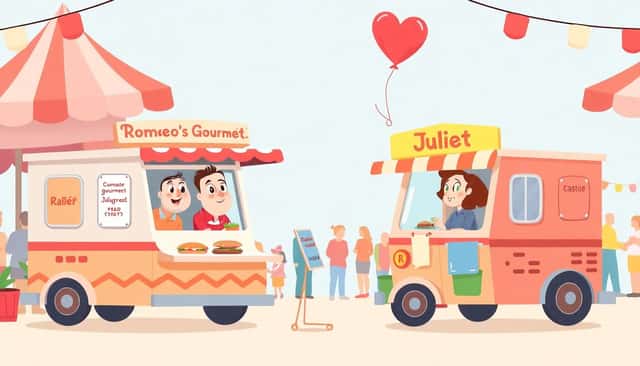
Imagine telling “Romeo and Juliet” as rival food truck owners battling over the top street-food spot—that immediately adds a humorous twist that’s easy to build on.
To make your new perspective stronger, pick something mundane or relatable, and pair it with the dramatic elements of the original piece.
For example, turning a dramatic crime novel into a comedic tale about etiquette conflicts at a neighborhood yard sale could hook readers in because it’s both funny and familiar.
And if you’re stuck on a funny idea, browsing these funny writing prompts for kids —yeah, even adult writers can find inspiration there—might spark some new comedic angles you hadn’t thought of.
Step 5: Match the Original’s Style and Tone
One secret to making a parody convincing and hilarious is carefully matching the style and tone of the original work.
If you’re parodying a Shakespearean play, throw in some “thous,” “haths,” and fancy poetic flair—just enough to show you know the material but with a silly twist.
For popular songs, pay particular attention to rhythm patterns and rhyme schemes; parody lyrics work best when they closely follow the real song’s melody and pacing.
Using AI rewrite tools like Rytr or Quillbot (both affordable options costing less than $30 per month, with plenty of language support) can help fine-tune your comedic tone if you’re struggling.
No matter what you’re parodying, be sure you’re consistent with your tone throughout the parody.
Sudden shifts can confuse your reader—so if your parody version of a grim fantasy starts out humorous and breezy, stick with that vibe all the way through to keep readers entertained.
Step 6: Use Simple Wordplay and Clever Rhymes
The easiest comedic weapon in your parody-writing toolkit is definitely wordplay—making puns, playing with names, and slipping in witty, unexpected phrases.
You’ll get big laughs without having to stretch your story too thin.
If you’re writing a song parody, rhymed wordplay is especially important because it preserves the rhythm and keeps your audience singing along (literally!).
Keep puns simple and playful, though—overly complicated jokes often lose the reader and dampen the fun.
A practical way to boost your wordplay skills is to regularly practice with creative writing exercises, like using these realistic fiction writing prompts, to stretch your imaginative muscles and become quicker at spotting humorous opportunities.
Step 7: Include Satire to Enhance Humor
Satire in parodies makes humor smarter and more impactful by gently poking at what people take overly seriously.
Blend your parody’s jokes with satirical insights about social trends, cultural fads, or annoyingly familiar human behaviors.
Think about popular TV shows that make comedy out of typical office politics or routine family life—these little satirical bits resonate because audiences see their own funny quirks reflected back clearly.
Be both funny and relevant by touching on issues people understand or feel strongly about, but remember: keep it good-natured so no one feels singled out or hurt.
Satire paired with parody is always more effective when it gently encourages readers to laugh at themselves and their daily routines.
Step 8: Avoid Copying and Keep it Original
It’s totally cool—and expected—to mimic and tease the original content through your parody, but careful: there’s a big difference between clever imitation and just flat-out copying.
Protect yourself by strictly using original wording, perspectives, and ideas that merely mirror or echo the source you’re spoofing.
Also, ensure you’re adding something distinctly new, fresh, or uniquely humorous instead of only rehashing the old material.
Being original doesn’t mean you can’t borrow identifiable tropes or characteristics, but it does mean shaping them creatively into your own fun interpretation.
If you think you’d eventually like to take your parody to the next level and maybe even get published, be sure to learn how to get a book published without an agent to simplify the publishing process by yourself.
Step 9: Edit and Polish Your Parody for Clarity and Humor
Once you’ve written your parody, the key next step is editing—as carefully as possible—to keep your humor sharp and focused.
Always check for clarity, since even the funniest joke falls flat if readers stumble through unclear phrasing.
To test clarity, it’s always a good idea to have a friend (or a beta reader) read your draft and mark spots they find confusing or less funny.
Consider using affordable rewriting tools like Writesonic, which costs between $12 and $30 per month, to check how different wording might boost your humor or fun factor.
And remember to cut ruthlessly—remove any extra words or jokes that don’t quite land.
Solid editing leaves only your best punchlines standing.
Step 10: Check for Respectful and Light-Hearted Content
Finally, after all the fun writing, take a step back and ensure your parody remains respectful and humorous without being hurtful or harsh.
Parodies work brilliantly as playful tributes, not as attacks.
Review your content from a reader’s perspective to confirm that it’s enjoyable, welcoming, and never mean-spirited.
This also helps make sure you’re not accidentally alienating parts of your potential audience by going too far or stepping on sensitive topics.
You want your readers to smile, chuckle, or even laugh out loud, feeling entertained yet respected—after all, keeping your parody positive and playful is the best way to encourage more readers to share, enjoy, and relate to your comedic take.
FAQs
Choose widely recognized or popular works as they resonate better, allowing the audience to easily relate to your parody. Opt for stories, characters, songs, or movies with distinctive styles, easily identifiable features, and well-known references for maximum humorous impact.
Find key traits of characters, plot points, or dialogue and amplify them humorously. Emphasize quirks, clichés, or recognizable aspects in an absurd or exaggerated manner, helping your audience instantly recognize them and appreciate the humor through surprising exaggeration.
Avoid personal attacks, overly critical comments, or offensive humor aimed at individuals or groups. Keep the tone playful and positive rather than mean-spirited, and regularly review your content during editing stages to ensure it maintains appropriate boundaries along with humorous intent.
Maintaining similarity in tone and style helps readers instantly recognize what you’re parodying, allowing the humor to land well. Closely matching structure or language makes your comedic exaggerations stand out clearly, boosting both readability and humorous effect of your parody.