Table of Contents
Creating a fantasy world can feel like a daunting task. With endless possibilities, it’s easy to get overwhelmed. Whether you’re scribbling ideas in a notebook or plotting out epic tales in your mind, you might wonder where to start or how to make your world truly unique.
But don’t worry! Keep reading, and you’ll discover some creative ideas and key elements that will breathe life into your fantasy realm. By the end of this journey, you’ll have a blueprint filled with inspiration to craft a world that’s entirely your own.
From magical systems and unique creatures to cultures and historical events, we’ll explore everything you need to consider. Get ready to unleash your imagination and embark on a grand adventure in world-building!
Key Takeaways
- Create your fantasy world by first brainstorming unique elements like landscapes and cultures.
- Choose the type of fantasy world you want—high fantasy, urban fantasy, dark fantasy, or whimsical—to set the tone.
- Develop a magic system with clear rules, accessibility, and consequences affecting society and characters.
- Map out diverse geography and landscapes, considering how they impact the story and characters’ adventures.
- Flesh out cultures with unique customs, beliefs, and power dynamics that shape character behaviors.
- Integrate historical events that provide context and conflict, enriching the narrative with depth.
Creative Ideas for Building a Fantasy World
Building a fantasy world is about letting your imagination run wild while also establishing a believable foundation.
Start with the basics: ask yourself what unique elements you want in your world.
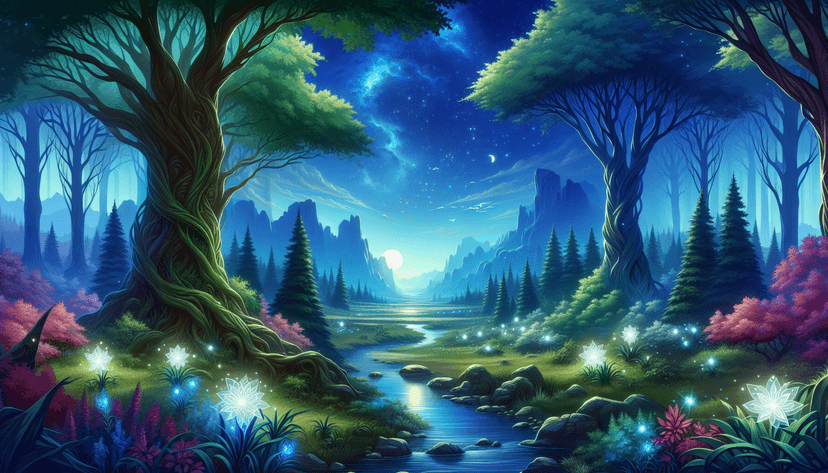
Whether it’s enchanted forests, floating islands, or ancient cities, brainstorm ideas that excite you. Make a list and pick your favorites to develop further.
Consider how cultures, geography, and magic intertwine to create a unique experience for your characters and readers.
Don’t forget to infuse your world with a sense of history; even the most colorful landscapes have stories behind them.
As a fun exercise, try mapping your world out—sketch out the locations as you envision them. This can help you keep track of where everything is and inspire deeper narratives.
Different Types of Fantasy Worlds
Fantasy worlds come in various flavors, and each type can set the tone for your story.
You have classic high fantasy settings filled with elves, orcs, and grand quests, like J.R.R. Tolkien’s Middle-Earth. This type of world presents deep lore and complex histories.
Then there’s urban fantasy, which places magical elements in a contemporary setting—think of books like “Harry Potter” or “The Mortal Instruments.” These stories often mix the mundane with the mystical.
Alternatively, you could explore dark fantasy, which blends horror with fantasy elements. Works like “Game of Thrones” showcase how brutal and morally ambiguous the world can be.
If you want something fresh, consider writing a whimsical fantasy world where quirky characters and light-hearted scenarios take center stage, reminiscent of works like “The Chronicles of Narnia.”
Choosing your world type lays the groundwork for the themes and messages you want to convey.
Important Elements to Consider in a Fantasy World
When creating a fantasy world, focusing on several key elements can enhance its depth and richness.
Firstly, think about your magic system. How does magic work? Is it a scarce resource, or is it woven throughout everyday life? The rules of your magic will shape the experiences of your characters tremendously.
Next, consider the geography of your world. What kinds of landscapes exist? Mountains, deserts, and oceans can each create unique challenges and adventures for the protagonists.
Don’t overlook the cultures and societies. What are their customs, beliefs, and conflicts? A diverse array of cultures can add intrigue and help flesh out your world.
Lastly, think about technology. In some fantasy worlds, magic may replace technology, while in others, they coexist. For example, does your world engage in advanced craftsmanship or rely solely on magical solutions?
Creating a checklist of these elements can help ensure that you cover all the bases when developing your fantasy world.
Unique Races and Creatures for Your World
Creating unique races and creatures can set your fantasy world apart and deepen readers’ investment in it.
Start by reimagining traditional races like elves or dwarves. What new characteristics or traits could they have?
Consider inventing entirely new species with unique life cycles, cultural norms, or abilities. If you want something fun, think of creatures like tree-dwelling beings that communicate through dance.
Additionally, explore the idea of races blending characteristics. For instance, what if a dwarf were part elemental and could manipulate earth and stone?
Diversity in races and creatures will populate your world, making it feel rich and full of potential adventures.
Finally, keep a glossary of your races and their attributes handy as you write—this will help you maintain consistency throughout your story.
Magical Systems and Their Impact on the World
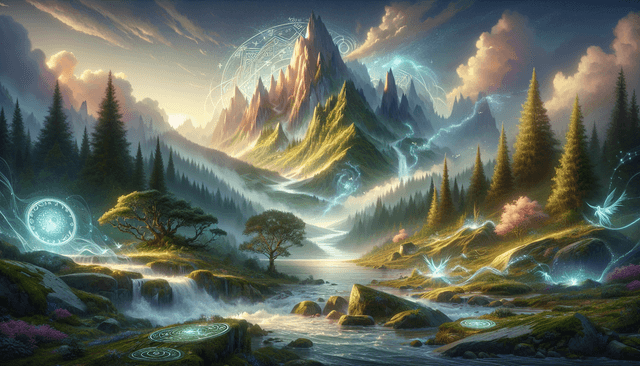
Magic in a fantasy world is not just a flashy element; it shapes the entire society, politics, and even the economy.
First, determine how accessible magic is. Is it reserved for a select few, or can anyone tap into this power?
If it’s scarce, it might be revered, leading to intense competition among magical factions.
On the other hand, if magic is commonplace, how does it affect jobs, daily life, and technology?
You could think of introducing a magical bureaucracy, where wizards must register spells, similar to how we handle driver’s licenses.
Next, establish the consequences of using magic. Are there risks involved, such as physical toll or societal backlash?
For example, in some stories, overuse of magic leads to personal decay or even societal upheaval.
Lastly, consider how magic influences your world’s history and legends. Epic battles fought with spells or ancient magic artifacts can provide rich background lore.
By fleshing out your magic system, you’re providing not just a tool for your characters but also a framework for conflict and intrigue in your world.
Geography and Landscapes in Fantasy Settings
The geography of your fantasy world is like the canvas on which your story is painted.
Start by thinking about the variety of landscapes. What unique regions exist? Mountains may symbolize strength, while oceans could represent mystery.
Consider implementing magical features, like rivers that flow uphill or forests that change location.
Each landscape can support diverse ecosystems and creatures, creating a depth that’s visible in your narrative.
Don’t forget the climate; weather can affect travel, agriculture, and even the temperament of the inhabitants.
If your world has a desert, for example, it might breed resilient yet resourceful cultures.
Creating natural barriers such as mountains or swamps can influence trade routes and political relationships, adding layers to your plot.
As a tip, using a map sketch can help visualize these elements and keep track of how geography impacts your story.
Cultures and Societies in Fantasy Worlds
Culture shapes how characters behave and interact within a fantasy world, making it essential to flesh out.
Start by thinking about the basic elements that define a culture: language, customs, social structure, and beliefs.
Each culture could have its festivals, rituals, and taboos that distinguish it from others.
Your characters’ motivations could be a reflection of their cultural background—some may prioritize honor while others value knowledge or wealth.
Power dynamics also play a role; consider how different cultures might coexist, be in conflict, or even influence one another.
Take time to create unique folktales and myths that residents believe in; they can significantly impact character behavior and decisions.
Consider designing a society based on a specific philosophical idea—like a meritocracy or matriarchy—that adds depth to the plot.
Lastly, remember to portray cultures realistically and sensitively, drawing inspiration from real-world societies while respecting their uniqueness.
Historical Events that Shape the World
The history of your fantasy world provides context for current events, character motivations, and potential conflicts.
Start by outlining significant historical moments that would impact society, like wars, natural disasters, or the rise and fall of empires.
For instance, a devastating war could lead to a mistrust between nations, influencing characters’ decisions and alliances.
Think about how these events are remembered; are they celebrated, vilified, or twisted into myths?
Consider having ancient texts or ruins that characters explore, providing lore about these events and shaping their current world view.
Making certain characters survivors of pivotal events can add depth, allowing you to explore themes of trauma and redemption.
By weaving historical events into your world, you create a richer narrative landscape that enhances your storytelling and engages the reader.
Technology and Innovation in Fantasy Realms
Technology and innovation can play intriguing roles in your fantasy world, affecting everything from daily life to large-scale conflicts.
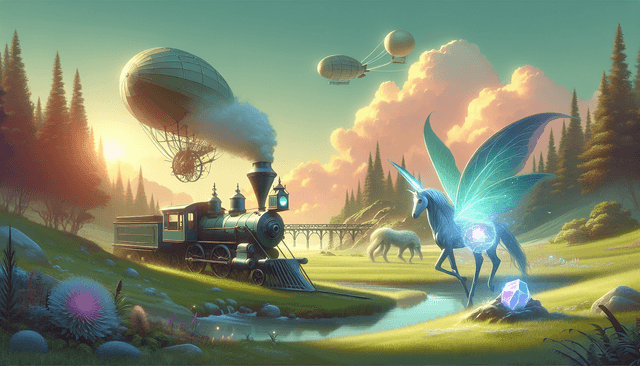
First, consider how technology interacts with magic. Does your world have steam-powered machines that run alongside magical creatures?
Think about transportation: are there airships powered by magic, or do people rely on horses and enchanted carriages?
Innovation can also emerge from necessity. In a world recovering from war, new technologies could be developed to improve safety or efficiency.
Explore the idea of an industrial revolution, where magic leads to rapid changes in society, creating tensions between traditionalists and progressives.
Also, determine how technology impacts communication. Are your characters using magical stones to send messages, or do they rely on messengers?
Lastly, consider how these innovations affect economies. If teleportation is common, how does that change trade dynamics?
By thoughtfully weaving technology into your narrative, you add layers of realism and create opportunities for conflict and growth.
Creating Conflict and Challenges in Your World
Conflict is the heart of storytelling, and in your fantasy world, it can take many forms.
Start by determining the main sources of conflict. Are they political, religious, or based on personal grudges?
Think about external challenges like invading armies, natural disasters, or magical anomalies that threaten your characters.
Internal conflict is just as important. Characters grappling with their beliefs or desires can lead to compelling narratives.
Consider crafting social issues, such as class struggles or discrimination against certain races, to add depth.
Mix and match these elements for greater complexity. Maybe a character faces an internal moral struggle while battling an external foe.
To keep the stakes high, show how these conflicts affect the world around them. What are the consequences of failure?
Creating layered, multifaceted conflicts gives your story richness and engages readers emotionally.
Integration of Myths and Legends into the World
Myths and legends can provide rich backstory and set the tone for your fantasy world, influencing cultures and characters.
Start by crafting foundational myths that explain the creation of the world, the rise of races, or elemental forces.
Legends of heroes or great battles can inspire your characters, providing them with moral guidance or a bar to reach.
Consider creating a “mythos” that characters might reference in times of trouble, whether for courage or guidance.
Build myths that include moral lessons, reflecting the values of the cultures in your world—think about myths of hubris or redemption.
As characters discover these myths, consider how their interpretations could vary, leading to conflict or alliances.
Integrating myths and legends makes your world feel lived-in while offering readers a lens to understand character motivations.
Ultimately, these stories can connect the past to the present, enriching your world’s narrative tapestry.
FAQs
Essential elements include geography, unique races and creatures, magical systems, cultures, historical events, and societal structures. These components interact, shaping the world’s narrative and enriching the reader’s experience.
To create unique creatures, blend real-world animal traits with imaginative features. Consider their habitat, behavior, and role in the ecosystem, as well as how they interact with your world’s inhabitants.
Magic often serves as a crucial narrative device, influencing character abilities, conflict resolution, and world-building. Establishing a consistent magical system enhances realism and deepens the reader’s engagement.
Historical events lay the foundation for cultural identity, societal norms, and political dynamics. By incorporating past conflicts or achievements, you can create a rich, layered narrative that affects current events in your world.