Table of Contents
Are you an entrepreneur looking to test your business idea? The Informly Idea Validator v2 could be your new best friend. With the power of AI and real-time data, this tool simplifies the process of validating concepts. In this review, we’ll explore its features, pros and cons, and pricing to help you decide if it’s the right fit for your needs.
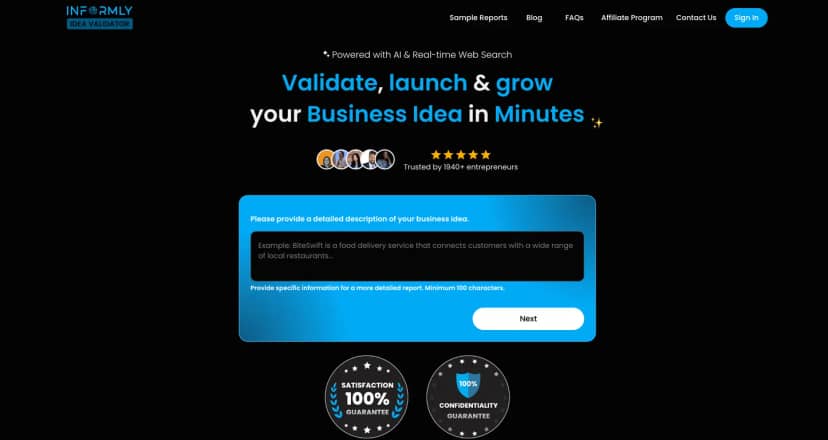
Informly Idea Validator v2 Review
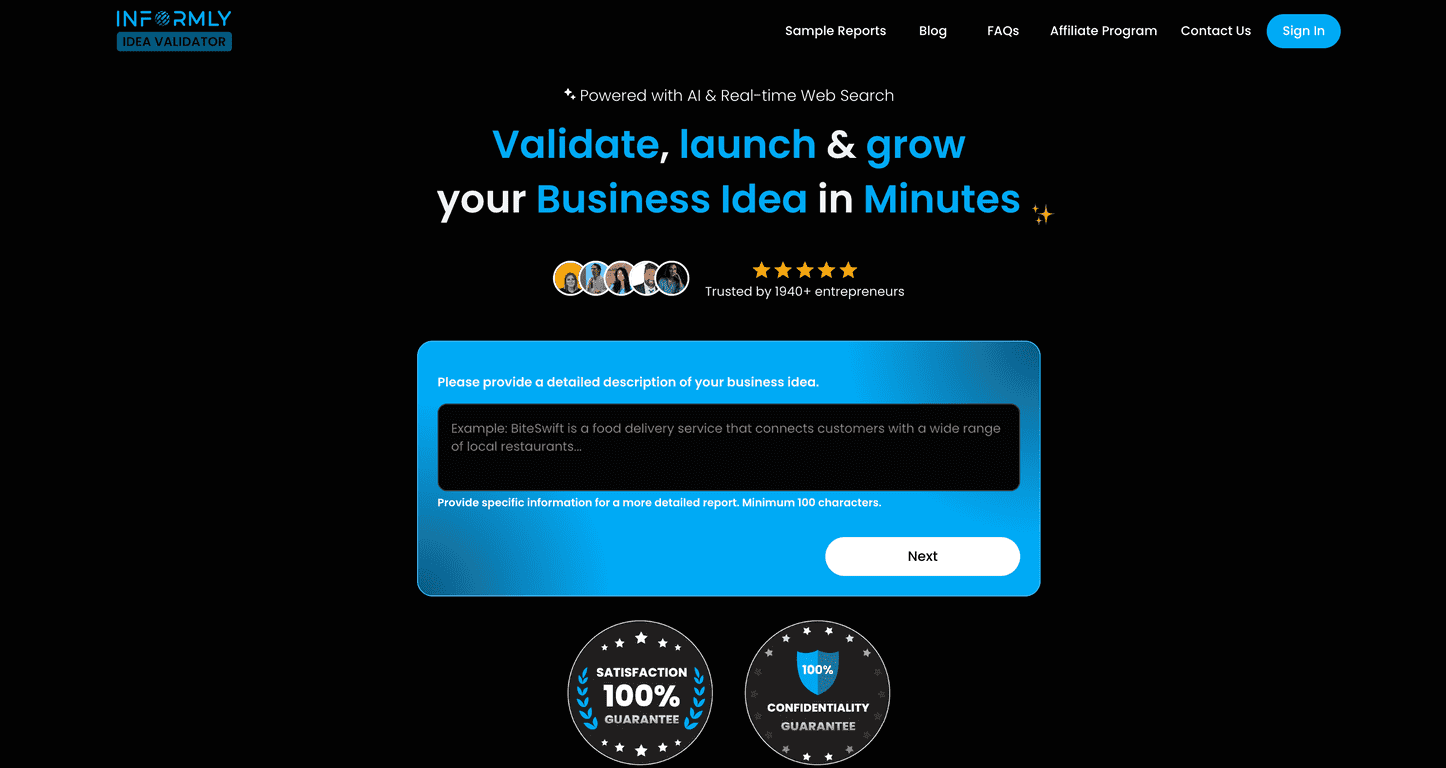
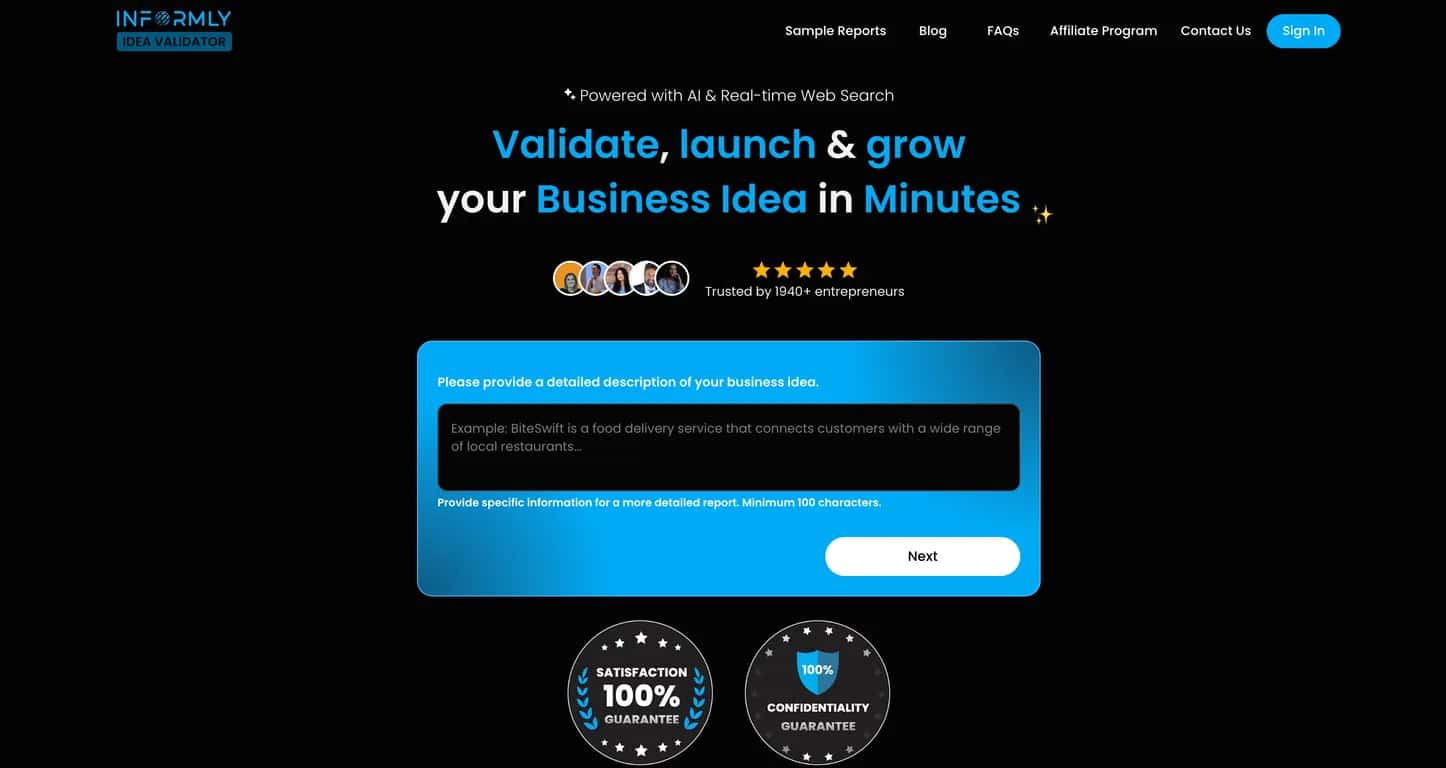
The Informly Idea Validator v2 is an innovative tool that helps budding entrepreneurs evaluate their business ideas in a matter of minutes. By utilizing advanced AI technology and real-time web data, it generates detailed reports to help users determine the viability of their concepts. Whether you’re seeking insight into market potential, competitor analysis, or actionable strategies, this tool has got you covered.
What sets this tool apart is its ability to deliver comprehensive reports—averaging over 75 pages—quickly and at an affordable price of $29.99. The reports include tailored insights across crucial business areas like marketing, finance, and sales, making them a powerful resource for decision-making and planning.
Key Features
- Leverages AI and live data for accurate and timely insights.
- Delivers comprehensive reports with 75+ pages of analysis.
- Offers AI-driven guidance across various business sectors.
- Satisfaction guarantee with the option for report improvements.
- Ensures confidentiality by protecting users’ ideas.
- Provides different types of detailed reports, including MVP roadmaps and landing page blueprints.
Pros and Cons
Pros
- Fast report generation within minutes rather than weeks.
- Affordable pricing at only $29.99 per report.
- Offers personalized insights tailored to the user’s business.
- High customer satisfaction reflected in positive testimonials.
Cons
- The accuracy of insights relies on the quality of input provided by users.
- Currently, reports are only available in PDF format.
Pricing Plans
The basic fee for a personalized business idea validation report is $29.99, making it a cost-effective option for entrepreneurs looking for in-depth analysis without the typical high costs and time commitments of traditional research methods.
Wrap up
Overall, the Informly Idea Validator v2 stands out as a practical tool for entrepreneurs eager to validate their ideas quickly and affordably. With its comprehensive reports and commitment to customer satisfaction, it’s a fantastic investment for anyone interested in elevating their business concept with actual data. If you’re ready to take the leap into entrepreneurship, this tool might just be what you need to thrive.
Promote Informly Idea Validator v2