Table of Contents

What Is Leewow - AI Product Creation Agent?
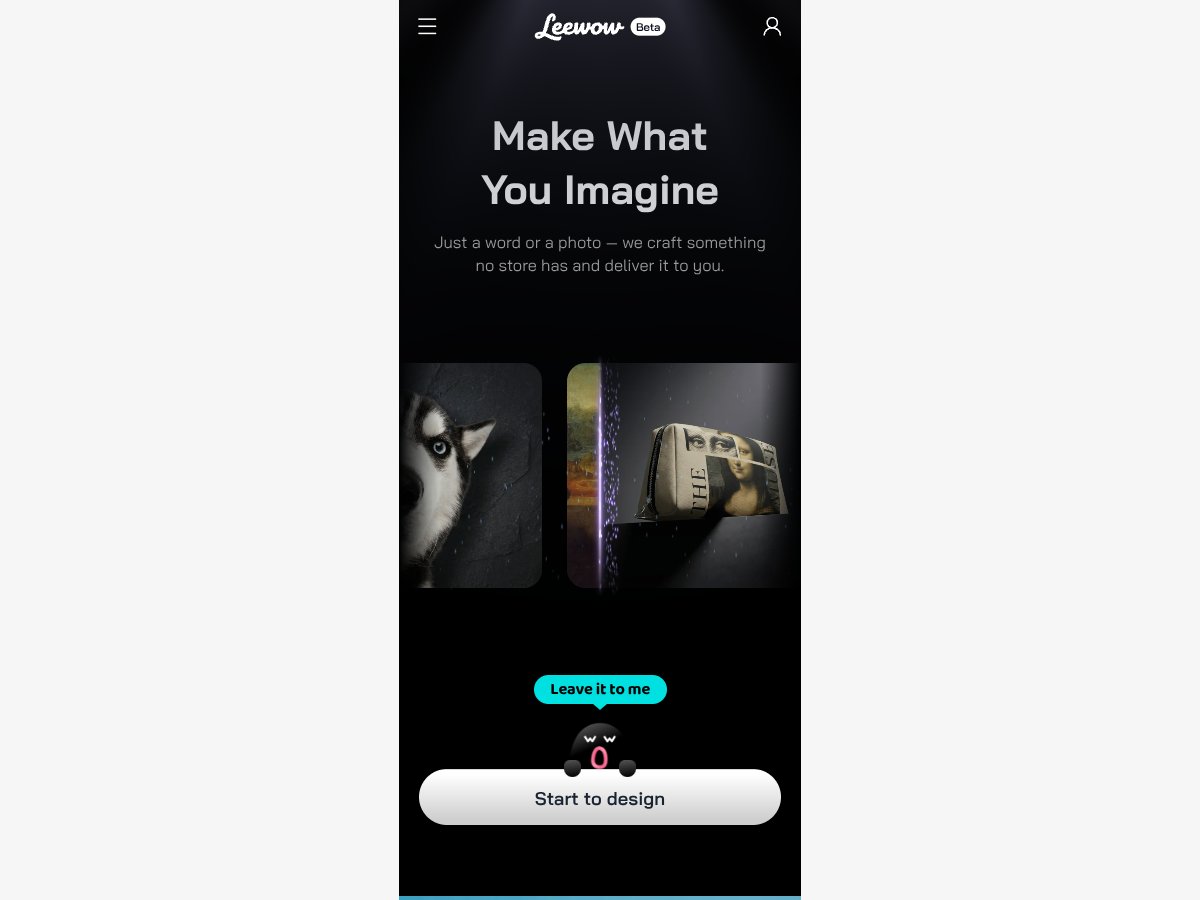
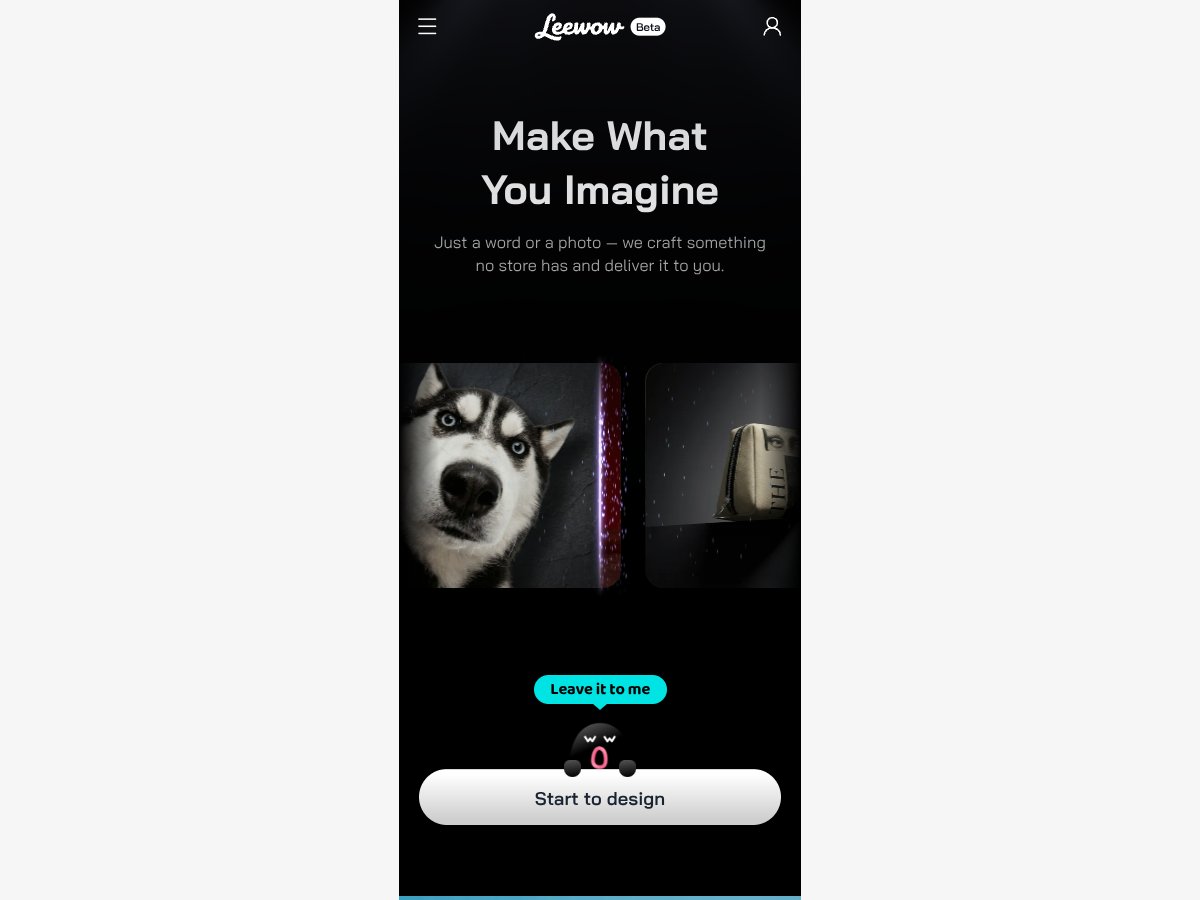
Honestly, when I first heard about Leewow, I thought it was another one of those AI tools promising to automate everything from idea to finished product in seconds. But what caught my attention was the claim that it can take a simple description or even just an image and turn that into a physical product—like a custom shirt or phone case—within 30 seconds. Naturally, I was curious whether this was just marketing hype or something that actually works in real life.
So, what does Leewow actually do? In plain English, it’s an end-to-end platform that claims to handle the entire process of creating a physical product—from the initial idea or concept to designing, manufacturing, and shipping it out globally. Instead of clicking through multiple tools or dealing with suppliers, the idea is that you describe what you want, and Leewow’s AI handles the rest. Think of it like an automated factory in a box, with a very fast turnaround.
The problem it’s trying to fix is pretty clear: traditional product creation can be a long, messy process. You need to find a designer, get prototypes made, handle manufacturing logistics, and coordinate shipping—all that can take weeks or months. Leewow pitches itself as a way to cut that down to about 30 seconds, making rapid prototyping and small-scale production feasible for anyone, even if you’re just a hobbyist or small business.
As for who’s behind it, the official website isn’t very revealing about the team or company. I couldn’t find much about the founders or the tech behind it—no detailed about page, no case studies, just a slick landing page and a handful of testimonials. This always makes me a bit skeptical, especially with a claim as bold as “product creation in 30 seconds.”
My initial impression? It’s as advertised—if you interpret that loosely. The process is designed to be quick, and I did see some of my descriptions turn into tangible product concepts fast. But I also kept in mind that the website’s focus is on marketing, not transparency about how reliable or scalable the process is. It’s early-stage, and I’d take that with a grain of salt.
One thing I want to be upfront about: this isn’t a platform that offers detailed customization options or complex product designs. It’s geared more toward simple, personalized items—like customized apparel, phone cases, or small decor. If you’re expecting to design a high-end gadget or a product with intricate features, this probably isn’t it. Also, I couldn’t find clear information about pricing or any free trial—so make sure to check their site if you’re considering trying it out.
Leewow - AI Product Creation Agent Pricing: Is It Worth It?

| Plan | Price | What You Get | My Take |
|---|---|---|---|
| Free Tier | Unknown / Not specified | Limited or unspecified access to core features | Honestly, it’s hard to gauge what “free” entails here. No clear details mean you might hit restrictions quickly or not get full functionality without upgrading. Proceed with caution if you want to test it out without commitment. |
| Pro/Paid Plans | Check website (likely subscription-based) | Access to faster processing, higher volume, perhaps more customization options, and priority support | What they don’t tell you on the sales page is the exact pricing tiers or limits. It’s probably priced to compete with other rapid prototyping tools, but without transparent costs, it’s a gamble. If you’re a casual user, the pay-as-you-go model might be expensive; if you’re a business, a subscription could make sense, but always verify the actual costs before committing. |
Here's the thing about the pricing: without clear, upfront details, you’re flying blind. They may offer introductory or trial plans, but you should be prepared for potential charges that could add up quickly, especially if you’re producing multiple items or need high-volume output. Fair warning: always check the official site for the latest plans and prices before signing up.
The Good and The Bad
What I Liked
- Speed of creation: The core promise of turning an idea into a physical product in about 30 seconds is genuinely impressive if it works reliably. That kind of rapid turnaround can revolutionize prototyping workflows.
- Automation of workflow: Handling design, manufacturing, and delivery in a single AI-driven process reduces manual effort and delays. For solo entrepreneurs or small teams, this could be a game-changer.
- User accessibility: The simplicity of describing an idea or uploading an image makes it approachable even for non-designers. No need to learn complex CAD tools or negotiate with manufacturers.
- Global delivery integration: Managing shipping worldwide without additional fuss means you can focus on ideas, not logistics. That’s a significant perk.
- Variety of products: From apparel to home decor, the range seems broad enough to cover many personal or small business needs. The ability to customize different product types in one platform is convenient.
- Positive user testimonials: Early reviews mention satisfaction with the output quality, especially for simpler designs, which indicates the technology is at least somewhat reliable.
What Could Be Better
- Lack of transparent pricing: As mentioned, the absence of clear plans or costs makes it difficult to budget or decide if it’s worth it. This might be a dealbreaker for cost-conscious users.
- Output quality variability: Early feedback suggests the quality might be inconsistent, especially for complex designs. Without extensive user reviews, it’s hard to gauge reliability at scale.
- Limited feature control: Automation is great, but power users might find the lack of customization options frustrating if they want more control over design details or manufacturing parameters.
- No detailed workflow info: The process from idea to product isn’t fully explained on the website. Knowing how AI handles manufacturing, potential bottlenecks, or error correction is important for serious buyers.
- Potential for errors: Relying entirely on AI for design and production introduces risks—errors could lead to wasted time or materials, especially if the system is still early-stage.
Who Is Leewow - AI Product Creation Agent Actually For?
If you’re a solo creator, small business owner, or a startup founder who needs rapid prototyping and doesn’t want to get bogged down in manual design or manufacturing logistics, Leewow could be appealing. It’s especially suited for those who want to test ideas quickly without investing in complex CAD software or setting up supply chains. For example, a graphic designer wanting to turn digital art into custom merchandise or an entrepreneur experimenting with product variations might find this tool a time saver.
However, it’s not ideal if you require precise control over every design element or need high-quality, complex manufacturing. It’s best for straightforward, simple products where speed outweighs perfect fidelity. Think of it as a quick sketching tool turned into a full production pipeline—great for initial concepts, less so for refined, professional-grade items.
Who Should Look Elsewhere
If your needs involve highly detailed, custom engineering, or you're producing products with strict tolerances (like aerospace parts or medical devices), Leewow probably isn’t the right fit. The current automation might not handle complex specifications reliably, and the lack of transparency about manufacturing quality could be a risk.
Similarly, if you’re seeking a platform with transparent pricing, extensive customer support, or proven, high-quality outputs from numerous user reviews, you might want to explore more established prototyping or manufacturing services. Platforms like Shapeways, Fictiv, or local manufacturing partners could better meet those needs.
Finally, if you require a platform that integrates deeply with existing workflows, has detailed customization options, or offers a proven track record, Leewow’s early-stage nature and limited information could be a drawback. Proceed cautiously and consider requesting a demo or trial before committing significant resources.
How Leewow - AI Product Creation Agent Stacks Up Against Alternatives
Crealo 2.0
- What it does differently: Crealo 2.0 focuses on automating the building of digital workflows, apps, and automations using AI. It’s more about integrating existing tools rather than creating physical products from scratch.
- Pricing: Usually offered with a subscription plan starting around $20–$50/month, depending on features and usage, though exact pricing varies.
- Choose this if... you need an AI that automates digital workflows, app development, or integrations, rather than physical product manufacturing.
- Stick with Leewow if... you want a tool that handles the entire cycle from idea to physical product, not just digital automation.
Deep AI Agent
- What it does differently: Deep AI Agent offers project management, code generation, and image creation, but it doesn’t directly produce or handle manufacturing processes.
- Pricing: Typically offers tiered plans, starting around $30/month, but varies based on features.
- Choose this if... you’re looking for an AI that assists with coding, design, and project management but not physical production.
- Stick with Leewow if... you need a one-stop solution for physical product creation and delivery.
Legora
- What it does differently: Legora specializes in AI tools for legal tech and domain-specific tasks, meaning it’s tailored for legal workflows rather than product creation.
- Pricing: Often offers custom enterprise pricing or subscription plans, but generally more costly for niche applications.
- Choose this if... you need AI for legal or domain-specific tasks; not suitable for physical product prototyping.
- Stick with Leewow if... your goal is rapid physical product development rather than legal or niche workflows.
Ramp AI
- What it does differently: Ramp AI emphasizes AI-assisted purchasing, transactions, and business operations, mainly focusing on financial workflows.
- Pricing: Usually part of larger enterprise packages, pricing varies widely.
- Choose this if... your focus is automating procurement or transaction processes, not physical product creation.
- Stick with Leewow if... you want to turn ideas into tangible products quickly, not just automate buying workflows.
UniFuncs AI Product Creation
- What it does differently: UniFuncs offers end-to-end AI workflows from ideation to scaling, but it primarily targets software development or digital products.
- Pricing: Varies, often based on usage or subscription tiers, generally starting around $50/month.
- Choose this if... you’re working on digital products or software, not physical items.
- Stick with Leewow if... you need physical prototypes and manufacturing in addition to ideation.
Bottom Line: Should You Try Leewow - AI Product Creation Agent?
Overall, I’d give Leewow a tentative 6.5/10. It’s undeniably fast and innovative—if it works as promised, it could revolutionize rapid prototyping. But since it’s early-stage and still unproven in real-world scenarios, there’s some risk involved. It’s great for experimental projects or if you’re just curious about AI-driven manufacturing, but I wouldn’t rely solely on it for critical product launches just yet.
That said, if you’re someone who loves experimenting with new tech and wants to see if AI can shortcut your product development process, it’s worth trying. The free trial (if available) could give you a taste before committing. For serious, high-stakes manufacturing, traditional methods or established suppliers might be safer bets.
My personal take? If you’re okay with testing and potential hiccups, give it a shot. If you need guaranteed quality and reliability, you might want to wait until it matures or explore more proven options.
In short: try it if rapid experimentation is your goal. Skip it if you need guaranteed quality for a big launch—your money’s better spent on established manufacturing partners for now.
Common Questions About Leewow - AI Product Creation Agent
- Is Leewow - AI Product Creation Agent worth the money? It’s too early to tell definitively, but if you enjoy experimenting with new AI tools and want to see how quickly you can go from idea to physical product, it might be worth a try. Just keep expectations realistic.
- Is there a free version? Currently, Leewow offers limited free trials or demos, but detailed free plans are not publicly confirmed. Check their site for the latest offers.
- How does it compare to [competitor]? Compared to tools like Crealo 2.0 or UniFuncs, Leewow is unique in its focus on physical product creation, whereas others lean towards digital workflows. It’s more specialized but less proven.
- Can I get a refund? Refund policies are not clearly specified publicly; it’s best to check directly with Leewow or during your trial period.
- How reliable is the manufacturing output? As it’s new, reliability is unproven; expect some trial-and-error especially with complex or precise products.
- What kinds of products can it create? The platform supports various product types, but the scope and quality will vary based on your inputs and the AI’s capabilities.
- Is it suitable for small-scale or personal projects? Yes, it’s a promising tool for rapid prototyping and small projects, especially if you want to test ideas quickly without heavy investment.
- What about shipping and delivery? Leewow claims to handle global shipping, but expect some delays or issues typical of early-stage automation tools.