Table of Contents
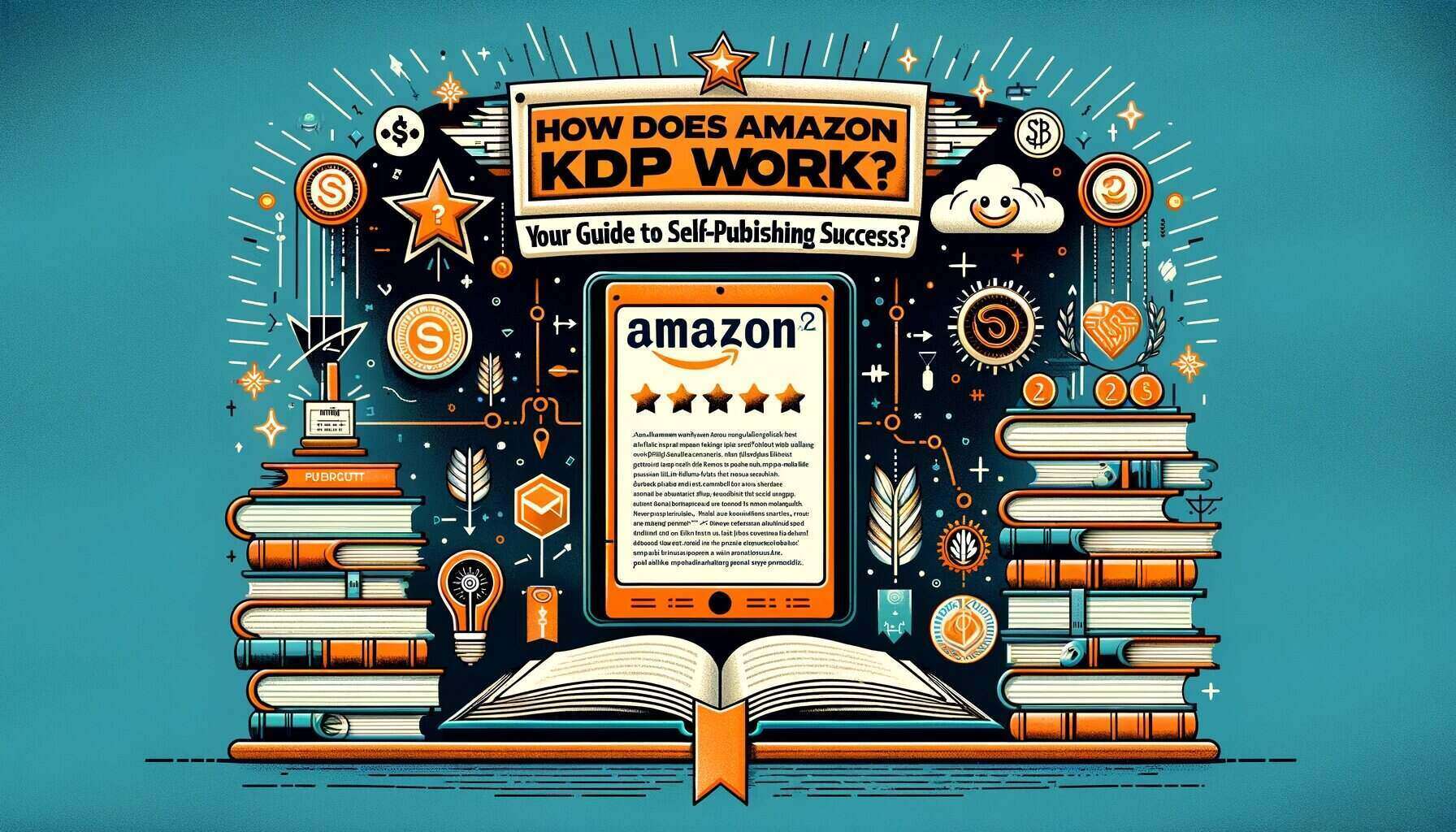
So, how does Amazon publishing work? It’s a question many aspiring authors and book lovers are asking. Amazon has become a big name in the world of books, changing the game for how books are published and sold.
Amazon offers two main ways for authors to get their books out there: self-publishing with Kindle Direct Publishing (KDP) and going through Amazon’s own publishing house. Both paths have made it easier than ever for writers to share their stories with the world.
Whether you’re a writer looking to publish your first book, or just curious about how it all works, understanding Amazon’s role in publishing can give you a good idea of how books make it from a writer’s mind onto your bookshelf or e-reader.
Here’s a quick guide on how to publish on KDP:
How Does Amazon Publishing Work?

Amazon has two main publishing platforms:
- Kindle Direct Publishing (KDP) and
- Amazon Publishing.
KDP is all about self-publishing. It lets authors publish their books directly to Amazon’s Kindle Store. You write your book, format it, upload it to KDP, and set your price. It’s a popular choice because it’s quick, you have a lot of control, and it’s open to anyone who wants to give writing a book a shot.
Amazon Publishing is more like a traditional publishing house. They have a team that selects books to publish. If they pick your book, they’ll take care of things like editing, designing the cover, and marketing. It’s less hands-on for the author compared to KDP, but it’s also tougher to get your book accepted.
So, the main difference? KDP is do-it-yourself publishing, while Amazon Publishing is more like getting your book picked up by a traditional publisher, but with the massive reach of Amazon.
The Self-Publishing Process on KDP
Publishing an eBook or paperback with Kindle Direct Publishing (KDP) is a process that any aspiring author can tackle. Here’s a step-by-step guide:
- Prepare Your Manuscript: Before anything else, write and finalize your book. Make sure it’s edited and formatted correctly. For eBooks, formats like DOC, DOCX, or EPUB work well. For paperbacks, PDF is the way to go to keep your layout fixed.
- Create a KDP Account: Head over to the KDP website and sign up. It’s straightforward and free.
- Upload Your Book: Once your account is set up, you can start a new book project. Upload your manuscript file and give all the details about your book – like the title, description, and keywords. This info helps readers find your book on Amazon.
- Design Your Cover: A good cover grabs attention. You can design your own cover or use KDP’s cover creator tool to make one.
- Set Your Price: Decide how much you want to sell your book for. With KDP, you get to control the pricing.
- Publish: Hit the publish button, and your book will go live on the Amazon store! It usually takes a day or two for the listing to get approved and appear.
- Promote Your Book: After publishing, you can use various tools on KDP to promote your book, like Kindle Countdown Deals or Free Book Promotions.
Remember, KDP also allows you to update your book anytime if you need to make changes. From writing your book to seeing it listed on Amazon, the process is user-friendly and gives you full control over your publishing journey.
Amazon Publishing: The Traditional Publishing Arm
Amazon Publishing operates much like a traditional publishing house but with the backing of Amazon’s extensive resources. Unlike self-publishing through KDP, getting your book published here involves a more selective process.
- Submission Process: To start, authors usually need an agent to submit their manuscript to Amazon Publishing. They don’t typically accept unsolicited manuscripts directly from authors. The agent presents your book to Amazon Publishing, much like they would to any traditional publisher.
- Editorial Services: If Amazon Publishing selects your book, they provide comprehensive editorial services. This includes professional editing, proofreading, and even developmental feedback to polish your manuscript. Their team works with you to refine your story and get it ready for readers.
- Design and Production: They also handle the design aspects, including the cover art, layout, and typesetting. The goal is to ensure the book is visually appealing and meets industry standards.
- Distribution: Once your book is ready, Amazon Publishing takes care of distributing it. They leverage Amazon’s platform for digital and print book sales, ensuring your book reaches a wide audience. They also handle marketing and promotions, giving your book a better chance of success.
In summary, Amazon Publishing offers a full-service publishing route with the advantage of Amazon’s distribution and marketing muscle. For authors, it means a chance to focus on writing while Amazon takes care of the rest.
Royalties and Earnings

When it comes to earning money from book sales on Amazon, the way you get paid varies depending on whether you’re using KDP or Amazon Publishing.
For authors using Kindle Direct Publishing (KDP), royalties depend on the list price of the book, the book’s format, and the marketplace. For eBooks, authors can choose between two royalty options: 35% or 70%. The 70% option is available in certain countries and has specific pricing requirements. For paperback sales, the royalty is about 60% of the book’s list price, minus printing costs. Payments are made monthly, typically 60 days after the end of the month in which the sale was reported.
With Amazon Publishing, the royalty structure is more like a traditional publishing deal. Authors receive an advance against future royalties and then earn royalties on book sales after the advance is ‘earned out.’ The rates can vary and are usually detailed in the author’s contract. Royalties are often paid quarterly.
Additionally, authors participating in Kindle Unlimited, Amazon’s subscription service, earn money based on pages read. Each month, Amazon establishes a global fund, and authors are paid from this fund based on the number of pages of their books read by subscribers.
In both KDP and Amazon Publishing, authors have access to detailed sales reports, allowing them to track their earnings and understand their readership’s trends.
Marketing and Promotion

Amazon provides authors with various marketing and promotional tools to help get their books noticed.
- Amazon’s Algorithms: Amazon uses sophisticated algorithms that recommend books to users based on their browsing and purchasing history. Getting your book to feature in these recommendations can significantly boost visibility. Optimizing your book’s metadata, like keywords and categories, helps the algorithm match your book to the right readers.
- Kindle Countdown Deals: For eBooks enrolled in KDP Select, authors can use Kindle Countdown Deals. This is a time-bound promotional pricing strategy where the price of the eBook gradually increases. It creates urgency and can boost sales and visibility.
- Free Book Promotions: Also available through KDP Select, authors can offer their eBooks for free for a limited time (up to 5 days every 90 days). This can attract new readers, generate buzz, and lead to increased reviews and sales of other books by the author.
- Amazon Advertising: Authors can use Amazon Advertising to place ads for their books on Amazon websites. These pay-per-click ads appear in search results and on product pages, helping to increase visibility among potential buyers.
Using these tools effectively can help authors increase their book’s exposure, attract more readers, and ultimately boost sales. It’s important for authors to understand and leverage these options to maximize their book’s potential on Amazon’s vast marketplace.
Pros and Cons of Amazon Publishing
Publishing with Amazon comes with its set of advantages and challenges.
Pros
- Market Reach: Amazon is a giant in the book market, offering unparalleled reach. Having your book on Amazon means it’s accessible to a massive audience globally.
- Control in Self-Publishing: With KDP, authors have complete control over the publishing process, from setting the price to designing the cover. This control allows for greater flexibility and the ability to make quick changes.
- Higher Royalty Rates: KDP offers higher royalty rates compared to traditional publishing, particularly the 70% option for eBooks in specific markets.
Cons
- Competition: The Amazon platform is incredibly competitive. Thousands of books are published there every day, making it challenging for new authors to stand out and get noticed.
- Limited Reach Beyond Amazon: While Amazon is vast, focusing solely on Amazon for distribution can limit a book’s reach in other markets and platforms, especially in local bookstores or other online retailers.
- No Advance Payment: Unlike traditional publishing, self-publishing through KDP doesn’t offer an advance. Earnings come solely from sales.
- Marketing Responsibility: With KDP, the marketing effort falls entirely on the author. Without a solid marketing strategy, even a great book might struggle to gain traction.
Each author must weigh these pros and cons against their personal publishing goals and resources to decide if Amazon is the right platform for their book.
A Quick Course on Publishing On Amazon KDP
Conclusion
With options like Kindle Direct Publishing and Amazon Publishing, Amazon caters to a wide range of publishing needs, from self-publishing to more traditional routes. Amazon has significantly shaped modern publishing, providing accessibility and opportunities for authors while who otherwise might not have a chance.
For authors who use the platform, understanding Amazon’s model is key to leveraging its potential and making decisions about publishing and marketing their work.
FAQ
How much does it cost to publish a book on Amazon?
Publishing a book on Amazon through Kindle Direct Publishing (KDP) is free. There’s no charge to upload and publish both eBooks and paperbacks. However, if you opt for a paperback, Amazon deducts printing costs from each sale.
How much do you make off Amazon publishing?
With Amazon KDP, earnings vary. For eBooks, authors can earn up to 70% in royalties on the list price they set, minus delivery costs. For paperbacks, the royalty is about 60% of the list price, minus printing costs. Your total earnings depend on your book’s pricing and the number of sales.
Do I need a publisher to sell my book on Amazon?
No, you don’t need a traditional publisher to sell your book on Amazon. You can use Amazon’s Kindle Direct Publishing (KDP) platform to self-publish your book directly. KDP allows you to publish both eBooks and paperbacks and sell them on Amazon.
Is publishing books on Amazon profitable?
Publishing books on Amazon can be profitable, especially if you have a solid marketing strategy and your book appeals to readers. Profitability depends on factors like the book’s price, the royalty rate, the number of sales, and whether you incur any additional costs for things like cover design or editing.
How to publish a book on Amazon and make money?
To publish a book on Amazon and make money, use Kindle Direct Publishing (KDP). Write a quality book, create an appealing cover, set a competitive price, and upload it to KDP. Use Amazon’s marketing tools and external promotion to increase visibility. Earnings come from sales and are based on the royalty option you choose.