Table of Contents
What Is Lily?
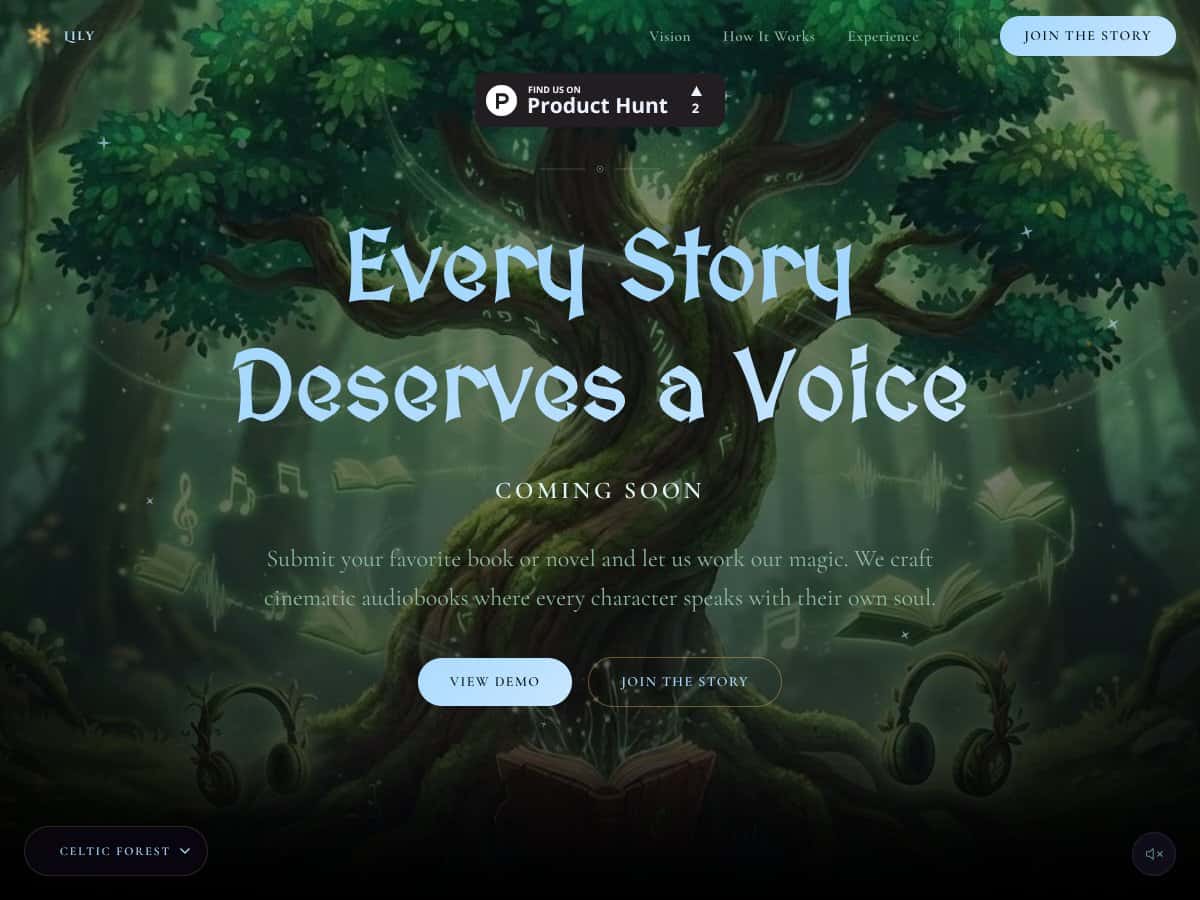
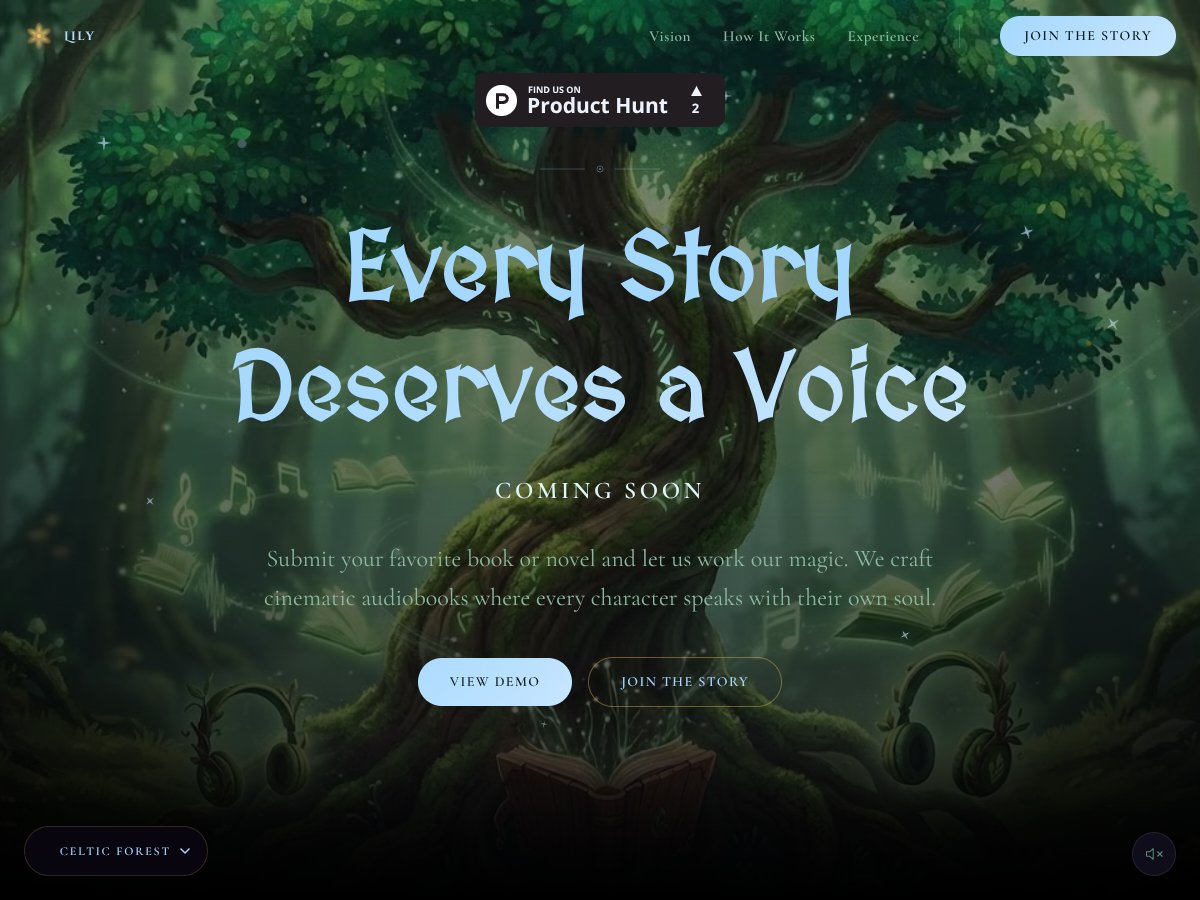
Honestly, I was pretty skeptical about Lily at first. The website tagline and demo videos make it sound like some kind of cinematic audiobook wizardry—like it could turn any book into a Hollywood-style narration with character voices. But here’s the thing: after digging a little deeper, I realized Lily isn’t a consumer-focused audiobook app. It’s actually aimed at commerce teams, helping brands and retailers turn product descriptions and metadata into more natural, discoverable content online.
What Lily does, in plain English, is take product data—like descriptions, attributes, and metadata—and optimize it for search, ads, and shopping platforms. Instead of bland or keyword-stuffed copy, it creates consumer-friendly product descriptions and enriches the data with schemas and richer attributes. The goal is to improve how products appear in search results, on ads, and across different sales channels, ultimately making products easier to find and buy.
It’s a tool built by Ray One AI, a company that specializes in AI-driven content optimization for commerce. So, it’s not about audiobook storytelling or character voices in the traditional sense; it’s about making product content better for both algorithms and people.
My initial impression? Well, the website is pretty vague about the actual features. No demos or detailed examples, just high-level marketing language. I was surprised to find that this isn’t a plug-and-play storytelling tool, but rather a backend content optimizer. It’s not meant for casual users or consumers—it’s a B2B platform. That said, if you’re expecting Lily to generate cinematic narrations or character voices for audiobooks, you’ll be disappointed. It’s not that kind of tool.
So, in summary, Lily is aimed at helping brands make their product listings more appealing and discoverable online. It’s not a storytelling platform. Be clear about that if you’re considering it. It’s also still in “coming soon” mode, so I couldn’t test its actual capabilities firsthand, but based on what’s available, it seems focused on a very specific niche.
Lily Pricing: Is It Worth It?

| Plan | Price | What You Get | My Take |
|---|---|---|---|
| Free Tier | Unknown / Not publicly listed | Likely limited features, perhaps limited usage or access to basic tools | Fair warning: without clear details, it’s hard to gauge if the free tier offers enough to be useful. Expect restrictions, and be prepared to upgrade if you need more capabilities. |
| Paid Plans | Not publicly listed — requires booking a demo | Probably includes advanced content optimization, schema markup, and broader usage limits | Here's the thing about the pricing: since the site doesn't publish prices upfront, you’ll need to contact sales for an exact quote. This lack of transparency can be a dealbreaker for some who prefer clear upfront costs. If you’re a small business or solo seller, consider whether the potential investment aligns with your budget.
What they don't tell you on the sales page is whether there are tiered plans based on usage volume or feature access. Sometimes, these enterprise-focused tools come with hidden costs—additional fees for API calls, extra seats, or premium features. Fair warning: always ask for detailed pricing breakdowns before signing on.
In terms of value, if Lily AI significantly improves your product discoverability, it might justify the cost. But for smaller players or those just experimenting, the lack of transparent pricing might make it hard to justify the expense without a clear ROI.
Overall, I was honestly expecting more transparency or at least some ballpark figures openly available. If you’re considering this for your business, be prepared to do some negotiations and ask pointed questions about costs and limits. And if you’re a smaller operation, compare it with alternatives like Shopify’s built-in SEO tools or other product feed optimizers that are upfront about costs. That way, you avoid surprises down the line.
How Lily Stacks Up Against AlternativesGoogle Merchant Center Product Feed Optimization
Salsify
Bazaarvoice
SearchSpring
Bottom Line: Should You Try Lily? Overall, I’d rate Lily a solid 6.5/10. It’s a niche tool that’s really good if your main concern is making product descriptions more consumer-friendly and enhancing metadata for better search visibility. But if you’re after a full-blown PIM system or review management platform, you’ll probably want to look elsewhere. If you’re a small to mid-sized eCommerce business struggling to make your products stand out in search and across channels, Lily is worth a shot—especially if you’re willing to book a demo and discuss pricing. It’s not the most feature-rich tool out there, but it hits a sweet spot for improving discoverability with relatively straightforward setup. On the flip side, if you need an all-in-one enterprise solution, or your main focus is reviews and social proof, then Lily isn’t the best fit. In those cases, platforms like Salsify or Bazaarvoice might serve you better. Personally, I’d recommend trying the demo if available—sometimes a quick test can show if it really moves the needle for your product listings. If you’re just starting out or have a limited budget, consider focusing on optimizing your existing descriptions and metadata manually before investing. In summary, if your goal is to make products more appealing and easier to find on search engines and shopping channels, give Lily a shot. If your needs are broader or more complex, your money might be better spent on a more comprehensive platform. Common Questions About LilyIs Lily worth the money?It can be, if improving product discoverability is your priority. However, since pricing isn’t public, you’ll need to get a quote and see if it fits your budget and needs. Is there a free version?No, Lily doesn’t offer a free tier. You’ll need to book a demo to get pricing details and see if it’s affordable for your business. How does it compare to Salsify?Salsify is more comprehensive and enterprise-focused, while Lily is more streamlined for product content optimization. If you need a full PIM, Salsify wins; for quick, targeted descriptions, Lily is simpler. Can I customize the output?Yes, Lily’s AI aims to generate consumer-friendly descriptions and enriched metadata, which can be tailored to your brand voice during setup. Does it support multiple languages?That detail isn’t clearly specified publicly. You’d need to check with Lily’s sales team if multilingual support is a priority for your market. Can I get a refund if I’m not satisfied?Refund policies depend on the terms discussed during your demo or onboarding. It’s best to clarify this before committing financially. |