Table of Contents
Thinking about attending a literary festival can feel overwhelming—you might wonder if it’s worth your time, money, and effort. You’re not alone; festivals can indeed seem crowded, confusing, or just plain intimidating at first glance.
But stick around, friend, because we’re about to cover everything you’ll need to turn that uncertain feeling into excitement. From finding the festival that matches your tastes to learning how to prep like a pro, you’ll become festival-ready quicker than you’d imagine.
Let’s jump in and talk festivals—what’s great about them, how you can choose the best fit, and get answers to common questions you might already have.
Key Takeaways
- Literary festivals offer great networking opportunities with authors, publishers, and fellow book-lovers.
- Plan your visit by choosing sessions you’d like to attend, arriving early, and carrying a notebook for tips.
- Big festivals give access to famous authors but can be busy; smaller ones offer more personal interaction.
- Dress for comfort, wear layers, and take a tote bag for purchasing books and festival goodies.
- It’s fine to bring brief pitches or business cards if you’re seeking publishing connections, but avoid handing out full manuscripts.
Top Literary Festivals to Attend in 2026
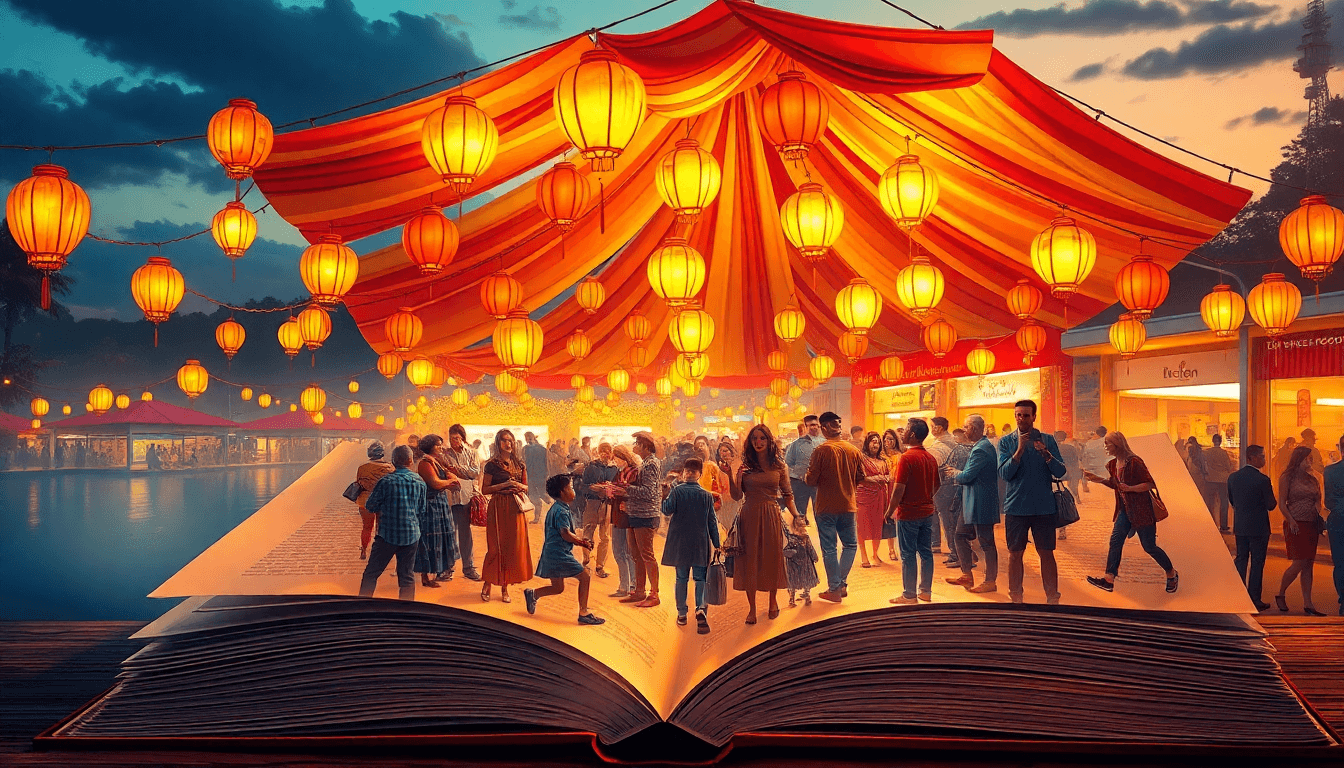
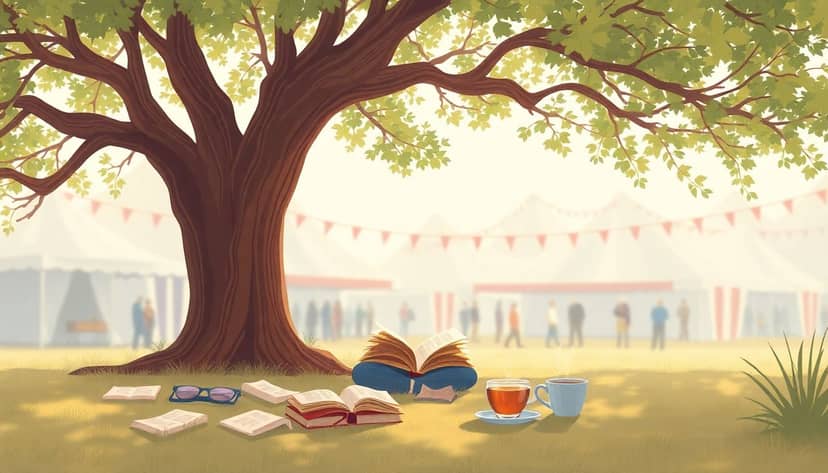
If you’re a book lover or writer looking to connect with like-minded people, literary festivals are where you want to be in 2025. These festivals are gatherings that celebrate books, authors, and everything related to reading and writing. Typically, they include author talks, discussions, writing workshops, and fun book signings where you can meet your favorite writers in person.
One of the biggest literary celebrations in the U.S. is the Decatur Book Festival in Georgia. Since its launch in 2006, it’s grown into the largest independent book festival in the country, known for a wide-ranging lineup of events—from poetry readings to lively panel discussions.
San Francisco’s Litquake Festival deserves a spot on your list too. Holding its 26th edition in 2025, Litquake hosts more than 100 events with roughly 600 authors and attracts upwards of 21,000 guests each year. It’s energetic, diverse, and filled with events worth checking out if you’re passionate about literature.
Then there’s the Southern Festival of Books in Nashville, celebrating its impressive 37th year in 2025. This festival is famous for being completely free to attend, making it accessible to anyone wanting to get closer to literary culture.
Jaipur Literature Festival (JLF) in India is another heavyweight contender, boasting talks from almost 2,000 speakers across 17 past editions and drawing over one million book lovers. In 2025, the festival enters its 18th year and promises five action-packed days filled with notable sessions that are sure to inspire.
Also noteworthy is the Hindu Lit for Life Festival, which in 2025 spans three full days, hosting over 150 sessions with more than 300 speakers, and typically attracts a crowd of over 85,000. So whether you’re looking to discover new authors or gain insights into writing techniques, it’s the right place to be.
How to Choose the Right Literary Festival for You
Wondering how to pick the festival that’ll suit you best? It isn’t too tricky—just start by clarifying what’s important to you.
- Decide what you’re after. Are you looking more for writing workshops where you can brush up your skills, or are insightful interviews and panel discussions your primary interest? Knowing what you’d like to see helps narrow your search.
- Consider your preferred genre. Some festivals lean heavily toward a specific genre or style. If you have a soft spot for mysteries or horror, for example, check details carefully and focus on fests highlighting those themes—and maybe even spark your own imagination with some horror story plot ideas!
- Check event size and ambiance. Smaller local festivals often allow direct interaction and intimate talks with authors, offering a relaxed vibe. Big events, like Jaipur Literature Festival or Litquake, are vibrant but crowded, giving access to prominent writers but perhaps less “face time” with them.
- Travel budget and logistics. Some literary gatherings are free like the Southern Festival of Books in Nashville, while others require registration fees. Factor in these costs alongside potential travel, accommodation, and dining expenses.
Ultimately, the right festival feels worthwhile to you personally—whether it’s nurturing your own writing goals, connecting with fellow readers, or simply providing inspiration for future projects. And hey, even if you’re just planning to publish your first novel, attending festivals can teach you a lot about things like how to get a book published without an agent.
Benefits of Attending Literary Festivals
Why should you bother attending literary festivals anyway? Honestly, there are plenty of solid perks apart from simply having fun exploring new books.
- Networking: Festivals are a perfect place to meet other authors, publishers, literary agents, and book-loving communities. These connections might turn out to be exactly what you need to boost your writing career or simply enrich your bookish friendships.
- Learning from pros: With workshops, masterclasses, and panel discussions led by experienced authors and editors, festivals offer valuable skills you can immediately use in your own writing. If you’re working towards becoming a children’s book author or figuring out how to publish a graphic novel, the advice offered here will be priceless.
- Finding inspiration: Sometimes, listening to accomplished authors talking candidly about their creative struggles and successes can encourage you to keep at your own work. Finding the spark to start a new writing project can become effortless when you’re immersed in a creative atmosphere.
- Keeping up with trends: You’ll stay aware of what’s trending in book publishing—whether it’s emerging genres, popular authors, or hot publishing tips—even the best fonts for book covers and designs. Trust me, knowing these insights helps a lot when crafting your manuscript or pitching it to editors.
- A great time: Last but not least, these events are entertaining! You’ll get to enjoy author signings, book markets, readings, food, live entertainment, and a supportive community vibe that’s simply unmatched.
What to Expect at a Literary Festival
If you’re attending your first literary festival, you might wonder what exactly you’ll experience there.
Typically, festivals offer author readings where writers share passages from their latest books and answer questions from the audience.
Expect panel discussions as well, where groups of authors or publishing professionals explore specific themes or industry topics.
Workshops and masterclasses are common and allow you to actively learn from experts in smaller, interactive groups.
Book signings are everywhere, giving you the perfect chance to snag a signed copy and maybe even snap a selfie with a writer you admire.
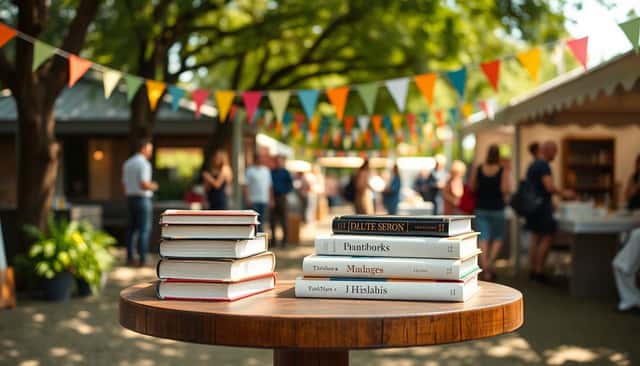
Most festivals also host book fairs or marketplaces, showcasing bookstores, publishers, and independent authors selling their works.
And hey, don’t forget food and entertainment, which many festivals include to create a fun atmosphere.
How to Prepare for Visiting a Literary Festival
Proper preparation can turn your festival visit from a “pretty good” experience into an amazing adventure.
Start by checking out the festival’s official website and social media accounts; you’ll find schedules, speaker lists, and any ticket details there.
Next, pick out the sessions and authors you absolutely don’t want to miss and make a clear plan for your day.
Be sure to arrive early to popular sessions (trust me: seats fill up fast for well-known authors!).
Bring something to write notes in, like a notebook or your phone, especially if you’ll attend workshops or author discussions where you’ll want to jot down valuable tips.
Dress comfortably and consider bringing water, snacks, and maybe even a tote bag—trust me, you’ll probably end up buying more books than you planned!
If you’re an author looking to make industry connections, have professional business cards ready and practice a quick pitch about your work.
Tips for Making the Most of Your Literary Festival Experience
First and foremost, actively engage with the event—don’t hesitate to ask questions during Q&A sessions.
Attending different types of sessions is also helpful; if you usually only attend fiction talks, try one related to nonfiction or poetry too; you just might spark new interests.
Chat up the person next to you in line or at panel discussions; everyone’s there because they share a love of literature, so striking up conversations tends to be easy.
Try to follow the festival’s hashtags on social media and share your experiences and opinions there; it helps build stronger connections.
If you’re aiming to publish your own book independently, look for sessions specifically about the world of self-publishing, or explore resources on solid strategies like how to increase book sales on Amazon.
Don’t forget downtime—you’ll absorb a lot of information, so take breaks to reflect, enjoy the food and music offered, or just soak up the atmosphere.
Common Questions About Attending Literary Festivals Answered
Many first-time attendees often wonder about things like ticket costs and what to bring—no worries, I’m about to clear it up.
First, tickets vary widely between events; some festivals like Nashville’s Southern Festival of Books are absolutely free, while others require tickets or passes for special events, so always check the official website for details.
People often ask if it’s appropriate to bring unpublished manuscripts to share with authors or publishers.
Usually, festivals aren’t the place to hand out your entire manuscript, but having a one-page query letter or a business card ready is completely fine (and recommended!) if you’re interested in professional connections.
Wondering what you should wear?
Stick to comfortable clothing, layers for changing weather, and comfy shoes—you might be walking a lot.
Bringing along a sturdy bag or backpack is also advisable so you can conveniently carry your book purchases and festival swag.
If you’re unsure what session to pick because many run simultaneously, prioritize ones featuring authors you admire or those offering actionable knowledge toward your publishing goals, like a session demonstrating how to create an interactive ebook for free.
Finally, don’t stress and just enjoy the atmosphere; literary festivals are casual, friendly spaces filled with people who simply love books.
FAQs
Consider the festival’s guest lineup, event themes, ticket price, and location. Check if the event matches your literary interests, fits your schedule, and is within budget. Reviews and past visitor experiences can also guide your choice.
Literary festivals offer opportunities to meet favorite authors, gain fresh insights into literature, and network with like-minded enthusiasts. They also provide inspiration, entertainment, and workshops that can boost your own writing and creativity.
Review the festival schedule and select sessions you want to attend. Purchase tickets early, arrange accommodation, and plan transport. Bringing a notebook, pen, water bottle, and comfortable bag ensures a pleasant experience throughout the festival.
A typical festival includes author readings, panels, Q&A sessions, book signings, and workshops. You’ll also find vendor booths, book sales, and interactive community activities making the event engaging for book lovers of all backgrounds.