Table of Contents
Sometimes a story has magic—but it’s not the sparkly, fireworks-everywhere kind you get in fairy tales. Low fantasy keeps the supernatural quieter. It’s usually tucked away, rationed, or only shows up when someone really shouldn’t be poking the bear. And honestly, that’s why I keep coming back to it. It feels less like “look at this cool spell” and more like “wait… what if this has always been here?”
In this post, I’m breaking down the most common low fantasy tropes and, more importantly, how they actually work on the page. I’ll cover five big ones: mostly hidden/limited magic, secret worlds in familiar places, ordinary characters caught in mystical messes, magic that carries real costs, and moral shades instead of clean hero/villain lines. You’ll also see how these show up in popular series and what to do if you want to try them in your own writing.
Key Takeaways
- Low fantasy magic is scarce on purpose: it’s rare, hard to access, or hidden behind procedures and gatekeepers—so it creates tension instead of solving everything.
- Secret worlds live inside normal settings: the magic isn’t on another planet; it’s in basements, back rooms, old tunnels, and “everyone knows that place” locations.
- Ordinary characters drive the story: the protagonist isn’t a chosen one—they’re a student, worker, parent, detective, or exhausted employee who has to deal with consequences.
- Magic comes with costs: health, time, memory, conscience, or social fallout. It’s a lever with a price tag.
- Moral complexity is part of the engine: characters make imperfect choices, and “good” actions can still cause harm.
- Realistic environments make the supernatural feel believable: details like routines, paperwork, neighborhoods, and local politics ground everything.
- Popular series prove the pattern: Harry Potter, The Dresden Files, and American Gods show how subtle magic can still hit hard emotionally.
- If you want to write it, build rules first: decide what magic can’t do, what it costs, and how characters discover it (or fail to).

What is Low Fantasy and Why It Matters
Low fantasy is fiction where magic exists, but it doesn’t run the whole show. Instead of gods, chosen prophecies, or a universe-wide magical system, you get something closer to real life: the supernatural is limited, hidden, or messy—and it blends into ordinary places.
What makes it matter (and what I’ve noticed most when reading it) is how it changes the emotional temperature. You’re not just watching spectacle. You’re watching people deal with something they can’t fully control. Magic becomes a pressure point in daily life—an inconvenient truth, a dangerous rumor, a secret someone has to keep.
Key Low Fantasy Tropes Explained
If you want to spot low fantasy quickly, look for these patterns. They’re not just “themes.” They’re usually mechanisms that drive plot.
- Magic That’s Mostly Hidden or Limited: powers exist, but access is restricted (by cost, secrecy, skill, or geography). The story keeps asking: who knows? who’s allowed? what happens if you try?
- Secret Worlds in Our Own Backyards: magical communities and beings are embedded in places you recognize—cities, suburbs, rural towns, basements, and old infrastructure.
- Ordinary Characters Facing Mystical Situations: the protagonist isn’t a legend. They’re a person with bills, trauma, fear, and limited knowledge who has to improvise.
- Magic as a Risk, Not Always a Power Boost: using magic has consequences. Sometimes it’s physical (pain, exhaustion), sometimes social (being targeted), sometimes ethical (you trade something away).
- Characters and Conflicts with Moral Shades: the story doesn’t treat morality like a switch. Choices are complicated, and “right” actions can still be wrong for someone else.
Magic That’s Mostly Hidden or Limited
Here’s the big difference: in low fantasy, magic isn’t a public utility. It’s more like a rumor with receipts—or a practice that only a handful of people can do without burning down their own life.
How this trope usually plays out (and what to copy in your own drafts) is the discovery process. It’s not “the protagonist learns a spell and suddenly wins.” Instead, they learn that magic has rules and gatekeeping. It might require a specialist, a specific location, or a real sacrifice. And when they fail? You feel it.
For instance, imagine a town legend about a hidden enchanted relic. What makes this trope interesting isn’t the legend—it’s the attempts. Maybe the protagonist starts with the obvious: old church records, a locked museum drawer, a map found in a grandparent’s attic. Each attempt gives partial information, and each time something goes wrong: the ink in the ledger won’t read under daylight, the relic’s “location” keeps shifting, or the relic only responds to a specific bloodline. By the end, the “relic” isn’t just a prize. It’s a test of whether the protagonist can live with what they’re about to unleash.
I’ve found that readers love this because it mirrors how real-world mysteries work. Information is incomplete. Sources lie or misremember. And sometimes the safest choice is to walk away—until you can’t.
If you want to see how this kind of integration works in a more grounded, bleak setting, you can check out dystopian fiction. A lot of low fantasy borrows the same “systems + consequences” mindset.
Secret Worlds in Our Own Backyards
Secret worlds are one of my favorite low fantasy tropes because they let you build wonder without building a whole new planet. The magic is right there—under your feet.
In practice, this trope often looks like micro-realms or parallel structures living inside familiar spaces. A city’s underground tunnels might connect to an older, non-human network. A “normal” pet shop might be the front for creature deals. A quiet neighborhood park could be the boundary line where the rules change for a few minutes each night.
What makes it feel believable is the daily camouflage. The magical society doesn’t announce itself with fireworks. It uses routines, paperwork, and social habits. Maybe the witches you meet aren’t wearing capes—they’re taking the same bus, working the same shift, and avoiding the same street at night because of an old incident nobody talks about.
This trope also pairs naturally with urban fantasy techniques: surveillance, noir-ish investigation, and the slow realization that “nothing is as it seems.” If you want more on that modern blend, see popular urban fantasy genre.
Ordinary Characters Facing Mystical Situations
Low fantasy rarely hands the protagonist a destiny cape. Instead, it drops something impossible into their normal life and forces them to deal with it like a human being—messy emotions included.
That might look like:
- A single parent who realizes the “sleepwalking” wasn’t stress—it was a spell someone else cast.
- A tenant who finds old wards in the walls and has to decide whether to report them (and risk being disbelieved) or handle it privately.
- A detective who uncovers a pattern of disappearances tied to a hidden faction, except the evidence keeps changing every time they go back.
In my experience, the best version of this trope is when the protagonist’s ordinary limitations matter. They don’t know the language of magic. They don’t have the right contacts. They have a job interview tomorrow. They’re afraid. They mess up. They learn through consequences.
Also, don’t underestimate how much this trope benefits from “soft” realism: internal monologue that contradicts itself, dialogue that avoids the scary truth, and decisions that aren’t cinematic. It’s less “I will defeat you” and more “I can’t believe I have to figure this out before Friday.”
If you’re aiming for a darker tone, you can see how low fantasy stress and personal stakes show up in horror and dark fantasy plotting.
Magic as a Risk, Not Always a Power Boost
Magic in low fantasy usually isn’t free. It’s not even always “good.” Sometimes it’s a tool that works… but only by taking something from the person using it.
Here are a few concrete costs that work especially well:
- Physical cost: using a spell leaves bruises, causes tremors, or drains stamina. The character can “win” the fight but pay for it later.
- Psychological cost: the magic changes memory, intensifies paranoia, or replaces empathy with something colder.
- Ethical cost: the spell requires a lie, a betrayal, or a bargain that doesn’t feel reversible.
- Social cost: every use makes you easier to track. You don’t just cast—you get noticed.
For example, a character might gain an ability to compel truth during interrogation. It sounds helpful, right? But it only works if they’re willing to hear the truth themselves. The first time they use it, they force a confession out of someone—and discover they accidentally confessed to a crime they didn’t remember committing. Now the plot isn’t about whether they can use magic. It’s about whether they can survive what the magic reveals.
That’s the real payoff of this trope: magic becomes a double-edged sword. It creates tension because the “best” move isn’t always the one that feels safest.
And when you’re writing, try to avoid the trap of making magic cost nothing until the last chapter. Costs should show up early—small ones. That’s how you train the reader to expect consequences.
Realistic Settings with a Touch of Magic
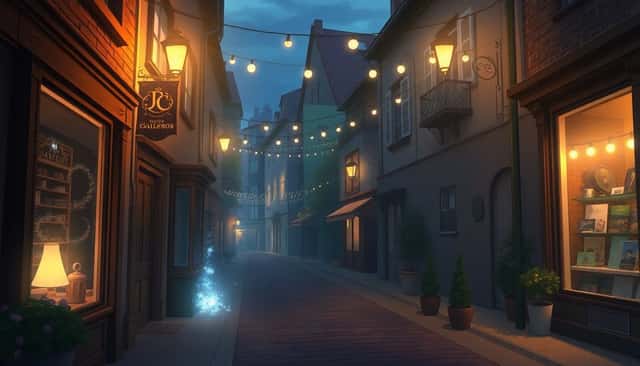
Low fantasy works best when the setting feels like you could walk there. Cities, small towns, rural roads, office buildings—places with routines. Then you slip the supernatural in like a stain you can’t quite scrub out.
When I’m revising something in this lane, I usually ask: Where would magic leave evidence? Not fireworks. Evidence. A smell that won’t wash out. A bruise shaped like a symbol. A bureaucratic dead end where someone tried to file a complaint and got quietly shut down.
For example, a city with busy streets might hide a secret society that operates in the background—quiet meetings in laundromats, coded messages in public flyers, and “rules” passed down like neighborhood folklore. The world feels alive because the magic has to fit into real logistics: rent, schedules, traffic, and people minding their own business.
That’s why this blend hits for readers who like urban fantasy too. If you’re using modern life as the baseline, you can make the supernatural feel immediate—like it could happen to someone you know.
Impact of These Tropes on Storytelling
These tropes keep low fantasy intimate. You’re not watching a kingdom fall; you’re watching one person’s week go sideways because the supernatural finally found them.
When magic is limited and characters are ordinary, the stakes naturally get sharper. Why? Because the protagonist can’t just cast a solution. They have to choose. They have to negotiate with fear, with time, with other people, and with the cost of being right.
Moral shades are where the genre really earns its emotional weight. Instead of “evil exists, defeat it,” you get questions like: Is it still right if it hurts someone? What if the ‘good’ option makes you complicit? Who gets to decide what counts as harm? Those aren’t just philosophical—they become plot turning points.
And yes, genre blending can work beautifully here. Horror and mystery tend to pair well because both thrive on incomplete information and dread. Romance can also fit, especially when magic complicates consent, trust, or identity. The best blends use low fantasy tropes as the foundation, not as decoration.
Once you see how these elements interact, it gets easier to write something that feels grounded and satisfying—like the story is asking you to believe, not just to watch.
Popular Examples of Low Fantasy Tropes
These tropes aren’t stuck in obscure corners. They show up in mainstream favorites, too.
The Harry Potter series leans hard into the idea that a magical community exists inside an ordinary world—hidden schools, secret corridors, and rules that only make sense once you’re inside. That’s the “secret worlds in our own backyards” vibe at full volume.
The Dresden Files is a strong example of ordinary (or at least non-royal) characters dealing with supernatural threats in a grounded setting. It also nails the “magic as a risk” concept: every choice has consequences, and power doesn’t always mean safety.
American Gods brings moral shades to the forefront. Gods and mythic beings mingle with everyday life, but none of it feels clean or heroic. It’s complicated, political, and emotionally heavy—exactly what low fantasy does well when it wants to feel real.
For writers, studying these stories is useful because you can see how subtle magic still creates momentum. It’s not about flashy spells; it’s about decisions, limitations, and the slow tightening of pressure.
How to Craft a Low Fantasy Story That Resonates
If you’re trying to write low fantasy, start practical. Don’t begin with “what magic should I invent?” Start with “how will this mess up someone’s life?”
- Choose a familiar setting: a town, workplace, or neighborhood. Then decide where magic would naturally hide—basements, archives, abandoned infrastructure, private clubs, or family heirlooms.
- Sprinkle details, don’t flood the page: one odd symbol on a receipt, a ward hidden in a doorway, a rumor repeated by multiple characters. Let it accumulate.
- Define what magic can’t do: if your magic solves everything, you’ve accidentally written high fantasy. Limitations create plot.
- Make the protagonist ordinary: give them responsibilities, flaws, and a reason they can’t just drop everything to chase prophecy.
- Show consequences early: small costs first (fatigue, suspicion, social fallout), bigger costs later (loss of memory, moral compromise, physical damage).
- Use dialogue and internal reactions: people don’t respond to magic like it’s a video game. They bargain, panic, rationalize, and sometimes lie to themselves.
- Blend genres with intention: a touch of horror works great when magic is linked to dread and contamination; mystery fits when clues are unreliable; romance shines when magic pressures trust and identity.
When you follow that checklist, the story tends to feel authentic—like the supernatural is just another part of the world’s complicated machinery.
FAQs
Low fantasy keeps magic limited or hidden in realistic worlds, usually with ordinary characters who get pulled into mystical situations. The key is grounded storytelling—less spectacle, more consequences.
Magic usually works through secrecy, scarcity, or strict rules. It’s often a risk or complication rather than a straightforward power-up, so the story stays tense and believable.
Common tropes include hidden magical worlds inside everyday places, ordinary people getting involved with supernatural danger, magic that carries personal costs, and morally complex conflicts where good and evil aren’t clear-cut.
Low fantasy brings realism to fictional stories by focusing on relatable characters and moral ambiguity, while still letting supernatural elements feel personal and immediate in everyday settings.