Table of Contents
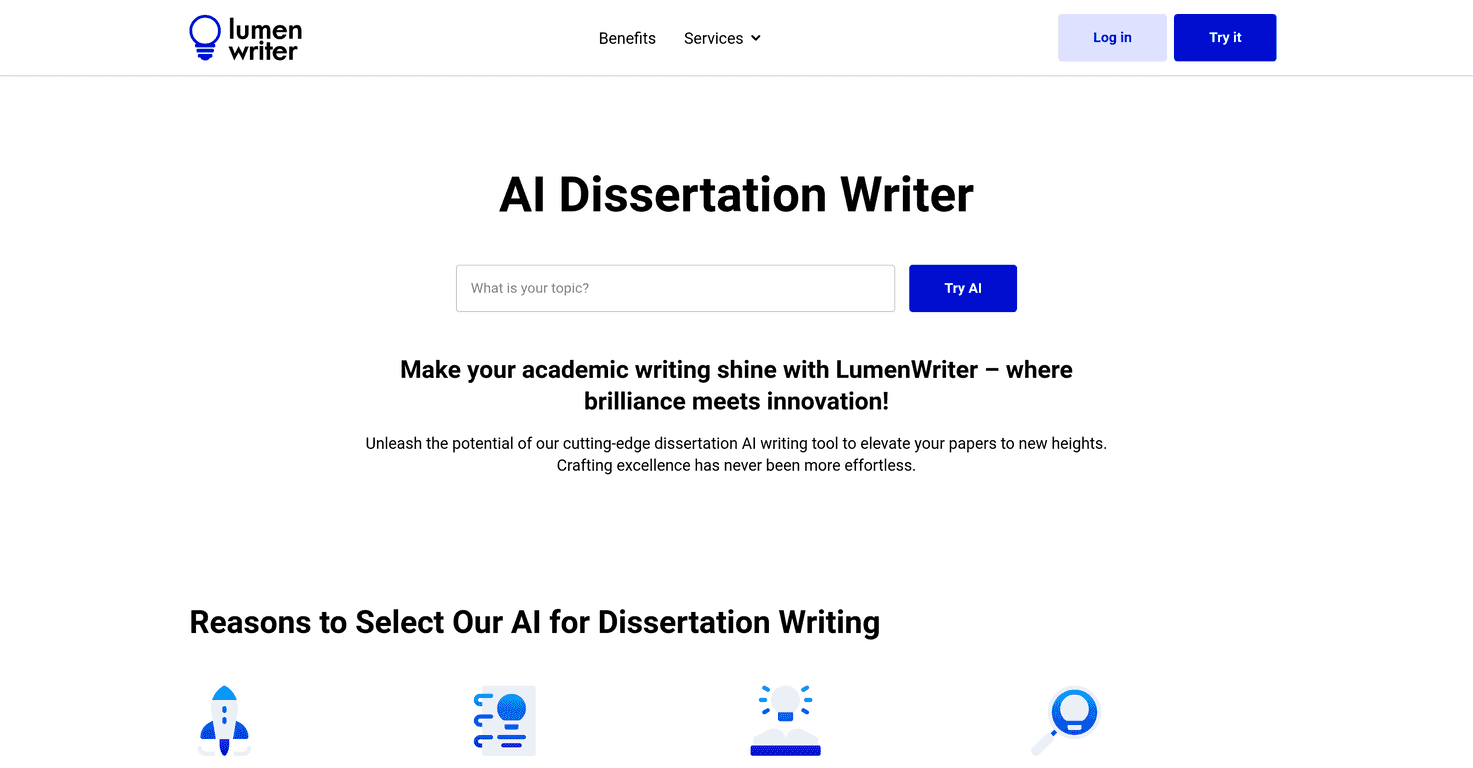
Writing a dissertation can be a daunting task for many students and researchers. With heaps of research, countless hours of drafting, and the stress of meeting academic standards, it’s easy to feel overwhelmed. That’s where LumenWriter.ai comes into play, promising to simplify your writing journey.
This AI-powered tool helps streamline the various stages of dissertation writing, from research to editing. In this review, we’ll explore its features, pros, cons, and pricing plans, helping you decide if it’s the right fit for you.
LumenWriter.ai Review
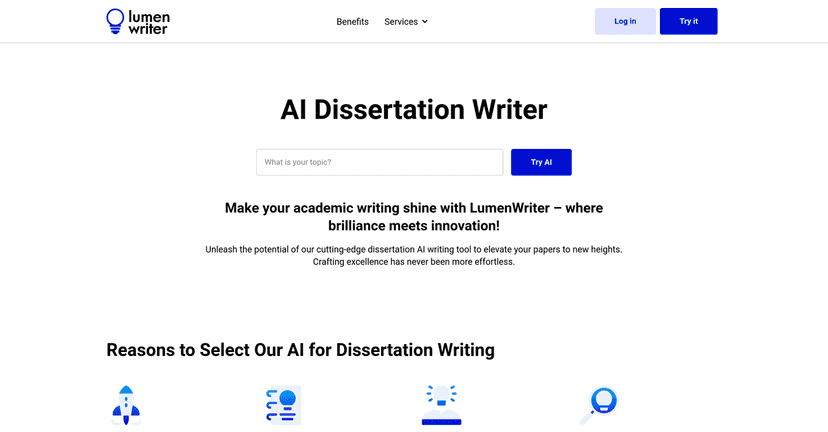
LumenWriter.ai is designed specifically for students and researchers aiming to tackle the complexities of dissertation writing. The AI assistant takes on tasks like content generation, organization, and even grammar checking, allowing users to focus more on their critical thinking and insights.
The tool effectively analyzes prompts and keywords to generate relevant academic content, which can significantly cut down research time. Moreover, with customizable content generation, users can ensure their drafts follow personal and academic requirements. This user-friendly interface caters to all levels of academia, making it easy for anyone to navigate.
However, it’s crucial to remember that while LumenWriter.ai is an excellent support system, it can’t replace the unique perspective and personal touch every writer brings to their work. Users are still encouraged to review AI-generated content carefully to ensure originality and adherence to academic guidelines.
Key Features
- High Accuracy and Fast Turnaround
- Customizable Content Generation
- Grammar and Style Assistance
- Academic Formatting
- Data Analysis and Content Generation
- Draft Refinement
- User-Friendly Interface
Pros and Cons
Pros
- Reduces time spent on research and drafting
- Facilitates organization of complex ideas and data
- Tailored support for different academic needs
- Enhances draft quality with AI-generated suggestions
- Lowers stress levels throughout the dissertation process
Cons
- Requires user input for originality
- Needs diligent review and editing of AI content
- Cannot fully substitute for personal insights and critical thinking
Pricing Plans
Pricing information for LumenWriter.ai is not specified, so it’s recommended to visit the official website for updated plans and options.
Wrap up
In conclusion, LumenWriter.ai is a valuable tool for anyone grappling with the dissertation writing process. Its impressive features aim to alleviate stress and enhance the quality of academic writing. However, remember to infuse your thoughts and insights into your work, so it remains authentically yours. If you’re looking for support in your writing journey, LumenWriter.ai could be worth considering.
Promote LumenWriter.ai