Table of Contents
You know how tough it can be to make your thriller book stand out when there are already thousands out there competing for attention. It can feel overwhelming, like shouting into the void and hoping someone hears you.
But here’s some good news: you’re about to discover simple, doable ways to make thriller readers excited about your books. No complicated jargon, no rocket science, just clear steps anyone can follow.
Ready to boost your thriller book marketing? Let’s jump right in!
Key Takeaways
- Use targeted Amazon SEO and reader trend data to reach thriller fans more effectively.
- Engage thriller readers on TikTok and Instagram using short, suspenseful teasers and user-participation challenges.
- Build genuine influencer relationships by offering advance copies and personalized communication to drive word-of-mouth.
- Grow and segment your email audience by reader interests, offering exclusive content and interactive elements.
- Create video trailers and behind-the-scenes content, highlighting suspenseful aspects for maximum impact.
- Plan local and virtual author events and signings catered specifically to thriller readers.
- Request early reviews from prominent bloggers and loyal fans to build credibility and boost sales.
- Keep readers involved post-launch with bonus content, short linked stories, and interactive reader polls.

Step 1: Choose Effective Marketing Strategies for Thriller Books
Choosing the right marketing strategies for thriller books is like figuring out a puzzle—find the right pieces, and things start falling into place.
Considering thrillers have been dominating fiction sales lately (making up a good chunk of the 59% share of fiction sales), you’ll want a strategy that’s specific to your thriller niche.
One effective approach: target psychological thrillers directly, since they’re actually the number one bestselling sub-genre in Mystery, Thriller, and Suspense categories right now, according to recent Amazon sales data.
Start by clearly defining who your readers are—which means knowing what keeps them awake at night flipping pages or scrolling through Kindle.
Next, leverage reader data from Amazon’s top-selling book categories to pinpoint exactly which themes or storylines grab attention.
Don’t underestimate digital formats; audiobooks are growing double-digits each year. Investing in audiobook versions of your thriller can capture an audience that’s too busy to sit down with a physical copy.
Be sure to also get savvy about Amazon SEO—using targeted keywords for KDP can really help your thriller pop up exactly when eager fans are doing their midnight browsing.
Step 2: Create Engaging Social Media Campaigns for Thrillers
Social media isn’t just about scrolling memes; it’s now a big deal for selling thrillers because readers often use platforms like Instagram and TikTok to find their next spine-chilling read.
Create visually gripping content that teases your thriller without giving too much away—think short, intriguing snippets or unsettling quotes designed as shareable graphics.
Consider leveraging platforms like TikTok’s viral #BookTok community, which was instrumental in recent fiction sales growth. Short clips that hint at the psychological twists in your thriller can grab plenty of eyeballs.
On Instagram, suspense is key—try a week-long teaser sequence of posts, each revealing just a bit more about your book’s central mystery.
Encourage user-generated content by creating thriller-themed challenges (for example, spooky photogenic locations, mysterious bookshelf setups) to engage your readers organically.
Don’t just post and disappear—interact actively by responding to reader comments, questions, or reactions on social media. This gives your campaign a human touch readers truly appreciate.
Step 3: Develop Successful Influencer Partnerships to Promote Thrillers
Influencers can make a big difference in selling thriller books because readers tend to trust their recommendations, especially those with dedicated book review platforms or BookTube channels.
Identify influencers whose followers match your thriller’s audience profile—are they avid true-crime fans or deeply into psychological puzzles?
Once you’ve got a shortlist, reach out personally rather than using generic email blasts. Explain why you think they’d genuinely enjoy your book and keep it informal and friendly—it’ll boost your chances of a positive response.
Offer influencers advance reader copies (ARCs) of your thriller for early reviews; this creates buzz before the official launch date.
Consider building long-term relationships rather than one-off shoutouts; for instance, an influencer could regularly feature your novel in book recommendation lists or seasonal reads (check out these cool winter writing prompts for inspiration).
Track these partnership results using affiliate links or special discount codes so you can clearly see which influencers drive real sales.
Step 4: Use Email Marketing to Build Thriller Book Audiences
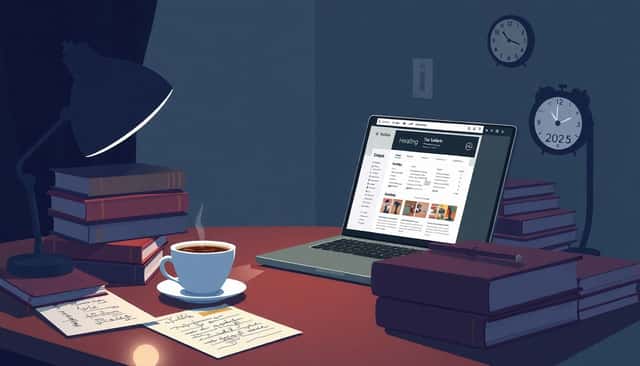
Email marketing is still one of the smartest ways to build a loyal following for your thriller books, especially since it gives you direct contact with your readers (without mysterious algorithms getting in the way).
Start by using landing pages to invite readers to subscribe, offering exclusive giveaways or a sneak peek of your upcoming thriller as an incentive.
Make sure you’re segmenting your email list based on what your readers enjoy—for example, some might love psychological thrillers, others might prefer action-packed crime stories.
Send regular newsletters that contain updates, personalized book recommendations, and engaging content like behind-the-scenes glimpses of your writing process.
Include interactive elements like reader polls (“Which thriller character would you trust least?”) or quizzes inspired by your novel’s plot twist.
Always track email campaign results using analytics tools to see what’s working well, and tailor your next sends accordingly.
Step 5: Highlight the Best New Thriller Books to Market in 2026
If you’re gearing up for 2025, you’ll definitely want to pay attention to what’s hot—psychological thrillers are topping the charts right now, holding the #1 spot among all sub-genres in the Mystery, Thriller, Suspense category on Amazon.
Look for upcoming psychological thrillers from notable debut authors or popular series continuations since they’re going to have reader buzz right out of the gate.
Feature these books in blog roundups or create special spotlight posts that subtly tie into your own releases, creating natural cross-promotions.
Stay on top of thriller trends by keeping an eye on pre-orders and upcoming release buzz on Goodreads, NetGalley, and publishers’ announcement pages.
By showcasing other great thrillers alongside your own book, you help your audience discover fresh reads and position yourself as someone whose recommendations they trust.
Step 6: Identify Upcoming Thriller Books Readers Are Excited About in 2026
Figuring out the thriller books readers are eagerly waiting for involves hanging out where readers gather and listen in—places like Goodreads forums, Reddit’s thriller book communities, and BookTok.
A helpful approach is regularly checking major book review websites to see which new thrillers are getting starred reviews or heavily anticipated lists for 2025.
Create content around these anticipated titles, such as prediction posts (“Who will survive the next plot twist?”) or interviews with authors readers are buzzing about.
Additionally, use reader-generated content (comments, shares, discussions) to pinpoint precisely which thrillers have the most pre-launch excitement.
The better you know what books they’re already hyped about, the easier it gets to position your own thriller in ways that make sense to their interests.
Step 7: Make Thriller Books Stand Out with Video Content and Trailers
Making your thriller stand out means investing in video content—research shows that video trailers can significantly boost reader interest compared to just plain text blurbs.
Design a book trailer that’s suspenseful and visually exciting, maybe with short eerie music clips or quick flashes hinting at your book’s storyline.
Post these videos across platforms like your author website, Instagram Reels, or YouTube, especially targeting thriller-loving communities.
You don’t need Hollywood-level filming—a high-quality smartphone and good lighting are often enough for creating compelling author interviews, Q&As, and behind-the-scenes looks at how you crafted your plot, like writing on-the-edge-of-your-seat horror stories.
If video editing isn’t your thing, consider hiring freelancers on sites like Fiverr or Upwork to get pro-level help without breaking the bank.
Step 8: Secure Valuable Book Reviews and Endorsements for Thriller Authors
Honest and compelling book reviews make a significant difference for thriller sales since readers heavily rely on feedback before picking a new read.
Early reviews build trust—approach well-known thriller and mystery bloggers, respected book reviewers, and credible sources like Kirkus, Booklist, or Publishers Weekly, offering advance copies of your book.
Set up Goodreads giveaways targeting thriller enthusiasts specifically, increasing chances of gaining Goodreads reviewers who naturally match your reader profile.
Remember to contact existing fans personally, perhaps in your newsletter, gently requesting honest reviews on Amazon and Goodreads after they’ve finished reading.
The more genuine positive reviews you earn, the more social proof your thriller gains, encouraging hesitant readers to click “buy.”
Step 9: Plan Book Signings and Author Events to Promote Thrillers
Book signings and author events create excitement around thriller books since fans enjoy connecting personally with creators.
Visit local indie bookstores that cater to mystery and thriller readers to arrange signing events and author readings.
Coordinate live-streamed Q&A sessions through Instagram Live or Facebook, where you discuss major plot twists and surprises—without spoilers, of course!
Consider partnering with other authors in the thriller genre or similar niches like mysteries or crime fiction to host collaborative events, expanding your reach to broader audiences.
Use virtual author event platforms like Eventbrite to host online discussions with thriller readers worldwide, giving your marketing efforts extra mileage beyond geographic boundaries.
Step 10: Keep Readers Engaged After Thriller Book Launches
Keeping thriller readers engaged after the launch is often the trickiest part—but critical if you want them around for future books.
Email your readers further follow-up content such as alternative endings, deleted scenes, or character backstories they can’t find anywhere else.
Create a series of short interconnected stories that keep characters alive and readers curious between book releases.
You could also involve readers in the writing process, asking them for input or polling them on possible future plots, similar to using interactive techniques like horror story plot generators.
Additionally, respond promptly and genuinely to emails, direct messages, and social media comments—personal connections make loyal readers feel valued and excited for what’s next from you.
FAQs
Instagram, TikTok, and Facebook effectively attract thriller readers. Instagram and TikTok videos highlight suspenseful elements, book aesthetics, and intriguing quotes, while Facebook communities provide interaction with dedicated thriller fans through group discussions and author live-streams.
Select influencers already interested in thriller books with engaged followers. Provide them with advance copies for genuine, authentic reviews, and encourage interactive formats like Q&A sessions, live readings, or hosting giveaways to boost audience engagement and book exposure.
Thriller readers respond strongly to suspense-building messages, exclusive sneak peeks, book excerpts, author interviews, limited-time promotions, or early release announcements. Keep emails concise, visually appealing, and focused on intriguing content to encourage immediate readership and engagement.
Video content immediately captures attention, showcasing intense storylines, mood-setting visuals, and suspenseful moments from thriller books. Compelling book trailers evoke emotional responses, spark curiosity, drive interest, and significantly boost audience anticipation ahead of publication.