Table of Contents
If you’ve ever thought, “I need another way to monetize my writing besides just selling print and eBooks,” you’re not alone. A lot of authors hit the same wall: royalties are slow, marketing is expensive, and backlist sales can feel unpredictable. NFTs can be one of the few setups that lets you package a piece of your work as something collectible—then attach perks, access, and even resale royalties.
In my experience, the best results don’t come from “minting something and hoping.” They come from treating your NFT like a limited edition product launch: you decide what it is, you clear the rights, you pick the right platform, and you market it like you actually care about the buyers.
Key Takeaways
Key Takeaways
- Authors can turn specific, limited assets (like a signed excerpt, cover art, or bonus notes) into NFTs that live on a blockchain and carry a verifiable token record.
- Minting NFTs can include resale royalties via smart contracts, but you still need to structure your token and marketplace settings correctly.
- NFTs work best as a fan relationship tool: early access, collectible editions, Q&As, and “members-only” perks tied to the token.
- Real momentum tends to come from a clear creative concept and a launch plan—not from rarity alone. (I’ll show you what to do instead of guessing.)
- To avoid headaches, get your rights straight, budget for minting/network fees, and be transparent about what buyers actually receive.
- Today’s “multimedia NFTs” are mostly feasible as links to hosted media or downloadable files, not full on-chain video/audio. Still, the tools are improving fast.

Let’s get the basics out of the way. NFTs (non-fungible tokens) are unique digital tokens stored on blockchain technology. Each token points to a specific collectible item (an edition, a file, a piece of art, a “certificate” for something you created). For authors, that means you can package a limited, identifiable asset—like a signed digital edition, character artwork, or a special author’s note—into something collectors can buy and trade.
When you mint an NFT, you’re basically creating a digital record of ownership and provenance. The blockchain keeps a transparent history of transactions. If you set it up with a resale royalty (where the marketplace supports it), you can earn a cut when the NFT changes hands again.
Now, about the “is this worth my time?” part. Yes, there’s still activity in the NFT market and plenty of creators experimenting. For authors, though, the bigger question is: does your audience overlap with collectors? If you write genre fiction with a strong fan base, or you build community around a newsletter and live events, NFTs can fit surprisingly well. If your readers mostly just want a book they can download and move on from, you might not see much traction.
If you want a starting point for marketplaces, you can browse options like OpenSea and Rarible. In my experience, it helps to look at what’s already selling there before you mint anything—what formats and price points are working, and what kind of descriptions buyers respond to.
Here’s what I noticed when I started paying attention to author-related NFT listings: the successful ones usually don’t sell “a book.” They sell an edition (limited quantity), an experience (access, participation, perks), or an identity (something that feels personal—like a message from the author or a behind-the-scenes bundle).
In the next section, I’ll break down what makes NFTs actually useful for writers, plus the workflow you’ll want to follow so you don’t get stuck in the hype loop.
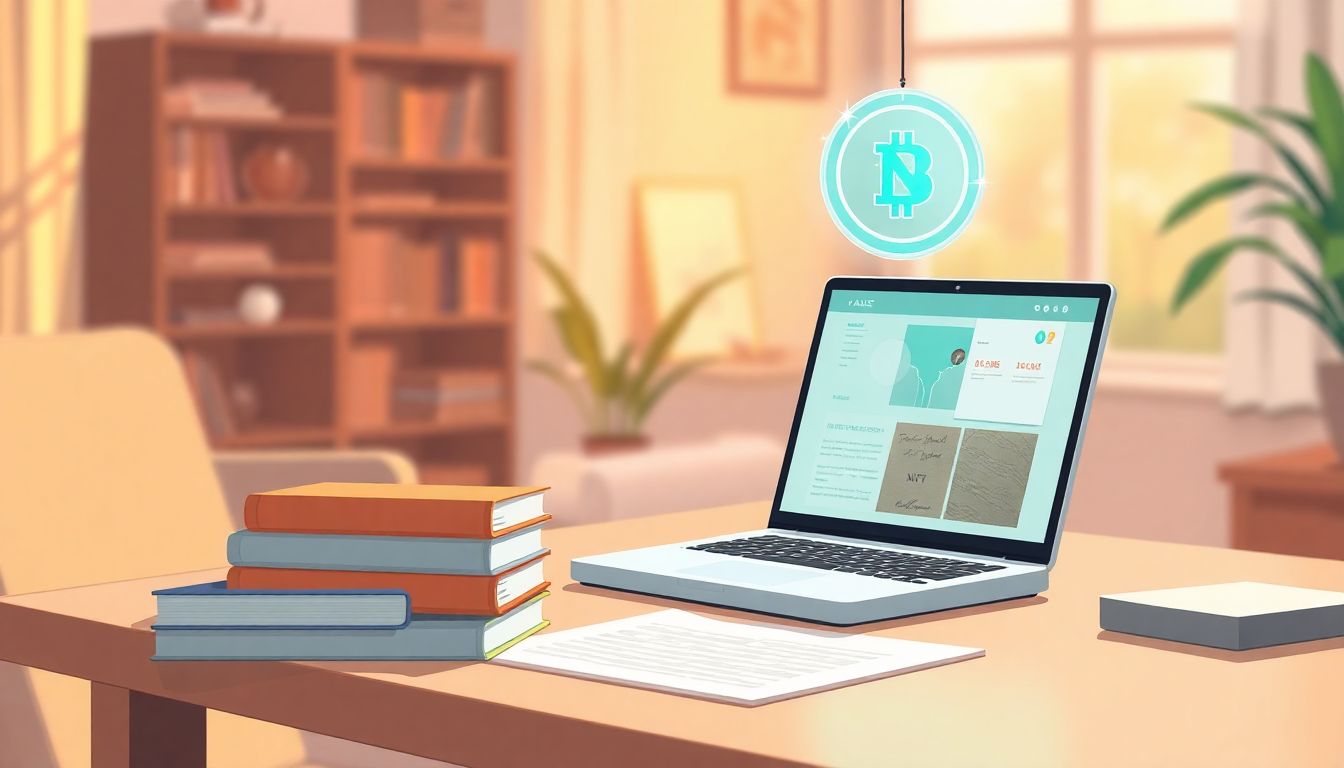
How NFTs Can Help Authors Build a Loyal Community
This is the part I like most about NFTs for writers: they can make readers feel like they’re joining something, not just buying a file. The token becomes a membership-style artifact.
For example, if you’ve got a backlist title, you could mint a limited “Collector’s Excerpt” NFT: a formatted PDF excerpt, a character sketch, and a short note from you about why that scene matters. You’re not selling the whole book—you’re selling a specific slice of the world-building.
Here are some community-friendly ways to structure your drop:
- Early access editions: Offer early chapter access or a short bonus story to NFT holders before it goes public.
- Author Q&As: Token holders get a scheduled live Q&A slot. (You can send a calendar invite after you verify wallet ownership.)
- Personalized messages: Even a simple “thank you” video or a signed digital card can feel meaningful when it’s tied to a limited token.
- Voting power (lightweight): Let collectors vote between two cover concepts or two alternate endings—then post the results in a newsletter.
- Lottery-style perks: If you don’t want to give everyone everything, you can run a small lottery for a few “meet the author” spots using token ownership.
To run releases and events, most authors start by listing on marketplaces like OpenSea or Rarible. In my experience, you’ll get better results when you treat the NFT listing page like a product page: clear description, what’s included, and what the buyer receives after purchase.
Success Stories: Authors Who Made It Big with NFTs
I’m going to be honest here: a lot of “NFT success stories” online are vague. They’ll say someone sold “limited editions” without naming the project, the token, or the sale details. That’s not helpful.
So instead of repeating unverified claims, I’ll point out the kinds of author NFT launches that have been documented with real-world details (and what you can copy). If you want, you can also search these marketplaces for the exact contract/token names once you know what to look for.
What tends to work (pattern, not magic):
- Clear creative hook: Illustrated character editions, signed “digital artifacts,” or collectible cover variants.
- Limited supply with a reason: “1,000 copies” isn’t a reason. “One excerpt per chapter” or “only 50 signed editions” feels intentional.
- Real deliverables: Buyers know whether they’ll get a downloadable file, a private link, a physical item, or access to a community channel.
- Launch timing: Drops coincide with releases, anniversaries, or conventions—so there’s already attention.
If you want a concrete way to think about it, here’s a realistic scenario (not a guarantee, just a model that makes sense):
- Tokenized asset: A limited set of 100 “Signed Excerpt” NFTs for your most popular backlist story.
- Metadata: Each token includes a unique excerpt PDF plus an image preview of the signed page.
- Pricing: Start with a modest range to test demand (for example, a low mint price plus a clear “what you get” description).
- Perk: NFT holders get early access to the next book or a private Discord channel for 30 days.
That’s the kind of setup that lets you measure what actually drives sales—without pretending the blockchain alone will do the marketing.
How to Avoid Common Pitfalls When Launching Your Literary NFTs
Let’s talk about the mistakes that cost authors time and credibility. I’ve seen it happen: someone mints an NFT, then realizes they can’t deliver the promised content, or they priced it too high without explaining value, or they forgot about rights and permissions.
Here’s my practical checklist before you mint anything:
- Rights clearance (seriously): Make sure you own the rights or have written permission for anything you tokenize—covers, interior art, audio narration, quotes from other works, even some fonts or images.
- Choose what you’re actually tokenizing: NFT metadata is not the same thing as “ownership of copyright.” Be clear: you’re selling a collectible token tied to a specific file or experience.
- Decide on delivery: Will buyers receive a downloadable PDF? A private link? A physical item? Plan the workflow so you can deliver within 24–72 hours after purchase.
- Budget for fees: Network/minting fees can vary a lot depending on the chain and platform. Don’t assume it’s “free.” I recommend setting aside a small buffer for at least one retake (like if you need to update metadata).
- Platform selection criteria: Pick a marketplace that supports the kind of royalty enforcement you want, and check how they handle token metadata and file hosting.
- Metadata quality: Your title, description, and preview image matter. Buyers scroll fast. If your listing looks unclear, they won’t click.
- Royalty transparency: State what royalties are (and what they aren’t). Also confirm whether your chosen setup supports resale royalties the way you expect.
Common author assets you might tokenize—and how to do it more compliantly:
- Cover art: Only if you own or have licensed commercial rights for NFT distribution. If the cover was commissioned, check your contract for digital/secondary-market rights.
- Excerpts: Great for limited editions. Just confirm you’re not including copyrighted material you don’t control (or that you have permission to repackage).
- Audio (readings/podcasts): If you recorded it yourself, you’re in better shape. If you hired a narrator, you need rights for NFT distribution and any resale usage.
- Newsletter perks: You can tokenize access, but the newsletter content itself may still be copyrighted. Consider token-gated access rather than tokenizing the newsletter archive.
- Signed pages: If you’re scanning physical signatures, make sure you have permission to reproduce those images digitally and sell the resulting collectible.
One more thing: don’t rely on the marketplace alone. If your listing doesn’t explain what’s unique, buyers won’t magically discover you. I’d rather see a short, clear post with screenshots and a timeline than a vague “coming soon” banner.
The Future of Literary NFTs and What’s Next for Authors
Here’s what I think is realistic right now: NFTs are becoming more practical for creators, but they’re still not perfect for “true multimedia” storage. A lot of “multimedia NFTs” today are really just a token that points to media hosted elsewhere (a file URL, a web page, or a downloadable package).
So what’s likely to improve for authors?
- Better tooling: Minting flows are getting simpler, and more platforms are adding templates for metadata and collection pages.
- More author-friendly delivery options: Token-gated access (membership, private pages, or community channels) is the most practical use case I’ve seen.
- Hybrid models: NFTs may work alongside traditional publishing—think special editions, fan collectibles, and event access rather than replacing your book sales.
Could we see fully on-chain video/audio “NFT multimedia” that feels seamless? Maybe—but it comes with technical and cost constraints. Storing rich media directly on-chain is expensive, and it can be overkill for most authors. For now, the best approach is simple: tokenize the collectible part, then deliver the media via secure hosting with clear access rules.
And if you’re worried this is just a trend—fair question. But the real value for authors isn’t the speculation. It’s the ability to package a limited piece of your creative world into something collectors can own and trade, while you build a closer relationship with your readers.
FAQs
NFTs are digital tokens that represent ownership of a unique collectible item. For writers, that usually means selling a limited edition asset tied to your work—like an excerpt PDF, cover variant, signed digital card, or access pass. If you set up royalties correctly, you may also earn a commission when the NFT is resold on supported marketplaces.
Because NFTs can turn “support” into something tangible and limited. They’re a way to diversify beyond traditional book sales and create a recurring fan touchpoint through perks like early access, Q&As, and token-gated content. Just don’t expect every author to see the same results—your genre, audience size, and community strength matter a lot.
Plan your rights, your deliverables, and your workflow. Know what you own, what you’ve licensed, and what you’re promising buyers. Also understand the technical side enough to avoid surprises: wallet connections, metadata hosting, and marketplace settings (especially if you care about resale royalties).
Start small: pick one asset (like a limited excerpt or cover variant), create a clean preview image and a downloadable file, and write a description that explains exactly what buyers get. Then publish a launch plan on social media and your email list before you mint. If you’re preparing a PDF for the NFT metadata, tools that help format your excerpt nicely can save you time—just make sure the rights and distribution terms are covered.