Table of Contents
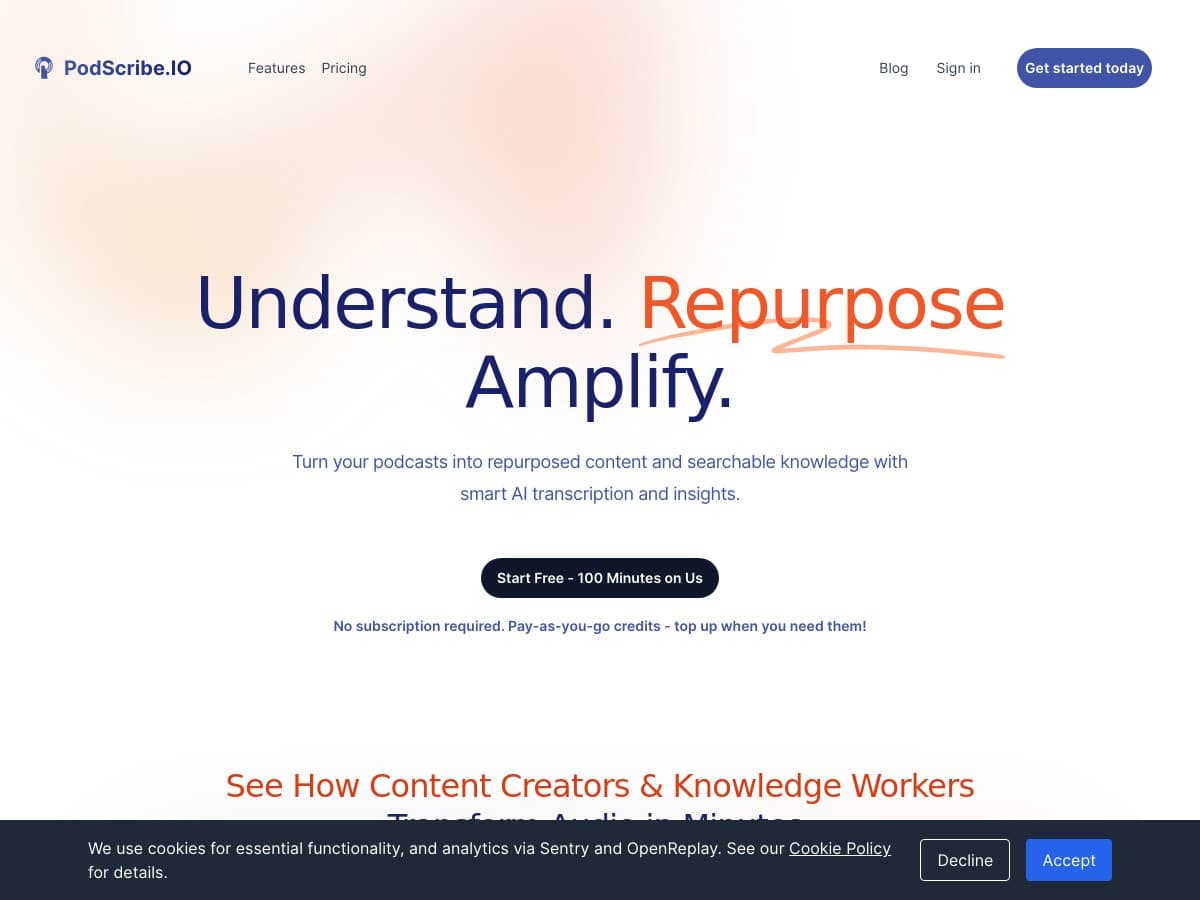
Podcasting has gained immense popularity, making it crucial for creators to make their content accessible. Enter PodScribe.IO, a service that transforms your podcast audio into written text with impressive accuracy. With this review, I promise to guide you through its features, pros and cons, and pricing plans. Let’s preview how PodScribe.IO can enhance your podcasting experience!
PodScribe.IO Review
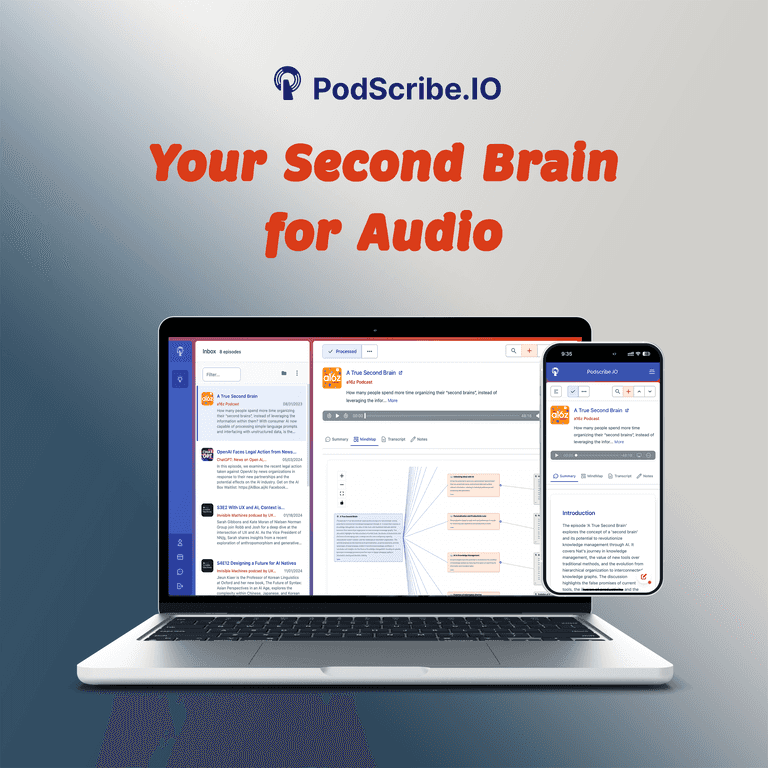
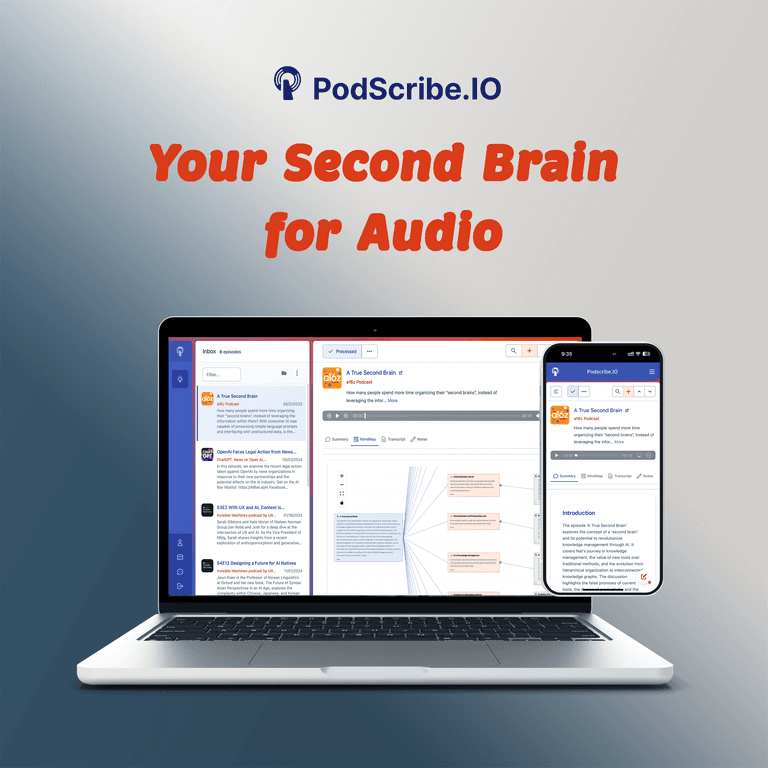
PodScribe.IO offers a powerful solution for podcasters looking to expand their reach through accessible content. By converting audio into text, PodScribe.IO not only makes your episodes more searchable but also engages a wider audience. Imagine your listeners being able to find exactly what they are looking for in your episodes, thanks to the accurate transcripts.
The platform’s user-friendly interface makes it easy for podcasters of all skill levels to navigate their features. Whether you’re a seasoned podcaster or just starting, PodScribe.IO provides the tools you need to optimize your content. From audio analysis to export options, the service positions itself as a well-rounded asset for podcast creators.
Key Features
- Accurate transcription converting audio to text effortlessly.
- Searchable transcripts that allow quick content navigation.
- Audio analysis offering insights on podcast performance.
- Multiple export options for easy sharing across various platforms.
- User-friendly interface for a seamless experience.
Pros and Cons
Pros
- High accuracy in transcription.
- Powerful search capabilities and insightful analytics.
- Enhances content accessibility and audience engagement.
- Streamlines repurposing of podcast content into other formats.
Cons
- Limited personalization and customization options.
- Subscription or payment may be required for extensive usage.
- Users might face a learning curve depending on their tech skills.
Pricing Plans
For detailed pricing information, it’s best to visit the PodScribe website or contact their support team, as specific pricing plans were not outlined in theprovided information.
Wrap up
In conclusion, PodScribe.IO is an excellent tool for podcasters aiming to improve accessibility and engagement. With its accurate transcription and user-friendly interface, it truly elevates the podcasting experience. If you’re interested in taking your podcast to the next level, check out PodScribe.IO and see how it can benefit you!
Promote PodScribe.IO