LIFETIME DEAL — LIMITED TIME
Get Lifetime AccessLimited-time — price increases soon ⏳
AI Tools

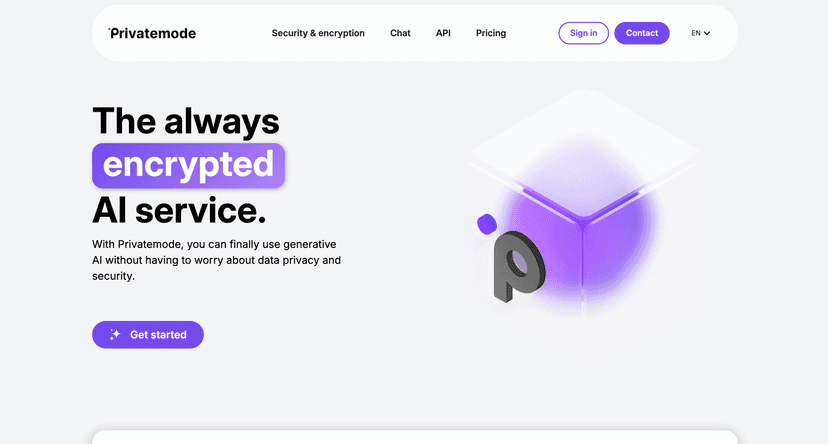
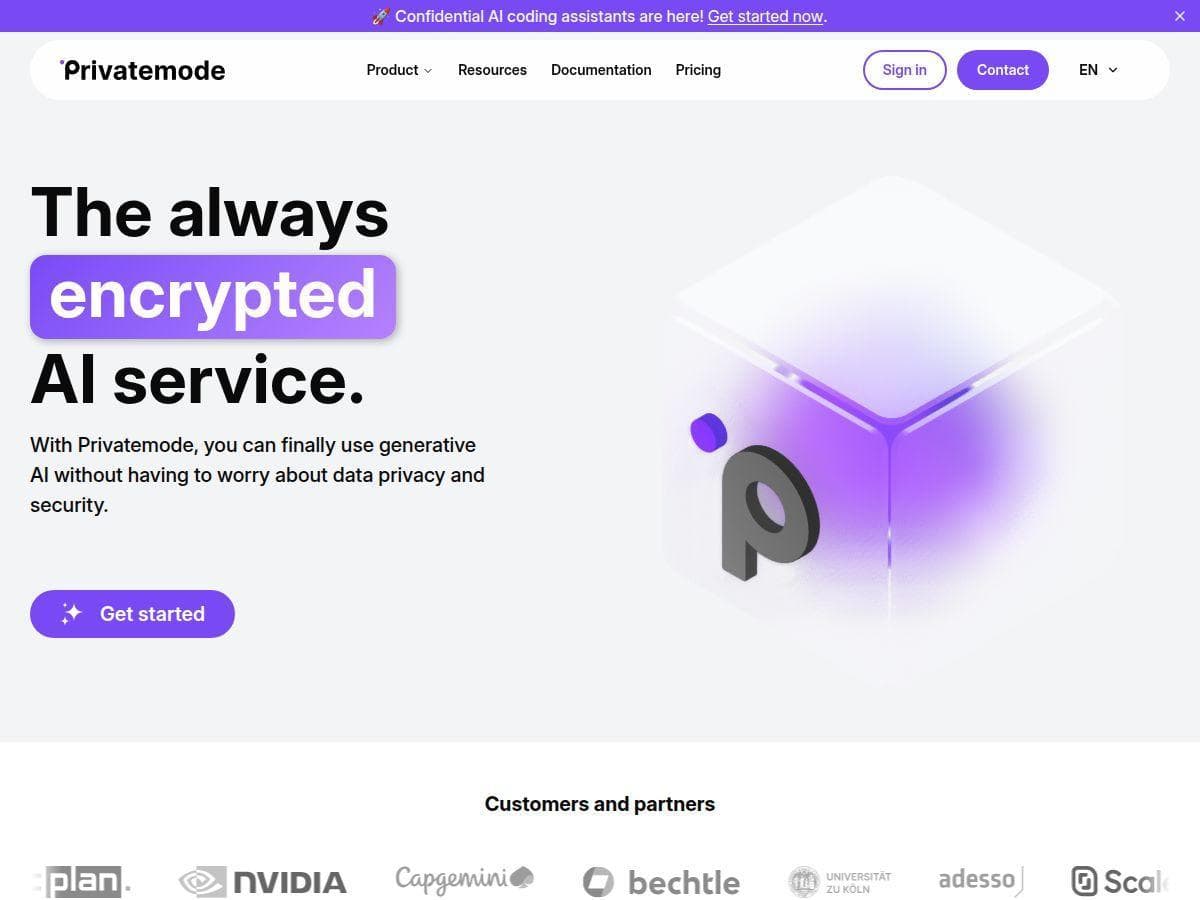
Privatemode AI Review – Privacy Meets Innovation

Updated: April 20, 2026
4 min read
#Ai tool#Security

Table of Contents

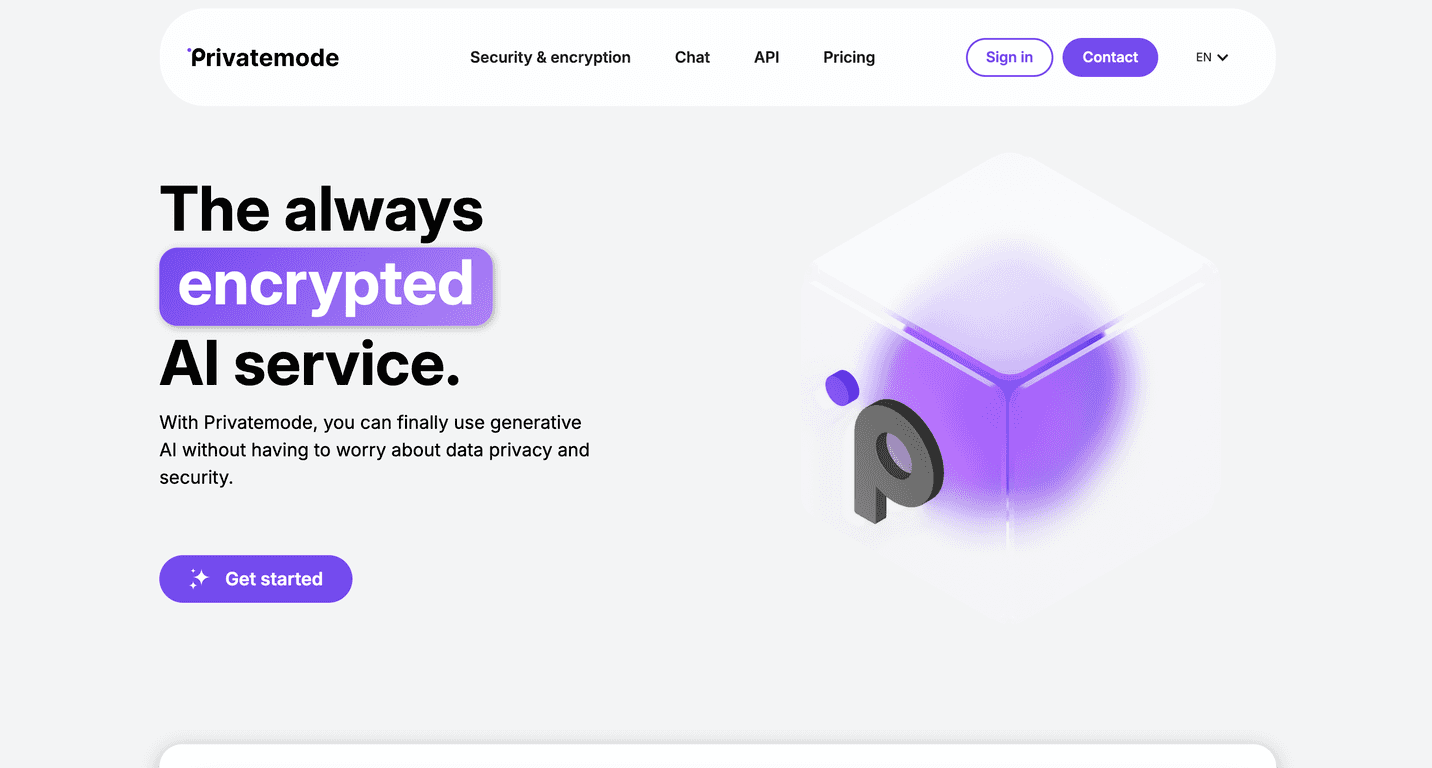
I’ve tested a bunch of “private AI” tools over the last year, and honestly, most of them sound great on paper but get vague fast when you ask what happens to your data during processing. That’s why I was interested in Privatemode AI. The pitch here is pretty clear: you get generative AI, but with privacy protections that aim to cover the whole lifecycle—transfer, storage, and even the “while it’s being processed” part.

In my experience, that last bit is the one people usually gloss over. Privatemode leans hard into Confidential Computing and a Zero-Trust approach, which is exactly the direction I want to see if you’re handling sensitive prompts (client info, HR stuff, legal drafts, medical-adjacent content, etc.).

Privatemode Ai

Table of Contents

Privatemode AI Review: privacy you can actually point to

Privatemode AI is built for people who don’t just want “encryption” mentioned once in a marketing paragraph. The platform focuses on keeping user data confidential—even during processing—using Confidential Computing and Zero-Trust Architecture.

When I used the app, the workflow felt pretty straightforward: you type a prompt, run it, and get an answer without having to think too hard about the security layer. That matters, because if a privacy tool is too complicated, people end up using it inconsistently. I’d rather have a system that’s simple enough that I’ll actually keep using it.

And if you’re a developer, there’s also an API option. That’s important if you’re embedding AI into internal tools where you can’t just paste everything into a public chatbot and hope for the best.

Key Features I looked for (and why they matter)

  1. End-to-End Encryption protects data during transfer, storage, and processing.
  2. Confidential Computing aims to safeguard data even while it’s being processed (this is the big one people usually skip).
  3. Zero-Trust Architecture is designed so access isn’t automatically trusted just because it’s “inside the network.”
  4. Attestation uses cryptographic certificates to verify the service integrity—basically, you’re not just trusting a server blindly.
  5. User-friendly app + API so individuals can use it easily, while teams can integrate it into applications.
  6. Multiple AI models while still maintaining the security approach.

One thing I like: the features aren’t just generic buzzwords. They map to specific technical concepts you can ask about in a security review.

Pros and Cons from a real-world user perspective

Pros

  • Security focus is the whole point. If privacy is your priority, Privatemode is clearly built around that rather than treating it like an afterthought.
  • Confidential Computing is a meaningful differentiator. It addresses the “processing” gap that many tools ignore.
  • Attestation sounds practical for teams. If you’re doing due diligence, having integrity verification helps with internal approvals.
  • Two paths: app for individuals, API for developers. That flexibility is useful if you’re testing personally and then rolling it out for a team.

Cons

  • You’ll need to download/use an application. For some people, that’s a deal-breaker—especially if you just want a quick browser-based tool.
  • Model selection may feel limited. I didn’t see the “everything under the sun” approach you get with some more mainstream platforms. If you need a very specific model, double-check availability first.
  • It’s most compelling for privacy-heavy use cases. If your prompts are mostly casual (news summaries, memes, random brainstorming), you might not feel the value as much.

Pricing Plans (check the latest before you commit)

Pricing can change, and I don’t want to guess. For detailed pricing, users should check the Privatemode pricing page directly.

If you’re comparing plans, I’d pay attention to things like:

  • How many requests you get per month (and whether there are throttles)
  • Whether specific models are included on every tier
  • Any limits that affect longer outputs (summaries, drafts, structured JSON responses)
  • API costs if you’re integrating into an app or workflow

Wrap up

Privatemode AI feels like the kind of tool I’d trust more for sensitive work—because the security features aren’t just window dressing. Between encryption, Confidential Computing, and Zero-Trust-style access assumptions, it’s built to address the parts of AI privacy that usually get ignored.

If you’re serious about data confidentiality (or you’re building something for clients and need stronger guarantees), Privatemode AI is worth a look. If you just want the cheapest, fastest chatbot experience, you may find it a bit more “focused” than you need—but for privacy-first users, that’s exactly the point.

Stefan

Stefan

Stefan is the founder of Automateed. A content creator at heart, swimming through SAAS waters, and trying to make new AI apps available to fellow entrepreneurs.

Related Posts

Figure 1

Strategic PPC Management in the Age of Automation: Integrating AI-Driven Optimisation with Human Expertise to Maximise Return on Ad Spend

Title: Human Intelligence and AI Working in Tandem for Smarter PPCDescription: A digital illustration of a human head in side profile,

Stefan
AWS adds OpenAI agents—indies should care now

AWS adds OpenAI agents—indies should care now

AWS is rolling out OpenAI model and agent services on AWS. Indie authors using AI workflows for writing, marketing, and production need to reassess tooling.

Jordan Reese
experts publishers featured image

Experts Publishers: Best SEO Strategies & Industry Trends 2026

Discover the top experts publishers in 2026, their best practices, industry trends, and how to leverage expert services for successful book publishing and SEO.

Stefan

Create Your AI Book in 10 Minutes