Table of Contents
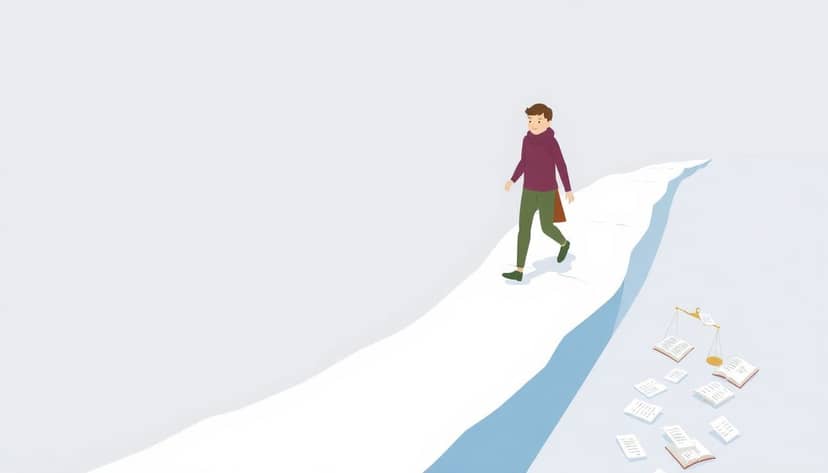
We all know publishing can feel like walking on thin ice—one wrong step, and things can get messy fast. Whether it’s accidental plagiarism, bias from editors, or just plain old carelessness, it’s easy to trip up on ethical issues.
But hey, relax—you’re not alone, and that’s exactly why we’re having this little chat. Keep reading, and you’ll learn straightforward steps that’ll keep your publishing journey smooth, trustworthy, and drama-free.
Ready to dodge common pitfalls and level up your publishing ethics? Let’s get started!
Key Takeaways
- Clearly disclose all sources and contributors to your content to maintain transparency, originality, and prevent plagiarism.
- Always follow publisher guidelines closely, including authorship requirements, conflict-of-interest disclosures, and research records.
- Editors should review impartially, disclose conflicts promptly, and consider double-blind reviews to avoid bias.
- Publishers need robust fact-checking processes and clear protocols for corrections to ensure accuracy.
- Avoid common pitfalls by verifying contributor roles, avoiding duplicate publishing, and detecting plagiarism or image manipulation using dedicated tools.
- Continuous ethics training for authors and editorial teams reinforces responsible publishing, helping adapt to new challenges and changes over time.
Step 1: Understand What Publishing Ethics Means
First off, what exactly does “publishing ethics” mean?
Basically, publishing ethics covers the standards and best practices for publishing content responsibly, transparently, and fairly.
A big part of this is transparency and disclosure, meaning you need to clearly communicate all important details about your content to readers.
For example, if you’re using research you did several years ago or that someone else completed, you must clearly indicate the original source to prevent any confusion (or angry emails!).
Another key element is plagiarism and originality, emphasizing the importance of creating unique content or properly crediting other authors.
If you’re curious to know more about originality in publishing, check out this helpful advice on how to write a dystopian story that truly stands out.
Next up is protecting confidentiality and privacy, meaning being careful with sensitive or personal information involved in your content.
Let’s say you interviewed experts or used volunteers for your research—always protect their anonymity if necessary, and make sure personal details remain private unless explicit permission is given.
Lastly, fairness and avoiding bias play a huge role; nobody likes to read work that’s clearly one-sided or influenced by conflicts of interest.
Your readers trust you to present information impartially, so always consider how your personal view or circumstances might influence your writing.
Step 2: Follow Author Guidelines for Ethical Publishing
Now that you understand publishing ethics, let’s talk about author guidelines. Ever wondered why publishers have those long guideline documents?
They’re there to make everyone’s lives easier by clearly laying out expectations about originality, conflict of interest disclosures, and responsible authorship.
First rule: always read guidelines carefully before you submit. Most journals or publishers—like Wiley or Taylor & Francis—will offer detailed publishing ethics guidance on their websites.
If the guidelines request that you disclose any personal or financial interests related to your research or writing project, don’t skip over that!
Also, pay attention to authorship requirements.
When writing collaboratively, clearly define who qualifies as an author; usually, authors should contribute significantly to research or writing—simply proofreading someone’s work isn’t enough.
And a quick tip: keep detailed records of your research methodology in case editors need clarification or verification later on—it can be a lifesaver.
If you’d rather skip traditional publishers altogether, you’ll find valuable tips here about how to get a book published without an agent, ethically and independently.
Step 3: Ensure Editors Maintain Fairness and Independence
If you’re editing your own content or editorially reviewing someone else’s, fairness and independence are key.
Editors play a huge role in maintaining trust and credibility in publishing, so they should always judge submissions purely on content quality and relevance—not personal relationships or affiliations with authors.
A quick practical tip for editors: if you find yourself personally connected to an author or project under review, always disclose this conflict transparently and consider handing it over to another editor.
Another good practice is double-blind peer reviewing, where the identities of both authors and reviewers are hidden, ensuring evaluations remain unbiased.
It’s also beneficial to provide ongoing ethics training for editors, keeping them up-to-date with evolving guidelines on peer review and editorial independence.
The Committee on Publication Ethics (COPE), a leading global authority in this area, offers extensive resources and advice, now guiding over 14,000 members in 97 countries for more than 27 years.
These resources are particularly useful given that ethical standards continue evolving rapidly, especially with increased transparency in peer reviews and the rise of preprints.
With these practices, you can confidently maintain fairness in editorial work—and build a reputation readers and authors can trust.
Step 4: Publishers Must Protect the Accuracy of Published Work
When putting content out into the world, accuracy isn’t just a nice bonus—it’s essential for keeping readers’ trust.
So, how do you make sure everything you publish is accurate?
First, implement a solid fact-checking process, especially for data-intensive or scientific articles.
If you’ve ever wondered why major publications never mess up their numbers, it’s usually because they have dedicated team members (or partners) double-checking every cited statistic.
For smaller teams without dedicated checkers, tap tools like fact-check plugins or browser extensions—these make spotting errors a breeze.
Also, always verify sources when authors submit their work; ask for original research papers, datasets, or references if something seems fishy.
Another useful practice is maintaining a clear corrections policy—clearly outline what happens when an error is found, and how quickly corrections are made.
This kind of transparency helps your readers know you’re committed to accuracy and responsive when an honest mistake slips through.
Step 5: Identify and Prevent Common Publishing Mistakes
Wondering what publishing pitfalls you need to watch out for?
Some common mistakes can seriously hurt your credibility, so spotting them ahead of time really helps.
For starters, always double check author affiliations and funding sources—missing these can lead to nasty surprises and suspected conflicts of interest down the road.
Speaking of authors, another good habit is making sure all contributors qualify properly, not just someone who proofread the manuscript and now wants their name attached.
Keep clear records of everything—emails, author submissions, edits—since carefully organized files can be lifesavers when solving disputes.
Another key point is being cautious with republishing previously published work—this can be considered duplicate publishing, which is a huge no-no in academia.
And don’t forget plagiarism—accidental or not, this can trigger huge headaches; using good plagiarism detection software makes spotting copy-paste issues smooth and painless.
Finally, keep an eye out for image manipulations—altered data or forged figures can sneak into submissions, especially with today’s advanced editing software.
Step 6: Use Reliable Tools to Check for Ethical Issues
We’ve talked about plagiarism and image manipulations, right?
The good news is, there are excellent digital tools available to automate some parts of your ethical checks.
For plagiarism checking, use proven options like Turnitin or Copyscape—their databases can quickly catch any copied content.
Additionally, tools like Grammarly offer built-in plagiarism detection as part of their proofreading process.
When it comes to images and figures, software like ImageJ can help identify inconsistencies or manipulations that might go unnoticed by the human eye.
As AI gains traction in publishing, check guidelines for ethical AI usage in content creation—organizations like COPE have begun discussions on establishing best practices in this area.
Finally, remember to regularly test and update your chosen tools, ensuring they’re catching the most current ethical concerns.
Step 7: Provide Ongoing Ethics Training for Authors and Editors
Want a tricky but powerful secret for maintaining ethical standards?
Continuous training can make all the difference.
Your authors and editors need ongoing reminders and guidelines because best practices continually evolve, especially with newer trends like preprint publishing or AI-assisted research.
Luckily, global organizations like the Committee on Publication Ethics (COPE) offer updated resources and training materials for authors, editors, and publishers alike.
Consider holding regular webinars, workshops, or informal sessions to keep everyone updated on ethics in publishing.
Include real-world examples of ethical slip-ups (without pointing fingers!), explaining how they could’ve been avoided.
When contributors feel well-informed, they’re far less likely to make mistakes—making it essential to foster an ongoing discussion culture around ethical awareness and accountability.
Want to ensure your publishing journey stays smooth? Check out some practical advice on how to get your book published independently and ethically, even without an agent involved.
FAQs
Publishing ethics involves standards and responsibilities that authors, editors, and publishers follow to guarantee truthful, fair, and transparent publication processes. This includes avoiding plagiarism, stating conflicts of interest, producing accurate data, and respecting confidentiality of participants.
Authors should strictly follow publisher guidelines, disclose conflicts of interest, confirm the authenticity of submitted work, and obtain necessary permissions. Proper citation practices and understanding copyright rules further maintain high ethical standards in publications.
Reliable tools like plagiarism-checking software, image authenticity verifiers, citation management tools, and conflict-of-interest disclosure forms support publishers and authors in identifying potential ethical issues and keeping publications credible, transparent, and error-free.
Regular ethical training for editors helps prevent bias, improves fairness during peer review, reduces publishing errors, and ensures consistency in handling concerns, misconduct allegations, retractions, or corrections, keeping the publishing process trustworthy and accountable.