Table of Contents
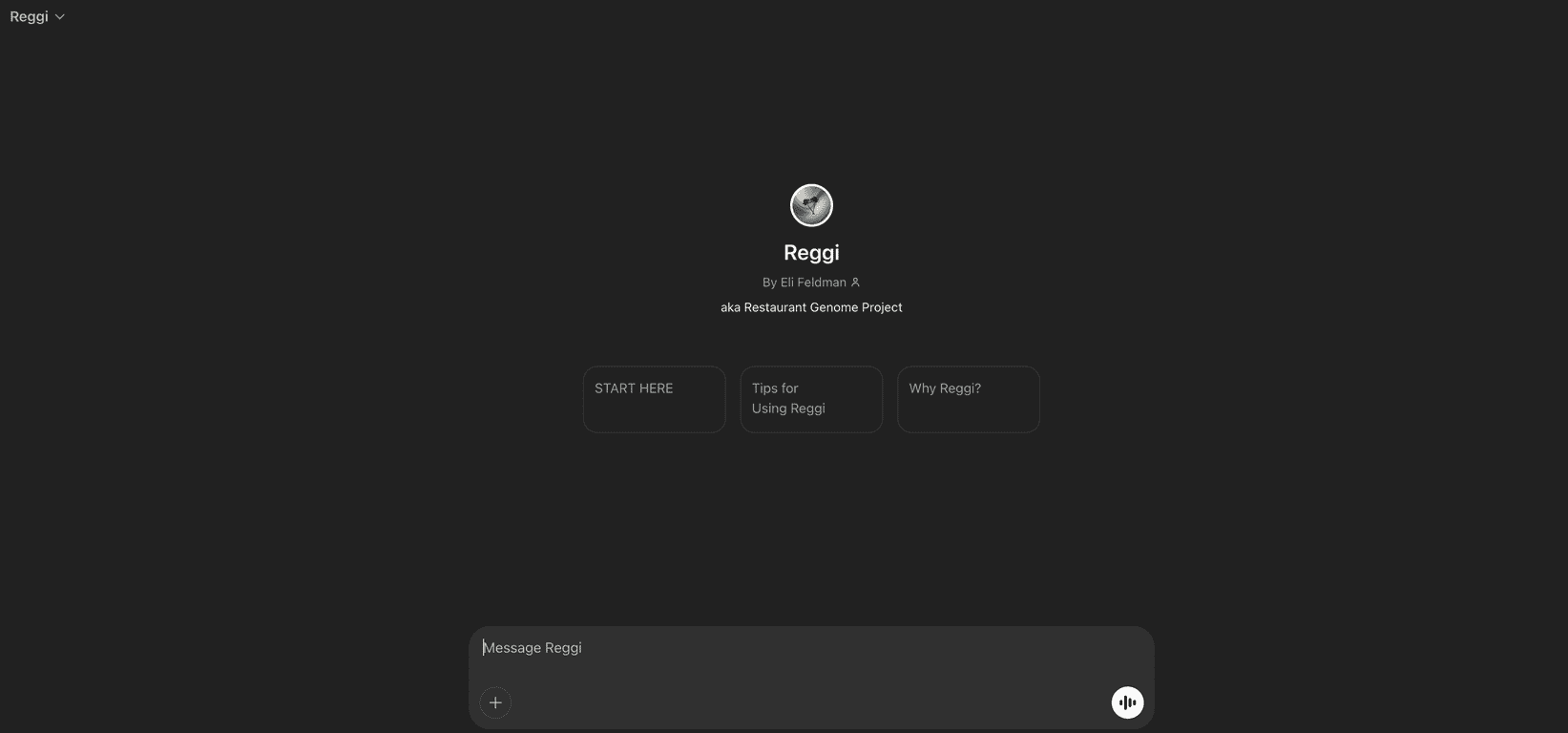
Running a restaurant is already a full-time job—between staffing, inventory, reservations, and making sure guests don’t have to wait forever, there isn’t a lot of room left for “figuring it out.” That’s why I wanted to see what Reggi (also called the Restaurant Genome Project) actually does in real life.
In my experience, the best AI tools for restaurants don’t just sound smart—they help you make decisions faster, improve guest experience, and reduce the amount of guesswork staff has to do during busy shifts. Reggi aims at exactly that: smoother service, better personalization, and clearer insights for owners and managers.

Reggi Review: What It Actually Helps With
Reggi is positioned as an AI tool built for restaurants, and the “Restaurant Genome Project” branding makes it sound bigger than it is. Still, the core idea is pretty practical: use AI to understand what’s happening with your guests and your operations, then turn that into recommendations and insights you can act on.
Here are the areas I paid attention to:
- Personalization: Not the gimmicky kind. The useful kind—helping staff guide guests toward options they’re likely to enjoy (and helping the restaurant promote the right items at the right time).
- Decision-making: Instead of relying on “I think people like X,” you get data-driven signals about customer trends and performance.
- Support inside the workflow: The chat functionality is meant to give quick answers when staff (or managers) need help without hunting through docs.
One thing I like about Reggi’s approach is that it’s not only about marketing. It’s also trying to support day-to-day restaurant operations—things that usually get ignored until something goes wrong.
Key Features of Reggi (and How They Show Up)
Let’s break down the main features. I’ll also tell you what I’d expect to notice if you’re using Reggi week-to-week.
1) AI-powered recommendations for guest experience
The headline feature is Reggi’s recommendations. From what’s described, it analyzes user behavior and preferences to suggest tailored options. In a restaurant context, that can mean:
- More relevant upsells (like suggesting a side or drink that matches what someone already ordered)
- Better menu guidance during peak hours (less “uhh, I’m not sure” from staff)
- Guest experience that feels more “known” without being creepy
What I’d look for in practice: does it help staff move conversations forward faster? If a recommendation only works sometimes—or feels off-brand—it won’t get used. The best tools earn trust quickly.
2) Data analysis tools for trends and performance
Reggi also focuses on insights into dining trends and restaurant performance. This is where restaurant owners and managers usually care most, because it’s tied to revenue and efficiency.
Examples of the kinds of questions these tools should help answer:
- Which menu items spike on weekends vs. weekdays?
- Are certain items consistently paired together?
- What’s driving repeat visits (or low engagement)?
- Where are you losing customers—speed, variety, pricing perception, something else?
Even if you don’t have time to analyze everything, having clearer signals beats guessing. And honestly, most restaurants don’t need more dashboards—they need fewer, smarter decisions.
3) User-friendly interface for daily use
Reggi’s interface is described as easy to navigate, and that matters more than people think. If your staff has to fight the UI during lunch rush, the tool won’t survive.
In my experience, “user-friendly” should mean:
- Quick access to what you need (not 10 clicks deep)
- Clear outputs that don’t require training just to interpret
- Simple ways to act on recommendations
4) Chat functionality for real-time support
The chat feature is positioned as real-time support—basically, help when you need it. That’s especially useful for staff who are new, covering shifts, or dealing with customer questions on the fly.
Just keep expectations realistic: chat tools are great for quick guidance, but they shouldn’t replace your staff’s product knowledge. Use it to reduce friction, not to “automate” everything.
Pros and Cons (My Honest Take)
Pros
- Built for restaurants, not generic business use: The focus stays on guest experience and operational insights.
- Personalization that can actually help upsell: When recommendations match preferences, it feels natural—like good hospitality, not a script.
- Accessibility for different staff levels: If the interface is truly straightforward, you won’t need a tech team to get value.
- Chat support can reduce downtime: Instead of waiting for a manager, staff can get quick answers.
Cons
- Still newer and less widely known: That can be a double-edged sword—less community knowledge, fewer shared best practices.
- AI tools can have a learning curve: Even “easy” software takes a bit of onboarding. If you don’t introduce it properly, people won’t trust it.
- Results depend on implementation: If your menu data, customer inputs, or usage habits are messy, the recommendations won’t magically fix everything.
Pricing Plans: What I Found
Reggi offers a free sign-up, which is a solid way to get your feet wet and see if the workflow fits your restaurant. For exact details on premium features, I’d recommend checking their website directly or contacting their support team—pricing can change, and it’s not always fully listed in the places you’d expect.
If you’re evaluating it, I’d ask about a couple things before committing:
- What data sources are required? (So you know what you’ll need to provide internally.)
- How fast you can expect to see useful recommendations?
- Whether staff training is included and what onboarding looks like.
Wrap up
Reggi looks like one of those AI restaurant tools that’s aiming for real usefulness—personalization for guests, insights for owners, and support that can help staff during busy shifts. It’s not magic, though. You’ll still need good menu structure, consistent operations, and realistic expectations about what “AI recommendations” can do on day one.
If you want a platform that tries to connect customer experience with operational decisions (instead of treating them like separate worlds), Reggi is worth checking out. Start with the free sign-up, test it with your team, and see whether it actually saves time or improves outcomes—not just whether it sounds impressive.
Promote Reggi