Table of Contents
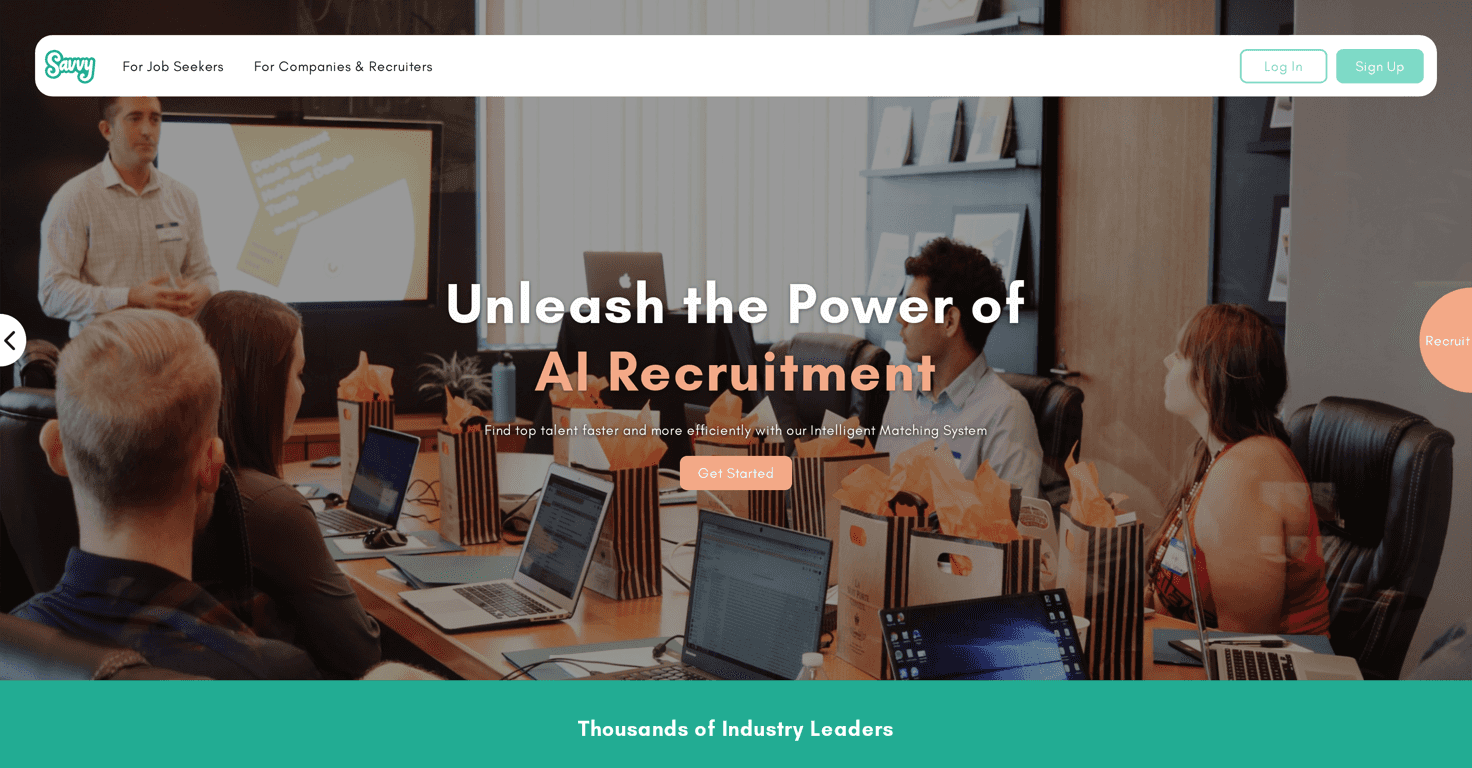
Job searching and hiring both have this annoying habit of turning into busywork. You scroll. You skim. You miss good people because you’re drowning in resumes. That’s exactly why I was curious about Savvy—it’s a recruitment platform built around AI matching and automation, aimed at helping recruiters and candidates connect faster.
In my experience, the real question isn’t “does it use AI?” It’s: does it actually help you make better decisions with less effort? Keep reading, because I’ll break down the features I’d actually use, what feels smooth, and where I think Savvy could trip people up.
Savvy Review
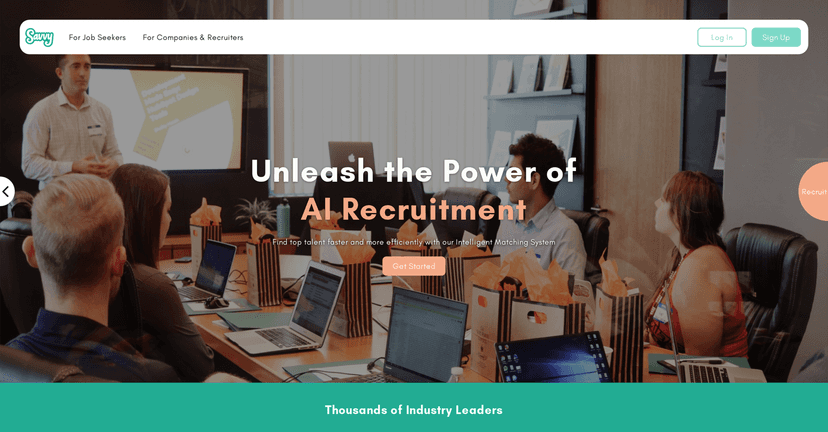
Savvy’s main promise is pretty straightforward: it uses an Intelligent Matching System to line up candidates and job openings based on things like skills and experience. It’s also built to reduce the “spreadsheet chaos” by putting recruiter tasks in one place—think resume screening, interview scheduling, and candidate management.
When I look at tools like this, I pay attention to the parts that usually waste time. For example, resume screening can easily become a repetitive grind: open resume, check keywords, compare experience, repeat. If Savvy’s automation genuinely cuts that down, that’s a win.
That said, I’m also skeptical of AI doing everything end-to-end. Why? Because hiring isn’t just a checklist of keywords. Sometimes the “unique” quality is hard to quantify—communication style, motivation, or a background that doesn’t perfectly match the job description. So I like Savvy best as a helper, not a final judge.
Overall, Savvy feels like it’s aiming at modern hiring needs: faster matching, less manual work, and a more structured process. Just make sure you still review top matches yourself and don’t blindly trust the ranking.
Key Features
- Intelligent Matching System analyzes candidates using skills, experience, and cultural fit. This is the core of the product—if the matches are good, everything else matters less.
- Automated Processes for resume screening and interview scheduling. In practice, this is where you’d notice time savings. Instead of manually coordinating calendars and sorting resumes, you’re working from a curated shortlist.
- Bias Reduction features that aim to minimize subconscious bias. I like that this is explicitly called out, because bias is a real issue in hiring. That said, no system is perfect, so you’ll still want consistent interview rubrics.
- Streamlined Workflow that keeps recruiting tasks in one platform. If you’ve ever had candidate notes in one tool and interview links in another, you already know how valuable this is.
- Diverse Talent Pool that helps recruiters reach a wider range of candidates. More signal, less “same network, same candidates.”
- Job Seeker Support so applicants can present their skills clearly. I’m always looking for tools that help candidates avoid getting filtered out just because their resume format isn’t perfect.
Pros and Cons
Pros
- Less time spent on repetitive tasks. Automation for screening and scheduling is exactly the kind of efficiency recruiters need when hiring volume increases.
- Better candidate visibility. Skill-focused showcases can help candidates get noticed faster, especially if they’re a strong match but don’t have the “right” resume layout.
- Bias reduction focus. Features aimed at reducing bias can make the process feel more consistent and fair—especially when paired with structured interviews.
- One platform for both sides. Having job seekers and recruiters working within the same system usually means fewer handoffs and fewer missed details.
Cons
- AI can miss the “human” parts. If a candidate has a non-linear career path or strengths that aren’t easily translated into keywords, they can get overlooked. This is where recruiter review matters most.
- Onboarding might feel a little rough for new users. Any platform that combines matching, screening, and scheduling has a learning curve. If you’re not used to structured pipelines, you’ll want to spend a bit of time setting things up right.
My honest take: Savvy looks best when you treat it like a strong first pass. You’ll still want to sanity-check the shortlist and make sure interviews are using a consistent rubric.
Pricing Plans
Pricing details for Savvy aren’t clearly listed in the content I reviewed, so I can’t give you an exact number here. What I would do is check the website directly and see if they offer a demo or trial.
If you’re evaluating for your team, I’d also ask about a few practical things before committing:
- How many job postings or candidates are included in a plan
- Whether interview scheduling automation is included
- How the matching system is configured (and whether you can adjust it)
- What support looks like during onboarding
That demo can be huge—because the “feel” of the interface and how quickly you can get from job post to shortlist is often the deciding factor.
Wrap up
Savvy is a recruitment platform that leans into AI matching and automation to make hiring move faster without losing structure. If you’re tired of manual resume screening and calendar juggling, it’s the kind of tool that could genuinely help.
Just don’t treat AI as the final authority. Use it to surface good candidates, then do what humans do best: evaluate context, ask better questions, and make the call with real insight. If that’s your approach, Savvy could be a solid partner in your hiring process.