Table of Contents
Selling books at events can be tricky—you want people to notice and actually take home your book, but standing there awkwardly isn’t usually the answer. Sometimes it feels like no matter what you do, sales just don’t happen as easily as you’d like.
But don’t worry, if you keep reading, I’ll share some simple steps that can make a big difference. With a few tried-and-true tips, you might turn those event chats into happy customers eager to read your work.
In the next parts, I’ll walk you through practical ways to get your books in front of more people and make your sales stand out.
Key Takeaways
Key Takeaways
- Make your display attractive and organized with clear signage, neat books, and eye-catching elements like banners or samples. A good setup draws people in and encourages browsing and buying.
- Smile, be friendly, and share personal stories about your books. Answer questions honestly and offer discounts or bundles to boost on-the-spot sales. Approachability turns visitors into buyers.
- Use mobile card readers and multiple payment options to make checkout quick and professional. Collect contact info for future marketing efforts, making sales smoother and more effective.
- Promote your books on social media before and during the event. Use hashtags, share behind-the-scenes content, and run contests to attract online attention and increase event foot traffic.
- Offer special deals like bundles, signed copies, or limited editions to create urgency. These incentives encourage immediate purchases and help grow your mailing list.
- Ask attendees for feedback to discover what they like or want next. Keep in touch afterward with emails or social media to turn casual readers into loyal fans.
- Focus on genres that sell well, like mystery, romance, or fantasy. Understanding market trends helps you tailor pitches and attract more buyers at your event.
- Review your sales after each event. Track what sold best and which tactics worked. Use this info to improve your approach for future shows and grow your sales over time.
- Follow up with new contacts after the event. Send thank-you messages, share links to your books, or offer exclusive deals. Consistent communication builds relationships and leads to more sales later.
Prioritize Preparation and Presentation
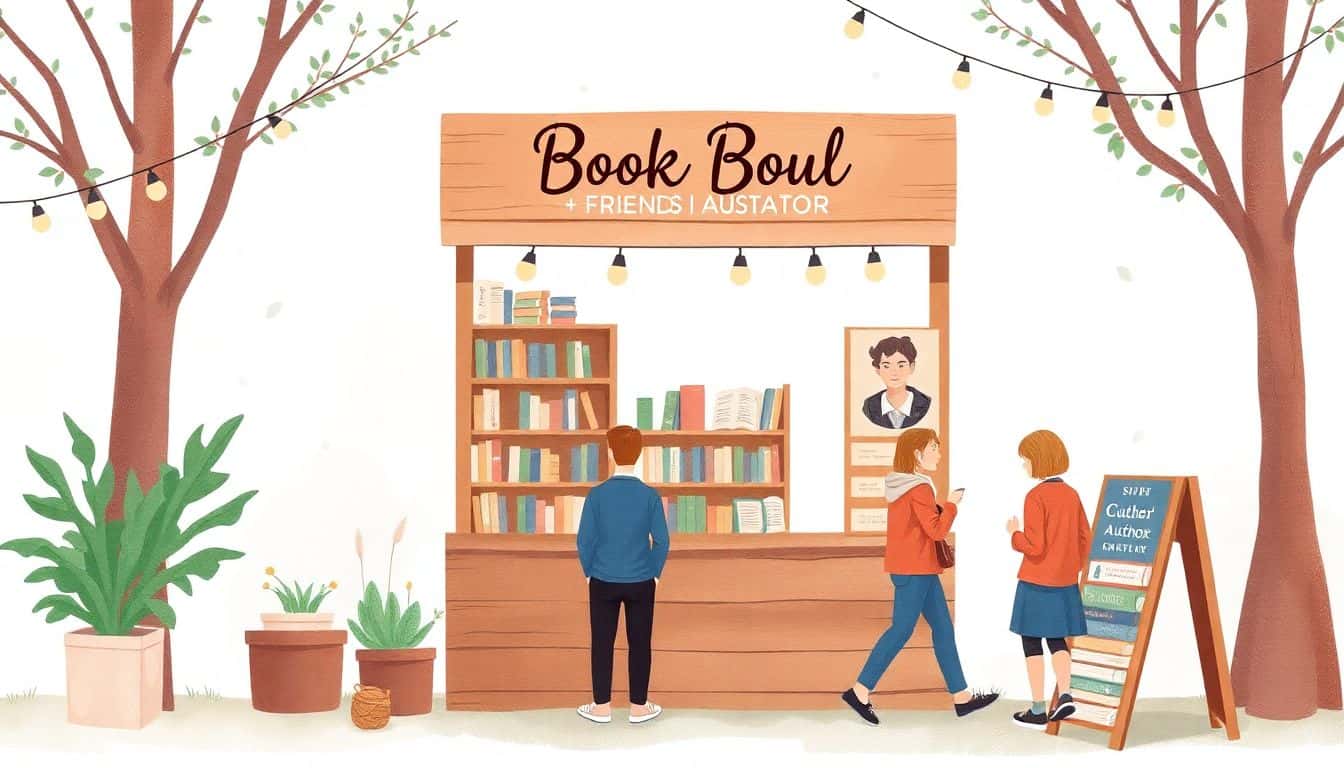
The most crucial step to selling books successfully at events is making sure your display and presentation are eye-catching and organized.
A cluttered table can turn potential buyers away, so invest in professional-looking signage and arrange your books neatly.
Consider grouping books by genre or theme to make browsing easier and more inviting.
Having a tablecloth in a bold color or with your branding can help your setup stand out.
Don’t forget to bring extras like bookmarks, posters, or samples — anything that can draw attention and spark conversations.
Remember, if your display looks inviting, people are more likely to stop, ask questions, and make a purchase.
Engage Attendees with a Friendly Approach
Once people take an interest, engage them naturally with a warm smile and genuine enthusiasm.
Share quick stories behind your books or what inspired you to write them — personal touches make a big difference.
Be ready to answer common questions about your writing process, your characters, or future projects.
Offer special event discounts or bundle deals to encourage purchasing on the spot.
Most importantly, listen actively — if someone mentions they love a certain genre, recommend a book from your collection.
A friendly, approachable attitude keeps visitors lingering and turns casual browsers into buyers.
Use Technology and Payment Tools Effectively
Make checkout smooth and easy by bringing reliable point-of-sale tools like mobile card readers or apps — apps like Square or Stripe are popular options.
Having multiple payment options, including credit cards, mobile payments, and even digital wallets like Apple Pay, can boost sales.
Display your prices clearly and have receipts available for larger transactions or special orders.
Set up a simple system to collect contact info for future marketing or signing up for your newsletter.
Using tech not only speeds up sales but also impresses your audience with a professional vibe.

Leverage the Power of Social Media and Community Engagement
Promoting your books through social media platforms can dramatically boost your visibility, especially when you target the right audiences.
Share updates, behind-the-scenes glimpses, and teasers about your upcoming events or new releases to keep followers interested.
Engage with local book groups, writing communities, and relevant hashtags to connect with potential buyers organically.
Create a dedicated event hashtag to encourage attendees to post about your books, which can generate buzz online.
Don’t be afraid to run small social media contests or giveaways during the event — these often lead to increased engagement and book sales.
Offer Unique Incentives and Limited-Time Deals
People love feeling like they’re grabbing a rare opportunity, so think about offering special deals only available during the event.
Bundle books together at a discount or include a freebie, like a signed bookmark or exclusive postcard.
Consider giving discounts for bulk purchases, especially for book clubs or educators buying multiple copies.
Highlight limited editions or exclusive signed copies to create a sense of urgency.
These tactics not only encourage immediate sales but also help build your mailing list for future promotions.
Collect Feedback and Build Connections
Use your event as a chance to listen to what readers are looking for — their feedback can guide your future writing projects.
Ask open-ended questions about what genres or stories resonate most with them or what they’d like to see next.
Take notes on common themes or preferences and share this info later to deepen your connection with your audience.
Offer to stay in touch via email newsletters or social media, turning casual visitors into loyal fans over time.
Personal connections matter — a friendly chat or signing session can turn a one-time buyer into a regular supporter of your work.
Capitalize on Market Trends and Genre Data
Knowing what genres are selling well can help you tailor your approach at events.
Fiction, especially in genres like mystery, romance, or fantasy, makes up a significant portion of sales — around 32% in the US alone.
With the global book market worth over $150 billion, there’s room for many niches, so focus on what your audience craves.
Fiction novels tend to resonate more at signings and genre-specific festivals, but don’t ignore the steady demand for educational and niche titles.
Keep an eye on trending topics or themes and align your pitches accordingly for maximum impact.
Track Your Sales and Analyze Results for Future Growth
After each event, review what sold best and which tactics worked—this helps you refine your strategy.
Use a simple spreadsheet or sales app to record which books moved fastest and how customers responded to your pitch.
Pay attention to which promotional techniques created the biggest buzz or resulted in quick sales.
Over time, this data-driven approach can help you decide where to focus your energy—whether that’s certain genres, pricing strategies, or promotional channels.
Remember, each event is a learning experience — the more you analyze, the better you’ll get at turning attendees into buyers next time.
Stay Consistent and Follow Up
Success at events doesn’t end when the day is over.
Follow up with new contacts, thanking them and sharing links to your online store or newsletter.
Consistency helps build your reputation and keeps your books top of mind.
Send out post-event emails or social media messages with a recap, some exclusive content, or special coupons.
This keeps your audience engaged and fosters opportunities for future sales, signings, or collaborations.
Remember, building relationships beats one-off sales every time — nurture your network and keep the conversation going.
FAQs
Promote your books beforehand and set up an inviting display. Engage visitors with a friendly attitude and share stories about your books to spark interest. Clear pricing and an easy payment process also encourage purchases.
Ensure books are clean, well-organized, and priced clearly. Bring enough copies of your popular titles and prepare promotional materials. Pack supplies like bookmarks or flyers to engage interested buyers effectively.
Use a reliable payment method like mobile POS or card readers to accept various payment options. Keep cash securely, provide receipts, and track sales to manage your inventory and earnings accurately.
Create an eye-catching display and offer personalized greetings. Share interesting facts or excerpts from your books to draw attention. Having a special promotion or signing event can also help attract visitors.