Table of Contents
Amazon Kindle Direct Publishing (KDP) has opened a world of opportunities for authors and content creators. This platform makes it easy for anyone to publish and sell a variety of content, reaching readers worldwide.
Our AI book generator is built for exactly this — turning your concept into a ready-to-publish book.
Whether you’re an aspiring novelist, an expert in a niche field, or a creative artist, KDP offers a platform to showcase your work. With its wide reach and user-friendly interface, it empowers creators to turn their passion into profit.
In this article, we’ll explore the different types of things to sell on Amazon KDP, highlighting the potential for both new and experienced authors. From novels to cookbooks, the possibilities are endless.
11 Things to Sell on Amazon KDP
Here are 11 things you can sell on Amazon KDP and make money, even if you don’t want to write them yourself.
1. Publish Novels and Fiction
Fiction is one of the top selling book categories on Amazon, and for good reason. Readers are always on the lookout for new stories, fresh characters, and imaginative worlds to dive into.
Whether it’s romance, mystery, science fiction, or fantasy, there’s a place for every genre on KDP.
The process of publishing fiction on KDP is straightforward.
First, you write your novel, ensuring it’s polished and ready for readers. Editing and cover design play a crucial role here – a well-edited book with an eye-catching cover stands a better chance of attracting readers.
Once your book is ready, you upload it to KDP, set your price, and within hours, it’s available to millions of readers worldwide.
KDP also offers tools like Kindle Unlimited and KDP Select, which can help increase your book’s visibility and earnings.
2. Create Non-Fiction Books

Non-fiction books offer opportunity for experts, educators, and enthusiasts to share their knowledge and insights with a wide audience.
Non-fiction books come in a range of interests and needs, which makes them a valuable addition to the KDP platform.
Whether you’re writing a how-to guide, a historical account, a self-help book, or a deep dive into a specific hobby or skill, there’s an audience for it.
Non-fiction books often appeal to readers seeking to learn something new, solve a problem, or gain insight into a particular subject. This creates a space for authors to bring valuable, well-researched content that can genuinely impact readers’ lives.
The process of creating a non-fiction book involves thorough research, a clear and engaging writing style, and a strong understanding of your target audience.
It’s important to present your information in a way that’s both accessible and compelling. Including real-life examples, case studies, or practical tips can make your book more relatable and useful.
By publishing non-fiction on KDP, you not only get to share your expertise but also establish yourself as an authority in your field.
These books can open doors to new professional opportunities and connections, making your investment in writing and publishing a worthwhile endeavor.
3. Design Children’s Books
Children’s books hold a unique place in the literary world, offering young readers their first experiences with literature and sparking lifelong love for reading.
Children’s books on KDP range from picture books for toddlers to chapter books for older kids.
The potential of this market lies in its diversity and the evergreen nature of children’s literature. Classic themes like friendship, adventure, and learning new concepts are always in demand.
Moreover, there’s a growing interest in books that teach diversity, empathy, and emotional intelligence, reflecting the values of modern society.
Creating a children’s book involves a mix of captivating storytelling and appealing visuals. The story should be engaging, easy to follow, and appropriate for the intended age group.
Illustrations play a crucial role, as they not only complement the text but also help in developing a child’s visual literacy.
For many young readers, these illustrations will be a major draw and can significantly impact the book’s appeal.
Publishing children’s books on KDP also offers the opportunity to reach a global audience. Parents and educators around the world are always on the lookout for new and enriching content for their children or students.
4. Develop Workbooks and Activity Books

These types of books, often categorized as medium content books, offer interactive and educational experiences for a different age groups and people of all sorts of interests.
Workbooks and activity books stand out because they’re not just about reading; they’re about doing.
Whether it’s for learning a new language, practicing math skills, or engaging in creative writing exercises, these books provide a hands-on approach to learning.
They’re especially popular among parents and educators looking for supplementary materials to support children’s education or for adults seeking self-improvement in certain areas.
The market for these medium content books is diverse. It includes educational workbooks for school subjects, adult coloring books for stress relief, puzzle books like crosswords or Sudoku, and even interactive journals.
The key to success in this market is understanding the needs of your target audience and creating content that is both engaging and beneficial.
Creating these books involves a thoughtful design process, as the layout, instructions, and activities need to be clear and user-friendly.
In the digital format offered by KDP, interactive features such as clickable elements can enhance the user experience.
Additionally, the demand for high-quality, engaging content in this category means that authors have the opportunity to innovate and create unique offerings that stand out in the market.
5. Produce Comics and Graphic Novels
This genre stands out for its rich blend of visual art and narrative, appealing to a wide range of readers, from young children to adults.
Comics and graphic novels on KDP can capture a diverse target audience.
Younger readers often gravitate towards brightly colored, action-packed stories, while teenagers and adults might seek out more complex narratives and sophisticated artwork.
This genre covers a wide spectrum, from superhero tales and fantasy adventures to profound autobiographical stories and intricate science fiction worlds.
The opportunity in visual storytelling through comics and graphic novels lies in the ability to communicate complex ideas and emotions through a combination of text and art.
The visual aspect of these books can break language barriers and appeal to non-native speakers or those with reading difficulties, making them accessible to a broader audience.
Creating a successful comic or graphic novel for KDP requires a keen understanding of both storytelling and visual composition. The artwork needs to be engaging and of high quality, as it plays a crucial role in attracting readers and keeping them hooked.
In addition, the narrative should be compelling and well-paced to ensure that the story unfolds seamlessly across the panels.
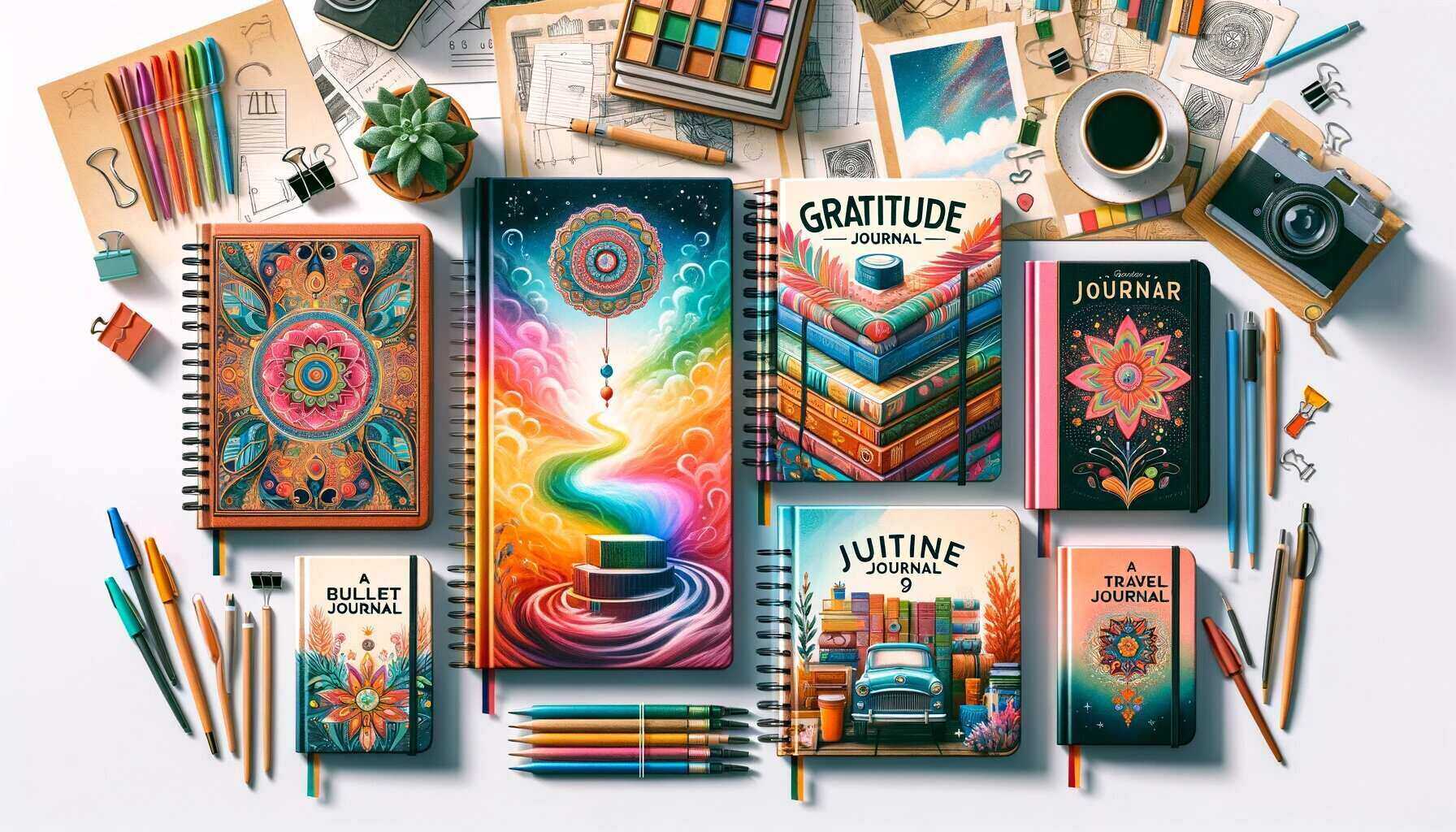
6. Create Journals and Planners

The appeal of personalized journals and planners lies in their versatility and the personal touch they bring. People use these books for a variety of purposes – from daily planning and tracking goals to jotting down thoughts and sketches.
This market has seen a surge in demand, especially for products that cater to specific interests, hobbies, or lifestyles.
Designing these low content books requires a balance between functionality and aesthetics. While the interior pages might be simple, consisting of lined, dotted, or blank pages, the cover design and overall theme can be tailored to different tastes and needs.
Themes can range from minimalist and professional to vibrant and artistic, catering to a wide audience.
When it comes to selling journals and planners on KDP, marketing plays a crucial role. Since the interior content is minimal, the emphasis should be on the design and purpose of the journal or planner.
Highlighting how your product can help with organization, productivity, or self-expression can attract potential buyers.
Additionally, creating a series of journals or planners with different themes or purposes can appeal to a broader range of customers.
7. Publish Poetry Collections
For contemporary poets, KDP offers a direct channel to reach a broader audience. Whether you write romantic sonnets, avant-garde free verse, or haikus, there’s a community of readers on Amazon eager to explore new poetic voices.
Publishing on KDP removes the traditional barriers that many poets face, allowing you to share your work with readers across the globe.
Moreover, KDP allows you to sell public domain poetry. This includes works by legendary poets whose writings have stood the test of time and are now freely available for republishing.
As a publisher, you can curate collections of these timeless pieces, thematically or by author, for example, and introduce them to a new generation of readers.
It’s important to ensure that the works are indeed in the public domain, which typically means they were published before 1924.
This approach doesn’t require writing the poems yourself but rather acting as a curator and editor. You can add value through commentary, biographical sketches of the poets, and thematic analysis that enhances the reading experience.
This way, you not only help preserve and disseminate classic literature but also provide context and understanding to contemporary readers.
8. Offer Recipe and Cookbooks
The demand for niche and specialized cookbooks is particularly strong, as more people seek out unique culinary experiences and specific dietary needs.
From vegan cooking and gluten-free diets to regional cuisines and gourmet techniques, there’s a demand for almost every type of culinary content.
Niche cookbooks often appeal to readers looking for specific recipes that align with their lifestyle, health requirements, or culinary interests.
The key to success in this market is to identify a niche that you are knowledgeable about and passionate about.
Whether it’s a family collection of Mediterranean recipes, a guide to quick and healthy meals for busy professionals, or a deep dive into artisanal bread making, your unique perspective can make your cookbook stand out.
In addition to great recipes, successful cookbooks on KDP often include high-quality images, clear and concise instructions, and personal stories or tips that enhance the reader’s experience.
Offering additional value, like meal planning advice, nutritional information, or pairing suggestions, can also make your cookbook more appealing.
9. Craft Photography and Art Books

These visually driven books offer a platform to showcase stunning imagery and your artistic expressions to a wide audience.
Photography and art books are all about the visuals. They can range from collections of landscape photography and fine art reproductions to thematic photo essays and contemporary art showcases.
The key is to create a book that not only displays the images but also tells a story or conveys a particular theme or emotion.
This can be particularly empowering for emerging artists and photographers looking to establish a name for themselves.
When creating these books, high-quality images are essential. They should be well-composed, high-resolution, and effectively convey the intended artistic message.
Including commentary or insights about the work can add depth to the book, giving readers a better understanding of the artistic process or the story behind the images.
Additionally, the layout and design of the book are crucial. It should complement and enhance the visual experience. This might involve playing with white space, choosing the right font for any text, and deciding how to sequence the images for the maximum impact.
10. Launch Self-Help and Motivational Books
The demand for self-improvement and motivational content has seen a significant rise, as more people seek guidance and inspiration to enhance various aspects of their lives.
The market for these books is broad and diverse, covering topics like personal development, mental health, productivity, relationships, and career growth.
These books attract readers who are looking to make positive changes in their lives, find motivation, and gain insights into overcoming personal challenges.
When creating a self-help or motivational book, it’s important to offer practical advice and real-world solutions.
Readers are often looking for strategies they can apply in their daily lives, so providing actionable steps, exercises, or thought-provoking questions can be very effective.
Your personal experiences, expertise, or research can greatly enhance the value of your book. Sharing your own journey or case studies of others who have successfully navigated life’s challenges can make your book more relatable and inspiring.
In terms of style, a conversational and empathetic tone often works well in self-help and motivational books.
This approach can help readers feel understood and supported, which is crucial in this genre.
Finally, remember that the market for self-help and motivational books is not just about selling a product; it’s about making a positive impact on people’s lives.
By offering genuine and thoughtful content, you can build a strong connection with your readers and establish yourself as a trusted voice in the self-help and motivational niche.
11. AI Automateed books

AI Automateed offers an innovative approach to book creation, providing a unique opportunity for authors and content creators.
Utilizing this advanced software, you can craft books with a single click, automating the writing and publishing process.
Books created through AI Automateed can be of various genres and styles. The software’s ability to generate content based on specific inputs like title, target audience, and style, opens up endless possibilities.
Whether you’re looking to publish fiction, non-fiction, or even niche-specific books, AI Automateed can help you in a really short time.
One of the key advantages of using AI Automateed is the speed and efficiency it brings to book creation. By automating the initial drafting process, it allows authors to focus more on refining and personalizing the content.
This is particularly beneficial for those looking to quickly expand their portfolio or test out new ideas in the market.
Another significant aspect of AI Automateed books is their uniqueness and originality. Despite being created by AI, the output is designed to be 100% original and tailored to your specifications.
This ensures that the books you create are not just unique pieces of work but also aligned with your creative vision.
It’s also worth mentioning the potential of AI Automateed in creating content like marketing materials or social media campaigns. This additional feature can be a game-changer for authors looking to promote their books effectively.
Conclusion
Exploring the various things to sell on Amazon KDP reveals a world of opportunities for writers and creators. From captivating novels to informative non-fiction, and innovative AI-generated books, the possibilities are vast and diverse.
As you consider your next publishing venture, remember that Amazon KDP is a platform that offers something for every type of author. Whether you’re a seasoned writer or just starting out, the platform provides the tools and audience to make your publishing dreams a reality.
FAQ
What types of books sell best on Amazon KDP?
On Amazon KDP, genres like romance, mystery, science fiction, and self-help are top sellers. Books on trending topics and niche subjects also perform well. Success depends on understanding market trends, quality of content, and effective marketing strategies.
Is selling on KDP profitable?
Selling on KDP can be profitable, particularly if you target popular genres and niches. Profitability hinges on factors like book quality, effective marketing, and regular publishing. Authors who build a strong catalog and engage with their audience tend to see better financial results.
What sells well on Amazon?
Amazon’s best-selling items include electronics, books, clothing, and home essentials. Products in these categories often have high demand and broad appeal. Success in selling on Amazon relies on understanding consumer needs, competitive pricing, and effective marketing.
Is selling low content books on Amazon worth it?
Selling low content books on Amazon, like journals and planners, can be worthwhile. They often have lower production costs and cater to a niche market. Success in this segment requires creative design, understanding market trends, and effective promotion.
How to sell on Amazon KDP for Beginners?
For beginners, start by researching the market to understand popular genres. Learn KDP’s publishing process, focus on creating high-quality content, and use Amazon’s marketing tools for visibility. Building a strong author profile and engaging with readers are also key steps for success.