Table of Contents
If you’ve ever tried promoting books on TikTok, you already know the problem: it’s not the effort—it’s the confusion. Trending sounds change fast, hashtags feel random, and every creator seems to have a “secret formula.”
What I’ve found works best is boring in the best way: keep your message clear, stay honest about what you liked (and didn’t), and build a repeatable video format you can film in batches. That’s how your TikTok book review campaigns stop feeling like a guessing game and start feeling like a system.
In my experience, the biggest difference isn’t the trend you use—it’s whether viewers immediately understand what the book is, why you’re recommending it, and what they’ll feel when they read it. So let’s make that easy.
Key Takeaways
- Use a repeatable review structure (hook → 1-sentence premise → what you loved → what to expect → CTA) so people “get it” instantly while they scroll.
- Post with honesty, not hype. I always include one specific positive detail and one realistic caution (pacing, tropes, content warnings, etc.).
- Storytelling beats generic summaries. Show a moment, quote a line, or describe the scene that hooked you.
- Discovery matters: use BookTok hashtags and relevant trending sounds, but don’t force them—match the vibe to the book genre.
- Influencer partnerships work best when the creator’s audience overlaps your genre and engagement is real (not just high follower counts).
- Track the metrics that actually predict performance: 3-second view rate, average watch time, re-watches, and profile/shop clicks.
- Plan around timing (holidays, release weeks, book festivals) and reuse formats as a “series” so viewers know what to expect.
- Use TikTok’s buying features (Shop/Product links) to reduce friction—make it easy to purchase right after someone’s convinced.
1. Focus on Making TikTok Book Review Campaigns Easy and Clear
The fastest way to lose people on TikTok is to make them work for the point. So don’t.
I like to think of every book review video as a mini “answer” to three questions:
- What is this book about?
- Why should I care right now?
- What do I get if I read it?
Here’s a simple posting template I’ve used (and kept using because it’s consistent):
- Hook (0–2 seconds): a bold opinion or specific promise. Example: “This book made me stop scrolling.”
- Premise (2–5 seconds): one sentence. Example: “It’s a cozy mystery set in a bakery town.”
- Personal reaction (5–15 seconds): what stood out. Example: “The pacing is fast, and the clues actually make sense.”
- What to expect (15–25 seconds): set expectations (tropes, vibe, tone). Example: “If you hate slow-burn romances, skip this one.”
- CTA (last 2–3 seconds): tell people exactly what to do. Example: “Comment ‘BAKERY’ and I’ll link it.”
Keep your visuals uncluttered. If you’re showing the book cover, don’t cover it with ten different text lines. One or two captions max—big and readable.
2. Use Simple and Honest Reviews to Build Trust
Authenticity isn’t a vibe. It’s a strategy.
On TikTok, people don’t need you to pretend you loved everything. They want to know whether the book matches their taste. So give them that.
What I do is include:
- One specific thing I liked (not “it was great”). Example: “The dialogue is sharp—no filler chapters.”
- One thing I didn’t love (again, specific). Example: “The first 20% is slow if you like instant action.”
- Who it’s for. Example: “If you like found-family vibes, you’ll probably be obsessed.”
Here are two example review lines you can literally reuse:
- “I wasn’t sure about this one, but the plot twist landed because the clues were actually fair.”
- “This is cozy, not intense—if you want nonstop action, you might get bored.”
That kind of honesty builds trust fast. And once people trust you, they’ll watch your next review without you having to “sell” it.
3. Create Content That Tells a Clear Story About the Book
People don’t just want plot summaries—they want a feeling. So think of your review as a story about your reading experience.
A good structure is: setup → moment → takeaway.
- Setup: “I picked this up because…”
- Moment: the scene/chapter that grabbed you. (No spoilers, just enough to spark interest.)
- Takeaway: what it made you think or how it changed your mood.
Example script (30–35 seconds):
- “I didn’t expect to love this, but the first time the character [X] happened, I was hooked.”
- “The writing is really visual—like you can see the setting.”
- “If you’re into [trope], you’ll love this. If you hate [common pet peeve], skip ahead.”
- “Okay, I’m done. Go grab it—link is in my profile.”
One practical tip: film the “moment” with b-roll. Even if it’s just you holding the book + pointing to the page, it breaks up the talking-head monotony.
4. Use Popular Hashtags and Sounds to Reach More Viewers
Hashtags still help with discovery, but only if they’re relevant. Don’t throw in random tags just because they’re trending.
I usually rotate between:
- Core tags: #BookTok, #BookReview, #ReadingCommunity
- Genre tags: #MysteryBooks, #RomanceBooks, #FantasyBooks (whatever fits)
- Format tags: #Bookstagram-ish (if you do aesthetic shots), #Unboxing (if you do that)
About sounds—this is where I’ve noticed creators either win big or waste the opportunity. Use trending audio when it matches the mood of the book.
What I’ve actually seen work: when I paired a light, upbeat sound with a cozy romance review, my “watch time” went up because people stayed to finish. When I used a hype sound for a dark literary thriller, comments got confused like “wait is this a comedy?”
So instead of chasing the biggest trend, chase the best fit.
5. Partner with BookTok Influencers Who Match Your Genre
Influencer marketing can work really well for books, but only if you pick the right creators.
Here’s my selection rubric (quick, but effective):
- Genre fit: they review books in the same lane (romance/mystery/fantasy, etc.).
- Engagement quality: look at comments. Are people actually talking about books?
- Consistency: do they post weekly or do they disappear for months?
- Audience overlap: check whether their viewers match your target readers (age range, region if it matters, content preferences).
When I outreach, I keep it short and specific. Here’s a sample DM you can copy:
Sample outreach message:
“Hi [Name]! I’m reaching out because I love how you review [genre]. I think your audience would genuinely enjoy my book, [Title]—it’s [1-line premise] with [2 specific hooks/tropes].
Would you be open to a paid review or gifted copy? I can offer: a copy + a $[amount] fee (or affiliate commission) + we’ll provide a short blurb + content notes. If you’re interested, I can send the link + schedule options for posting.”
Also: don’t skip compliance. If you’re paying or gifting, make sure the creator includes an #ad / #sponsored disclosure where required by their platform rules and your local laws. It keeps everyone safe—and it builds trust with the audience.
6. Engage the Audience with Interactive and Fun Content
Engagement isn’t just “nice.” It’s how videos get pushed further. And interaction is easier than you think.
Try questions that are easy to answer, not vague. Instead of “What do you think?” ask:
- “Team slow-burn or team instant chemistry?”
- “What trope do you want next: enemies-to-lovers or found family?”
- “Do you prefer audiobooks or physical copies?”
Fun challenge ideas that fit book reviews:
- “Finish the line”: you show a short non-spoiler quote and ask readers to guess the vibe (not the plot).
- “Would you read this?”: you rate it 1–5 and ask followers to choose their number.
- “Book matchmaker”: comment your favorite genre/trope and you recommend another book in a follow-up video.
One thing I noticed: replies to comments inside the first hour matter. If you can, respond quickly when your video is getting traction.
7. Make Eye-Catching Videos of Book Unboxings and Trailers
Unboxings and trailers aren’t just “pretty.” They’re attention hooks. People decide fast whether they’ll watch, so make the first 1–2 seconds count.
Here’s a simple shot list for a book unboxing/trailer hybrid:
- Shot 1: cover close-up (hold it steady, bright light).
- Shot 2: spine + page edges (quick, satisfying visuals).
- Shot 3: you reacting to the cover design (“Okay this is gorgeous”).
- Shot 4: quick premise overlay (one sentence, big text).
- Shot 5: one “moment” clip (page flip, bookmark, or you pointing to a highlight).
- Shot 6: CTA (link in bio / TikTok Shop tag).
Lighting matters more than fancy editing. I’d rather have a clean, well-lit shot than a heavily filtered one. Also, keep cuts frequent—TikTok rewards motion.
8. Track How Well Your Campaign Is Performing and Make Changes
Analytics can’t tell you everything, but it can tell you what to test next.
When I review performance, I focus on four metrics:
- 3-second view rate: did people stop scrolling?
- Average watch time / average percentage watched: did they stay?
- Re-watches: did your hook or audio make people replay?
- Profile visits + link clicks (or product clicks): did it lead to action?
Here are decision rules I actually use:
- If 3-second view rate is low: change the hook (make it more specific). Try “This character annoyed me…” instead of “I loved this book.”
- If watch time is low: shorten the premise and get to the reaction faster. Cut dead air.
- If watch time is good but clicks are low: improve the CTA. People need to know what to do and where to find it.
- If comments are high but views plateau: make a follow-up video answering the top questions from those comments.
Don’t change everything at once. Test one variable per round—hook, sound, or format—so you can tell what caused the improvement.
9. Plan Campaigns Around Seasonal Events and Book Festivals
Timing really does matter. But it’s not just “post on holidays.” It’s “post when people are already in the mood.”
Examples I’ve seen work:
- Halloween: horror, spooky fantasy, thriller “scariest scene” reviews.
- Valentine’s Day: romance tropes, “best kiss scene” (no spoilers), date-night reading lists.
- Back-to-school: YA reads, campus mystery vibes, productivity/reading challenge content.
- Major book festivals: “what I’m reading before the event” and “my favorite genre panel” style recaps.
Quick planning tip: build a small “repeatable series” for each season. For example: “3 books for [vibe]” or “1 book, 3 tropes” so you can post multiple times without starting from scratch.
10. Summarize Best Practices for Successful TikTok Book Review Campaigns
If you want a simple checklist, here it is:
- Clarity first: hook + premise + personal reaction + CTA.
- Honesty always: one thing you loved, one realistic caution.
- Story > summary: show the moment that made you care.
- Discovery tools: relevant #BookTok tags + genre-appropriate sounds.
- Smart partnerships: creators with real engagement and matching audiences.
- Track what matters: 3-second view rate, watch time, re-watches, and clicks.
- Timing + consistency: post regularly and align with seasonal buzz.
Do those things and your reviews won’t just “get views.” They’ll build an audience that actually wants your next recommendation.
11. Leverage TikTok’s E-commerce Features to Make Buying Easy
Views are cool. Sales are cooler. The trick is reducing the “wait” between someone being interested and someone buying.
What I recommend:
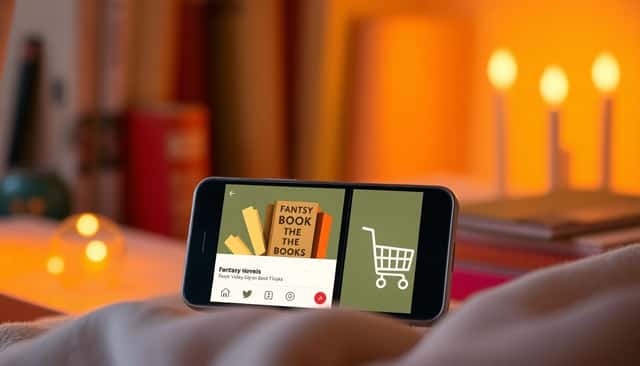
- Use TikTok’s Shop features (if available to you) or product links so viewers can tap without leaving the app.
- Tag the product in the video when you can. It’s one less step and it shows up at the exact moment interest peaks.
- Put the link clearly in your bio and say it out loud in the video: “It’s in my profile—tap the book cover.”
Example CTA that doesn’t feel pushy:
“If you want the vibe I described, I linked the book in my profile. Tap the cover and it’ll take you straight there.”
Also, don’t put your CTA too early. I’ve found it works best right after your strongest reaction line—when your opinion is fresh in their head.
12. Use Consistent Posting Schedule to Build Audience Trust
Consistency isn’t about posting nonstop. It’s about training your audience to expect you.
In my experience, a simple schedule like 2–3 posts per week is enough to build momentum without burning out. If you’re starting from zero, even 3 posts in 10 days can help you learn what your audience responds to.
Practical tip: batch your filming. I’ll film 6–10 videos in one sitting, then schedule them across the week. That way, you’re not scrambling for content when life happens.
And yes—timing matters. If your audience is mostly active evenings/weekends, use that. But don’t obsess. The bigger win is still clarity + honesty.
13. Incorporate User-generated Content to Build Community
User-generated content is basically social proof you didn’t have to manufacture.
I encourage it by making the prompt easy:
- “Duet my review and tell me if you’d read it.”
- “Stitch this with your current read.”
- “Comment your favorite trope and I’ll recommend something in a follow-up.”
When you repost or react to user videos, do it with intention. Add a quick response like “That’s exactly the trope I was talking about” or “I didn’t expect to like this either.” People can tell when you’re just reposting for reach.
One more thing: keep an eye on permissions and platform rules. If you’re using someone’s content in a way that requires consent, get it.
14. Experiment with Different Video Styles and Formats
Not every book review should look the same. Some readers want details. Others want vibes. So test formats until you find what your audience actually watches.
Here are formats worth trying:
- Quick takes (15–25 seconds): strong hook + one opinion + CTA.
- Scene reenactment: you act out a moment (no full spoilers).
- “Hot take” series: “Unpopular opinion about [genre] books.”
- Top 3 lists: “3 reasons you’ll like this thriller.”
- Reading vlog: you read for a few minutes + comment on the vibe.
Editing experiments that usually help:
- Use captions (most people watch with sound off).
- Try jump cuts every 1–2 seconds during the hook.
- Keep your text minimal and large.
If one format wins, don’t abandon it. Turn it into a series so people know what to expect.
15. Monitor TikTok Trends and Jump On Popular Challenges
Trends can help you get discovered, but you still need to connect the trend to the book.
I check trends weekly and save the ones that match my genre. Then I adapt them like this:
- Before/after reviews: “Before I read it vs after I finished it” (use the sound that supports that structure).
- Template reactions: use the meme format, then talk about the book’s tone.
- Challenge prompts: turn “guess the ending” into “guess the vibe” to avoid spoilers.
One rule of thumb: if the trend makes your book feel like a different genre, skip it. It’ll confuse viewers and hurt retention.
FAQs
Use simple language and a repeatable structure: hook, one-sentence premise, what you liked, what to expect, and a clear CTA. Keep visuals clean and use big captions so people get the point even with sound off.
Honest reviews earn trust. Viewers can tell when you’re overhyping, and they’re more likely to follow you (and buy) when your advice matches their tastes. One specific “I liked X” + one “here’s what might not be for everyone” goes a long way.
Turn your review into a reading moment: share why you picked it up, describe the scene/chapter that hooked you (without spoilers), and explain what you took away from it. Pair the story with simple b-roll like cover close-ups or page flipping to keep it visual.
Popular hashtags and relevant sounds increase discoverability, especially when they match your genre and the vibe of the video. The goal isn’t to use the biggest trend—it’s to help the right readers find your content.