Table of Contents
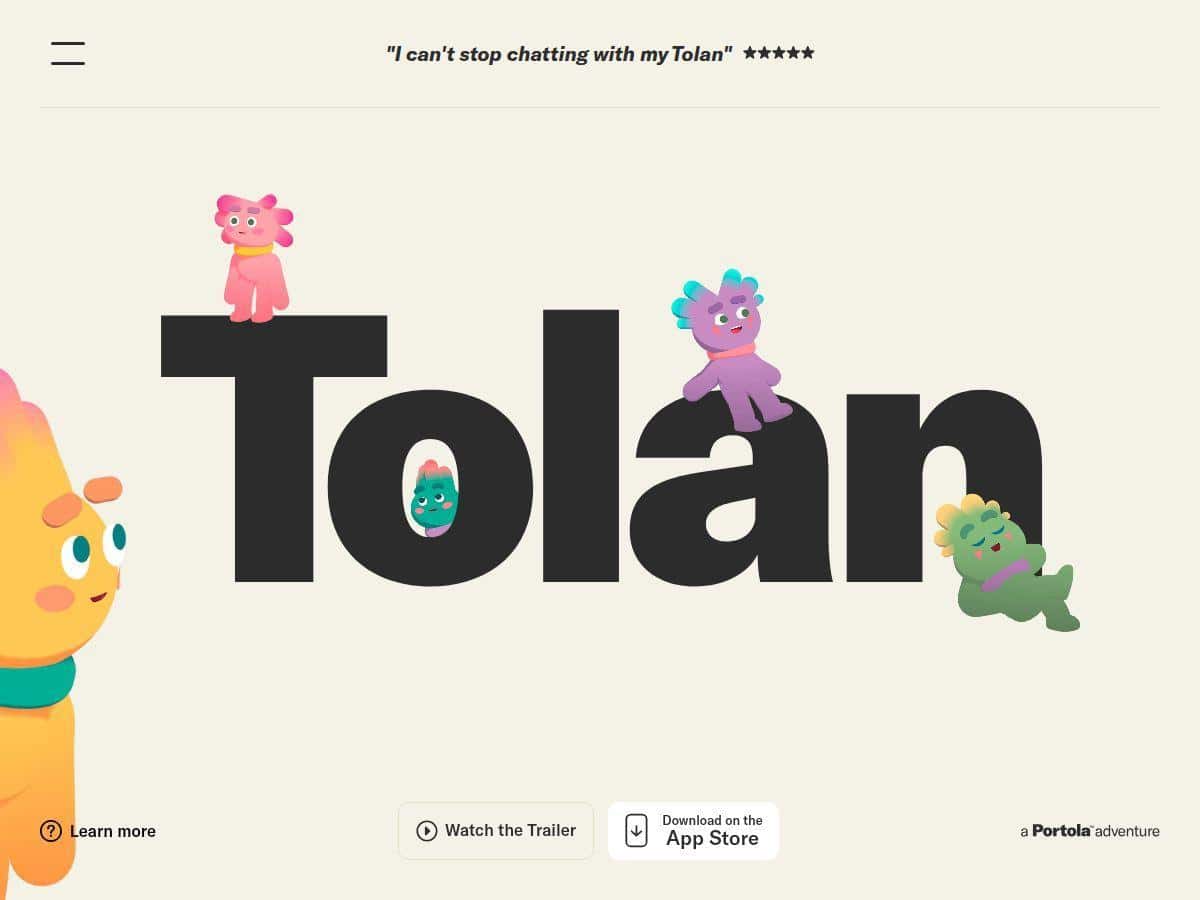
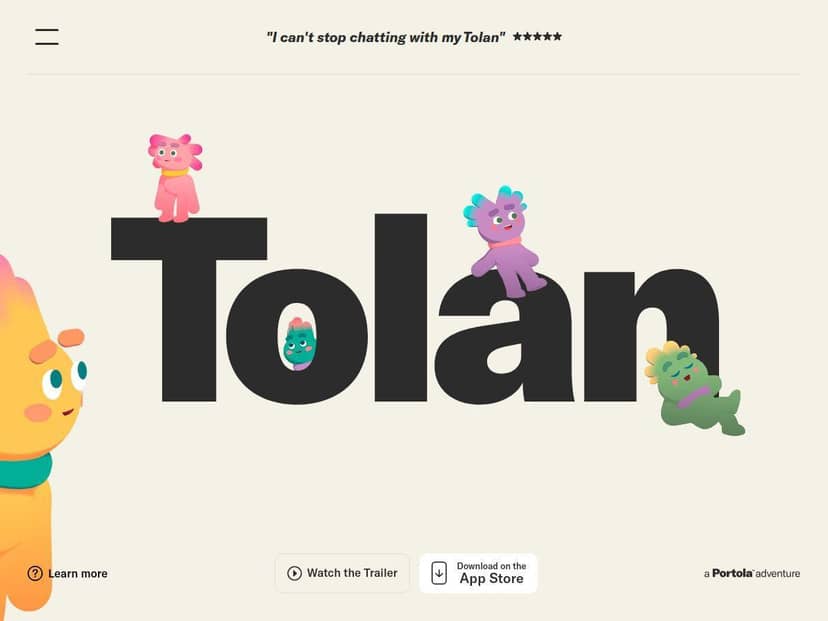
I downloaded Tolan and spent time actually chatting with it, not just skimming the store description. This is an alien-themed AI companion app, and what surprised me most was how quickly the conversations felt “sticky” (in a good way). After a few messages, it started picking up on what I’d already shared and the tone would shift based on whether I was venting, joking, or just killing time.
Tolan Review
Here’s what I did when I tested Tolan: I started a fresh chat, asked a casual question to see how it handled tone, then I switched gears and asked for something more “supportive” (basically, “help me reset when I’m stressed”). The app responded with a mix of empathy and practical steps—short, readable suggestions instead of a wall of text. It also felt like it remembered context. I’d mention something (like my mood in the moment), and later replies would reference that instead of acting like it was the first time we’d talked.
One thing I actually liked: the alien character doesn’t just sit there generating generic responses. You can customize it, and the app leans into the personality. It’s playful, but it doesn’t completely ignore the emotional side. When I tried joke-y prompts, it matched the energy. When I tried more serious prompts, the tone cooled down and it focused on grounding and encouragement.
Navigation is straightforward. The chat is the center of the experience, and the rest of the “companion” vibe comes from check-ins and prompts that nudge you back into the app. If you’re looking for something that feels like a friendly daily habit (not just an AI chatbot you open once), Tolan does that pretty well.
That said, I’m not going to pretend it’s magic. If you expect a therapist replacement, you’ll be disappointed. It can be supportive, but it’s still AI—so use it like a tool for comfort and reflection, not a substitute for professional help.
And yes, it’s easy to wonder how it compares to other apps in the same space—so if you’re curious, you might also want to check is macro ai free.
Key Features
- Personalized conversations (with memory behavior): In my testing, Tolan didn’t just answer and forget. After I shared a bit about what I was doing and how I was feeling, later messages stayed consistent with that context. It’s not “perfect memory” like a human would have, but it does feel like it’s tracking the vibe of the chat.
- Emotional support tools (grounding + positive reinforcement): When I asked for help resetting, it responded with empathy first, then gave actionable suggestions (things like slowing down, focusing on the present moment, and reframing thoughts). It wasn’t just “you’ll be okay.” It actually offered steps I could try right away.
- Creative collaboration: I tested a creativity angle by asking for ideas (story/fashion-style brainstorming). The app generated options and then followed up with prompts that helped me pick a direction. It felt more like a brainstorming partner than a single-shot answer.
- Customization: You can modify your alien’s look and personality traits. What I noticed is that it changes the feel of the interactions—your companion becomes more “you,” which makes the experience stickier.
- Gamification + daily check-ins: There are daily nudges and mindfulness-style prompts designed to bring you back. I found these useful on days when I didn’t know what to say—because it gives you an easy starting point instead of staring at a blank chat.
- Cross-platform access (iOS-first): In my experience, the app is positioned for iOS. If you’re on Android, you’ll want to double-check availability because I didn’t see an Android version during testing.
Pros and Cons
Pros
- Better-than-average personalization: The chat tone and context feel consistent after you’ve shared a bit.
- Emotional support that feels practical: It leans into grounding and encouragement, not just generic positivity.
- Fun presentation: The alien theme is genuinely enjoyable, and customization makes it feel less “factory chatbot.”
- Easy daily use: Check-ins and prompts make it simple to come back without overthinking.
Cons
- iOS limitation: At the moment, it’s primarily an iOS experience. If you’re Android-only, that’s a real blocker.
- AI depth has limits: It can support you, but it can’t provide the nuanced, real-world understanding a human can.
- It’s easy to overuse: If you’re the type who spirals into “just one more chat,” you’ll probably lean on it more than you mean to. The app does encourage frequent interaction, so set boundaries if needed.
- Subscription may be necessary for the full experience: If you want unlimited access, deeper history, or the best customization options, you’ll likely end up paying.
Pricing Plans
Tolan uses a freemium setup. The free tier lets you try the app, but the “full” experience is where the subscription comes in—especially if you care about unlimited access and full conversation history.
What I saw for paid pricing: the subscription is listed at around $5 per week or about $40 annually (exact pricing can vary by region and App Store settings).
What typically changes with premium (based on how the app behaves in testing): unlimited-style access, deeper history, and the more complete companion experience (including broader customization and extended features). If you only need occasional chats, the free plan might be enough. If you want it as a daily habit, paying usually makes more sense.
Wrap up
So—is Tolan free? Yes, you can start with the free tier. But if you want unlimited chatting, full conversation history, and the best version of the companion experience, you’ll likely want the subscription.
In my experience, Tolan is at its best when you treat it like a daily comfort tool: a place to vent, reset, and get back your momentum. It’s fun, it’s easy to use, and the emotional-support angle is more useful than I expected. Just don’t replace real support with it—and if you’re on Android, plan accordingly.