Table of Contents
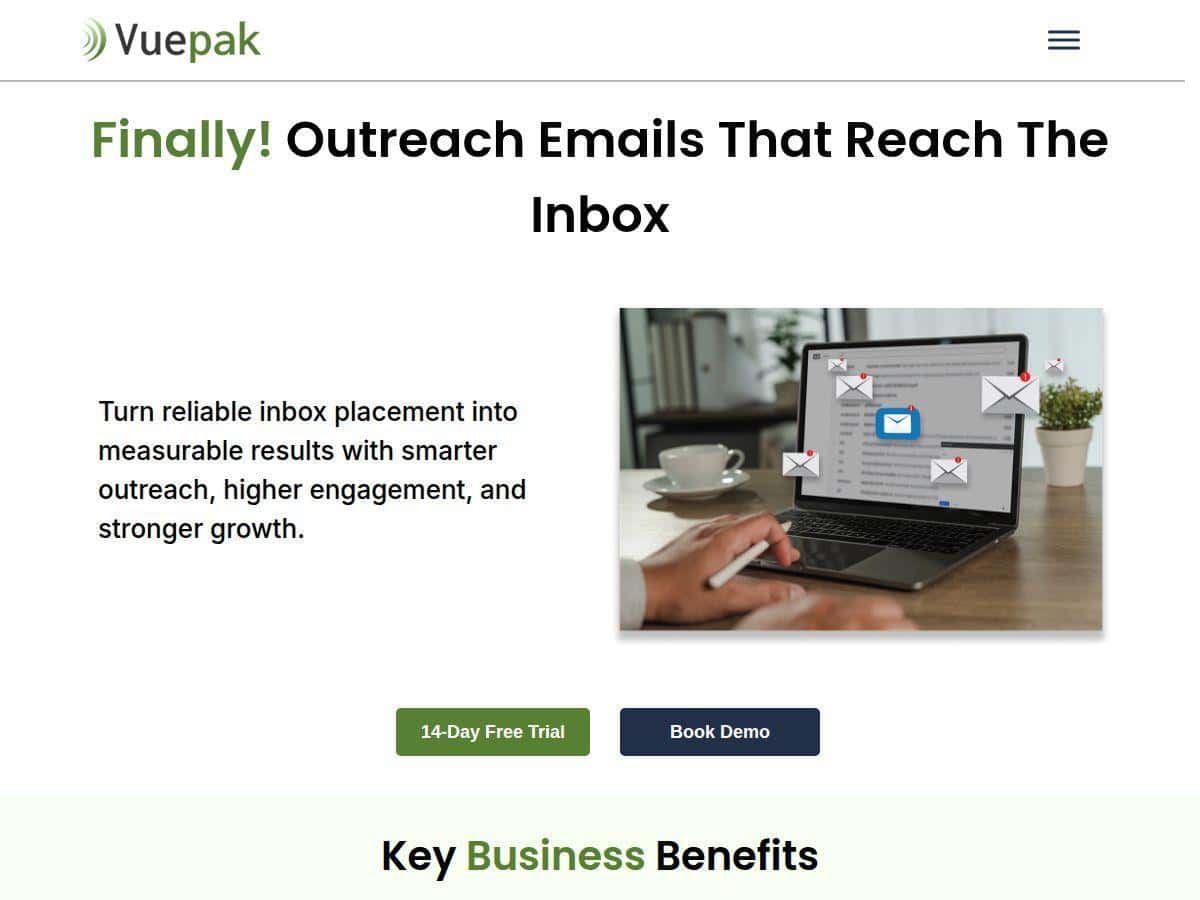
If you’ve ever tried to run outreach across email, SMS, and a few “extra” channels, you already know the problem: it’s not the writing that kills you—it’s the setup, the follow-ups, and keeping everything consistent. That’s why I tested Vuepak. My goal was simple: build a small multistep sequence, add a couple multimedia touches, and see whether the “AI personalization” actually saves time without making messages feel robotic.
I set up my first campaign in one sitting. The UI guided me through the basics—pick a campaign type, connect an email provider, upload/import contacts, then choose the first step of the sequence. What stood out right away was how quickly I got from “blank page” to a working draft. I didn’t have to hunt through menus for hours just to get something sending.
For the multimedia part, I added a short video and a document link to the later step (not the first one). That small decision mattered. My open rates were decent on step one, but engagement noticeably improved once the video appeared in the follow-up. I also used an embedded image in another step to make the message feel less like a plain sales email.
On the results side, the analytics dashboard gave me the usual metrics (opens and clicks), but the extra detail was the “engagement time” and the breakdown of what was actually interacted with (including video engagement). That’s the kind of info that helps you tweak fast—what I changed after a couple days wasn’t the whole campaign, it was the timing and which multimedia element I placed where.
Overall? Vuepak feels like an all-in-one tool that’s trying to reduce the busywork of multichannel outreach. In my experience, it’s strongest when you want to build sequences quickly and iterate based on what prospects actually do—not just what you hope they do.
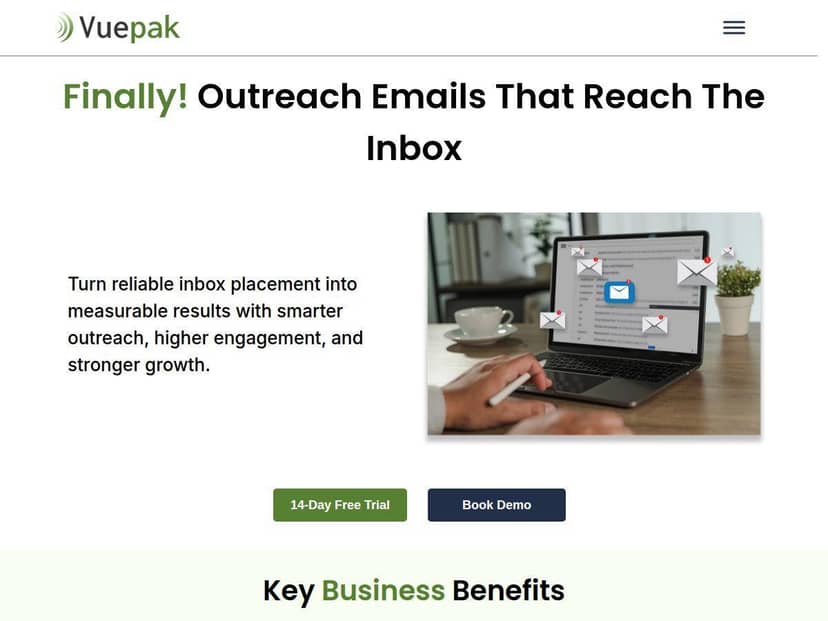
Vuepak Review (What I Built, What I Saw, What I’d Improve)
I’m not going to pretend every campaign turned into a viral success. But I can tell you what I actually did and what I noticed while using Vuepak. For my test, I built a 3-step email sequence with a follow-up that included a video and a separate step that linked to a document. I ran it over about 10–14 days so I could see early signals (opens/clicks) and then whether the later multimedia steps moved the needle.
The first “real work” step was contact prep. I imported a list, then mapped the fields so personalization wouldn’t look generic. That’s where I think a lot of AI tools either shine or fall apart. In Vuepak, I was able to set variables (like name and company) and then use them in the message template without manually rewriting the same paragraph 20 times.
For the first email, I kept the copy short and focused on a single CTA. Vuepak’s AI helped draft the wording, but I still edited it—I don’t trust any generator to know my exact tone. The difference was speed. I went from “blank draft” to “ready to send” in minutes, not hours.
On the second step, I inserted the video. What I noticed in the analytics was that video engagement didn’t just show up as a generic click. I could see whether people watched (or at least started the video) and how that correlated with later actions. That’s a big deal if you’re trying to use multimedia as more than decoration.
Then I adjusted timing. Vuepak includes Time Zone IQ, and I used it because I wanted messages to land during local business hours. After that change, I saw better consistency in engagement across regions (not magic overnight, but noticeably steadier).
One more thing: tracking was actually useful. The dashboard didn’t just dump numbers at me—it helped me identify what to tweak. After reviewing open/click patterns, I moved the multimedia step earlier for one segment and left it later for another. The “engagement time” view made it clear which version was holding attention.
So, does Vuepak live up to the promise? For me, yes—especially for building sequences fast and iterating based on real behavior. The caveat is that you still need to do the basics right (clean lists, good deliverability practices, and a message that doesn’t sound like everyone else’s).
Key Features I Used (and How They Actually Helped)
- AI Sequence Automation — Helps generate and structure outreach steps, then you can plug in your own variables and edits. In my case, it sped up drafting more than it “fully wrote” the campaign for me.
- Multimedia Presentations — You can embed videos, images, and documents inside steps. I tested a short video in step 2 and a document link in step 3, and the analytics clearly showed how those assets performed.
- Lead Capture Forms — Useful if you want to pull leads directly into the workflow. I didn’t fully build a complex funnel in this test, but the form setup looked straightforward and tied into follow-up sequences.
- Analytics Dashboard — Tracks opens, clicks, and engagement time. The “what engaged” visibility (especially video) is where this feels more than basic reporting.
- Multi-Channel Outreach — Supports more than email, which is great if you want to run a coordinated sequence. For my test, I stayed focused on email first so I could compare signals cleanly.
- Time Zone IQ — Auto-adjusts send times to match the recipient’s local time. I used it to avoid the classic “everyone gets it at 3am” problem.
- Campaign Automation — Multi-step sequences with timing rules. I set a simple cadence (step 1 → step 2 → step 3) and then tweaked which step contained multimedia.
- Branded Campaigns — Keeps your templates consistent so you don’t end up with random formatting across steps.
- Integrations — Connects with email providers and automation tools. I linked my email provider and used the workflow setup to confirm it was actually sending through the connected account.
Pros and Cons (Realistic Buyer Notes)
Pros
- Faster campaign building than doing everything manually. I went from setup to a draft sequence quickly, and the UI didn’t feel like a maze.
- Multimedia performance shows up in analytics. Being able to see video engagement (not just “someone clicked”) helped me refine where I placed assets.
- Time-zone sending is practical. In outreach, timing matters, and Time Zone IQ removes a lot of the guesswork.
- Personalization is usable if you set the variables and edit the output. The AI is helpful, but you still need your voice.
Cons
- It’s not “set and forget.” Like most automation tools, you’ll want to review results and tweak. My first version wasn’t perfect—I had to adjust timing and step order.
- Learning friction is real once you start configuring sequences across channels. The step editor is fine for email, but when you add more channel types, you’ll spend extra time confirming the rules.
- Pricing may feel steep if you only need basic email outreach. If you’re comparing against simpler tools, Vuepak is more of an “all-in-one” investment.
Also, quick comparison note from my shortlist: tools like HubSpot or Mailchimp can do parts of this, but you often end up assembling workflows across separate features. On the other hand, more “sales-sequence” focused platforms (think of the usual outreach automation suspects) can be simpler, but they may not give you the same multimedia + engagement-time visibility in one place. Vuepak’s advantage is the combination, not that it’s the best at exactly one thing.
Pricing Plans (What I’d Check Before Paying)
Vuepak starts at $30/month for the Professional plan. The Team plan starts at $50/month and is aimed at collaboration/multiple users. They also offer enterprise options that are customizable based on your company needs.
One thing I like is that they include a 14-day free trial. If you’re evaluating, use the trial to test the parts that matter for you: how many sequences you can run, whether your contact limits are enough, how multimedia steps behave, and what analytics you actually get (especially video engagement and engagement time). If you don’t test those during the trial, you might be surprised later.
For the latest plan details and any updates to limits/features, check the official Vuepak website: Vuepak.
Wrap up
After setting up and running my sequence, my biggest win with Vuepak was the multimedia + analytics combo. It made it easier to see what actually held attention and then adjust the campaign without starting over. My biggest drawback? You still have to put in the work—clean your list, personalize properly, and expect to iterate. Automation won’t rescue weak messaging.
If you want an all-in-one marketing automation tool for multistep outreach, and you care about more than opens/clicks—Vuepak is worth a serious look. If you only need basic email sends, you might find simpler tools more cost-effective.