Table of Contents
When I first tried to build a “real” world for a novel, I kept getting stuck on big, vague questions like “What’s the vibe?” or “How do I make it feel believable?” Honestly? It’s not the vibe that’s the hard part. It’s cause-and-effect. If the land is harsh, people don’t magically dress comfortably. If a past war wrecked trade routes, your characters don’t just “have politics.”
So I started using a simple two-step approach that forces the world to earn its details. The goal isn’t to write a history textbook. It’s to create a setting where environment and events push on people’s choices—constantly.
Key Takeaways
Key Takeaways
- Step 1 (Environment): Lock in climate + terrain + local resources, then translate them into daily life. Quick checklist: What do people eat? What do they wear? What’s expensive? What’s dangerous?
- Step 2 (History + current events): Pick 3 seed events (one political, one economic, one cultural) and show what they changed. Quick checklist: Who benefits now? Who pays the price? What’s the rumor people can’t stop repeating?
- Make it believable: Write a cause→effect chain for each major detail. Example outcome: If the region is drought-prone, then water rights become law, then your protagonist’s family owes a debt to a water guild, then the “friendly” official is actually a threat.
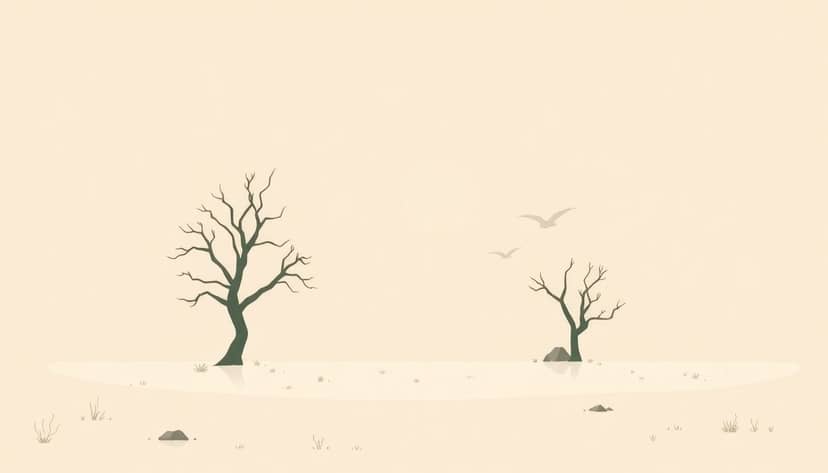
1. Start With the Environment: Define Your World’s Physical Setting
Instead of “pick a setting,” I like to treat the environment like a character with opinions. It pushes back. It limits. It rewards. And once you know what it does, your plot practically starts showing up.
Mini worksheet (takes 10 minutes):
- Climate: (e.g., dry + hot summers, mild winters)
- Terrain: (e.g., salt flats, broken mesas, a river that only runs part of the year)
- Resources: (e.g., clay for ovens, hardy grain, scarce timber, iron-rich stones)
- Constraints: (e.g., dust storms every 3–4 weeks; roads flood in shoulder season)
- Local “normal”: (e.g., people wear face wraps; doors have sand-tracks; meals are built around preservation)
Now, here’s the part most people skip: translate the environment into human behavior. You don’t need 40 pages of geography. You need a few sharp details that show up in scenes.
Climate isn’t just weather—it’s cost
Think about what your climate forces people to spend time and money on. If it’s cold, you get fuel, insulation, and training—plus the social pressure of who has warmth and who doesn’t. If it’s scorching, you get shade architecture, water storage, and the kind of “morning routine” that starts before sunrise.
In my experience, the fastest way to make a world feel real is to pick one climate-driven problem and build everything around it. One problem. Repeated daily. That’s how you get tension without constantly inventing new plot twists.
Terrain creates habits, not just scenery
A swamp doesn’t just look wet. It changes travel speed, makes certain paths dangerous, and shapes what kinds of animals and diseases exist. Mountain passes don’t just add drama—they decide who controls trade, where bandits can hide, and which towns survive winter.
What I noticed while revising a draft once: I had a “cool-looking” mountain kingdom… but I never explained why anyone could live there. Fixing it was simple. I added a reason the slopes were farmable (terraced ledges fed by meltwater) and suddenly the culture made sense. People weren’t stubborn for no reason. They were adapted.
Local resources should show up in your character’s hands
Ask: what can people make easily, and what requires effort? If timber is rare, you’ll see stonework, woven substitutes, and agreements about harvesting. If dye plants grow only near one valley, then color becomes a status marker—or a political leverage point.
Fully worked example: a setting you can steal
Let’s say you’re building a coastal frontier called Gullmar.
- Climate: salt-laden winds most days; fog thickens at dusk; winters are short but brutal.
- Terrain: jagged cliffs, narrow beaches, and a tidal estuary that turns into a maze at low tide.
- Resources: eelgrass for rope, shellfish for protein, iron-rich stones, and driftwood that’s only safe during calm weeks.
- Constraints: ships can’t travel reliably in fog; low tide exposes hazards; storms ruin storage barrels.
Now translate that into daily life:
- Food: families harvest shellfish at specific tides; “fresh” is a seasonal privilege.
- Clothing: waxed cloaks and stitched seam covers because fog + salt wrecks fabric.
- Jobs: tide-guides, fog-watchers, rope-binders, barrel-coopers.
- Social tension: the guild that controls safe driftwood weeks is basically a power broker.
- Scene-ready conflicts: your protagonist misses a fog schedule, causing a missed delivery—then owes interest to the rope guild.
See how the environment stops being “background”? It becomes the engine.
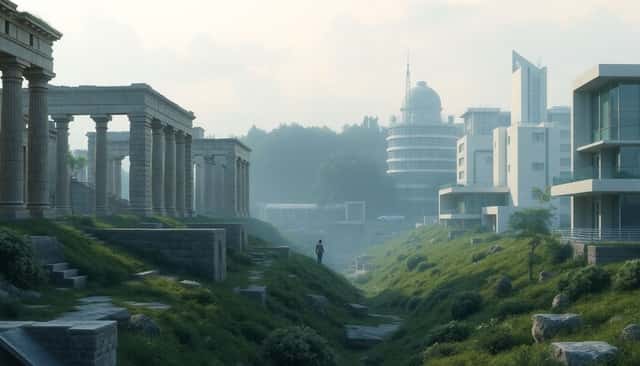
5. Add History and Current Events for Depth
Here’s the truth: “history” doesn’t make a world deep by existing. It makes a world deep when it still hurts or still benefits people today.
So instead of writing a timeline from year 1 to year 400, I pick a small set of seed events and force them to leave fingerprints on politics, culture, and everyday life.
Choose 3 seed events (and make them do work):
- Political seed: a coup, succession crisis, treaty, or failed rebellion
- Economic seed: a trade collapse, resource discovery, embargo, or infrastructure boom
- Cultural seed: a banned religion, a myth that hardened into law, a festival that started after a disaster
Cause → effect: the part you should write down
For each seed event, answer three questions:
- What changed? (Who gained power? What became illegal? What became valuable?)
- Who lost? (Name groups, not just “the people.”)
- What’s the daily consequence? (How does it show up in morning routines, jobs, or relationships?)
Let me show you how this stacks with the Gullmar example.
Worked example (continuing Gullmar): history that shapes scenes
Seed event 1 (political): During a long storm season, the coastal council mishandled rescue efforts. Survivors blamed the council and formed the Fog Oath—a community-led promise that anyone can claim aid in an emergency.
Effect today: The council still exists, but people whisper that they “break oaths” when it’s inconvenient. Your protagonist might need council paperwork… and half the town refuses to help unless they’re protected by the Fog Oath.
Seed event 2 (economic): An iron-rich stone vein is discovered inland. It makes Gullmar’s rope guild powerful because iron tools dramatically improve rope-making and ship repairs—but only if you can transport heavy materials through the hazardous tide maze.
Effect today: A rival group controls the safe passage. They don’t just charge fees—they decide who gets to keep their boats. That means your character’s job, status, and even romantic prospects can hinge on whether they’re “cleared” for passage.
Seed event 3 (cultural): After a winter where fog destroyed stored barrels, a traditional “Clear Night” festival started. People light lanterns in the estuary and recite names of families who lost supplies—publicly.
Effect today: The festival is beautiful… and terrifying. If you’re named as someone who “hoarded,” you’ll be targeted socially. That gives you an instant pressure-cooker setting for a confrontation.
Notice what happened? The environment gave you problems. The history gave those problems meaning. Now characters aren’t reacting to vibes—they’re reacting to systems that were built (and broken) by real events.
Use “current events” like a ticking clock
After you pick your seed events, add one ongoing issue that’s actively changing the world right now. Not “there’s war somewhere.” Something specific:
- Water rationing expanded to new neighborhoods
- A guild is losing authority because a new route opened (or closed)
- Rumors spread that the Fog Oath is being rewritten
- A tech shift makes old jobs obsolete (new rope fibers, new navigation tools)
In practice, I like to write one paragraph called “What’s different this month?” That paragraph becomes your plot’s pressure.
About “real data” (and when it helps)
Sometimes people throw stats into worldbuilding—sure. But I only use numbers if they change a decision in my story. If you’re going to mention a forecast or industry trend, connect it to something your world would actually do: new construction, migration, labor shortages, taxes, or political promises.
So instead of “construction is booming,” make it a world detail like: the crown launches a fast-build program because trade profits spiked, and the rushed work causes a collapse that kills a noble’s heir. That’s how “data” becomes story.
Guided prompts (with example answers)
- Prompt: “What event caused this region’s current political climate?”
Example answer: After the Fog Oath formed, the council shifted from “rule by decree” to “rule by permission,” but only for people who can pay for safety. - Prompt: “What discovery changed society recently?”
Example answer: A new dye plant grows near the tide maze, and suddenly uniforms become a bargaining chip—who can afford official colors gets better access to jobs. - Prompt: “What do people argue about at taverns?”
Example answer: Whether the council will honor emergency aid during the next fog season—or whether they’ll hide behind paperwork again.
This is what “depth” actually looks like: your setting has memory, and that memory shows up in daily life, not just in a backstory dump.
FAQs
Pick a setting that creates built-in problems your characters can’t ignore. I start with climate and terrain first, then ask what that forces people to do every day—travel, food, housing, jobs. If those constraints can support your central conflict, you’re on the right track.
Focus on social structure (who has power), technology/resources (what’s possible), and rituals (what people do when life is stressful). Quick win: add one festival, one taboo, and one “who you trust” rule—then show how those show up in a scene.
Give each major group a reason to exist and a reason to fight. Define their beliefs, but also define their incentives: what they gain if they win, and what they risk if they lose. Then show how the environment and recent events force them into choices.
A seed event is the smallest piece of history that still changes the present. It should shift power, resources, or cultural rules. If your seed event doesn’t create a current consequence—like a law, a grudge, or a new tradition—then it’s probably just trivia.