Table of Contents
Have you ever sat down to write and realized you’ve spent the last hour just trying to get yourself in the right headspace? Between emails, errands, family stuff, and the general chaos of being a human, “uninterrupted time” can feel like a myth.
That’s why I love the idea of writing residencies. They’re basically a built-in escape hatch: a set period of time where the whole point is to write—no day job, no household distractions, and usually a comfortable place to land and focus. You get to disappear into your project for a while. And honestly? That matters more than people think.
In this post, I’ll break down what writing residencies are, the different types you’ll run into, and how I’d approach the application so you put your best foot forward. Ready?
Key Takeaways
- Writing residencies give you dedicated time and space to focus on writing, with fewer day-to-day distractions.
- You’ll see different formats, including studio residencies, thematic residencies, emerging writer programs, international residencies, and community engagement options.
- Common benefits include uninterrupted focus, fresh inspiration from a new setting, community connections, and professional development (sometimes with workshops or mentorship).
- Most applications ask for writing samples plus a statement of purpose—your job is to show your voice and what you’ll work on during the residency.
- To get the most out of your stay, set specific goals, build a routine, participate (if you want), and take care of your energy.
- Some residencies offer financial support like grants, stipends, or bursaries—always check the real costs before you apply.
- Well-known programs include Yaddo, MacDowell, Iowa Writers’ Workshop, Literature House Bremen, and Penland School of Craft.
1. What is a Writing Residency?
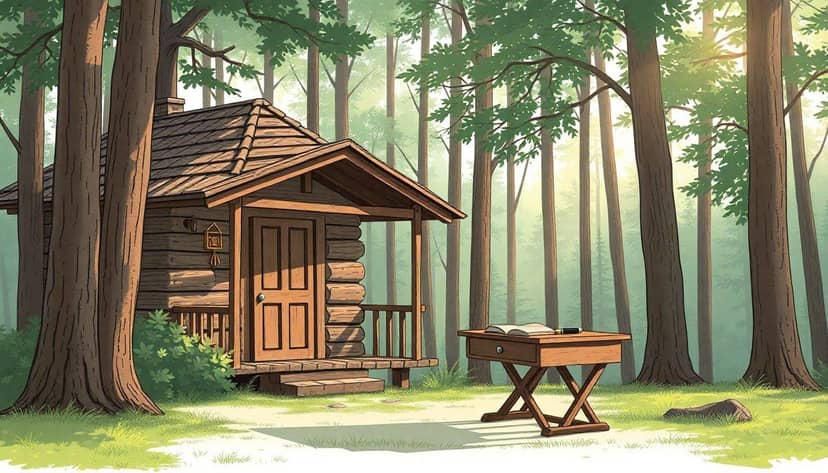
A writing residency is a set period of time where you’re given dedicated space to focus on writing—usually in a calm, intentional environment. Most programs are designed to remove (or at least reduce) the everyday noise that keeps interrupting your creative flow.
In my experience, the best residencies don’t just hand you a desk. They often include things like accommodations and meals, and some offer financial help too. So instead of spending your energy figuring out logistics, you can spend it on the actual work: drafting, revising, researching, and thinking.
Take Yaddo, for example. They provide room and board and also offer access grants. During the summer months, they host roughly 25–30 artists, and around 18 in the winter. That smaller group size really changes the vibe—it feels more like a focused community than a busy retreat.
2. Types of Writing Residencies
Not every residency is built for the same kind of writer or project. Here are the formats you’ll most commonly see:
- Studio residencies: You get a private writing space and usually a pretty quiet setup. If you like deep work, this is often a good fit.
- Thematic residencies: These revolve around a specific genre or theme (poetry, fiction, environmental writing, and so on). It’s a nice way to meet people who are chasing similar questions.
- Emerging writer residencies: Built for people earlier in their career. You’ll often see more mentorship, guidance, and career-focused support.
- International residencies: You travel, live somewhere new, and absorb a different culture. That fresh context can genuinely shift how you write.
- Community engagement residencies: Writing time plus community work—workshops, readings, collaborations, or local partnerships.
One resource I keep coming back to is the Americans for the Arts directory, which lists 175+ domestic residency opportunities. And if you’re looking at international programs, it’s worth checking the funding details early—some offers are honestly pretty generous. For instance, Literature House Bremen lists bursaries (like €2500) that can make a big difference when you’re budgeting.
3. Benefits of Writing Residencies
Let’s talk about why residencies are so popular. I don’t think it’s just romance. There are real, practical benefits:
- Uninterrupted focus: You can actually get momentum. No “I’ll write after dinner” turning into “I guess I won’t.”
- Creative inspiration: A new environment changes your brain. I’ve noticed that even small differences—lighting, weather, routine—can make a story feel different on the page.
- Community building: You’re around other writers. That can mean feedback, accountability, shared readings, or just the comfort of not being the only one stuck in revisions.
- Professional growth: Some residencies include workshops, lectures, or mentorship. You might learn craft, but you’ll also learn how other people approach publishing and projects.
- Financial support: Many residencies offer scholarships, grants, or stipends. It reduces the pressure to “produce” financially while you’re trying to produce art.
And yes, there’s a career angle too. The relationships you build can help you understand how to get a book published without an agent, or get perspective on the best publishers for new authors. Plus, the work you finish during a residency can become a tangible step toward your next deadline.

4. How to Apply for a Writing Residency
Applying can feel intimidating, but it’s not magic. It’s mostly careful prep and showing the program what they need to see.
Most residencies ask for some combination of writing samples, a statement of purpose, and sometimes recommendation letters. The writing samples matter a lot—this is where you prove your voice. Your statement matters too, because it explains what you’re going to do with the time and what you’ll likely produce or explore.
Here’s what I do: I read the requirements twice, then I make a checklist with deadlines and file formats. For example, Yaddo has two annual deadlines. The January 10 deadline is for residencies starting May through March of the next year, and the August 1 deadline is for residencies starting November through June of the following year. If you’re not paying attention to timing, you can easily apply for the wrong session or submit too late.
When I’m choosing samples, I aim for “best representation,” not “most recent” or “most impressive on paper.” If you’re applying for fiction, give them fiction that shows your range and control. If you’re applying for poetry, don’t send a random grab bag—send pieces that feel cohesive and intentional.
Also, don’t assume you need to be established. A lot of emerging writer programs exist for a reason. Just make sure you match eligibility rules. For instance, Yaddo doesn’t accept applicants who are currently enrolled in undergraduate or graduate programs.
5. What to Expect at a Writing Residency
Okay, you’re accepted. What happens next?
In general, you’ll find a quiet environment designed around creative work. Many programs provide accommodations and meals, plus a private space to write. With places like Yaddo, you’re joining a small community—about 25–30 artists in summer and around 18 in winter. That size is a big deal. It makes conversations feel real, not performative.
Day-to-day, schedules vary. Some people disappear into their work and keep to themselves most of the time. Others join in informal meals or resident gatherings. Honestly? I think both approaches are valid. The key is to be honest about what helps you write.
You might also have access to libraries, workshops, or talks depending on the residency. Not every program is structured like a class, though. Sometimes the “program” is simply the uninterrupted time and the supportive surroundings. And that can be enough to unlock real progress.
6. How to Find the Right Writing Residency
Finding a residency is like finding a book you’ll actually finish. Fit matters.
First, ask yourself what you need most right now. Do you want solitude to revise? Community to get feedback? Mentorship to help you sharpen craft? Or a change of scenery that forces your mind into new territory?
Then, do some research. Directories help—Americans for the Arts lists 175+ domestic opportunities, which makes it easier to compare options. When you’re narrowing it down, I’d pay attention to practical details too: length of stay, location, what’s included (meals? workspace? internet?), and the types of writers they support.
Finally, check funding early. Some residencies include stipends or cover major expenses, while others may require fees. Literature House Bremen, for example, offers a bursary of €2500. If you don’t look closely, you can end up with a residency that sounds perfect but doesn’t work financially.
7. Notable Writing Residencies to Consider
There are so many residencies out there, and each one has its own rhythm. Here are a few well-known options people often start with:
- Yaddo (Saratoga Springs, NY): Historic grounds, strong reputation, and a mix of established and serious writers.
- MacDowell (Peterborough, NH): Private studios in a woodland setting—great if you want quiet and space to work.
- Iowa Writers’ Workshop Residencies (Iowa City, IA): A chance to plug into a vibrant literary ecosystem.
- Literature House Bremen (Germany): International focus with a stipend and cultural immersion.
- Penland School of Craft (Penland, NC): Ideal if your writing overlaps with craft traditions or visual/creative disciplines.
Even with famous programs, I’d still read the fine print: focus areas, eligibility, and what they expect from residents (if anything) during the stay.
8. Tips for Maximizing Your Residency Experience
Want to make your residency count? Here are the moves that help in real life—not just in theory.
- Set clear goals (before you arrive): Decide what “success” looks like. For example: finish a draft chapter, revise 20 pages, outline a new project, or complete a sequence of poems.
- Bring a plan, but stay flexible: I usually set a weekly target (like “draft 1 scene” or “revise 10 pages”), then I let the work evolve once I’m in the space.
- Be open to new experiences: You’re there to write, sure—but talking to other artists can spark ideas you wouldn’t get alone.
- Build a routine: Pick writing hours that match your brain. Some people write best in the morning. Others need a slow start. The point is consistency, not perfection.
- Engage with the community when it makes sense: Attend readings or workshops if offered. Even if you’re shy, you can still listen, learn, and connect.
- Take care of yourself: Eat well, move your body, and take breaks. I’ve learned the hard way that burnout during a residency is still burnout.
This is your time. If it feels quiet and focused, lean into that. If it feels lonely, reach out. The residency should support the work, not fight your needs.
9. Financial Considerations for Writing Residencies
Let’s not pretend money doesn’t matter. It does.
Good news: many programs offer financial aid, grants, or stipends. For instance, Yaddo provides access grants and doesn’t charge fees to attend, which can significantly reduce pressure. But you still need to budget for travel, personal expenses, and whatever isn’t covered.
When you’re comparing residencies, I’d look at what’s included:
- Are room and board covered fully?
- Is there a participation fee?
- Do they offer a stipend for living costs?
- What are the travel expectations (and costs)?
International residencies can be especially helpful if they include funding. Literature House Bremen, for example, provides a bursary of €2500 alongside accommodation.
Also consider external funding. Some writers find grants through arts organizations or local foundations specifically meant for residencies. If you dig around early enough, you can often make the numbers work.
10. Final Thoughts on Writing Residencies
A writing residency is one of the few opportunities that genuinely gives you time back. Not “time to think about writing.” Actual time to draft, revise, and work without constant interruptions.
And it’s not only for career kickstarts. If you’re already publishing, a residency can still be a reset button—new inspiration, deeper focus, and a chance to step away from the usual routine.
If you’re considering applying, start simple: shortlist programs that match your genre and your current career stage, read the requirements carefully, and put real effort into your samples and statement. That’s the part you control.
If you want more ways to move forward in your writing career, you might also find it helpful to explore how to become a children’s book author or check out best publishing companies for new authors.
Either way, keep writing—and keep looking for opportunities that actually feed your creativity.
FAQs
It depends on the program. Some are extremely selective, while others are more accessible. Either way, your chances improve when your writing samples are polished and your statement makes it clear what you’ll work on during the residency.
Nope. Many residencies accept both emerging and established writers. If you’re unpublished, you can still show your potential through strong samples and a specific, believable plan for the work you want to do.
Sometimes, yes—and sometimes, no. Some residencies fully fund the stay (including room and board and a stipend), while others may charge participation or have application fees. Always check the financial details before you commit your time.