LIFETIME DEAL — LIMITED TIME
Get Lifetime AccessLimited-time — price increases soon ⏳
News

YouTube Unveils Revolutionary AI Detection Tools to Protect Creators from Content Theft

Updated: April 20, 2026
5 min read

Table of Contents

YouTube says it’s working on new AI detection tools, and honestly, I’m glad they’re finally treating this as a real creator problem—not just a tech headline.

Because once AI can copy a voice or generate a face that looks convincing, it’s not long before people start using that stuff without permission. That’s where YouTube’s new approach comes in.

On September 5, 2024, YouTube announced it plans to add AI detection features that can flag content that appears to be AI-generated—especially when it’s used to mimic real people or existing creative work.

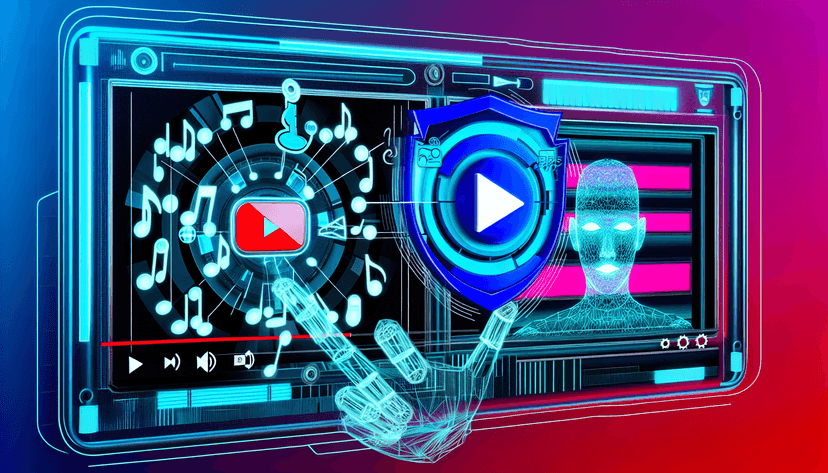
What I find interesting is that YouTube isn’t only talking about “AI detection” in the abstract. They’re pointing to specific categories they want to recognize, like synthetic singing voices and AI faces.

So how does this help creators in practice? The goal is pretty straightforward: give creators a way to protect both their intellectual property and their identity, instead of constantly chasing down misuse one report at a time.

09 07 2024 YouTube Unveils Revolutionary AI Detection Tools To Protect Creators From Content Theft

YouTube’s first focus: synthetic singing voices

The first tool YouTube is rolling out is aimed at detecting AI-made singing voices. And yeah, that’s a big deal—because “AI cover” culture already exists, but the line gets blurry fast when someone uses a voice that sounds like a real artist without permission.

In my experience, the hardest part of dealing with misuse isn’t always proving it’s fake. It’s finding it quickly enough to stop it from spreading, and getting the right mechanism in place to take action.

YouTube says it plans to integrate this detection capability into its existing Content ID system. That matters because Content ID is already a familiar workflow for rights holders. Instead of inventing a brand-new process that creators have to learn from scratch, YouTube is building on what already exists.

For musicians, the practical benefit is that unauthorized AI-generated copies of a voice could get caught and handled sooner. If you’re an artist who’s been targeted with impersonation or “sound-alike” uploads, you know how exhausting it can be to repeatedly dispute the same kind of content.

Of course, there are limitations with any detection system. AI generation evolves quickly, and no tool is perfect—especially when different models, mixing, and mastering techniques get involved. Still, having a dedicated detection layer is a step forward compared to only relying on manual reports.

How the AI face and likeness tracking could work

YouTube also plans to develop a tool that helps people track how their appearances are used in AI-generated content. The target group includes actors, influencers, and athletes—basically anyone whose face is recognizable enough to be reused in deepfake-style uploads.

What I like here is that YouTube isn’t only thinking about “music theft.” Deepfakes are already a privacy and safety issue, and they can be used for scams, harassment, or just plain reputational harm.

So instead of creators having to play detective across the platform, YouTube wants to make it easier to monitor and respond when likenesses show up in AI-generated videos.

Let’s be real: deepfake detection is a moving target. Some videos are obviously fake; others are subtle and get better over time. That’s why the “tracking” angle is important. Even if detection isn’t 100% in every scenario, improving how quickly someone can identify misuse can still reduce damage.

YouTube is also cracking down on unauthorized scraping

There’s another part of the announcement that’s easy to overlook, but it matters a lot: YouTube says scraping videos for AI training without permission violates its Terms of Service.

YouTube is investing in systems to detect and block unauthorized access, with the intent of protecting creators’ work from being used by third parties without consent.

In other words, this isn’t just about detecting what’s uploaded to YouTube—it’s also about stopping misuse of the data that gets pulled from the platform in the first place.

If you’ve ever had content scraped for “analysis” or “model training” with no meaningful credit or permission, you’ll understand why creators keep pushing for enforcement. This is YouTube trying to move from “policy exists” to “we’ll actually stop it.”

More control for creators over how AI services use their content

On top of detection and enforcement, YouTube says it’s exploring ways to give creators more control over how their content gets utilized by third-party AI services.

That’s the part I’m watching closely, because “control” can mean a lot of different things. Does it mean easier opt-outs? Better visibility into who’s using what? More reliable takedown flows? Those details are what will determine whether this actually feels helpful to creators day-to-day.

What I don’t want is another tool that’s technically there but doesn’t match real workflows. Creators need something that’s fast, understandable, and consistent—especially when impersonation content ramps up quickly.

What this means for creators (and what to keep in mind)

Overall, YouTube’s direction is clear: protect creators from content theft and identity misuse as generative AI gets more capable.

And I genuinely think this is the right priority order. Voice cloning and deepfakes are already causing real harm, so focusing on synthetic singing voices first—and then expanding into likeness tracking—makes sense.

At the same time, I’d keep expectations grounded. AI detection tools will likely improve over time, but creators should still report suspicious content, document issues when possible, and use available rights tools like Content ID when they apply.

If you’re a musician, actor, or influencer, this could become one of those “it won’t stop everything, but it’ll stop some of the worst stuff sooner” changes. And in the AI era, that’s often the difference between a problem staying contained versus going viral.

Stefan

Stefan

Stefan is the founder of Automateed. A content creator at heart, swimming through SAAS waters, and trying to make new AI apps available to fellow entrepreneurs.

Related Posts

Figure 1

Strategic PPC Management in the Age of Automation: Integrating AI-Driven Optimisation with Human Expertise to Maximise Return on Ad Spend

Title: Human Intelligence and AI Working in Tandem for Smarter PPCDescription: A digital illustration of a human head in side profile,

Stefan
AWS adds OpenAI agents—indies should care now

AWS adds OpenAI agents—indies should care now

AWS is rolling out OpenAI model and agent services on AWS. Indie authors using AI workflows for writing, marketing, and production need to reassess tooling.

Jordan Reese
experts publishers featured image

Experts Publishers: Best SEO Strategies & Industry Trends 2026

Discover the top experts publishers in 2026, their best practices, industry trends, and how to leverage expert services for successful book publishing and SEO.

Stefan

Create Your AI Book in 10 Minutes