Table of Contents
An AI biography writer turns the raw material of a life—memories, interview notes, old letters, voice recordings—into a structured, finished book. You bring the facts and the stories; Automateed organizes them into chapters, writes the connecting prose, and exports a print-ready PDF or EPUB you can hand to family, publish on Amazon KDP, or use as the credibility piece behind a business. It works whether you're writing your own memoir, capturing a parent's life before the stories are lost, or producing a founder's brand-story book.
The reason an AI biography writer is such a natural fit is that life-story projects rarely fail from lack of material—they fail from structure. People sit on decades of anecdotes, forty pages of interview transcripts, or a shoebox of photographs and never get past "where do I even start?" The tool's job is exactly that: propose the structure, draft the chapters from what you give it, and keep the project moving until there's a book. Here's how it works, including the voice-to-book path that skips typing entirely.
Key Takeaways
- Three project types dominate: personal memoirs, family histories written for relatives, and brand-story biographies for founders, coaches, and organizations.
- The core decision is chronological vs. thematic structure—birth-to-now timeline, or chapters built around themes like work, faith, migration, and family.
- Interview notes, transcripts, and bullet-point memories are enough source material; the AI drafts connecting prose around the facts you supply.
- Voice-to-book lets the subject simply talk—dictate the stories, and Automateed turns the recordings into structured chapters.
- Accuracy stays your job: AI drafts around your facts, and your review pass confirms names, dates, and events before anything goes to print.
What Is an AI Biography Writer?
It's a book generator built around a source-material workflow rather than invention. You describe the subject and the goal ("a memoir of my grandmother's life, from a village childhood through immigration to retirement, warm and plainspoken, for the family"), then feed it what you have: dated events, anecdotes, interview answers, places, names. The AI proposes a chapter outline, you rearrange it, and it drafts each chapter in order—turning "1962, moved to Chicago, first job in a bakery, met grandpa at a church dance" into readable narrative prose. Everything lands in an editor where you correct details, add the texture only you know, and cut what doesn't belong. Then: cover, and export as PDF or EPUB, publish-ready for KDP. The workflow is the same one behind our general AI ebook creator, with the input being a life instead of a topic.
What it is not: a research service. An AI memoir writer doesn't know your family and shouldn't guess. The quality of the book tracks the quality of what you feed it—which is why the interview and voice workflows below matter more than any generation setting.
Three Books People Actually Make
The personal memoir. Your own story, or one chapter of it—a career, a recovery, a decade abroad. The strongest memoirs are scoped: not "my whole life" but "the fifteen years I ran a restaurant." Scope is the first thing to fix in the brief, because it dictates the outline.
The family history. The most common project, and usually the most urgent: capturing a parent's or grandparent's life while they can still tell it. These books are typically printed, not marketed—a print run of twenty copies for the family via KDP's print-on-demand costs little and needs no audience. If you do print, check the economics with the KDP print royalty calculator; ordering author copies of your own paperback is the standard move here.
The brand-story biography. Founders, coaches, consultants, family businesses, churches, and clubs use a book as the definitive account of who they are and how they got here. It's part marketing asset, part institutional memory—handed to clients, new hires, or members. The structure is the same as a memoir; the tone brief is different.
Chronological or Thematic: The One Structural Decision
Chronological is the default and usually right for family histories: childhood, youth, work, family, later life. It's easy to follow, easy to interview for ("what happened next?"), and easy for elderly subjects to review. Its weakness is pacing—real lives have flat decades—so the fix is chapters sized by story density, not by years.
Thematic organizes by thread instead of time: a chapter on work, one on faith, one on the kitchen table, one on the hardest year. It suits memoirs with a message and brand-story books (origin, values, turning points, vision), and it lets weaker material be omitted honestly rather than padded. Its risk is repetition across chapters, which is exactly what you check at the outline stage.
A practical hybrid for family books: chronological spine, with thematic interludes—recipes, sayings, letters, a photo section. Decide before generating; the outline is where this choice costs nothing to change. For deeper craft on narrative structure, our how to write guides cover it.
Voice-to-Book: Let the Subject Just Talk
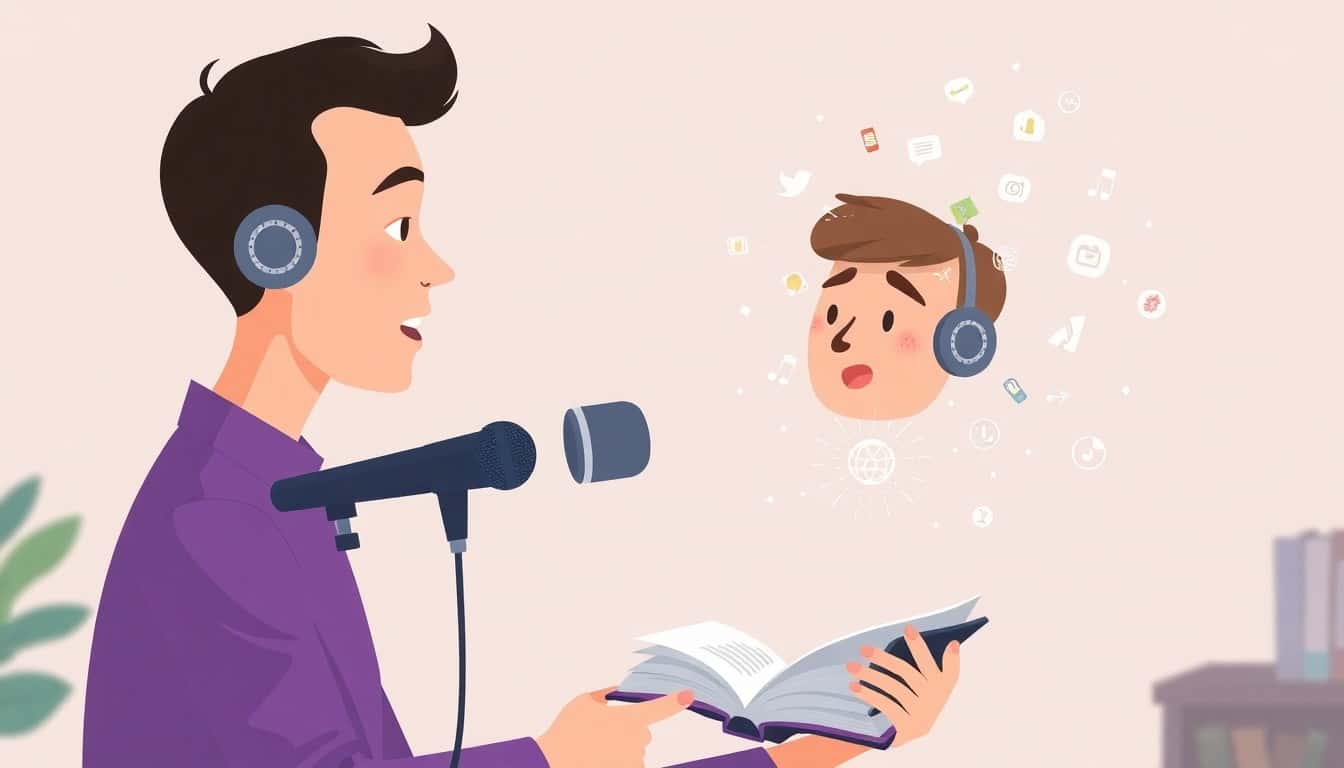
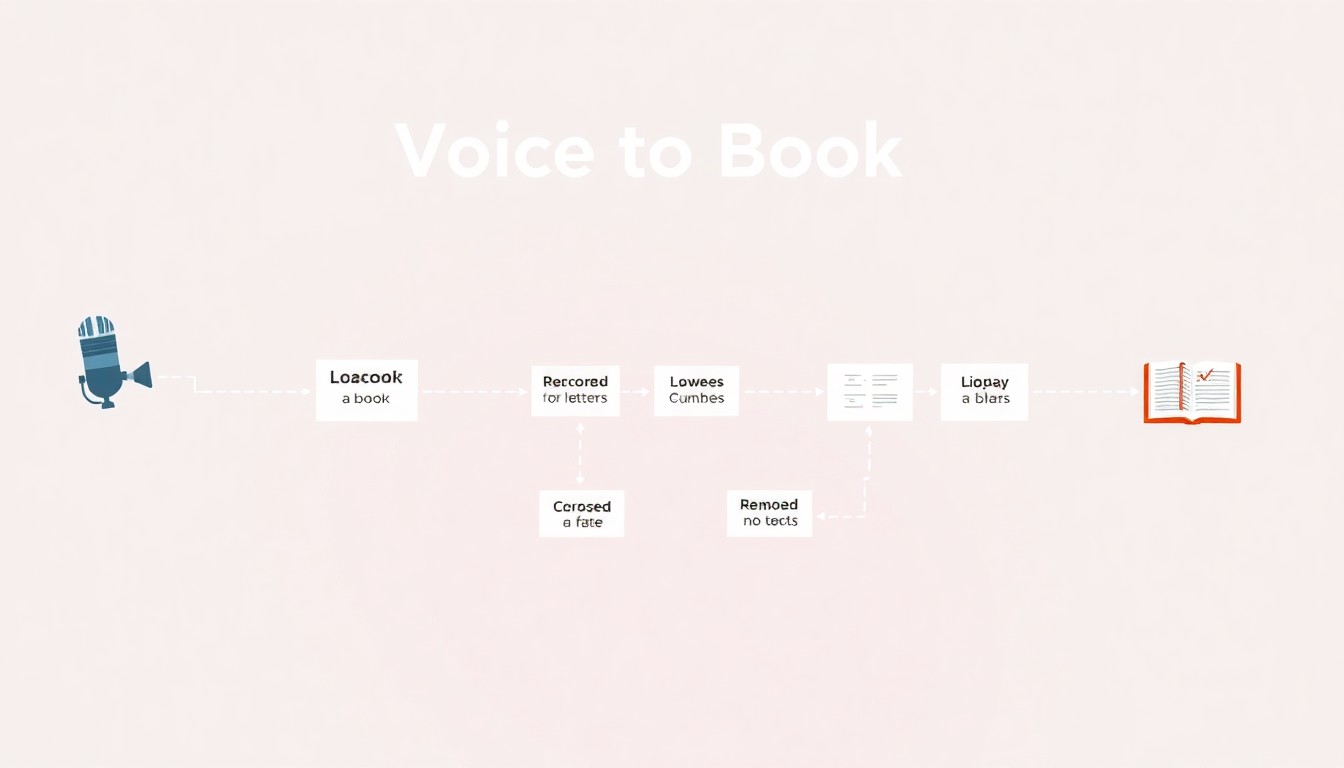
The hardest part of any biography project is extraction—most people can tell stories for hours but will never type them. Automateed's voice-to-book feature is built for exactly this gap: the subject dictates, and the AI turns the spoken material into a structured book draft. In practice this changes who can produce a memoir at all. A grandparent who would never touch a manuscript can answer questions into a phone across a few Sunday afternoons; a founder can narrate the company story on a commute.
A workflow that works: prepare 30-50 questions grouped by life period or theme, record the answers in short sessions (long sessions produce tired, thin answers), and feed the material in along with your outline. The AI drafts chapters from what was actually said—then your edit restores the phrases that make the person sound like themselves. Keep the verbal tics that carry personality; a family book that doesn't sound like grandma has failed at its one job. And since the material began as speech, these books convert naturally into audio: the AI audiobook generator can turn the finished book into an MP3 audiobook with realistic voices—for some families, the listenable version ends up mattering more than the printed one.
Notes or voice recordings in, structured chapters out—free to start, no credit card required.
Start FreeFrom Interview Notes to Finished Chapters
If you're working from written material instead of audio, the pipeline is: collect, sort, outline, generate, verify.
Collect everything—transcripts, emails, letters, the timeline of dates and places you're sure of. Sort it into the chapter buckets your structure implies; this hour of sorting does more for the final book than any prompt. Outline with the AI and check that every chapter has enough real material—chapters with two facts and no stories should be merged or cut, not padded. Generate chapter by chapter, and verify in your edit: every name, date, and event against your sources. AI writes fluent prose around whatever it's given, which is exactly why the fact-checking pass is non-negotiable in this genre—fluency is not accuracy, and in a biography the reader who catches the error is usually in the book.
Two more honesty rules that save grief later: living people described unflatteringly should be handled carefully (get permission, anonymize, or cut), and gaps in memory should be marked as such in the text—"nobody remembers exactly how they met, but the family agrees it involved a borrowed bicycle" is charming; a confidently invented scene is a betrayal.
Publishing: Family Print Runs, KDP, or Business Asset
Family histories mostly need author copies—order a short print run of the paperback through KDP and you're done, no marketing required. Public memoirs compete in a real Amazon category where the title and subtitle carry the hook; our book title generator helps you find the angle ("a memoir of..." framing matters more here than in fiction). Brand-story biographies usually skip retail ambitions entirely: they're printed to be handed out, embedded in onboarding, or offered as a download. Whichever route you take, the export from Automateed is the same publish-ready PDF/EPUB pair, and if you're weighing tools for a bigger writing project first, our comparison of the best AI to write a book is the place to start.
Frequently Asked Questions
Can AI write a biography of a real person?
Yes, from material you provide—dates, events, anecdotes, interview answers. The AI structures the material and drafts the narrative prose; it doesn't research the person and shouldn't invent details. Your review pass verifies every fact before the book goes to print.
Can AI write a memoir from voice recordings?
Yes. Automateed's voice-to-book feature turns dictated stories into structured book chapters, which makes it the most practical path for subjects who tell stories well but won't write. Record answers to prepared questions in short sessions, generate the draft, then edit to preserve the speaker's actual voice.
How do I write a biography of my parents or grandparents?
Interview them in short recorded sessions using 30-50 prepared questions grouped by life period, gather supporting material (photos, letters, the dates you're sure of), choose a chronological structure, and generate chapters from the sorted material. Print a small run of author copies via KDP for the family. Start soon—this is the project people most regret delaying.
Should a memoir be chronological or organized by theme?
Chronological suits family histories and full-life stories: it's easiest to follow and to interview for. Thematic suits memoirs with a message and brand-story books, organizing chapters around threads like work, faith, or turning points. A common hybrid uses a chronological spine with thematic interludes. Decide at the outline stage, where changing it costs nothing.
Is it legal to publish a biography written with AI?
Publishing AI-assisted books is allowed—Amazon KDP accepts them and asks for disclosure of AI-generated content during publishing. The legal care in biography is about the content itself, same as it's always been: be accurate about real, living people, get permission for private details that could harm someone, and don't present invention as fact.
How long should a memoir or family history be?
Most memoirs run 60,000-80,000 words, but family histories answer to a different standard: long enough to hold the stories that matter, short enough that relatives actually read it—30,000-50,000 words with photos is a common sweet spot. Scope beats length: one era told vividly outperforms a whole life summarized thinly.
Conclusion
Every family has one person whose stories everyone says "should be a book," and almost none of those books get written—not for lack of material, but because structuring and drafting a manuscript used to demand months that nobody had. An AI biography writer removes that specific barrier: the outline is proposed, the chapters get drafted from your notes or their voice, and the project that stalled for years becomes a few focused weekends of interviewing, generating, and editing. The stories are the perishable part. Capture them, let the tool do the assembly, and put a real book in the hands of the people it's about.
From memories and recordings to a printed book—memoirs, family histories, and brand stories.
Create a Biography Free