Table of Contents
Not long ago, becoming a published author meant months of querying agents, collecting rejection letters, and hoping a traditional book publisher would take a chance on your manuscript. Today, an AI book publisher can take you from a rough idea to a finished, published book in a fraction of the time — no gatekeepers required. Artificial intelligence now handles the heavy lifting of drafting, formatting, and distribution, so you can focus on the story or expertise only you can bring.
⚡ TL;DR – AI Book Publishing in 2026
- •An AI book publisher is a platform that uses artificial intelligence to write, format, and publish a book end to end — no agents or gatekeepers required.
- •With generative AI, self-published authors can go from idea to a finished, published book in days instead of months.
- •Unlike a traditional or vanity publisher, you keep full rights, control, and a higher royalty share.
- •The catch: you own quality and originality, so edit AI drafts in your own voice and fact-check everything.
- •With Automateed you generate your book and publish it in one place on ai.automateed.com.
What Is an AI Book Publisher?
An AI book publisher is a platform that uses artificial intelligence to help you write, design, and publish a book — often end to end. Instead of stitching together a separate ghostwriter, formatter, cover designer, and distribution service, you get AI tools that manage the whole publishing workflow in one place.
At its core, an AI book publisher does three things: it creates the manuscript, formats and designs it, and publishes and distributes it. Generative AI drafts chapters from your prompt, outline, or notes, so you can produce a complete book far faster than writing every word by hand. The system arranges your text, adds a cover, and exports a clean, publication-ready file in PDF, EPUB, and Kindle-friendly formats. The best platforms let you publish books directly, complete with the metadata — title, description, keywords, author name — that readers and stores use to find them.
The result is that self-publishing, which used to require a small team, is now something a single author can do from a laptop.
How AI Is Changing Book Publishing
The AI revolution in book publishing is one of the most disruptive forces in contemporary publishing. For most of modern history, a handful of large houses like Hachette controlled which books reached shelves. AI has flipped that model.
With generative AI, self-published authors can now compete on speed and volume that traditional publishing simply cannot match. Where a legacy publisher might release a title in 18 months, an author using AI can go from concept to storefront in days. That shift is why so many publishing startups have appeared, each promising to help you write and publish books with the help of AI.
This matters for the future of publishing in a few concrete ways. You no longer need an advance to fund editing and design, so the cost of entry drops. Many AI platforms give authors complete rights and higher royalty shares than a traditional contract. And you can test an idea, publish, gather feedback, and revise in a workflow closer to software than to old-school print runs. Of course, the rise of books written by AI has sparked real debate — writers and publishers have raised concerns about originality, quality, and disclosure, and these issues in publishing are worth taking seriously.
AI Book Publisher vs. Traditional and Vanity Publishing
It helps to see how an AI book publisher compares to the older paths before you choose one.
| Factor | AI Book Publisher | Traditional | Vanity Publisher |
|---|---|---|---|
| Upfront cost | Low subscription | None (you get an advance) | High fees you pay |
| Speed to publish | Days | 1–2 years | Weeks to months |
| Rights & control | You keep everything | Publisher owns rights | Varies, often limited |
| Royalty share | Highest | Low after advance | Low, fees first |
| Who does the work | AI + you as co-author | Publisher team | You pay for services |
Traditional publishing offers prestige and distribution muscle, but it is slow, selective, and takes a large cut of your royalty — and most authors never get through the door. Vanity publishers will publish nearly anyone for a hefty fee and often leave authors with little support. AI-assisted self-publishing sits in a different category: you keep creative control and rights, pay far less, and move at your own pace. For most independent authors today, using AI to write and publish is the fastest route from idea to income without signing away ownership. (New to the traditional route? See our traditional publishing guide.)
How to Publish a Book with AI: Step by Step
Here is the practical workflow using an AI book publisher like Automateed.
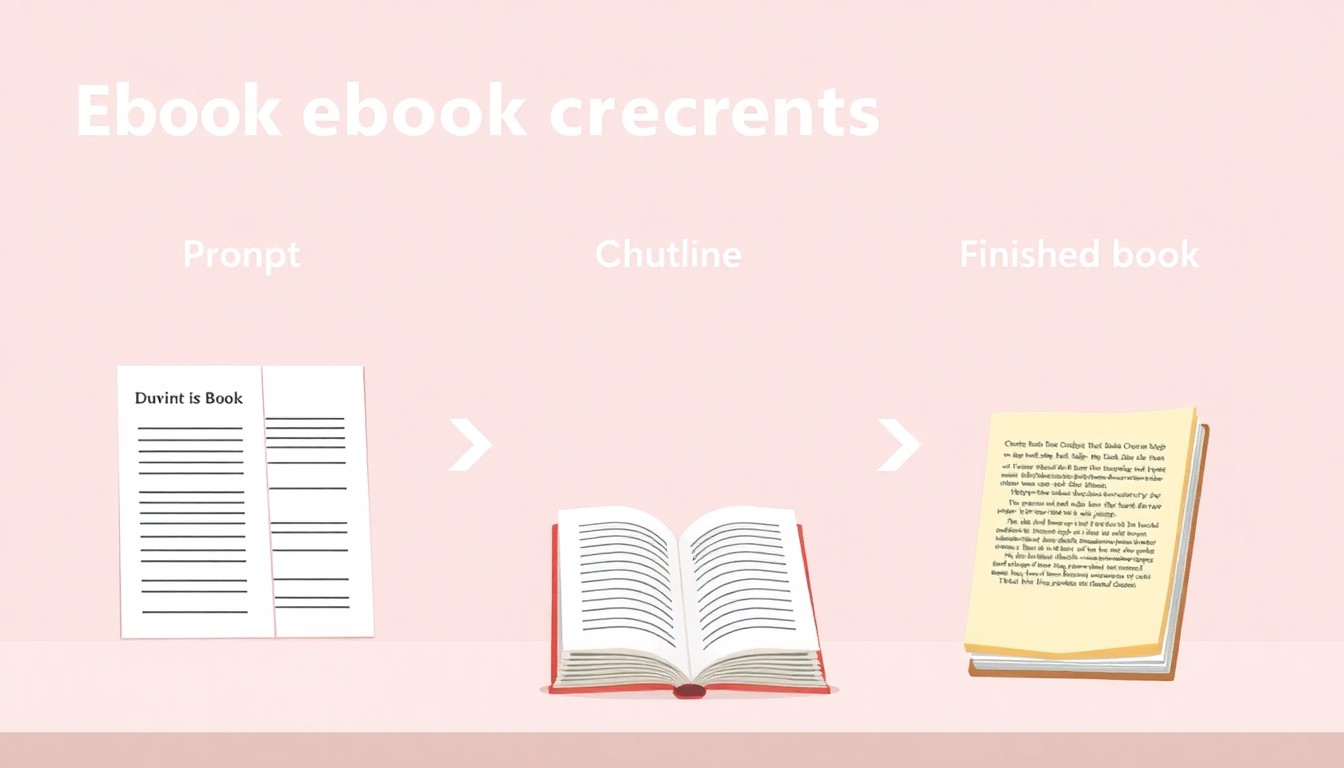
- Start with a clear concept. Know your reader and the transformation or story your book delivers. The clearer your prompt, the stronger the draft.
- Generate your manuscript. Use the AI to draft chapters from your outline, and refine passages with ChatGPT-style prompts until they sound right.
- Edit as the human co-author. Add your voice, real examples, and expertise. This is what separates a memorable book from generic AI output.
- Format and design. Let the platform build your cover and export clean files.
- Add metadata. Write a compelling title, description, and keywords so readers can actually discover the book.
- Publish. Push your finished book live and start sharing it.
Publish Your Book in One Place with Automateed
This is where Automateed stands out from tools that stop at a Word document. With Automateed, you don't just generate a book — you can publish it directly on our platform at ai.automateed.com.
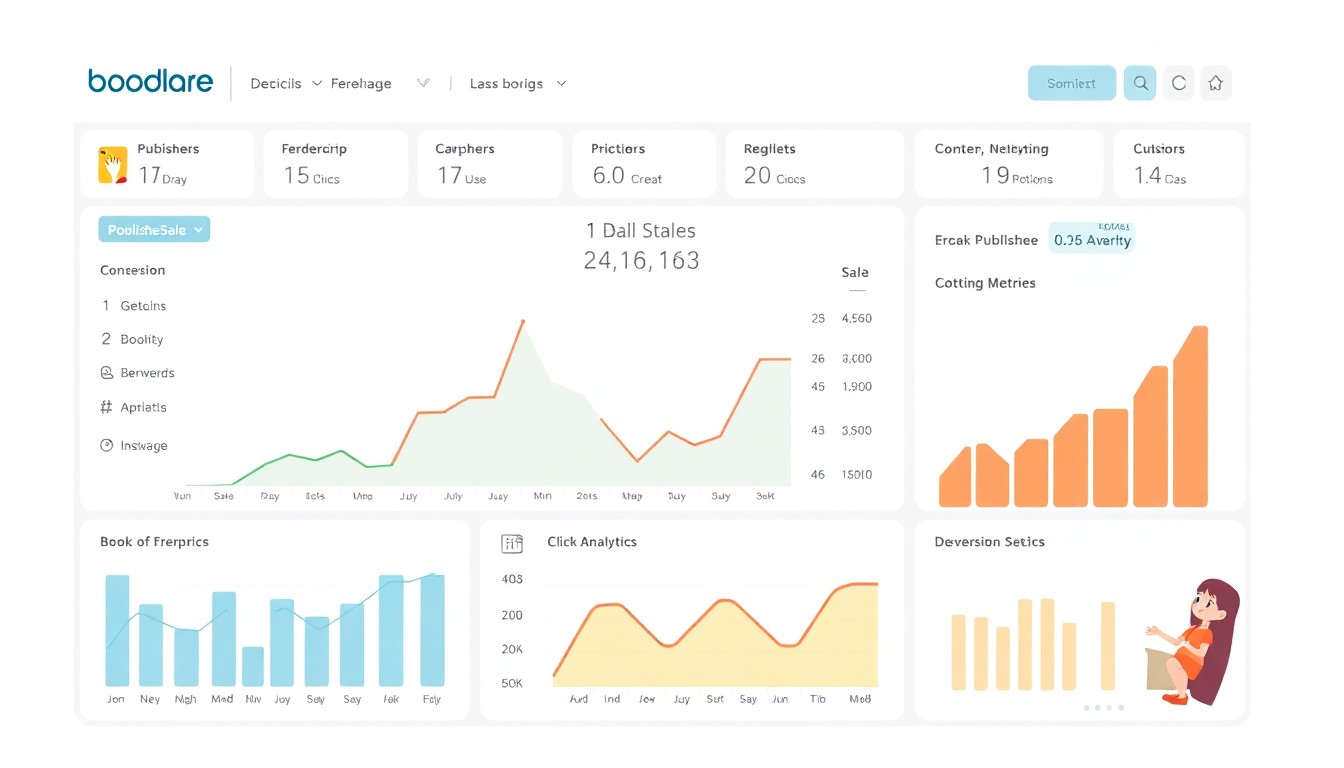
The entire system is built around a single, smooth path: you generate your book with AI, refine it, and then publish it to the Automateed publisher, where it gets a real home online with a shareable page and proper metadata. There is no exporting, reformatting, and uploading to five different services — the book authoring and publishing steps live under one roof. That means one workflow from prompt to published book, a built-in publisher so your finished book has somewhere to live and be read, and full control over your content and cover.
Publish your book with AI today
Generate your book with AI and publish it in one place — no agents, no gatekeepers, no reformatting across five tools.
Keeping Quality and Originality High
The most common criticism of books written by AI is that they can feel generic. That is a fair warning, and the fix is straightforward: treat AI as your co-author, not your replacement.
- Add what only you know. Personal stories, client examples, and hard-won lessons make a book impossible to mass-produce.
- Edit for originality. Rework AI passages in your own voice so the final book reflects you, not a template.
- Fact-check everything. AI can be confidently wrong, so verify names, dates, and claims before you publish.
- Be honest with readers. Disclosure about the use of AI builds trust and sidesteps many of the ethical issues in publishing.
Handled this way, AI amplifies a good author rather than flattening them. It is a tool for producing more of your best thinking, faster.
FAQs
Can I really publish a book written with AI?
Yes. There is no rule against using AI to write books, and platforms built for book authoring and publishing make it simple to take a finished manuscript live. The important thing is that the final book is edited, accurate, and genuinely useful to the reader.
Do I keep the rights to an AI-generated book?
With a self-publishing platform like Automateed you retain control of your content and how it is published — unlike a traditional or vanity publisher that takes a large share of rights and royalties.
How long does it take to publish a book with AI?
Drafting with generative AI can take hours instead of months. With editing and design, many authors go from idea to a published book in a week or less.
Is AI-written content good enough to sell?
It can be, when a human co-author edits for voice, originality, and accuracy. Readers care about value, not word count — deliver that and your book competes with anything on the shelf.
What is the difference between an AI writing tool and an AI book publisher?
A writing tool gives you a document. An AI book publisher takes you all the way to a published book — formatting, cover, metadata, and a live page readers can find. Automateed handles both in one workflow.