AI Character Generator
Three tools in one: an AI character builder that requests structured draft sheets — motivation, flaw, secret, backstory — an instant random character generator for rapid brainstorming, and a headcanon-style detail generator for characters you created. Free and no sign-up; review every result for consistency, third-party rights, and suitability before using it.
AI Character Generator
Draft AI character sheets, instant random characters, and headcanon-style prompts for your own cast.
Quick answer: what is an AI character generator?
An AI character generator drafts fictional character concepts from a few inputs — genre, role, and any details you provide — and requests a structured sheet: name, hook, personality, motivation, flaw, secret, and backstory. Use the AI mode when you have a partial idea worth deepening, the random mode when you want instant local rolls for brainstorming or NPCs, and the headcanon mode to suggest unstated details about a character you created. Automateed does not claim rights over the output; check copyright, trademark, and third-party character rights before commercial use.
Anatomy of a character sheet that generates plot
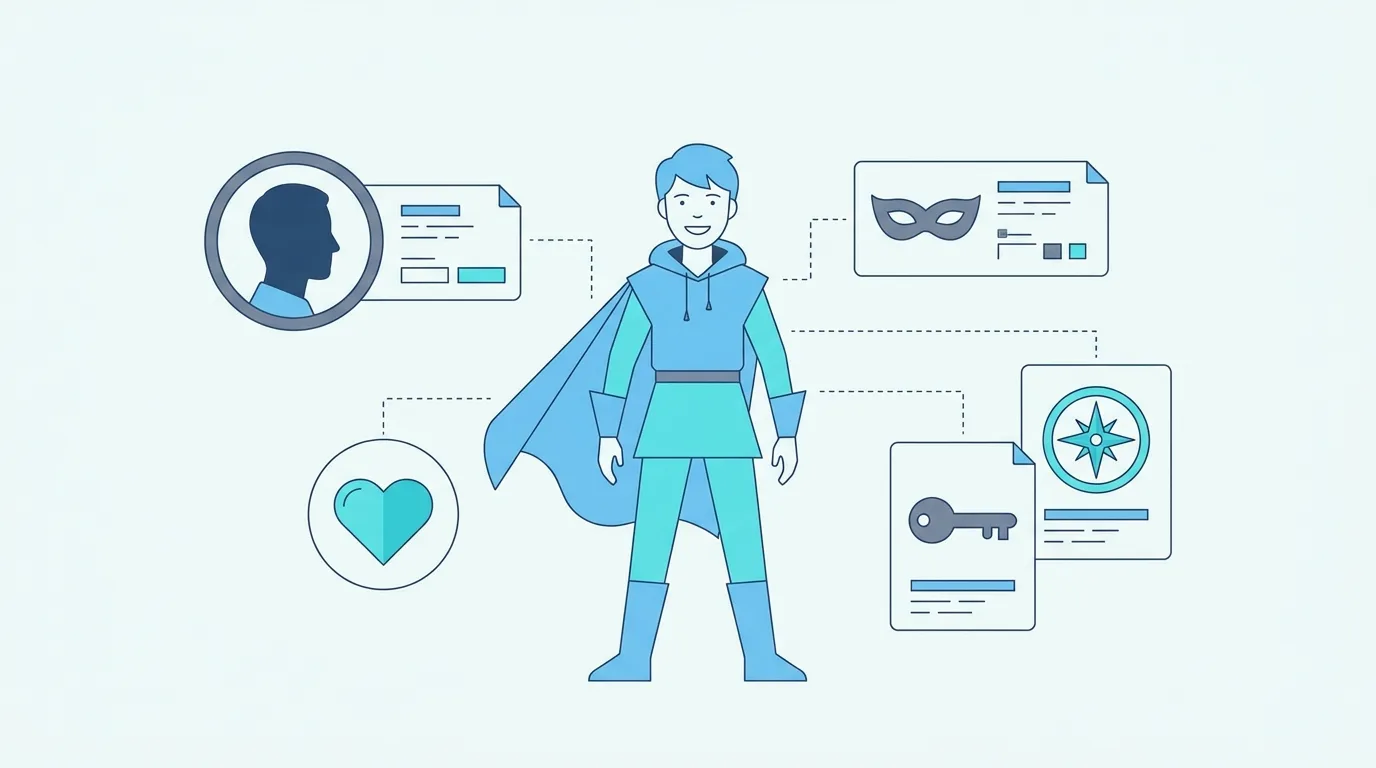
A sheet filled only with trivia — favorite color, star sign — may describe a character without giving them a reason to act. The fields below are included because each can create a decision or consequence in a scene:
One-line hook
The elevator pitch that tells you instantly whether this person can carry scenes. If the hook is boring, reroll before reading further.
Motivation (want + why)
The story engine. A want without a reason is a prop; the “why” is what makes readers take sides.
Fatal flaw
The trait that will cost them something in act two. Plot is a flaw under pressure — no flaw, no plot.
Secret
A pre-loaded scene. Every secret implies the moment of its revelation; good ones also imply who gets hurt.
Quirks
Recognition handles. Two specific habits do more characterization work than a paragraph of adjectives.
Backstory
The causal glue — it should explain the motivation and the flaw, not just list events. If it doesn’t connect, cut it.
The test for any generated character is simple: can you name the scene their flaw will ruin and the scene their secret will detonate? If yes, they are load-bearing. If not, reroll — characters are cheap at this stage and expensive at chapter twelve. Once one passes, drop them into the AI story generator and watch how they behave under an actual plot.
The random character generator: volume as a strategy
Why random beats careful, early on
Deliberate brainstorming can circle back to familiar archetypes. Random assembly offers combinations you may not have written down yourself: a gentle-giant demolitions consultant who measures her worth in usefulness, for example. Roll several, compare them against the story's needs, and keep only the combination that creates a useful conflict.
Built for NPCs and ensemble casts
The random tab is useful when a scene or tabletop session needs a supporting character quickly. It runs entirely in your browser — no AI call and no browser counter — and returns a name, occupation, quirk, secret, and goal. Check the combination against your setting, then use the AI tab only if you want a longer draft sheet.
Names, by the way, deserve their own pass — a random roll gives you a plausible placeholder, but genre and cultural fit matter for the final draft, which is what the dedicated character name generator is for, with six clearly labeled naming inspiration pools and genre-specific role hooks.
Headcanons, explained (and generated)
“Headcanon” is often used for an unstated detail someone imagines about a character: a stoic soldier secretly names his houseplants, or a class clown rehearses jokes in the mirror. The same exercise is useful when developing an original character. A workable suggestion is small, specific, and consistent with what the story already establishes; it remains a possibility for the writer to accept, revise, or reject.
The headcanon tab requests five details at a time, with controls for domestic, humorous, emotional, friendship, and sweet romantic angles. For an original character, these small routines can expose gaps in a draft sheet: which suggestions fit the established character, which contradict it, and which imply a scene worth writing? Keep only the details you can support in the manuscript.
This tool is designed for characters you created. Entering a third-party character does not provide a licence or permission to publish a derivative story, and changing names or surface details does not automatically resolve copyright, trademark, or other rights. For commercial work, use your own material or obtain permission from the relevant rights holder.
A character is a promise. A book keeps it.
Character sheets become useful when they survive actual scenes. The Automateed app has a separate fiction workflow; review its current outlining, drafting, cover, and export options in the app before moving a project there. No workflow guarantees continuity, so the author still needs to review the manuscript and final files.
Made and published with Automateed
The covers below link to public Automateed reader pages. They show finished book and storybook projects, but they do not prove that this character generator created or kept any particular cast consistent. If you want to develop your own character, begin with a short draft from the AI story generator or a constraint from the writing prompt generator, then verify the character's choices from scene to scene.

Romance fiction
A romance novel on a public Automateed reader page; it is not evidence that this generator created the cast.
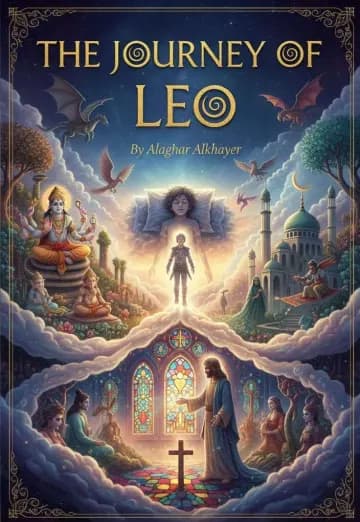
Inspirational fiction
A public inspirational-fiction project with one named protagonist; it is not evidence that this generator created the character.
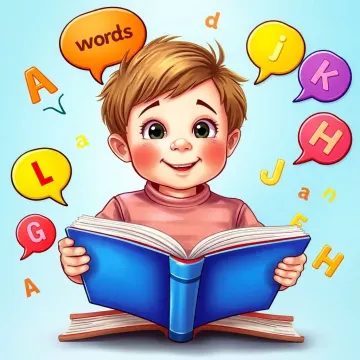
Children’s storybook
A public illustrated storybook with a recurring named character; inspect the reader page to judge continuity yourself.
Example output
The generated profile gives you material to test in scenes
The tool returns one character profile with a role, one-line summary, appearance, personality, motivation, flaw, secret, quirks, and backstory. The relationship and arc notes shown beside it are an example of the writer's next editorial pass, not additional generated fields.
Mara Voss, 34
A city archivist who can identify forged memories, but has quietly altered one record of her own.
To restore her brother’s erased citizenship before the archive closes.
She trusts documents more than people, even when the documents have been manipulated.
The forged record everyone is hunting carries her own authorization mark.
She labels every file but never locks her door.
Illustrative editorial notes — not generated by the tool.
needs the record fixed before dawn
knows Mara’s signature
ordered the original erasure
AI character generator FAQ
What does an AI character generator actually produce?
A structured character sheet, not just a name: age, role, a one-line hook, appearance, textured personality traits, a motivation with a reason attached, a flaw that costs something, a revealable secret, quirks, and a short backstory that explains how the pieces connect. The structure matters more than any single field — it is the difference between a character and a costume.
What is the difference between the AI tab and the random character generator tab?
The AI tab sends your genre, role, and notes to a language model and asks for a connected character sheet. The page tracks up to ten successful AI character or headcanon requests in a browser session, while a shared server fair-use limit can apply sooner. The random tab assembles candidates in the browser without an AI request or browser cap. In either mode, check the details for contradictions before using them in a draft.
What is a character headcanon, exactly?
A headcanon is an unstated detail someone imagines about a character — how they take their coffee, what they do at 3 a.m., or which apology they never delivered. The tab requests five small, specific details. It is safest as an original-character exercise; using a third-party character does not grant permission to adapt, publish, or sell a derivative work.
Can I use the headcanon generator for original characters (OCs)?
Yes. Give it your character’s name, a short description, and enough story context to avoid generic suggestions. Treat the returned habits and contradictions as possibilities: keep what fits, reject what conflicts with the manuscript, and rewrite the useful details in your own voice.
Do I own characters made with this generator?
Automateed does not claim rights over the output, but copyright depends on the human-authored expression in the finished work and is assessed case by case. Character names themselves generally are not protected by copyright, while trademark can be a separate issue. Characters derived from someone else’s fictional universe remain subject to that rights holder regardless of which tool described them.
Why do generated characters need a flaw and a secret?
Both fields create decisions a writer can test in a scene. A character who cannot ask for help behaves differently under pressure, while a secret creates a possible reveal and consequence. The request asks for both, but you should replace any field that does not fit the story.
How do I write a good prompt for an AI character?
Give it one contradiction and one concrete detail. “A disgraced court musician who hears lies as sour notes” gives the model clearer constraints than a broad list of traits because it suggests both history and a story world. The request asks the model to avoid generic trait lists, but you still need to reject any vague output.
Can I use this as a tabletop NPC generator?
Yes. The random tab supplies a name, occupation, quirk, secret, and goal without an AI request. Use those as session-prep prompts, check them against your setting, and move a recurring NPC to the AI tab only when you need a longer draft sheet.
How is this different from a character name generator?
A name generator produces a shortlist; this tool asks for a wider draft sheet. The companion character-name tool uses six clearly labeled fiction-oriented inspiration pools and genre role hooks. Verify any real-world cultural use there, then bring the chosen candidate here for motivation, flaw, secret, and backstory ideas.
Is there a limit on generations?
This page tracks up to ten successful AI character-sheet or headcanon requests per browser session. A shared server-side fair-use limit can apply sooner, including after requests to other free AI tools. The random tab does not make an AI request and has no browser counter. For a larger project, the Automateed app provides a book workspace where you can review character and chapter drafts together.
Will the generator create characters for dark or mature stories?
The prompt allows antagonists, lies, and difficult secrets while asking the model for general-audience output. Generated text can still miss that request, so review it before sharing and regenerate or remove anything unsuitable for your audience.
What should I do with a character once I like them?
Copy the useful fields into your notes, resolve contradictions, and test the character in a scene. You can use the AI story generator for a short draft or review the current fiction workflow in the Automateed app before moving the idea into a longer project.
Copyright reference: U.S. Copyright Office AI copyrightability summary. Rights in third-party characters and marks require separate review.
Build out the rest of the story
See your new character survive an actual plot.
Fiction-oriented naming pools with genre role hooks.
Test an original character inside a new scene.
Name a chapter around the decision this character must make.
Name the larger world around a recurring cast.
For when the cast finally gets its book.
Your cast is waiting for chapter one
Continue in Automateed's book workspace, then review the outline, chapter drafts, and exported files.