AI Story Generator
Pick a genre, tone, length, and point of view, then add an idea or let the model invent one. The result is a standalone draft with a requested beginning, conflict, and ending. Review it line by line before reusing it; if the premise needs a full book, you can carry it into Automateed's separate long-form workflow.
AI Story Generator
Pick a genre, add an idea if you have one, and generate a standalone story draft.
Quick answer: what is an AI story generator?
An AI story generator is a tool that turns a few inputs — genre, tone, length, and optionally your premise — into a narrative draft using a large language model. This tool requests a hook, a concrete conflict, and an ending that resolves or turns the situation, but the writer still has to confirm that the output contains those elements. Use it as a random idea machine when you have nothing, as a premise-tester when you have too many ideas, and as a first drafter whose output you review and rewrite in your own voice. Before publishing, check the current terms, third-party rights, destination rules, and the human-authored expression in the finished work.
How the AI story generator works
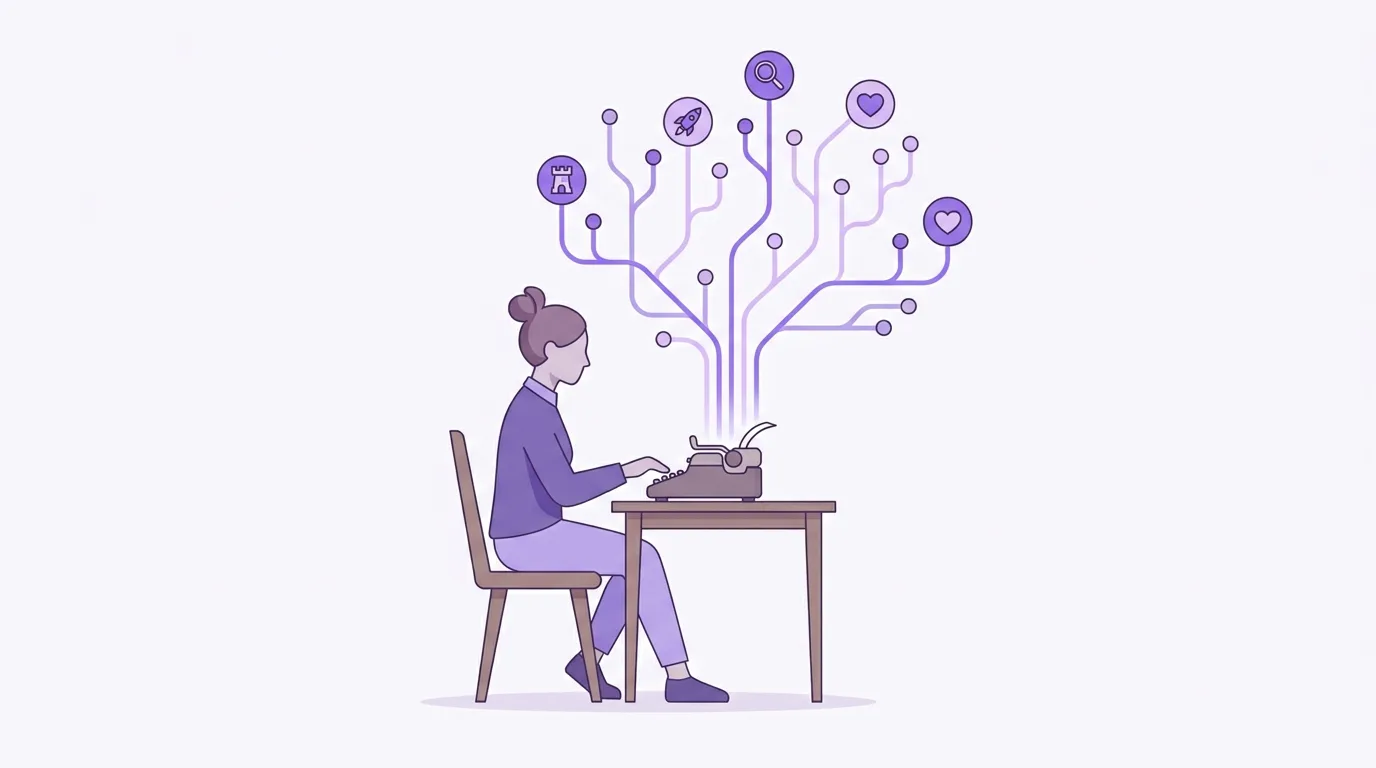
1. Set the frame
Genre adds a structural instruction, tone steers the emotional register, and length asks for a more compact or more detailed draft. Exact output length can vary.
2. Seed it (or don't)
Add a premise, a character, or a single image you can't shake. Leave it blank and the AI invents one — with cliché openings explicitly banned in its instructions.
3. Generate and reroll
Each click requests a titled, copyable standalone draft. A reroll may vary, repeat, or miss an instruction, so compare the result rather than assuming it is better.
4. Keep or grow
Copy a draft only after reviewing it. For longer work, enter the premise separately in Automateed and verify the app's current workflow and export options.
Under the hood, each genre maps to different structural instructions — a romance is told to end on a choice, a mystery to plant a wrong explanation before the right one. That is the practical difference between an AI story writer and a blank prompt: the selected structural rule is sent with your premise instead of asking you to reconstruct it on every run. If you'd rather collect one-line sparks and write the prose yourself, our writing prompt generator is the lighter-weight sibling of this tool.
Structural checks used by six genre presets
These are six of the structural rules sent with a generation request. They steer the model but do not guarantee compliance, so use the cards as checks when you read the draft:
Fantasy
Rule, cost, exception
This preset asks for one relevant world rule, a cost, and an exception that pressures the protagonist’s choice. Check the result for all three before keeping it.
Romance
Connection, obstacle, choice
The prompt asks for both leads, a reason they connect, and a credible obstacle. The ending should turn on a relationship choice rather than coincidence.
Mystery
Anomaly, misdirection, reversal
The prompt asks for an anomaly, a plausible wrong explanation, and an evidence-based reversal. Reject an ending that depends on a fact withheld from the reader.
Sci-Fi
Change, second-order effect, cost
The prompt asks for one speculative change, a human second-order effect, and a hidden cost that matters to the ending. Check that the technology changes a choice rather than decorating the setting.
Horror
Familiar, wrong, worse
The prompt asks for a familiar detail that is subtly wrong, staged escalation, and dread without dependence on graphic gore. Review the result because the model can still miss that boundary.
Thriller
Deadline, narrowing options, cost
The prompt asks for a visible deadline, fewer available options, and a concrete cost attached to failure or survival. Confirm that all three appear in the generated draft.
A useful exercise: run the same premise through two genres and compare what each structure surfaces. A missing-person premise becomes an anomaly-and-reversal machine in mystery, a clock-and-trap machine in thriller, and a proximity engine in romance. When one version refuses to leave you alone, that's the one worth outlining — the mid-sentence jump from "fun output" to testing a larger story structure usually happens right there.
Comparing this tool with Perchance
Perchance is a separate, third-party platform with community-created generators. Its current controls, limits, export options, and individual generator behavior should be checked on Perchance itself; this page does not make a feature or quality guarantee on its behalf.
Here is the narrower comparison we can verify: this Automateed page offers ten fixed genre presets, seven tone choices, three relative length settings, three points of view, and an optional 600-character premise. It requests one standalone draft per successful request, displays a ten-generation session count, and lets you copy the result.
This free tool does not save a project, preserve chapter memory, verify originality, or clear publication rights. If the AI endpoint fails, it offers a short offline starter assembled from curated phrase banks and labels that fallback explicitly so it is not presented as AI output.
From a standalone draft to a longer project
The free generator stops at one standalone draft and does not transfer a saved project automatically. If the premise warrants a longer treatment, you can enter it in Automateed's separate book workflow and inspect the current outline, chapter, cover, export, and plan options there before committing to a project.
Finished books on Automateed reader pages
Each cover links to a public reader page on publisher.automateed.com where you can inspect the listed book. They demonstrate finished reader pages, not that this free story tool created those manuscripts or that every writer will follow the same process. If your own draft needs structure first, the Pixar story spine guide gives you a separate sequence to test.

Romance fiction
A finished romance novel available on a public Automateed reader page.
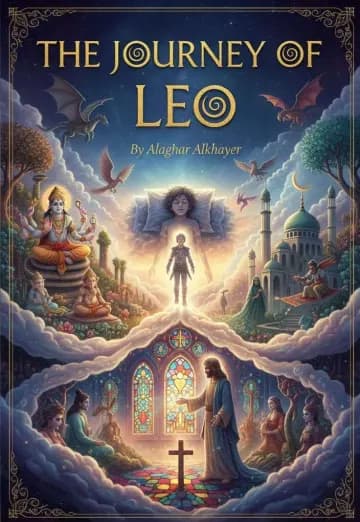
Inspirational fiction
A finished work of inspirational fiction on a public Automateed reader page.
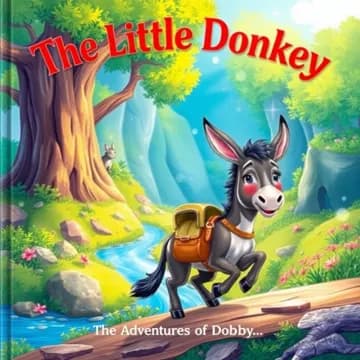
Children’s storybook
A finished illustrated storybook on a public Automateed reader page.
Story anatomy
A short story still needs a complete turn
The generator is prompted to open in motion, give the protagonist a concrete want, apply resistance, and land an ending rather than simply stopping at the token limit.
A locksmith finds a warm key in a frozen door.
Open the room before the building wakes.
Every lock she touches forgets its shape.
Use the key on the door or on her own memory.
The room opens from the inside.
“The key was warm enough to leave a pulse in Nera’s palm, though the door had been sealed since winter.”
How to actually use AI story output
Treat it as a quarry, not a statue
The generator's job is volume and structure; yours is selection and voice. Generate five takes on a premise, harvest the best opening from one and the best reversal from another, and rewrite the emotional peak — the confession, the discovery, the last line — entirely by hand. Keep a record of those creative decisions. The U.S. Copyright Office's AI guidance says copyright protects human-authored expression, not purely machine-generated material; the scope depends on the human contribution in the finished work and may differ outside the United States.
Name the character before you roll
A named person, a specific want, and an obstacle give the model constraints you can check. Try that concise version beside a world-heavy prompt and compare the drafts yourself. If casting is the sticking point, build someone in the AI character generator first, then paste their one-line hook here — the story will bend around them.
Use flash length to test premises
Flash and extended settings let you compare how the same premise behaves at two requested lengths. Use the short version to expose missing stakes, then try the longer version to see whether added scene space helps — or put the key conflict into the writing prompt generator and draft it yourself. This is an editing exercise, not a prediction that the premise will sell.
Mind the disclosure rules where you publish
KDP's current Content Guidelines require disclosure of AI-generated content and put compliance responsibility on the publisher. Magazines, contests, and fan platforms set their own rules, so check the destination's current policy before submitting.
AI story generator FAQ
Is this AI story generator really free?
Yes — this page offers ten AI-generation attempts per browser session without an account or card. A server rate limit also applies. The Automateed app is a separate product with its own current preview, credit, and plan terms.
How is an AI story generator different from ChatGPT?
This page exposes fixed controls for genre, tone, length, and point of view, then adds a structural instruction for the selected genre. A general chatbot may support a wider conversation, but its current behavior depends on the product, model, and prompt. This free tool creates one standalone draft at a time and does not preserve a multi-chapter project.
How does this compare to the Perchance AI story generator?
Perchance is a separate third-party platform, and its generators and features can change, so verify its current interface directly. On this Automateed page, the documented behavior is ten generations per browser session, ten genre presets, tone, length and POV controls, an optional premise, and a copyable standalone draft. It has no saved project or multi-chapter memory.
Who owns the stories this generator writes?
Do not infer ownership or publication clearance from the generate button. Review the current Automateed terms and any third-party rights involved. In the United States, the Copyright Office says copyright protects human-authored expression, while purely AI-generated material is not protected; the result depends on the human contribution to the finished work.
Can I publish AI-generated stories on Amazon KDP?
KDP currently requires publishers to inform Amazon about AI-generated text, images, or translations when publishing or republishing a book. It distinguishes AI-generated from AI-assisted content. Check the current KDP Content Guidelines, verify the manuscript, and make sure it complies with intellectual-property and customer-experience rules before upload.
What makes a good prompt for an AI story generator?
Specificity with a built-in problem. "A fantasy story" produces averages; "a locksmith who discovers her keys open one day into the past, and the police have noticed" produces a story. Give the generator a character with a want, an obstacle with teeth, and one concrete image. Genre and tone settings handle the rest.
Can it write long stories or a full book?
The free tool offers three relative length settings for one standalone piece, but model output can run shorter or longer than requested. The result shows the actual word count. It does not save an outline, characters, or chapter state. The Automateed app is a separate long-form workflow; verify its current creation and export options in the app before starting a project.
What genres does the AI story generator support?
Ten presets — fantasy, romance, sci-fi, mystery, thriller, horror, adventure, comedy, drama, and fairy tale — each mapped to genre-specific structural conventions rather than just a label swap. Your premise text can push it anywhere else: westerns, satire, mythology retellings, slice-of-life.
Is there a limit on how many stories I can generate?
Ten per browser session in this tool, plus a server rate limit. The remaining count is displayed beside the generate button. Current app limits and preview options are separate and should be checked in the app.
Will two people with the same settings get the same story?
Not necessarily. Model sampling can produce variation, but repeated or near-duplicate wording is still possible. Compare every result and discard a reroll that is too close to an earlier draft.
Can I use this as a random story generator, with no idea at all?
Yes — leave the premise blank and the AI invents one, and the instructions specifically push it away from clichés like waking-up openings and weather reports. Rolling blind is a legitimate technique: writers use random premises the way musicians use scales, as reps that occasionally surface something worth keeping.
Does the generator work for children’s stories and bedtime stories?
Fairy Tale plus a light or whimsical tone asks the model for general-audience output, but an automated model can still miss an instruction. An adult should review every line before sharing it with a child. Check the Automateed app for its current illustrated-story options.
Keep building the story
Build the cast before you generate the plot.
One-line sparks when you want to write it yourself.
For the day the story becomes a manuscript.
Explore names before you lock the cast.
Name sections after the draft has a real structure.
Study a compact sequence for setup, change, and consequence.
If the premise needs more room
Carry the premise into Automateed and inspect the current outline, chapter, cover, export, and plan options.