Table of Contents
An AI self help book writer takes the thing you already have—a method, a framework, a set of hard-won lessons—and builds the book around it: chapter structure, drafted prose, exercises, cover, and a publish-ready file for Amazon KDP or direct sales. Self-help and personal development is the biggest nonfiction category in self-publishing, and it's also the one where most would-be authors stall in the same place: they know their material cold but never survive the blank page. That's the specific gap this tool closes.
What separates a useful AI self help book writer from a text generator is structure. Self-help books that actually help follow a repeatable chapter architecture—principle, story, exercise—and they exist inside a business model where the book is rarely the whole product: for coaches and consultants it's the authority piece and lead generator in front of services, courses, and workshops. This page covers the chapter framework, the workflow, the coach/consultant play, and the workbook companion that readers increasingly expect.
Key Takeaways
- Self-help is the largest nonfiction self-publishing category—and the most crowded, so a named framework and a specific audience are what make a book findable.
- The chapter architecture that works is repeatable: principle, then story or evidence, then exercise. Brief the AI with this pattern and every chapter comes out usable.
- Your framework is the product; AI drafts the connective prose around it. Books built on a real method survive editing—books built on vibes don't.
- For coaches and consultants, the book is a lead magnet and authority asset: it warms up clients, feeds the email list, and fronts a funnel.
- A workbook companion is a natural second product from the same material—Automateed has a workbook mode—and self-help sells unusually well in audio.
What Is an AI Self Help Book Writer?
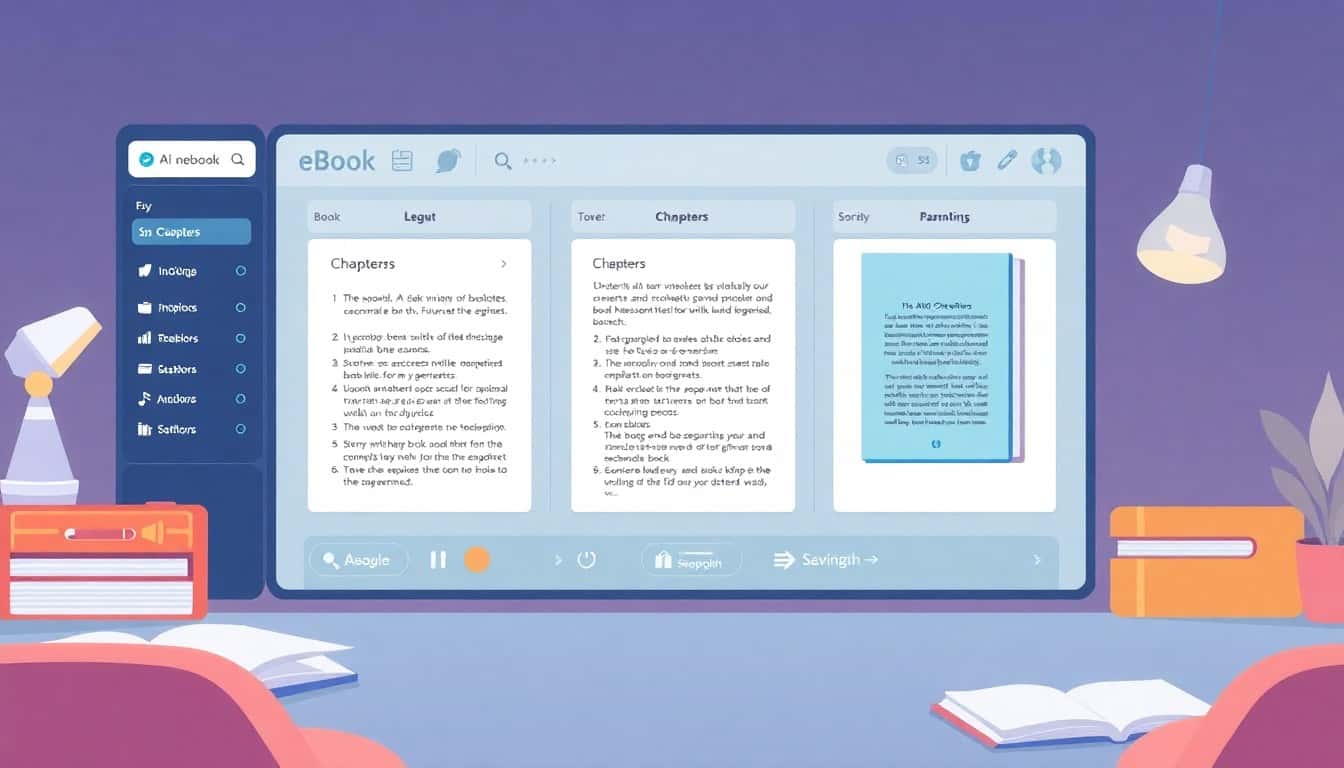
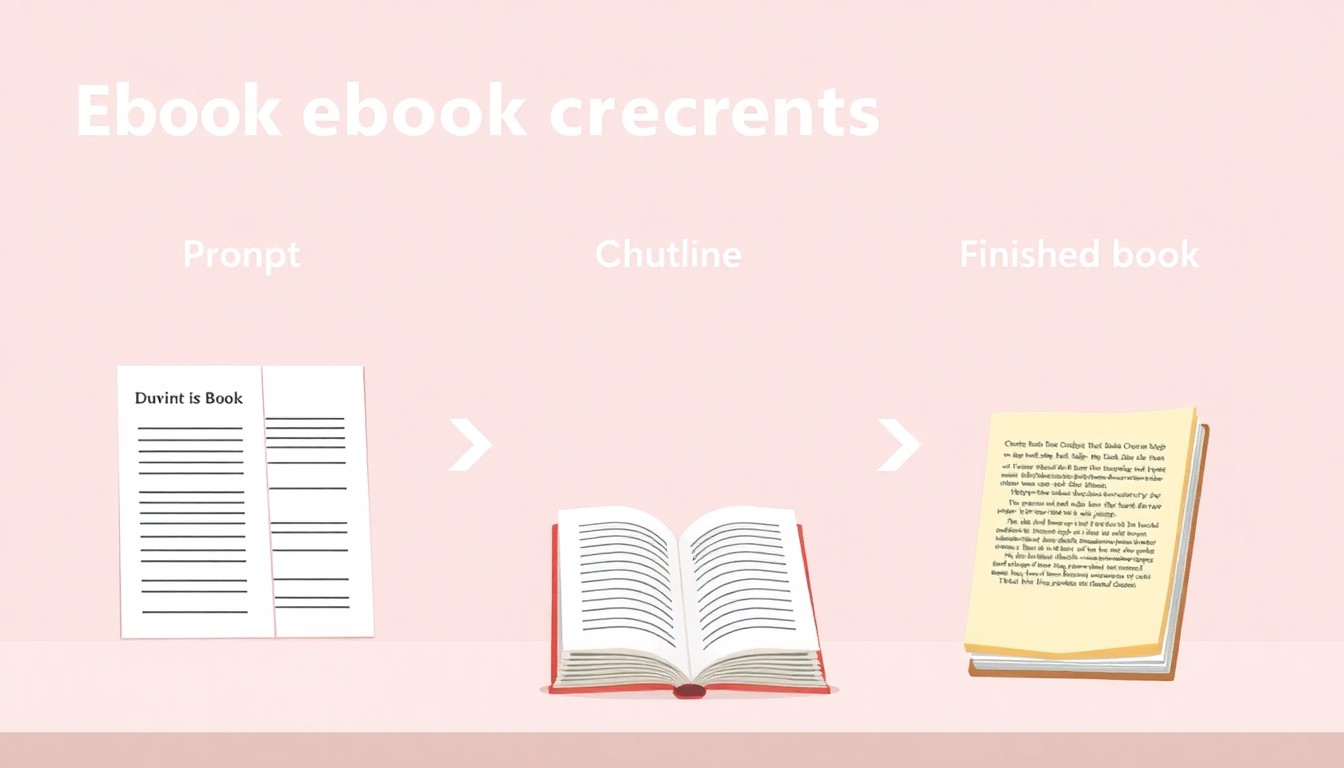
It's a nonfiction book generator with a workflow that mirrors how good self-help is actually assembled. You describe the book—topic, audience, transformation promised, and your method ("a book for new managers drowning in their first year, built on my 4-part delegation framework, practical and direct")—and the AI proposes a chapter outline. You rearrange it until it matches how you'd teach the material in a workshop. Then chapters are drafted in order, each aware of what previous chapters covered, so concepts build instead of repeating. The draft lands in an editor where you replace generic examples with your client stories, sharpen the exercises, and cut filler; then you generate a cover and export EPUB and PDF, publish-ready for KDP. It's the same engine as our general AI ebook generator, briefed for transformation books instead of information books.
The honest division of labor: AI is excellent at structure, drafting, and consistency, and it has no experience of its own. A self-help book's credibility comes from the specificity only you can add—the client who tried the framework and failed at step two, the number that changed, the sentence a reader will underline. Generate the skeleton and the connective tissue; supply the life yourself.
The Chapter Framework: Principle, Story, Exercise
Bestselling personal development books are more formulaic than their covers admit, and the formula is worth stealing because it's reader-shaped:
Principle. One idea per chapter, stated plainly in the first page. Not three ideas; one. If your book has eight chapters, your method has eight moves.
Story or evidence. The principle made concrete: a client case, your own failure, a before/after. This is where AI drafts need the heaviest human replacement—swap the plausible generic anecdote for the true specific one, because readers can smell the difference.
Exercise. Something the reader does before the next chapter: a worksheet, a script to try in a real conversation, a 10-minute audit. Exercises are what separate books that get finished and recommended from books that get abandoned at chapter three—self-help readers judge a book by whether their behavior changed.
Brief this pattern explicitly and the outline will come back pre-shaped: each chapter one principle, with its story slot and its exercise. Add the frame around it—an opening chapter that names the problem and the promise, and a closing chapter that assembles the principles into the full method the title sold.
The Coach and Consultant Play: A Book as Business Infrastructure
For coaches, consultants, therapists, and trainers, the royalty math is the least interesting part of a self-help book. The book is infrastructure:
Authority. "Author of..." changes how prospects arrive at every sales conversation. A book is the one credential clients evaluate directly—they read it and either trust your thinking or don't—which beats any certificate on the wall.
Lead generation. The book (or its first chapters) works as the top of your funnel: given away for an email address, handed out after talks, run as a $0.99 KDP entry point. Our AI lead magnet generator covers the short-form version of this play, and a full book is the heavyweight version—each chapter's exercise can point to a downloadable worksheet on your site, turning readers into subscribers. The mechanics of wiring book-to-list-to-offer are covered in our guide to sales funnels for authors.
The ascension path. Book ($10) → workshop or course ($200) → coaching or consulting ($2,000+). Each chapter that lands makes the next tier an easier yes. This is why the book must genuinely deliver the method rather than tease it: a book that holds back reads as an ad, and ads don't create clients. Give the whole framework away in the book; people pay for implementation, accountability, and access—not for information they could have gotten in chapter six.
To complete the picture, put a home behind the book: an author website with the worksheet downloads, your list, and the next offer.
Outline, chapters, exercises, cover, and a KDP-ready file—free to start, no credit card.
Start Writing FreeThe Workbook Companion: One Framework, Two Products
Once the book exists, the workbook companion is the closest thing to free money in this category: the same framework, restructured as prompts, worksheets, checklists, and space to write. Readers who loved the book buy it to implement; workshop leaders buy it in multiples. Automateed builds workbooks as a distinct book type—guided structure and printable layout rather than flowing prose—so generating the companion from your existing chapter plan is a short project, not a second book. Standard packaging: same cover system as the book with "Workbook" prominent, priced comparably or slightly higher (implementation tools price on outcome, not page count), published as a KDP paperback because workbooks need to be written in.
The third format is audio: self-help consistently over-indexes in audiobooks—commuters and gym listeners are the category's natural audience—and the AI audiobook generator turns the finished manuscript into a narrated MP3 audiobook with realistic voices. Book, workbook, audiobook: one framework, three products, one drafting effort.
What Makes Self-Help Actually Help (and Sell)
A named, specific audience. "Confidence" is not a book; "confidence for engineers moving into management" is. In the largest nonfiction category, positioning is survival—the title and subtitle do most of the selling, and the subtitle formula (outcome + audience + timeframe or method) is worth iterating twenty times. Our book title generator is built for exactly that iteration.
Claims you can stand behind. Don't let a draft promise cures, invent credentials, or overstate research. Present your method as your method, tested in your practice—that framing is both honest and more persuasive than borrowed authority. If a chapter touches health or mental health, keep it clearly in "this is not medical advice" territory.
Behavior change over inspiration. Cut every paragraph that only motivates. The reader test is brutal and fair: after each chapter, what will they do differently tomorrow? Books that answer that question get the reviews, and in this category reviews are the moat.
Distribution beyond Amazon. KDP is the default shelf, but self-help is also the category where direct sales work best because you own the audience relationship—your list, your talks, your clients. The Automateed marketplace pays 85% royalty on direct sales, and our guide to selling ebooks online maps the full channel mix.
Frequently Asked Questions
Can AI write a self-help book?
AI can draft one—structure, chapters, exercises—from a brief describing your audience, promise, and method. Whether it helps anyone depends on what you bring: a real framework and true stories to replace the draft's generic examples. The strongest use is AI as drafting engine around your material, not as the source of the advice.
Do I need credentials to publish a self-help book?
No formal credentials are required to publish. What you need is honest positioning: present your method as what it is—your approach, built on your experience—and don't claim licenses or research you don't have. Readers extend surprising trust to specific, tested, plainly-stated experience; they punish inflated authority. Health and mental-health topics deserve extra care and clear disclaimers.
How long should a self-help book be?
Most self-published personal development books run 30,000-50,000 words—8 to 12 chapters, readable in a few sittings. Shorter, denser books are finished and recommended more often than padded 80,000-word ones. Length should follow the framework: one chapter per principle, plus an opening and a closing chapter.
Is it ethical to sell an AI-written self-help book?
It's ethical when the advice is genuinely yours and the drafting is what AI did—and when the book's claims are honest. Amazon KDP allows AI-assisted books with disclosure of AI-generated content at publishing. The line that matters isn't the drafting tool; it's whether the book makes promises its author can't stand behind.
Can I turn my coaching program into a book with AI?
Yes, and it's the highest-fit use case: your program already has the structure a book needs—modules become chapters, sessions become principle-story-exercise sequences. Feed the AI your program outline and materials, generate the draft, then replace generic examples with anonymized client stories. Most coaches find the book then feeds the program right back, as their most effective lead magnet.
Should I make a workbook version of my self-help book?
Usually yes, once the main book is done. The workbook reuses the framework as prompts, worksheets, and checklists, sells to your warmest readers (the ones who want to implement), and works as a paperback that people write in. Automateed generates workbooks as their own book type, so it's a short project on top of material you already have.
Conclusion
The self-help shelf is crowded, but the queue of people with a genuinely useful framework and no book is longer still—and that's who an AI self help book writer is actually for. The tool removes the drafting barrier: structure proposed, chapters written in order, exercises included, cover and export handled. What remains is precisely the work that should remain yours—the method, the true stories, the honest claims, and the decision about what the book is for: royalties, authority, leads, or all three. If the framework already works in your practice, the book version of it is now a few focused weeks away. Write the brief and get chapter one on the page.
Framework in, finished book out—plus the workbook and audiobook behind it. Join 80,000+ creators.
Create Your Book Free