Step 1
Describe the book
Add a title, focused topic, audience, language and any non-negotiable instructions.
Pick a theme and genre, then create a sequence of self-contained stories with varied protagonists, settings and endings — connected without repeating the same plot.
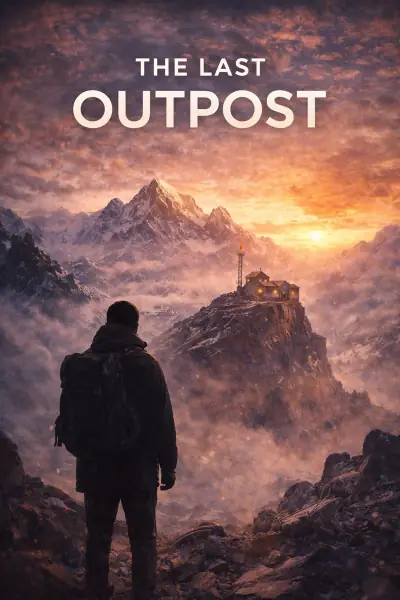
Fiction cover inspiration for a collection built around a consistent genre and reader promise.
The Automateed AI Short Story Book Creator generates a themed anthology of 3 to 15 complete short stories in eight genre directions — mystery, sci-fi, fantasy, romance, horror, slice of life, thriller or mixed. The anthology is outlined first so protagonists, settings and tones vary across the book; each story gets a tagline and a full arc with a resolved ending, and the project exports with an AI cover as a formatted PDF. One credit covers 3 stories.
If the stories share characters or one continuous arc, the novel writing workflow may be the stronger format. For a true collection, use the short story publishing guide to order and package the pieces.
77,000+
books created on Automateed, per our published report
216
countries where those books were created
100+
supported generation languages
11
structured book creators sharing this workflow
How it works
Every structured creator uses the same library, status tracking, preview and export experience. The content schema changes to fit this book type.
Step 1
Add a title, focused topic, audience, language and any non-negotiable instructions.
Step 2
Set the scope and see the required ebook credits before generation starts.
Step 3
Automateed outlines the sequence, creates each story and generates a matching cover.
Step 4
Edit individual fields, check the complete preview and download the formatted PDF.
The classic failure of AI story collections is eight retellings of the same plot wearing different names. This creator outlines the anthology before writing: the plan is explicitly instructed to vary protagonists, settings, stakes and tone across the book, so “Signals After Midnight” gets a trucker, a radio astronomer and a night-shift nurse — not three interchangeable listeners.
Each story also receives a tagline used for navigation and table-of-contents flavor, which forces every piece to have a stateable premise. If a story cannot earn a one-line tagline, the outline stage has already exposed it — before you spend reading time on a full draft.
The generation prompt requires narrative completeness: a beginning that establishes, an escalation that complicates, and a resolved ending — no cliffhangers standing in for endings, no summaries pretending to be scenes. You get self-contained short fiction, which is why the anthology reads in any order.
The eight genre directions — mystery, sci-fi, fantasy, romance, horror, slice of life, thriller and mixed — control convention: a mystery must play fair with its reveal, a romance needs a relationship arc, horror needs dread with a shape. The mixed mode is the interesting one for literary themes, letting one anthology cross genre borders while the shared theme holds it together.
Short fiction has quietly good economics for niche publishers: commuter-length reading, strong theme-first marketing (“small town secrets”, “roads not taken”) and a format readers finish and review. A 3-story sampler works as a reader-magnet for a fiction newsletter; an 8-story default anthology is a sellable ebook; 15 stories is a full collection.
At one credit per 3 stories, the pricing tracks that ladder: a 3-story sampler costs 1 credit, the 8-story default 3 credits, and the 15-story maximum 5. As always, the create form shows the number before you generate, and the AI cover plus formatted PDF ship with the project.
Anthology editors do three passes, and generated collections deserve the same. First continuity within each story — names, timelines, motivation, whether the ending actually resolves what the opening promised. Second, collection-level texture: if two stories share a twist or an opening rhythm, rewrite or cut one.
Third, order. Lead with the second-strongest story, close with the strongest, and bury nothing weak in the middle — readers of collections quit at the first dud. Every story is editable in the structured editor, and deleting a story is often the highest-value edit; our editing AI books guide covers the deeper line-edit workflow.
The export is a formatted PDF with story navigation and taglines intact, plus the AI cover kept with the project. Short story collections position best with the theme on the cover and the genre in the subtitle — “Nine stories of second chances” tells a browser exactly what they are buying.
If a story outgrows its slot — a premise that wants forty thousand words instead of four — that is a feature: take it to the long-form fiction workflow via the AI book writer and the novel writing guide, and let the anthology remain the proving ground it has historically been for fiction writers.
Example concepts
Start with a reader, context and outcome. These examples show the level of focus that gives the generator something meaningful to design around.
Literary stories about choices that reshape ordinary lives.
Science-fiction encounters tied together by a mysterious broadcast.
Interlocking mysteries with different protagonists and stakes.
Built for the format
Mystery, science fiction, fantasy, romance, horror, slice of life, thriller or mixed.
Each story is asked to deliver a beginning, escalation and resolved ending.
The outline is instructed to vary protagonists, settings and tone.
Build a compact themed set or a longer anthology draft.
Who it helps
Draft a collection architecture and story material to revise deeply.
Prototype a focused anthology for a clear readership.
Create prompts, examples and revision material around one shared theme.
Long-form fiction needs developmental and line editing. Check continuity, pacing, repeated phrasing, character motivation and genre expectations. Rewrite substantially until the stories share your intended voice and quality bar.
FAQ
Complete stories: the prompt requires a beginning, escalation and a resolved ending for every piece — no cliffhangers or summaries. Each remains a draft to edit like any manuscript, but structurally each one stands alone.
The anthology is outlined before drafting, with explicit instructions to vary protagonists, settings, stakes and tone across the collection while keeping your shared theme. Each story also gets its own tagline, which surfaces premise overlap early.
Eight directions: mystery, sci-fi, fantasy, romance, horror, slice of life, thriller, or mixed. Mixed lets a literary theme cross genres within one book while the theme holds the collection together.
From 3 to 15, defaulting to 8. Three stories make a newsletter reader-magnet, eight a sellable ebook anthology, fifteen a full collection.
One credit per 3 stories, rounded up: a 3-story sampler is 1 credit, the 8-story default 3, and the 15-story maximum 5. Stories are the most generation-intensive structured unit, which the pricing reflects, and the cost is shown before you start.
Yes — each story and its tagline are editable in the structured editor, and cutting a weak story entirely is often the best edit an anthology gets. The PDF re-exports after every revision round.
Stories are generated as complete short fiction sized for anthology reading rather than to an exact word target. If a premise deserves novel length, move it to the long-form workflow with the AI book writer and keep the anthology tight.
Yes — a themed anthology draft makes strong workshop material: same theme, varied executions, endings to argue about. Generate a small 3–6 story set and let the group revise stories against each other.
Generation supports 100+ languages. For fiction, idiom and rhythm matter enormously, so plan a native-speaker line edit before publishing translated or non-English collections.
A formatted PDF of the complete anthology — section navigation, taglines and stories — plus the AI-generated cover stored with the project for your publishing route, whether that is KDP, your own store or a reader magnet.
Continue the workflow
Use the relevant editorial, design and selling guides before releasing the finished project under your name.
One subscription unlocks every creator below — same login, same library, same export quality.
Step-by-step guides with pro tips, tools lists and common mistakes.
Open creatorDestination guides written like a local — itineraries, food, insider tips.
Open creatorLesson-by-lesson courses: vocabulary, dialogues, grammar and exercises.
Open creatorFitness, reading, fishing & maintenance logs with structured tracking pages.
Open creatorGenerate a complete, designed ebook from one prompt — PDF, EPUB & flipbook.
Open creatorFull-length books, fiction or non-fiction, from a single prompt.
Open creatorSet the scope, see the credit cost and keep control of every generated story before you export.