Table of Contents
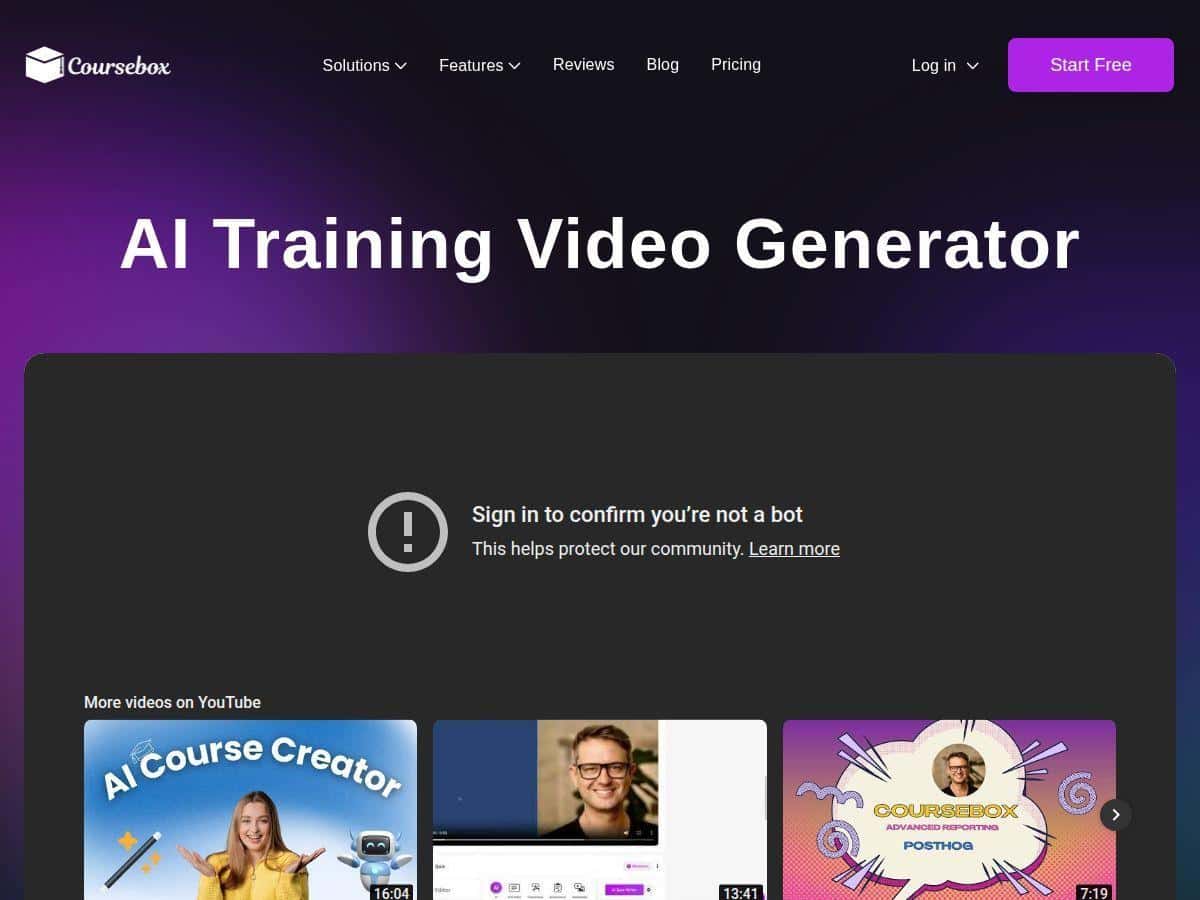
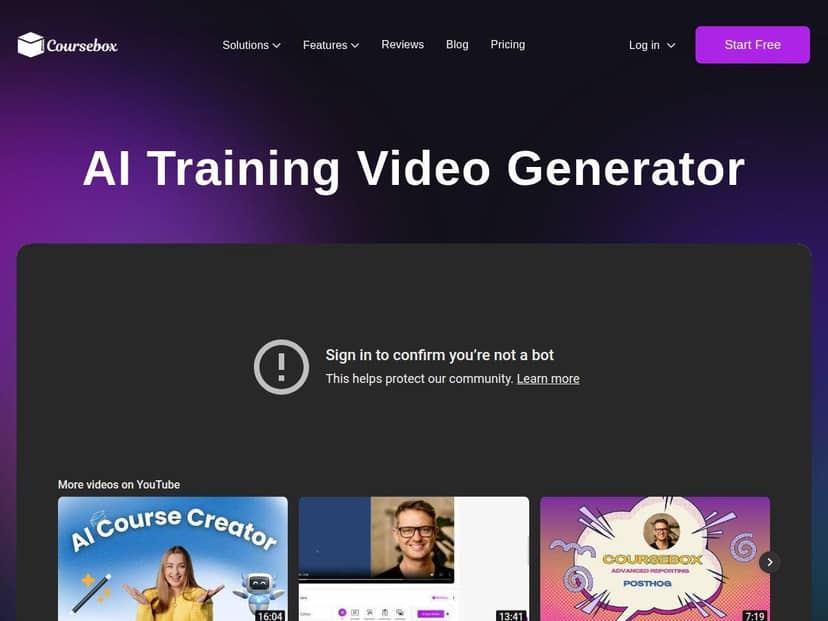
If you’re trying to build training videos but you don’t want to spend weekends filming, re-recording audio, and wrestling with editing timelines… I get it. That’s exactly why I wanted to test Coursebox AI. The pitch is simple: write a script, generate a video with an AI avatar, and publish it inside a course/LMS-style setup.
In my experience, it’s one of the more practical tools for e-learning—less “film a blockbuster” and more “ship training that actually looks professional.” But it’s not perfect, and there are a few moments where you’ll want to adjust your expectations (especially if you’re picky about animation and scene control).
Coursebox AI Review: What I Actually Found
As someone who’s tried a bunch of “script-to-video” tools, I wanted to see if Coursebox AI is more than just a nice demo. So I tested it with a training-style script instead of a flashy marketing blurb.
My test script: a ~450–550 word internal training walkthrough on “How to complete a basic incident report.” It included short sections like: what information to collect, common mistakes, and a quick checklist at the end. Nothing fancy—very typical of HR/compliance onboarding.
What I measured (because “looks good” isn’t enough):
- Avatar + voice behavior: how clear the pronunciation was, whether the cadence sounded natural, and how often it stumbled on longer sentences.
- Lip-sync: whether mouth movement matched the speech closely enough to feel believable (especially around consonants).
- Background options: whether I could get something clean and on-brand without turning the video into a distraction.
- Turnaround time: roughly how long it took to generate, and what happens when you re-run the render after edits.
- Publishing workflow: how smoothly it fits into a course/LMS structure, not just a standalone video.
Here’s what surprised me—in a good way. The workflow is genuinely straightforward. I didn’t have to “build a shot list.” I basically went from script to avatar video with a handful of choices, then moved into course creation. That’s a big deal if you’re trying to produce training at scale.
Avatar realism & voice clarity: the avatar came across as more natural than I expected. The voice sounded clear for the most part, but like most AI voices, it can occasionally flatten emphasis on certain words. When I used longer sentences with a lot of commas, I noticed the delivery got slightly more robotic. Still, for training content, it was readable and understandable without straining.
Lip-sync check: it wasn’t “perfect actor-level,” but it was close enough that I didn’t feel pulled out of the video. The mouth movement tracked the speech reasonably well, and the timing felt consistent across the script.
Background customization: I tested a couple of background styles—clean, neutral options worked best for training. When I picked a busier background, it started competing with the message. So my preference is simple: keep the background calm and let the script do the heavy lifting.
Turnaround time: generation was quick enough that I could iterate. I re-ran the generation after tightening a couple of lines in the script, and I didn’t feel stuck waiting hours. That matters because training scripts often need 2–3 passes before they’re “ready for humans.”
Bottom line: Coursebox AI is a strong option for HR onboarding, compliance training, product walkthroughs, and any situation where you need consistent, professional-looking videos without filming. Just don’t expect full creative freedom like you’d get with custom animation, motion graphics, or a video editor controlling every cut and transition.
Key Features That Matter (and How They Work)
- AI-Generated Videos (script → avatar video)
- This is the core. You paste or write your script, pick an avatar, choose voice/language settings, and generate the video. What I liked is that it feels built for training—not just talking-head content that looks like a random tool demo.
- Multi-Language Support (100+ languages, 300+ accents)
- I tested one script in English and then switched language/voice settings to see how it handled a different accent profile. The multilingual support is a real strength if your audience spans regions. One thing I noticed: accents can sound slightly “AI-processed” depending on the language, but overall it’s usable for training. If you’re dealing with strict localization requirements, you’ll still want a quick review pass.
- Avatar Library (500+ avatars)
- There are a lot of options, and it’s not just about picking “a face.” Different avatars can change the vibe of the training—friendly vs. more formal. In my case, I picked a neutral, professional look because it matched onboarding content better than something overly stylized.
- Customization Options (scripts, backgrounds, branding)
- This is where you can make the output feel less generic. I adjusted the script wording to improve clarity, changed background choices to keep the focus on the speaker, and added branding-style elements where available.
- Practical tip: if you want the video to feel “designed,” don’t overload it. Use one consistent background style across lessons, and keep text/branding minimal so learners don’t get distracted.
- No Filming Needed
- Yes, it’s AI-driven video creation. But the real win is that you can produce training without booking studio time or chasing reshoots. If your job is to keep onboarding content fresh, this saves a ton of operational hassle.
- LMS & Integration (embed inside online platforms)
- Coursebox is more than a video generator—it’s set up to help you structure courses. When I went to publish, embedding into a learning flow felt straightforward. You’re not just downloading a video file and hoping it fits your system.
- What I checked: whether the embed/play experience is consistent when placed in a course context (not just viewing the raw video).
- Interactive Elements (quizzes, chatbots, and more)
- This is one of the biggest reasons I’d consider Coursebox for training teams rather than just “content marketing.” In the authoring flow, you can add quiz-style interactions and chatbot functionality to support learners.
- Quizzes: you can create question blocks and attach them to the course flow. I found it easiest to start with straightforward multiple-choice questions for compliance-style checks.
- Chatbots: the chatbot appears as part of the learning experience, giving learners a way to ask questions or get guided responses.
- Where it shows up: inside the course experience, not as a separate add-on you have to duct-tape together.
- Real talk: interactive features are only as good as your question design. If your quizzes are vague, learners will still struggle—even if the tool is smart.
- Course Management
- Organizing lessons is built into the platform. That matters when you’re building a curriculum with multiple modules and updates over time. Instead of managing a pile of video files, you manage course structure.
- Flexible Publishing
- You can publish publicly, keep it private, or set it up as paid content depending on your plan. For training teams, private or internal access is usually the main requirement.
Pros and Cons From My Testing
Pros
- Fast path from script to training video: I could iterate without getting stuck in a heavy editing workflow.
- Voice clarity is good for training: pronunciation was generally understandable, and the pacing worked for onboarding-style narration.
- Avatar lip-sync is believable enough: it didn’t feel like a “broken” animation in normal viewing.
- Multi-language support is a real advantage: helpful if you need localized training rather than one global version.
- Course + video creation in one place: the LMS-style flow makes it easier to publish training as an actual course.
- Interactive features exist (not just promises): quizzes and chatbot functionality support learner engagement.
Cons
- Creative control isn’t like custom video editing: you don’t get the same control over gestures, camera angles, or micro-timing of scene transitions. If you need highly specific visual choreography, you’ll feel the limits.
- Backgrounds can distract if you overdo them: busy backgrounds reduce readability. Clean usually wins.
- Internet dependency: generation and editing workflows feel much smoother with a stable connection.
- Some advanced capabilities are tied to paid plans: if you’re only testing casually, the free tier may feel restrictive.
- Script matters more than you think: long sentences and overly complex phrasing can make the voice delivery feel less natural. Shorter, clearer lines work better.
Pricing Plans (What You Get for Your Money)
Coursebox uses a tiered pricing model. In my view, it’s set up for teams that want to try it, then ramp up once they see the value.
- Free plan: 2 videos per month with basic features. Good for testing your first training lesson.
- Creator: $29.99/month, including 50 courses, avatar videos, and AI text.
- Advanced: $99.99/month, aimed at larger teams who need more capability and volume.
- Enterprise: custom pricing and white-label options.
Most plans include a free trial, so you can run your own script-to-video test before committing. Honestly, that’s the smartest way to evaluate it—because your script style will heavily influence the final “naturalness.”
Wrap up
Coursebox AI is a practical tool for producing training videos without the usual filming headache. If you’re an HR team, trainer, course creator, or small business that needs consistent onboarding content (and doesn’t want to spend forever editing), it’s worth a serious look.
That said, if your training requires lots of custom animation, strict brand motion guidelines, or you want frame-by-frame control over visuals, you may end up wanting a more traditional video workflow or a tool that offers deeper editing controls.
For most standard training needs? It’s fast, the output looks professional, and it fits into a course-building workflow in a way that actually saves time.