Table of Contents

What Is Dopamine.chat?
Honestly, I was pretty skeptical when I first heard about Dopamine.chat. The idea of building AI agents without writing a single line of code sounds great in theory, but I wondered if it’d actually live up to the hype. So, I decided to give it a spin and see what it’s really about.
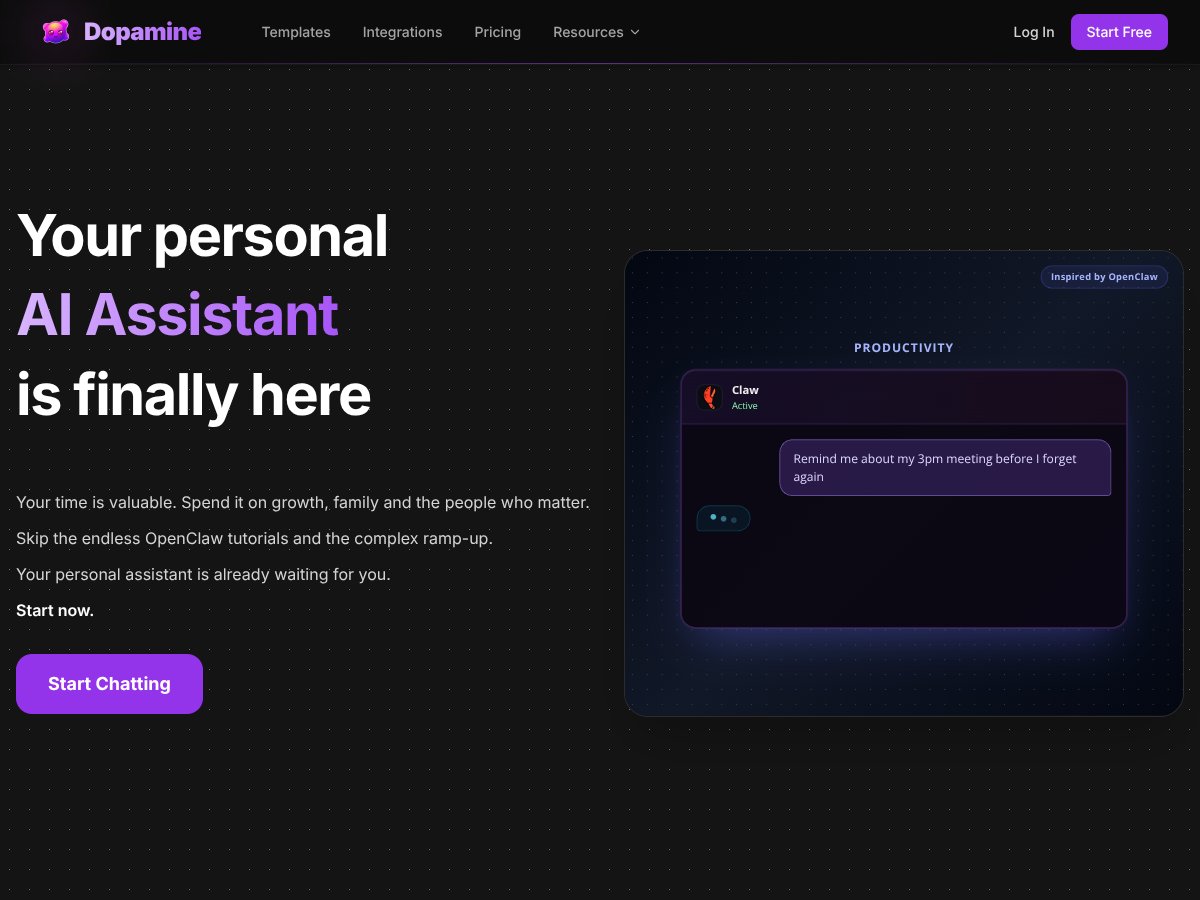
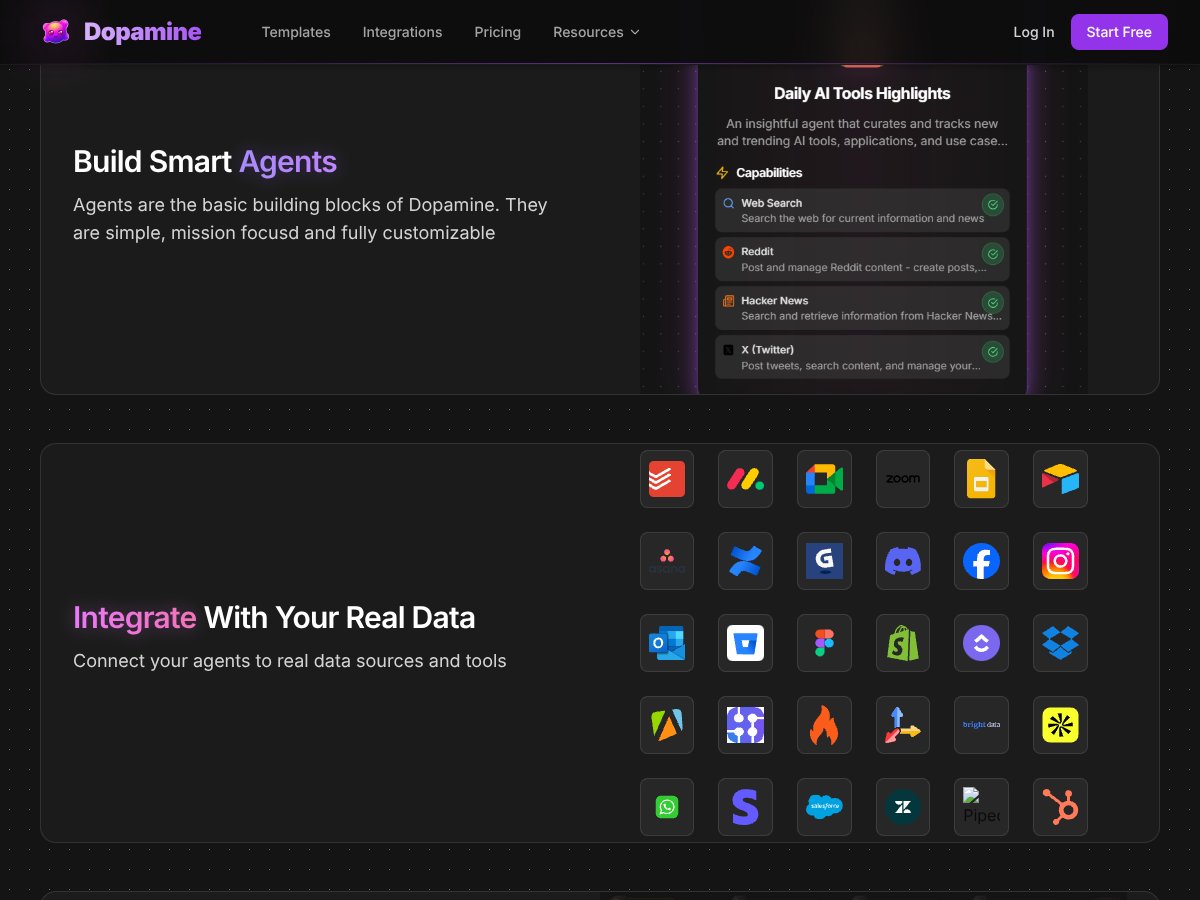
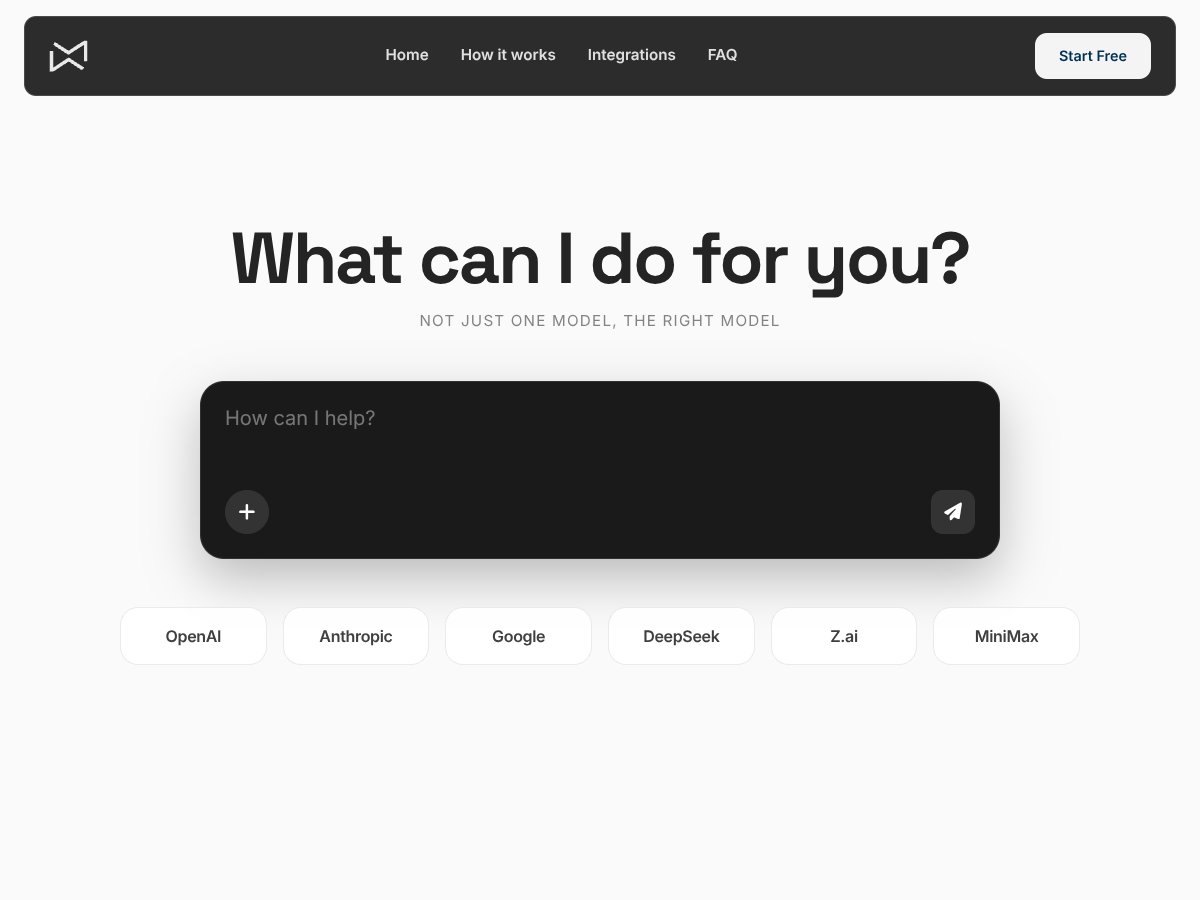
In plain English, Dopamine.chat is a platform that lets you create, deploy, and automate AI agents—think of them like little virtual assistants—that can handle specific tasks for you. The catch is, you don’t need to know how to code. Instead, it offers a visual interface where you can set up these agents, connect them to your favorite apps like WhatsApp, Gmail, Slack, and over 200 other services, and then let them do the work.
The primary problem it’s trying to solve is the hassle and technical barrier involved in setting up AI automation. Traditional tools often require some programming skill, server management, or complex integrations, which can be a pain for non-technical users or small teams. Dopamine aims to cut through that noise by making AI automation quick and accessible—supposedly in seconds.
As for who’s behind it, the platform doesn’t seem to have a high-profile founder or company name attached, which gave me a bit of pause. It feels more like a product from a small team or startup trying to streamline AI workflows. The website’s somewhat sparse on details about the team or company, so I can’t vouch for their experience or backing, which is worth keeping in mind.
My initial impression? It does seem as advertised—to some extent. The promise of no-code AI agents connecting to popular apps and working instantly is there. However, I was also aware that the platform looks relatively new, and some features are more hype than fully fleshed out. It’s not a mature enterprise tool, and I didn’t find any mention of advanced security or data privacy measures. So, if you’re planning to automate sensitive or proprietary info, be cautious.
One thing I want to be clear about: Dopamine.chat is NOT a full-blown development environment or a platform for highly technical automation. It’s more aimed at productivity, personal assistance, or small-team workflows. Don’t expect to control every low-level OS function or build complex AI systems here. It’s about quick, task-focused agents that do specific jobs.
Who Is Dopamine.chat Actually For?

If you're a solo entrepreneur, small team, or a non-technical professional looking to automate routine tasks and integrate AI into your daily tools, Dopamine.chat might be a good fit. It excels at quickly creating agents that handle scheduling, email triage, content summaries, and simple workflows, especially if you already live within apps like WhatsApp or Gmail.
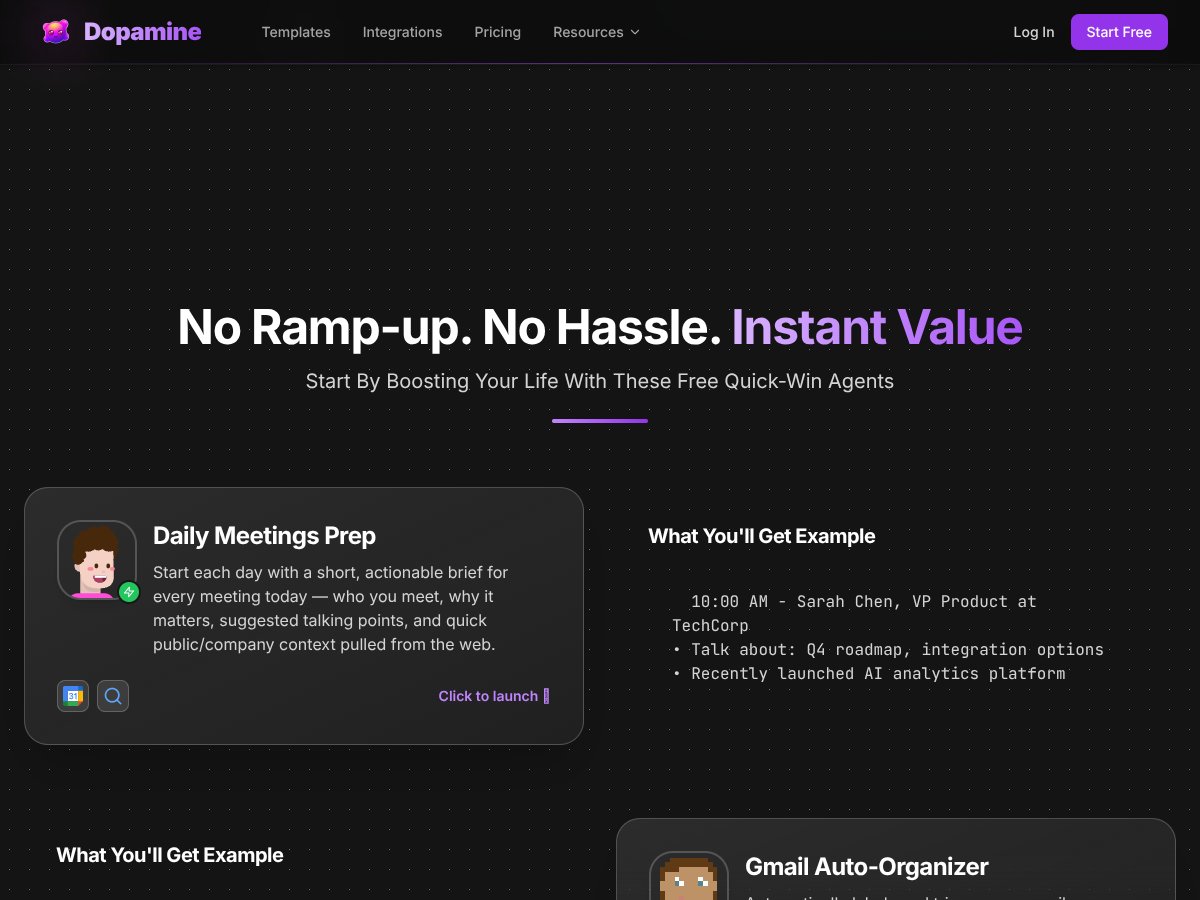
For example, a marketing manager juggling multiple campaign updates and client communications could set up an agent to pull daily news, summarize emails, and send reminders—all without writing a line of code. Similarly, a founder could automate meeting prep or automate data collection from different sources to inform decision-making, saving hours each week.
That said, if you're looking to build deeply customized AI systems, require offline access, or handle sensitive data with strict security, this platform might fall short. It’s best suited for light to moderate automation that benefits from speed and ease of use rather than heavy-duty enterprise control.
Who Should Look Elsewhere
If your needs involve complex, highly secure, or offline automation, tools like self-hosted solutions or more mature enterprise platforms are likely better. For example, if you require custom scripting, deep integrations with proprietary systems, or full control over data privacy, Dopamine.chat probably won’t meet those standards.
Additionally, if you’re a developer or data scientist needing granular access to model tuning, debugging, or custom AI training, this platform’s no-code approach won’t suffice. Similarly, if you’re expecting detailed analytics, extensive logging, or integrations with niche enterprise apps, you might find the platform’s offerings limited.
Fair warning: this platform feels best for those who prioritize quick results and ease over deep customization or security. If that’s not your priority, consider alternatives like Zapier, Airtable, or custom API integrations with your own infrastructure.
How Dopamine.chat Stacks Up Against Alternatives

Clawdbot
- What it does differently: Clawdbot is a self-hosted, local AI assistant aimed at developers who want complete control over their environment. It requires technical setup and coding, making it more flexible but also more complex.
- Price comparison: Clawdbot is typically a one-time cost or open-source, so no ongoing subscription, but you need to handle hosting and setup yourself.
- Choose this if... you're a developer comfortable with self-hosted solutions and need full control, especially offline.
- Stick with Dopamine.chat if... you prefer a quick, no-code setup and cloud-based integrations without managing infrastructure.
ChatGPT Plus + Zapier
- What it does differently: Combines ChatGPT's powerful language model with Zapier's automation to connect various apps. It’s more manual and requires some configuration but offers deep customization.
- Price comparison: ChatGPT Plus costs $20/month, and Zapier has free and paid plans starting at $19.99/month. Overall, it can get pricey for extensive automation.
- Choose this if... you need highly tailored automations with complex workflows and are okay with some setup effort.
- Stick with Dopamine.chat if... you want faster, no-code setup and integrated multi-app automation without juggling multiple platforms.
ChatGate
- What it does differently: ChatGate is another no-code AI platform focused on building chatbots and assistants that connect to popular messaging apps, similar to Dopamine.chat but with a more chatbot-centric approach.
- Price comparison: Pricing varies, often with free tiers and paid plans around $30–$50/month, depending on features and usage limits.
- Choose this if... your main goal is chatbot creation with some automation features, especially for customer support.
- Stick with Dopamine.chat if... you want a broader set of automation tools, multi-app integrations, and team collaboration features.
Other no-code AI builders (e.g., Bubble, Pabbly)
- What they do differently: Platforms like Bubble or Pabbly focus on building custom apps or automations with visual interfaces, but they aren't dedicated AI agent builders. They might require more technical knowledge or workarounds for AI integrations.
- Price comparison: Varies widely; Bubble offers free tiers but paid plans start at around $25/month, while Pabbly has plans from $8/month.
- Choose this if... you need a general app builder or automation platform, not specifically AI agents.
- Stick with Dopamine.chat if... your priority is rapid AI agent deployment and automation without coding.
Bottom Line: Should You Try Dopamine.chat?
Overall, I’d give Dopamine.chat a solid 7/10. It’s a straightforward, no-fuss platform for creating AI agents fast, especially if you’re not into coding. The biggest upside is how quickly you can get productive with it—perfect if you need automation now, not later.
It’s ideal for founders, small teams, or anyone looking to streamline tasks without the headache of infrastructure setup. If you’re someone who values ease and speed, this is worth a shot—especially on the free tier to test your ideas.
However, if you need deep customization, offline control, or enterprise-grade security, Dopamine.chat might fall short. It’s cloud-based, so sensitive data could be a concern, and it’s still maturing as a platform.
If your main goal is quick automation for research, content, or team workflows, I’d recommend giving it a try. But if you’re a developer needing full control or security, exploring self-hosted options like Clawdbot makes more sense.
Common Questions About Dopamine.chat
- Is Dopamine.chat worth the money? It depends on your needs. For quick, no-code automation, the free tier is a good start; paid plans offer more features if you’re ready to scale.
- Is there a free version? Yes, Dopamine.chat offers a free tier with limited runs and features. It’s enough to experiment before upgrading.
- How does it compare to ChatGPT Plus + Zapier? Dopamine.chat offers integrated, no-code automation in one platform, while ChatGPT + Zapier requires more setup and juggling multiple tools.
- Can I use it offline? No, it’s cloud-based. Offline or on-premises control isn’t supported yet.
- Is it suitable for enterprise security? As a maturing platform, it may not meet the strictest enterprise security standards. Use with caution for sensitive data.
- Can I get a refund? Refund policies depend on the platform’s terms. Usually, subscription plans have a trial period or refund window—check their site for specifics.