Table of Contents
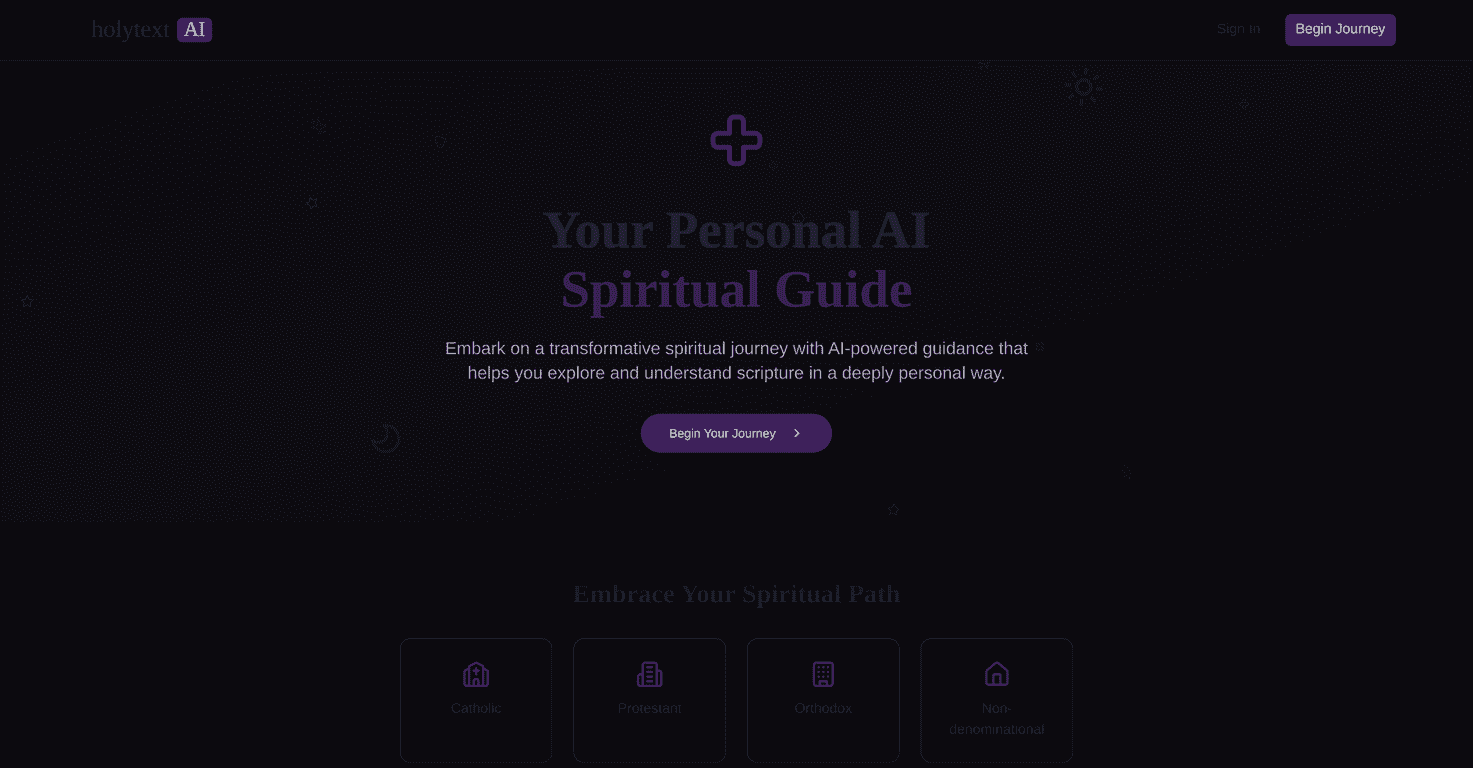
I’ve been testing HolyTextAI as a sort of “spiritual study buddy,” and honestly, it’s one of the easier AI tools to use when you want Bible context fast. The big promise here is personalization—so instead of getting the same generic explanation every time, it tries to tailor verse interpretations to what you’re looking for.
What I noticed right away is that the interface feels built for real study sessions, not just curiosity-clicking. You can ask questions, explore passages, and get explanations that (most of the time) stay relevant to the text you’re working on. It’s not replacing your pastor, your study Bible, or years of learning—but it can help you get unstuck when you don’t know where to start.
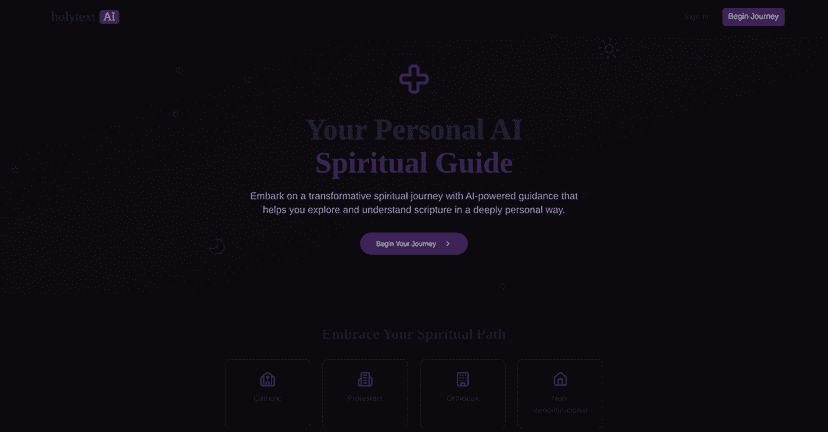
HolyTextAI Review
HolyTextAI is positioned as an AI-powered spiritual companion—basically, a tool that helps you explore biblical texts with guidance that’s easier to digest than just reading the passage and hoping everything “clicks.” I tried it with a few different kinds of questions: simple “what does this mean?” prompts, deeper “how should I apply this?” prompts, and some follow-ups that were basically me saying, “Okay, but what about the context?”
Here’s what stood out to me. The explanations are presented in a way that feels conversational. You’re not wrestling with dense commentary every time. Instead, it tries to break things down and connect the dots—especially when you ask for context or practical takeaways.
Another thing I appreciated is that it encourages discussion. If you’ve ever read a passage and felt like you needed someone to bounce ideas off of, that’s where tools like this can help. It nudges you to think through themes—faith, repentance, wisdom, love, patience—then asks questions that keep the conversation going.
Still, I want to be clear: it’s not a replacement for human teachers. When you’re dealing with complex theology, you’ll still want a reputable Bible study resource, commentaries, or guidance from your church. AI can be helpful, but it can also miss nuance if you don’t keep things grounded.
Key Features
- AI-Powered Insights for personalized Bible exploration
I noticed it does a better job when you tell it what you’re trying to learn (comfort, understanding a theme, applying a command, comparing ideas across passages). The more specific you are, the more useful the output tends to be. - Detailed verse interpretations (when you ask the right way)
It can explain key terms and the “why” behind a verse. My best results came from prompting it with things like: “Explain the context around this verse” or “What’s the main point in plain language?” - Theological discussions that keep you engaged
Instead of ending right after a definition, it often follows up with questions or prompts that encourage you to keep thinking. That’s helpful if you’re doing personal study and want momentum. - User-friendly interface
The navigation feels straightforward. You don’t need to be tech-savvy to start exploring. If you can open a website and type a question, you’re good.
Pros and Cons
Pros
- Personalized guidance that feels more relevant than generic summaries. When I gave it context about what I was studying, the explanations didn’t feel like copy-paste.
- Encourages deeper understanding. It’s not just “here’s what the verse says”—it pushes you toward meaning, themes, and application.
- Great for starting conversations with yourself (or your group). If you’re studying alone, it helps you generate questions you can bring to a Bible study.
- Easy to use. I didn’t have to fight the tool to get answers. It’s the kind of platform you can come back to without a learning curve.
Cons
- AI can oversimplify complex theology. For tough passages, the explanation may sound confident even when the topic really needs careful study. I’d treat it like a starting point, not the final word.
- Dependence can limit your own interpretive practice. If you rely on it for everything, you might stop learning how to study with your own tools (cross-references, original context, historical background).
- Human nuance is still hard to replicate. If you’re looking for denominational perspectives, nuanced doctrinal distinctions, or pastoral wisdom, an AI response won’t fully replace that.
Pricing Plans
I couldn’t find clear pricing details in the information provided, so I can’t responsibly quote a number here. What I’d suggest (and what I did) is check the official site for any subscription options, free trial availability, or limits on usage. If pricing is listed, it’s usually where you’ll also see what you get at each tier—like how many prompts you can run or whether there are premium features.
How I’d Use HolyTextAI (Quick Tips)
- Ask for context, not just meaning. Try: “What’s happening before and after this verse?” It changes the quality of the answer fast.
- Request plain-language summaries. If the wording gets too theological, ask it to “translate this into everyday English.”
- Follow up with application questions. Example: “What would obedience look like this week?” That’s where the tool can feel genuinely practical.
- Cross-check important takeaways. If a conclusion matters to you, verify it with a study Bible or trusted commentary.
Wrap up
Overall, HolyTextAI is a solid “starter companion” for Bible study—especially when you want quick clarity, deeper discussion prompts, or help turning a verse into something you can actually apply. It’s easy to jump into, and the personalized approach is where it earns its keep.
Just don’t treat it like a final authority. Use it to spark understanding, then lean on human resources for the heavy lifting. If you want a tool that makes scripture study feel less intimidating and more conversational, HolyTextAI might be worth your time.