Table of Contents
So, you’ve got this brilliant idea for a dystopian novel, but you’re feeling a bit lost, right? Trust me, you’re not alone. Many aspiring writers stare at a blank page, wondering where to start when it comes to crafting a world that’s both chilling and captivating. It’s a tough gig, but hey, it’s totally doable!
If you stick around, I promise to share some simple steps—like defining your unique concept and building a plot that’ll keep readers on the edge of their seats. By the end of this guide, you’ll not only have a solid foundation for your story but also the confidence to let your imagination run wild.
Get ready to dive into the nitty-gritty of writing that dystopian masterpiece. From developing multilayered characters to injecting social commentary, we’ll lay out a roadmap to your literary success!
Key Takeaways
- Define your dystopian concept clearly, focusing on the oppressive system and its impact on characters.
- Create a solid plot structure with clear conflict using a three-act format or unexpected twists.
- Develop deep, relatable characters with personal stakes beyond just fighting the system.
- Incorporate relevant themes and social commentary to add depth and provoke thought.
- Establish a writing style and tone that reflects the mood of your dystopian world.
- Conduct thorough research to ensure authenticity and relatability in your story.
- Outline internal and external conflicts that drive character development and plot.
- Revise thoroughly, gathering feedback and sharpening your prose for clarity and impact.

Step 1: Define Your Dystopian Concept and World
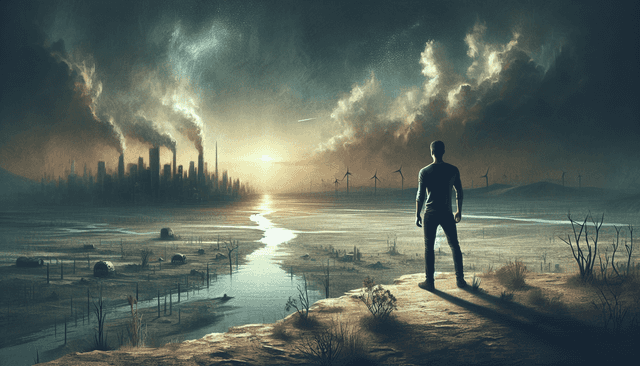
When starting your dystopian novel, it’s crucial to pinpoint the core concept of your world. Think about what kind of oppressive system is in place and how it affects the characters’ lives. Consider using real-world inspirations, like trends from historical events such as civil wars or climate change, which can add depth and authenticity to your narrative.
Your world could feature a government that extensively monitors its citizens or a society struggling with the aftermath of a catastrophic event. Clear world-building will help readers immerse themselves in your story.
Don’t forget to flesh out the rules of your world. Are there restrictions on freedom, resources, or technology? Providing these details will create a believable backdrop that engages your readers and makes them care about the characters’ struggles.
Step 2: Build a Detailed Plot Structure
A compelling plot structure is essential in any novel, but especially in dystopian fiction where you want to highlight tension and conflict. Start by outlining the main conflict that drives your narrative. What are your characters fighting against?
Consider using a classic three-act structure: set up your world and characters, introduce conflict, and then resolve it. You could also take inspiration from renowned authors. For instance, in The Handmaid’s Tale, Margaret Atwood meticulously builds tension by gradually revealing the brutality of her society.
Plan unexpected twists that challenge your characters and keep readers on the edge of their seats. This could mean a betrayal, a shocking truth about the society, or an unexpected alliance. Each twist should aim to raise the stakes and heighten the urgency of the characters’ experiences.
Step 3: Develop Compelling Characters
Characters are the heart of your story. In a dystopian setting, they need to have clear motivations that resonate with readers. Rather than simply being rebels against the system, your characters should have personal stakes that drive their decisions.
Give them depth; explore their fears, hopes, and what they long for beyond the confines of their oppressive society. For instance, Octavia Butler’s characters often crave connection and understanding in her dystopian settings, moving beyond just the struggle for survival.
Make sure your readers can relate to your characters. Build emotional ties by showcasing their vulnerabilities and triumphs. Whether it’s a longing for freedom, justice, or love, these elements can make readers root for them and feel invested in their journeys.
“`html
Step 4: Incorporate Themes and Social Commentary
Themes and social commentary are the backbone of a strong dystopian story. They provide layers of meaning and resonate with readers. For example, consider Margaret Atwood’s use of gender roles in The Handmaid’s Tale.
Look at the issues troubling the modern world. Climate change, authoritarianism, and social inequality offer a wealth of material. By weaving these themes into your narrative, you keep it relevant and thought-provoking.
Ask yourself what message you want to convey. Is it a warning against complacency? Or perhaps a call for unity in the face of adversity? Incorporating these elements not only enhances your plot but also gives readers something to think about long after they’ve turned the final page.
Step 5: Establish Your Writing Style and Tone
Your writing style and tone should reflect the world you’ve created. If it’s a grim and oppressive setting, a darker, more serious tone might work best. On the other hand, if there’s a glimmer of hope, a more hopeful tone might be appropriate.
Consider how authors like Octavia Butler use language to immerse readers in their worlds. Her lyrical prose contrasts starkly with the brutal realities faced by her characters, which makes the story even more impactful.
Experiment with different styles. Try mimicking the tone of your favorite dystopian novels. Develop a unique voice that fits your story and makes it memorable.
Step 6: Conduct Research for Authenticity
Research is key to building an authentic dystopian novel. Dive into historical events that echo your world’s struggles, such as civil wars or pandemics. For instance, you could look into the aftermath of World War II or current climate crises to find inspiration.
Study current events and societal trends that could escalate into dystopian situations. Referencing real-world statistics or events can ground your story in reality. This makes it relatable and believable.
Consider reading articles, studies, or even watching documentaries. The more informed you are, the richer your narrative will be.
Step 7: Outline Conflicts and Challenges
Conflicts are the fuel that drives your story forward. Identify both internal and external struggles your characters will face. Internal conflicts can relate to their values or decisions, while external conflicts often involve direct opposition, such as a tyrannical government.
Plan out key moments that will push your characters to their limits. Consider instances of moral dilemmas, betrayals, or moments of resilience that define their character arcs.
Keep in mind that the best conflicts often arise from characters’ desires clashing with their circumstances. Make sure these challenges feel organic and serve to deepen both character development and plot progression.
Step 8: Revise and Polish Your Novel
Revision is a crucial step in the writing process. After you’ve completed your first draft, take a break and come back with fresh eyes. This will help you see inconsistencies, plot holes, or awkward sentences you might have missed.
Consider sharing your draft with beta readers for feedback. They can provide insight into how well your themes and character arcs resonate.
Be prepared to make cuts or substantial changes. Sometimes the most challenging part is recognizing when certain scenes or characters aren’t working. Trust your instincts and always keep your readers in mind.
Finally, polish your prose, focusing on clarity and style. Sharp, concise writing will elevate your work and keep readers engaged.
“`
FAQs
A dystopian concept typically includes a corrupted society, oppressive governance, and societal decay. Essential elements also encompass a strong moral conflict and the exploration of human nature under extreme circumstances.
To create compelling characters, focus on their motivations, flaws, and growth. Ensure they represent diverse perspectives, challenge the status quo, and reflect the overall themes of resistance and survival within your dystopian world.
Themes and social commentary are crucial in dystopian writing as they provide depth and relevance. They critique real-world issues, prompting readers to reflect on societal trends and provoke thought about the future.
Research is essential for authenticity in dystopian novels. It enriches world-building, ensuring plausible technologies, societal behaviors, and governmental structures, which enhance the reader’s immersion and credibility of the narrative.