Table of Contents
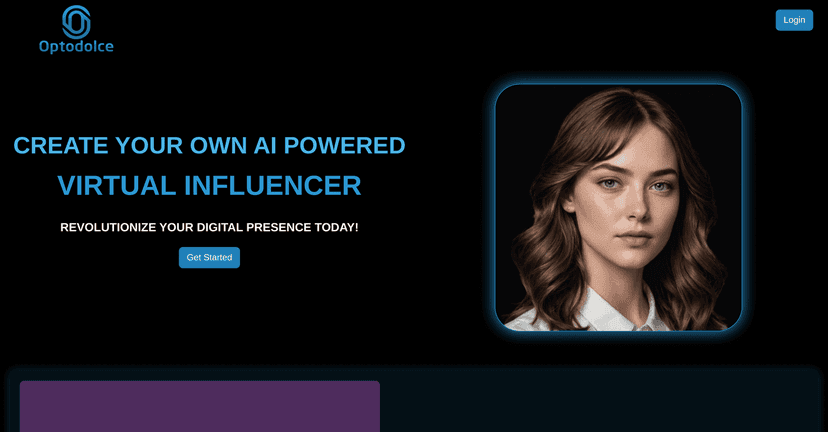
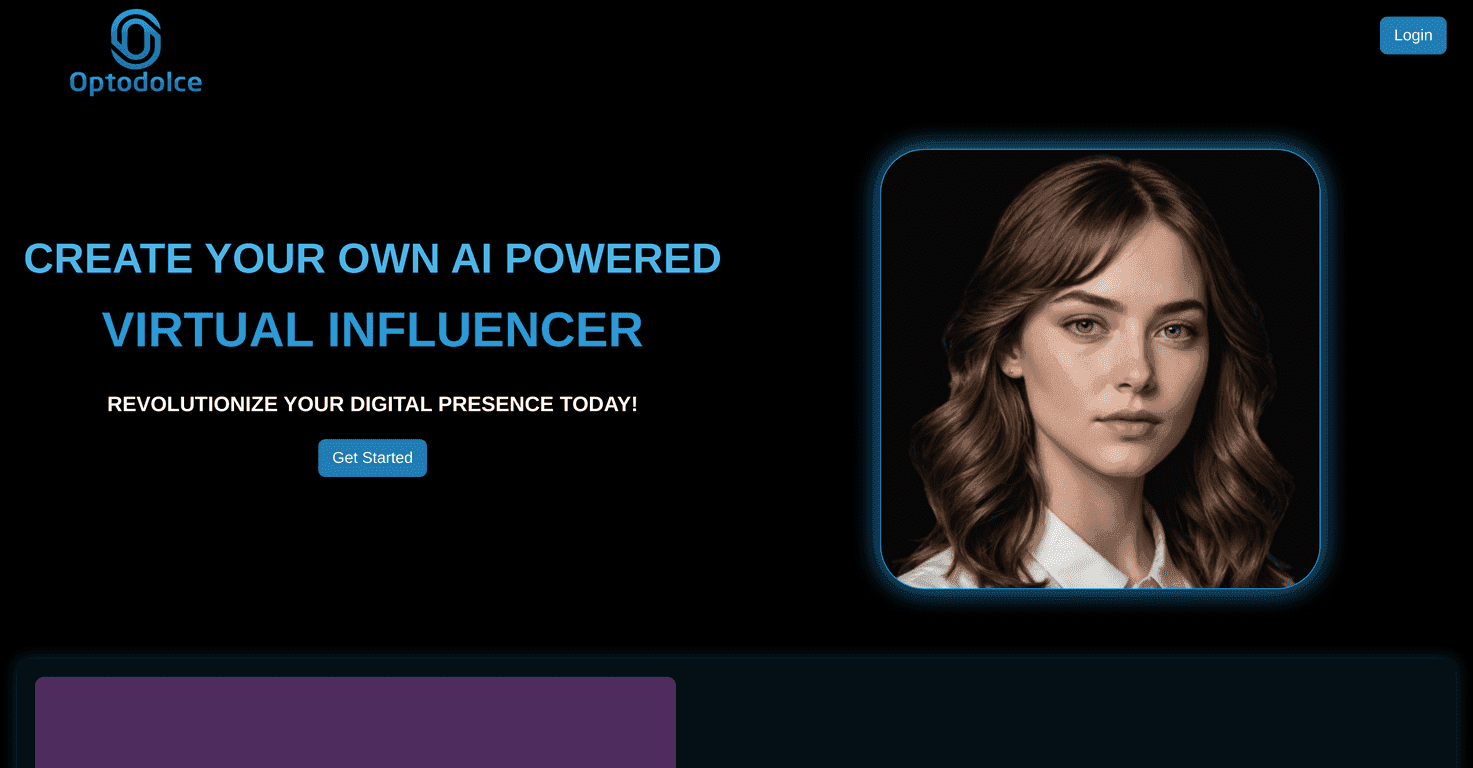
I’ve been watching virtual influencers for a while now, and honestly? Most of what I see online feels either half-finished or too “AI-ish” to really trust. That’s why I wanted to take a closer look at Optodolce. The pitch is simple: build a virtual influencer that’s tailored to your brand, then use it to generate content that actually matches your audience’s vibe.
After digging into what Optodolce offers, my takeaway is that it’s aimed at brands that want consistent influencer-style marketing without the constant back-and-forth of hiring, briefing, and re-hiring creators. It’s not trying to replace every human campaign. It’s trying to give you a repeatable way to produce influencer content on demand.

Optodolce Review: What It Actually Does (and Who It’s For)
Optodolce is built around the idea of creating personalized virtual influencers. Instead of starting from scratch every time you need a new post, you set up a “character” that represents your brand and then generate content that stays aligned with the persona.
In my experience, the big question with these tools is always the same: will the output feel consistent and on-brand, or will it look like generic AI copy wearing a fancy outfit? Optodolce seems to focus on keeping the influencer “identity” tied to the brand, so your content doesn’t drift as much over time.
Also, if you’re a small team, this kind of platform can be a lifesaver. You don’t need a full creator pipeline to keep your social channels active. You can plan content themes, generate variations, and move faster than you would with human-only workflows.
Key Features I Look For in Optodolce
- Personalized virtual influencer creation
You’re not just generating random captions—you’re creating an influencer concept meant to match your brand. - Engagement-focused tools
The platform is designed for influencer-style marketing, which usually means it’s oriented toward content that’s meant to get attention (not just “publish and pray”). - AI-powered content crafting
This is where the heavy lifting happens: generating posts/captions/content ideas based on the influencer and your brand direction. - Influencer marketing support
It’s not positioned as a generic writing tool. It’s more tailored to the influencer marketing workflow. - Brand loyalty angle
If you’re trying to build a recognizable “face” for your brand, this is the kind of approach that can help you stay consistent.
Pros and Cons (Real Talk)
Pros
- Consistent content output: With a virtual influencer setup, you can keep producing influencer-style posts without waiting on new creator availability.
- Stronger brand consistency: When the influencer persona is tied to your brand, the tone and style are easier to maintain.
- Faster turnaround: If you’ve ever had to scramble for weekly content, you know how valuable “generate drafts quickly” can be.
- More experimentation: You can test different angles (product benefits, lifestyle themes, FAQs) without burning time and budget on new shoots or creator negotiations.
Cons
- Authenticity concerns: Virtual influencers can feel less human. Some audiences love them, others can tell it’s synthetic. That’s a risk you should plan for.
- You still need direction: If you don’t give clear brand guidelines (tone, do/don’t topics, target audience), the AI output can drift into generic territory.
- Pricing isn’t transparent: The site doesn’t show clear plan tiers in the content I reviewed, so you’ll likely need to contact them for numbers. That’s annoying if you’re budgeting.
- Not a full replacement for strategy: You still need a real content plan, posting schedule, and measurement. A tool won’t fix a weak campaign.
Pricing Plans: What I Found
Pricing details aren’t shown clearly in the information available here. In practice, that usually means you’ll want to check Optodolce directly (or contact their team) to get current plan options and what’s included.
If you’re comparing tools, I’d ask them a few specific questions before you commit:
- What’s included in the base plan (content generation limits, number of influencer personas, asset types)?
- Whether there are additional costs for advanced features, exports, or higher usage.
- How brand customization works—do you need to provide assets, references, or scripts?
- What deliverables you get (captions only vs. full post formats, suggested visuals, etc.).
Quick “Should You Try It?” Checklist
Optodolce makes the most sense if you:
- Need steady influencer-style content without constant creator sourcing
- Want a consistent brand persona across posts
- Have clear brand guidelines and can provide direction
- Are okay testing virtual influencer marketing and learning from audience feedback
And I’d be more cautious if your audience strongly values “real” creators or if your brand can’t commit to reviewing and refining AI-generated drafts.
Wrap up
Optodolce feels like a practical option for brands that want a fresh take on influencer marketing—especially if you’re tired of the slow, expensive parts of traditional creator campaigns. The concept of building a personalized virtual influencer is compelling, and the AI-first approach can help you move faster and stay consistent.
Just don’t expect it to magically replace strategy or fix unclear positioning. If you’re willing to guide the tool with solid brand direction (and you’re ready to test how your audience reacts), Optodolce is worth exploring.