Table of Contents
An AI journal generator creates complete guided journals—the prompts, the structure, the intro pages, and the printable layout—not diary entries. Describe your audience and theme ("a 90-day gratitude journal for new mothers," "a habit tracker for runners"), and Automateed generates the full journal as a print-ready product you can publish on Amazon KDP, sell on Etsy, or offer directly to your audience.
This matters because "AI journal generator" means two different things online. Most tools with that name write journal entries—an AI diary that reflects on your day. This page is about the other kind: an AI journal generator for creators, the people building guided journals, planners, and prompt books as sellable products. If that's you, here's exactly what it does and how the economics work.
Key Takeaways
- Generates complete guided journals as products: themed prompt sets, section structure, intro copy, and a consistent printable layout—plus a matching cover.
- Journals are classic "low-content" books: high margins, evergreen demand, and buyers on Amazon KDP and Etsy who already search for them.
- The prompts are the product. AI drafts 90-180 specific, time-bound prompts in minutes; you curate and sharpen them for your exact audience.
- Export a print-ready PDF for KDP paperbacks or sell the digital/printable version directly—Etsy, your own site, or the Automateed marketplace at 85% royalty.
- Niche beats general: "gratitude journal" is an ocean; "gratitude journal for nurses on night shift" is a business.
What Is an AI Journal Generator?
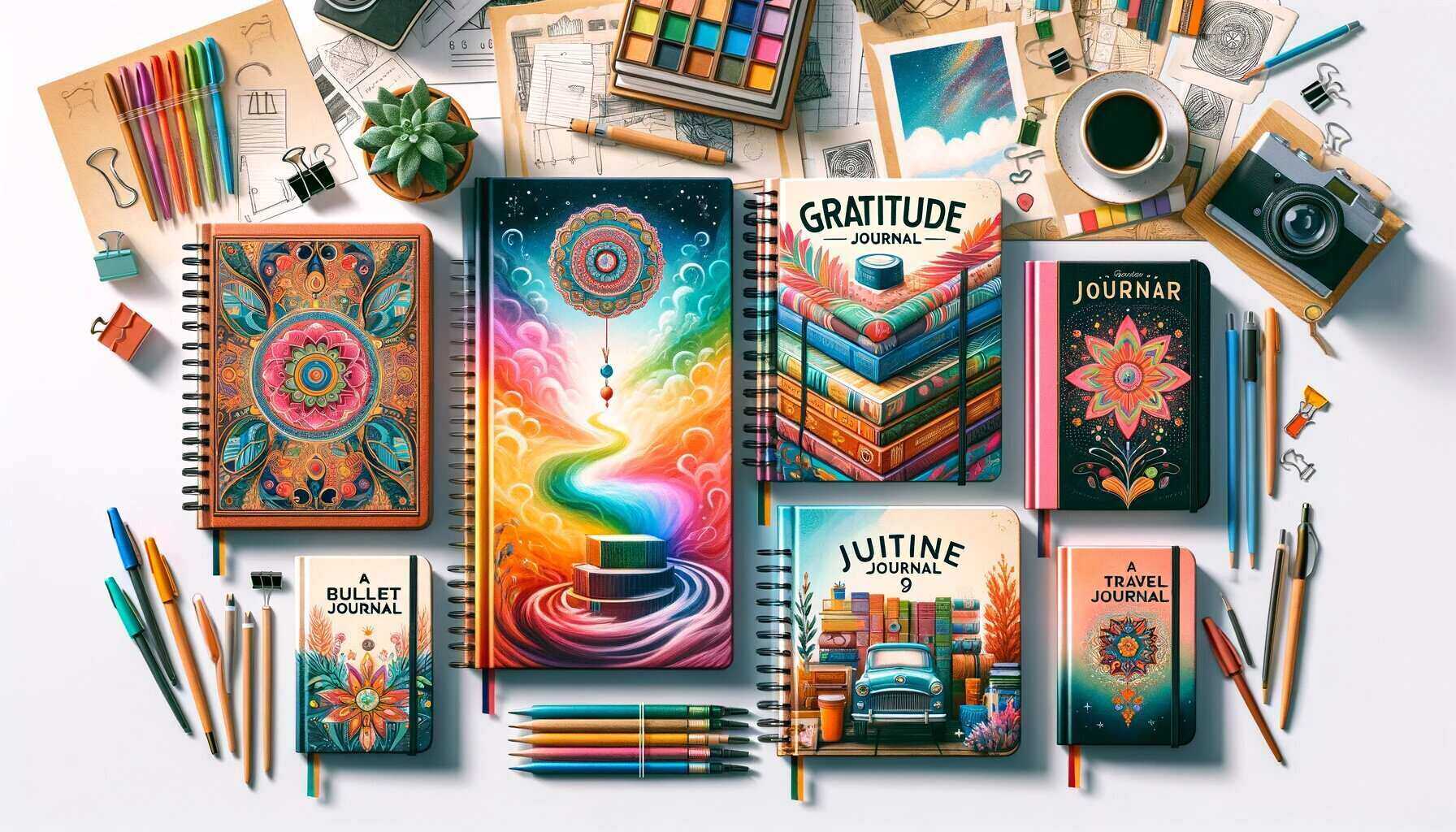
A guided journal is a book that does the thinking scaffold for its user: daily or weekly prompts, reflection questions, trackers, and space to write. Unlike a novel, nobody reads it cover to cover—people use it, one structured page at a time. That structure is precisely what an AI journal generator builds: it plans the journal's arc (what week 1 asks vs week 12), writes every prompt, drafts the introduction and how-to-use pages, and lays it all out consistently so the finished file looks like a designed product rather than a Word document.
The craft behind good guided journals is real—we wrote a full manual on how to create a guided journal by hand—and the generator automates the laborious 80% of it (drafting prompts, repeating layouts, pagination) so you can spend your effort on the 20% that differentiates: knowing your audience and curating what AI drafts.
What You Can Create
Anything with prompts, structure, and repetition:
- Gratitude journals — the classic; works best narrowed to an audience (teachers, veterans, new parents)
- Goal & habit journals — 30/60/90-day challenges, habit trackers, weekly reviews
- Wellness & mental health journals — anxiety check-ins, mood tracking, therapy companions (positioned carefully, not as medical products)
- Faith-based journals — prayer journals, scripture study, devotionals
- Niche life-stage journals — pregnancy, retirement, grief, first year of business
- Activity companions — reading journals, travel logs, fitness and training diaries, recipe testing notebooks
- Seasonal prompt books — like our winter journal prompts collection, turned into a printed product
If you're deciding what to make first, our breakdown of the best-selling journals on Amazon shows which categories actually move copies, and creative journaling techniques is a goldmine for prompt formats beyond "write three things you're grateful for."
How It Works
1. Define the journal. Audience, theme, duration, and tone. "A 12-week goal-setting journal for freelance designers, encouraging but direct" gives the generator everything it needs to write prompts that don't sound like they came from a poster.
2. Generate the structure. The AI proposes the skeleton: sections, weekly themes, prompt cadence (daily prompt + weekly review, for example), and the front matter—introduction, how-to-use page, and a goals page. Edit this before generating content; structure is cheap to change now and expensive later.
3. Generate prompts and pages. The generator writes the complete prompt set—typically 90-180 prompts for a daily journal—plus recurring page layouts (trackers, reviews, reflection spreads) applied consistently across the book. Good prompts are specific, time-bound, and honest about what the user should write; edit any that drift toward vague inspiration.
4. Design the cover. Journals are bought on covers more than almost any book category—buyers browse thumbnails. Generate a cover in the same project, matched to the niche's visual conventions (soft and calm for gratitude, bold and structured for goal-setting).
5. Export and publish. Download a print-ready PDF interior for KDP or a digital version for direct sales. Then decide your channels—which is a real strategic choice, covered next.
Where to Sell Your Journal (KDP, Etsy, or Direct)
Amazon KDP paperbacks are the default for a reason: journal buyers are already searching there, and print-on-demand means zero inventory. Standard specs that work: 6"×9" trim, 100-150 interior pages, no-bleed layout, black-and-white interior for maximum margin. On a $9.99 journal, KDP's 60% print royalty minus printing costs typically nets $3-4 per copy. Our guide to selling journals on Amazon KDP covers listing keywords, categories, and the launch sequence, and things to sell on KDP maps the wider low-content landscape.
Etsy printables flip the format: sell the PDF itself, buyers print at home. No printing cost at all, so a $7 printable journal keeps ~$6 after fees, and one file sells forever. Etsy buyers specifically hunt for niche and aesthetic designs, which rewards the themed-series approach.
Direct and marketplace sales complete the mix: list the digital journal in the Automateed marketplace (85% royalty, no setup) or on your own site. Journals also make excellent lead magnets—a free 7-day mini journal that builds your email list and upsells the full 90-day version.
These channels aren't either/or. A proven pattern: same journal on KDP (paper) and Etsy (printable) simultaneously, reaching different buying behaviors with one product.

Blueprint: A 90-Day Goal Journal You Could Generate Today
To make this concrete, here's the exact structure of a sellable 90-day goal journal—use it as your generator brief or adapt it to your niche:
- Front matter (6 pages): title page, "how to use this journal" (one page, friendly), a 90-day vision exercise, and a baseline self-assessment the user repeats at the end.
- Month One — Foundation (30 daily pages): each day gets one action prompt ("Name the task you're avoiding. What's the 10-minute version?"), a 3-line reflection space, and a habit tracker strip. Weekly review spread every 7 days: what worked, what to drop, next week's single focus.
- Month Two — Friction (30 daily pages): prompts shift from planning to obstacles—energy, time audits, saying no. Mid-journal checkpoint spread at day 45 comparing against the baseline.
- Month Three — Momentum (30 daily pages): prompts move to consolidation and identity ("What do you do now without deciding to?"), ending with the repeated self-assessment and a "next 90 days" planning spread.
- Back matter (4 pages): notes pages and a subtle author page—your other journals, your website, your list.
That's roughly 100 interior pages—squarely in the KDP sweet spot—with a structure the buyer can feel in the Amazon preview. Generating it takes one detailed brief; making it excellent takes your edit of the 90 prompts, which is exactly where the time you saved belongs.
What Separates Journals That Sell From Journals That Sit
Having generated the product in an afternoon, invest the saved time here:
Specific audience, named on the cover. "Gratitude Journal" competes with 50,000 listings. "Gratitude Journal for Nurses" competes with dozens—and the buyer feels seen. Niching down is the single highest-leverage decision in this category.
Prompts that do real work. The difference between a 2-star and 5-star journal review is almost always prompt quality. "Reflect on your journey" is filler; "What did you say yes to this week that you should have declined—and what did it cost you?" is why someone recommends the journal to a friend. Generate many, keep the sharp ones.
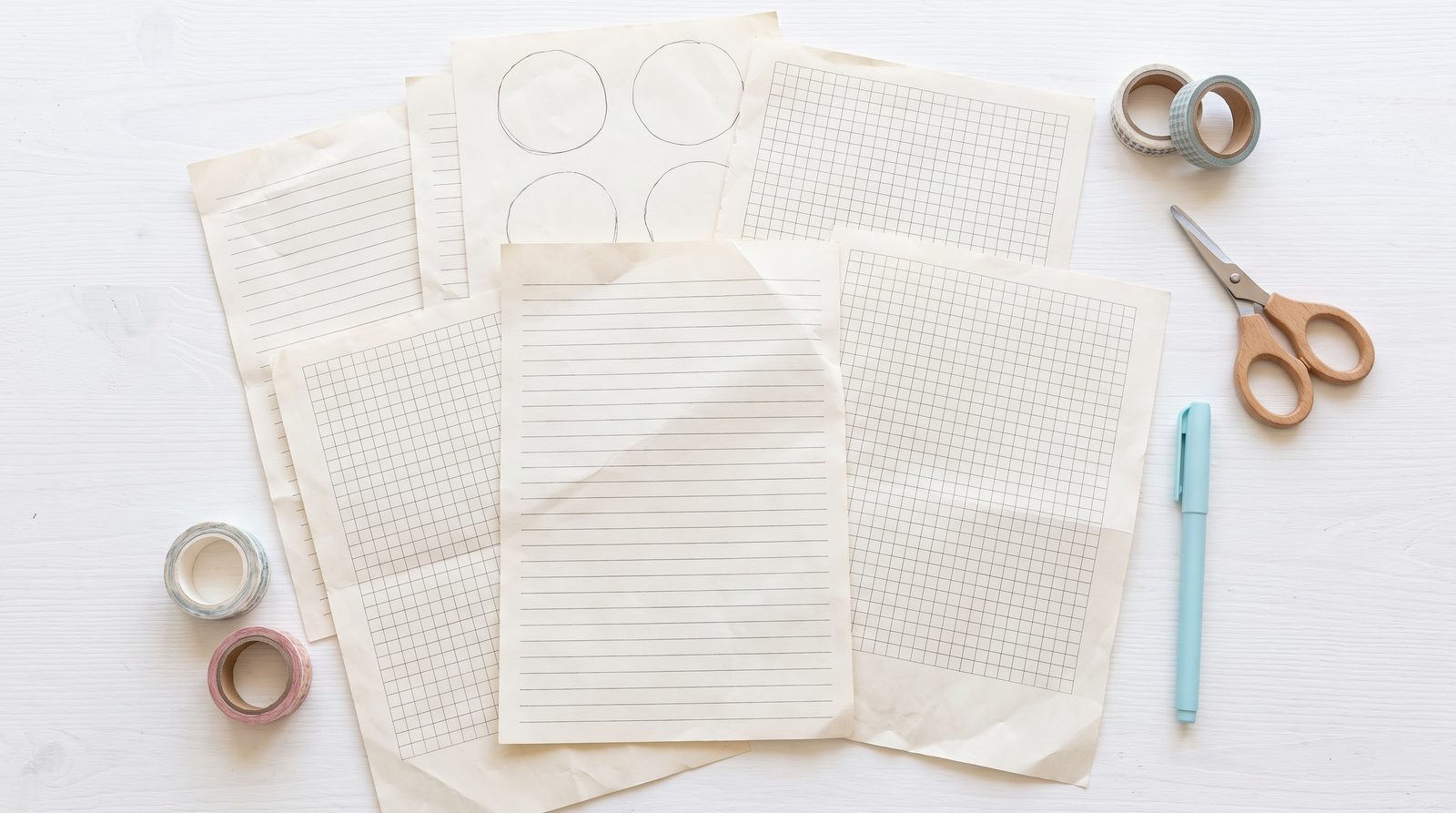
Layout with breathing room. Consistent prompt placement, generous white space, and a rhythm the user learns (daily page → weekly review) reduce friction. Cramped pages kill completion, and abandoned journals don't get re-bought or gifted.
A series, not a single title. The economics compound with a catalog: the 30-day reset, the 12-week planner, the seasonal editions—same audience, repeated purchases, shared marketing.
Frequently Asked Questions
Is this the same as an AI journaling app?
No. AI journaling apps write or analyze diary entries for the person journaling. An AI journal generator creates the journal itself—prompts, structure, and printable layout—as a product for creators to publish and sell on KDP, Etsy, or their own channels.
Can I sell AI-generated journals on Amazon KDP?
Yes. KDP accepts AI-assisted content and asks you to disclose it during publishing. Journals face an extra quality bar in practice: KDP rejects low-effort, duplicative low-content books, so a distinct niche, original prompts, and a professional layout aren't just good marketing—they're what keeps you approved.
How many prompts should a guided journal have?
Match the duration: a 30-day journal needs 30 daily prompts plus 4-5 weekly reviews; a 90-day version needs 90-120. Distribute types (reflection, action, tracking) so consecutive days don't feel repetitive—about 180 prompts gives a daily journal six months of runway.
How much do guided journals sell for?
Printed journals typically sell for $8.99-$16.99 on Amazon depending on page count and niche; printable PDFs run $4-$10 on Etsy. Specialized professional niches (therapy companions, business planning) support higher prices than general gratitude or mood journals.
Do I need design skills to make a printable journal?
Not anymore. The generator applies a consistent layout across all pages and produces a print-ready PDF with correct trim and margins for KDP, plus a matching cover. Design skills still help at the margins—but layout consistency, the thing buyers actually notice, is handled.
Prompts, layout, cover, and a print-ready PDF—generated in minutes, sold everywhere. Join 80,000+ creators.
Generate a Journal FreeConclusion
Guided journals are one of the few book categories where the product is structure rather than prose—which is exactly what AI generates best. The winning playbook hasn't changed: pick a narrow audience, make prompts that do real work, package them in a layout people enjoy using, and publish where journal buyers already shop. What's changed is the cost of executing it: the drafting, layout, and cover that used to take weeks now take an afternoon, and your first niche test no longer needs to be precious. Generate one, publish it, learn from real buyers, and build the series.