AI Poem Generator
Choose one of six real poetic forms — free verse, haiku, sonnet, limerick, acrostic, or rhyming couplets — give it a subject and a tone, and get a poem that actually follows the form's rules. Free, no sign-up. And when the poems start to accumulate, the same pipeline turns them into a published poetry collection with a cover and a KDP-ready file.
AI Poem Generator
Pick a form, give it a subject, and generate a poem that follows the real rules.
The generator enforces each form's actual rules — syllable counts for haiku, 14 lines and a volta for sonnets, AABBA for limericks — so what you get is the real form, not an approximation.
Quick answer: what is an AI poem generator?
An AI poem generator is a tool that turns a subject, a tone, and a chosen poetic form into an original poem using a large language model. Good ones enforce the form's actual rules — 5-7-5 syllables for haiku, fourteen lines and a turn for a sonnet, AABBA for a limerick — instead of producing line-broken prose. Use it three ways: to draft a poem for an occasion (a card, a toast, a memorial), to study how a form works by generating examples, or as raw material you edit into something in your own voice. The lines you reshape and rewrite are yours to publish.
How the AI poem generator works
1. Pick the form
The form decides everything downstream — line count, rhyme scheme, rhythm, and where the poem is allowed to turn. Each option ships its real rules to the AI.
2. Give it a subject
The more specific, the better the poem: "my grandmother's kitchen on Sunday" beats "family". For acrostics, the subject is also the word that gets spelled.
3. Set the tone
Tender, melancholic, funny, dark — tone shifts the imagery and diction while the form holds the structure. The same subject in two tones is two different poems.
4. Generate and edit
Copy the keeper, rewrite its weakest line by hand, and reroll freely — ten free poems per session, each one different even with identical settings.
The craft constraints matter as much as the form rules. Every request tells the model to prefer concrete nouns over abstractions, to ban clichés like "heart of gold" and "tears like rain", and to make every line earn its place — the three failure modes that make most generated poetry read like a greeting card. If you would rather start from a one-line spark and write the poem yourself, the writing prompt generator covers that lighter-touch workflow.
The six forms, explained like a workshop would
Most poem generators list forms as a dropdown and leave you guessing what they mean. Knowing the rules helps you judge output in seconds — and steer your topic toward the form that will carry it best:
Free verse
No meter, no rhyme — all judgment
The freedom is a trap for beginners: without rules, only the line break carries rhythm. Break lines on images and turns of thought, never at random, and end lines on strong words — nouns and verbs, not "the" or "of". Most contemporary published poetry is free verse.
Haiku
3 lines · 5-7-5 syllables
The syllable count is the entry fee; the craft is the cut. A real haiku sets one concrete, usually seasonal image, then pivots — the shift between line two and three (the kireji, in Japanese tradition) is where the meaning sparks. No metaphors announced as metaphors, no abstractions.
Sonnet
14 lines · iambic pentameter · ABAB CDCD EFEF GG
The Shakespearean sonnet builds an argument in three quatrains, then turns. The volta — the "but" moment — traditionally lands at line 9 or at the closing couplet, which gets the last word like a verdict. Ten syllables a line, da-DUM five times, bent where the sentence needs it.
Limerick
5 lines · AABBA · anapestic bounce
Lines 1, 2 and 5 carry three stressed beats; lines 3 and 4 carry two, and the whole thing gallops — da-da-DUM. The form is a joke-delivery machine: line 1 introduces a character, lines 3-4 complicate, and line 5 must land a punchline, ideally with a rhyme you did not see coming.
Acrostic
First letters spell the subject
The oldest trick in the book — literally; acrostics appear in the Hebrew Psalms. The craft test: every line must survive on its own as poetry. If a line exists only because it starts with "R", the seams show. Names, virtues, and holidays are the classic subjects.
Rhyming couplets
Paired lines · AABB
The workhorse of children's verse, epigrams, and light poetry — and harder than it looks, because English is rhyme-poor. The failure mode is forcing syntax backwards to reach a rhyme ("a gift to you I bring"). Meaning first, rhyme second; near-rhymes are allowed and often better.
A workshop exercise that works just as well here: run the same subject through two forms and watch what each one surfaces. Grief in haiku becomes a single held image; grief in couplets becomes an argument with an answer. When one version keeps tugging at you afterward, that is usually the seed of a themed collection — and the moment to think about building a poetry book around it rather than a single page.
How to edit an AI poem into a good poem
Read it aloud, then cut the flattest line
Your ear catches what your eye forgives. Every generated poem has one line doing nothing — find it by reading aloud, delete it, and see if the poem closes around the gap. Nine times out of ten it improves, which is also the fastest lesson in why poets revise by subtraction.
Replace one image with something only you know
AI writes from everyone's memories, which means from no one's. Swap its most generic image for a detail from your actual life — the specific mug, the specific street — and the poem changes owner. This single edit is also what makes the result copyrightable as your work.
Check the ending is an arrival, not a summary
Weak poems end by explaining themselves — "and that is why love matters". Strong ones end on an image or a turn that trusts the reader. If the last line summarizes, cut it and promote the second-to-last line; if the poem is a sonnet, make sure the couplet delivers a verdict, not a recap.
Regenerate before you settle
Generation is non-deterministic — the same form, tone, and topic produce a different poem every run. The third take on a subject is frequently the one with the surprising angle, so spend your ten free rolls on one subject you care about rather than ten subjects you don't. And if you want quicker, template-style verse for cards and captions, the short poem generator is built for exactly that speed.
From one poem to a published collection
This is the part none of the other poem generators on the results page offer. Sites like Poem Analysis and Canva stop at the poem — copy, paste, done. Automateed treats the poem as page one: describe a theme (love poems for a wedding, haiku for each month of the year, a grief-and-healing chapbook), and the AI poetry book creator builds the full collection — structured sections, consistent voice, a designed cover, and EPUB/PDF export ready for Amazon KDP or the built-in marketplace. Poetry gift books are one of the most approachable ways to write and publish a book with AI, because readers judge them poem by poem, not chapter by chapter. Your first full book preview is free, no card required.
The shelf your collection would join
Poetry gift books sell beside reflection, faith, and personal-growth titles — readers browse those shelves in the same mood. These are real, public books published with Automateed on exactly that end of the catalog; click a cover to browse its live reader page. When your own manuscript is ready, the dedication page comes right before the poems.
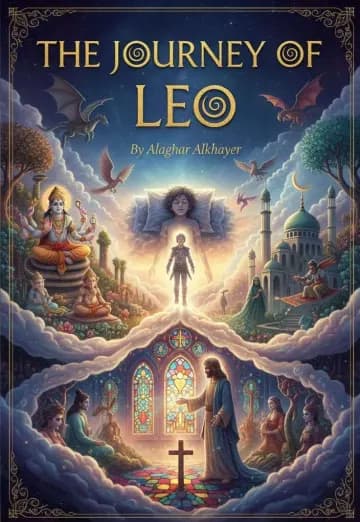
Story-led reflection — the closest neighbor to narrative poetry
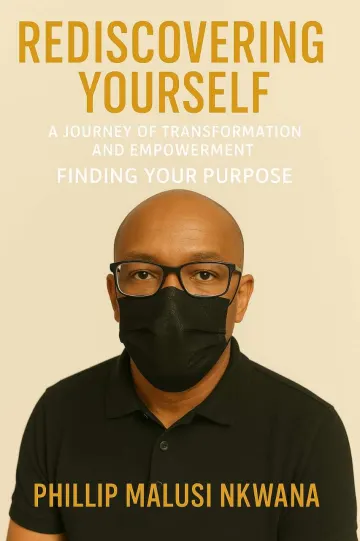
The reflective gift-book shelf where poetry collections sell
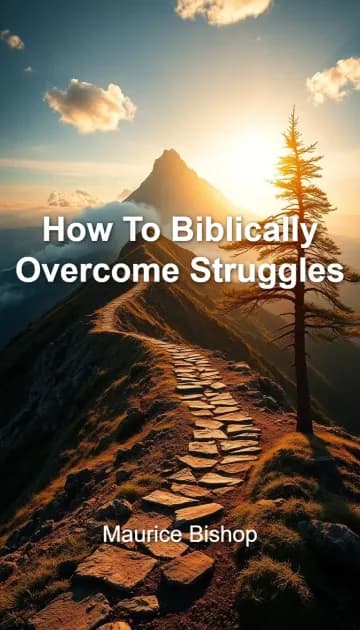
Faith readers — a core audience for devotional verse
Form-aware output
Generate the poem, then inspect the craft
The model receives different constraints for haiku, sonnet, limerick, acrostic, couplets, and free verse. The useful habit is still human: read the result aloud, mark the turn, and replace the line that sounds borrowed.
Archive Light
At closing time the windows keep the last blue of the street. I return each borrowed name to its narrow paper room, except yours— creased in my pocket, warm from being carried, its date erased by touch. Outside, the lamps come on one honest square at a time.
“narrow paper room” gives the abstraction a physical container.
“except yours” changes the poem from public ritual to private confession.
The final line slows naturally; keep it. Test whether “honest” earns its place.
Recurring images: paper, borrowed names, evening light. Those are the beginnings of a coherent book, not just another isolated poem.
How this compares to other free poem generators
Fair is fair: there are good tools in this space. Poem Analysis pairs its generator with a deep poetry education site and offers an unusually long list of forms, with a premium model behind a membership. Canva's poem generator feeds nicely into visual card design, though its free tier is capped (around 50 lifetime uses as of mid-2026). Quillbot and Grammarly bundle theirs into general writing suites, and DeepAI offers a chat-style poet. If you only ever need one poem for one card, several of those will do the job.
Where they all stop is the same place: the poem leaves as a copy-paste. None of them enforce form rules as strictly as a dedicated prompt can, none teach you to edit the output, and none have anywhere for a growing body of poems to go. This page is built around those three gaps — real form rules in every request, workshop-style editing guidance above, and a direct pipeline from single poem to bound, sellable collection. Try a few side by side; the difference shows up in the sonnets first.
AI poem generator FAQ
Is this AI poem generator really free?
Yes — ten AI-generated poems per browser session, no account and no card. The cap exists because every generation costs real compute, and it resets when you start a new session. Most free poem generators either cap you harder (Canva allows around 50 lifetime uses on the free plan as of 2026) or push a subscription for the better model; ours just asks you to come back tomorrow, or to continue in the Automateed app where the first full book preview is also free.
How is this different from asking ChatGPT for a poem?
A chatbot will happily hand you a "sonnet" with eleven lines and no volta, because nothing forces it to respect the form. This generator sends form-specific rules with every request — syllable counts for haiku, the ABAB CDCD EFEF GG scheme for a Shakespearean sonnet, AABBA for limericks, first-letter spelling for acrostics — plus craft constraints like banning greeting-card clichés. You get the actual form, not a vibe of it.
What poem types can it write?
Six forms: free verse, haiku, Shakespearean sonnet, limerick, acrostic, and rhyming couplets. Between them they cover the overwhelming majority of what people search a poem generator for — short reflective pieces, structured classics, funny five-liners, and name poems for cards and gifts. Your topic and tone settings then steer any form toward love poems, memorials, nature poems, or nonsense verse.
Can it write a rhyming poem?
Yes — choose rhyming couplets for AABB pairs, limerick for AABBA comic verse, or sonnet for a full traditional rhyme scheme. The prompt specifically instructs the model to avoid forced rhymes and inverted "poetry voice" syntax ("the door I did behold"), which is the failure mode of most rhyming generators. If a rhyme still lands crooked, regenerate — every run is different.
How does the acrostic poem generator work?
Type the word or name you want spelled — SISTER, JULIA, COURAGE — into the topic box and pick Acrostic. The first letter of each line, read downward, spells your word, and each line still has to work as a real line of poetry about the subject rather than filler starting with the right letter. Names, virtues, and holidays are the classic uses.
Can I use it as a love poem generator?
Yes, and it is one of the most common uses. Pick a form (couplets and sonnets carry romance well; haiku is lovely for understatement), set the tone to tender and romantic, and put something specific in the topic box — how you met, an inside joke, the exact shade of an ordinary Tuesday together. Specific details are what make a love poem feel written rather than generated, so give it at least one.
Who owns the poems this generator writes?
You are free to use, edit, publish, and gift them — we claim no rights over outputs. One nuance worth knowing: under current US Copyright Office guidance, purely machine-generated text without human creative contribution is not copyrightable. Editing lines, reordering stanzas, and rewriting images in your own voice is what makes the result legally yours — and almost always makes it a better poem.
Can I publish AI-generated poetry in a book?
Yes. Amazon KDP allows AI-generated and AI-assisted content and has required disclosure of AI-generated text during setup since 2023 — the disclosure goes to Amazon, not on your cover. Poetry collections, especially themed gift books and niche collections, are a real self-publishing category, and the strongest ones are AI-drafted but heavily human-curated and edited.
How many syllables does the haiku generator actually produce?
The prompt enforces the 5-7-5 syllable structure across three lines, plus the craft conventions that make haiku work: one concrete seasonal or sensory image and a subtle turn between the second and third line. Language models occasionally miscount syllables — if a line feels heavy, regenerate or trim it yourself; even human haiku poets argue that the cut (kireji) matters more than a perfect count.
Can I use it with no topic at all, like a random poem generator?
Yes — leave the topic blank (except for acrostics, which need a word to spell) and the AI invents a specific subject on its own, with instructions to pick something concrete rather than "love" or "life" in the abstract. Rolling blind is a genuinely useful writing exercise: a random subject plus a strict form is the classic recipe for surprising yourself.
Is the output good enough to hand in for a school assignment?
That depends on your school's rules, not the tool's quality — most institutions treat submitting AI text as your own work as plagiarism, so check first. Where it shines for students is as a study aid: generate three sonnets on the same theme and compare how each handles the volta, or use a generated haiku as a model to write your own. Learning the forms is the point; this makes examples cheap.
What happens after my 10 free poems run out?
The cap resets with a new browser session, and there is a fair-use rate limit on the server to keep the tool fast for everyone. If you are working toward something bigger — a themed collection, a gift book, a chapbook to sell — the Automateed app continues the same workflow at book scale: structured sections, a cover designer, EPUB and PDF export, and a KDP publishing path, with a free no-card preview of your first book.
Keep the ink flowing
Turn a theme into a full, publishable poetry collection.
The quick, template-style sibling of this tool.
Complete short stories with genre and tone controls.
One-line sparks when you want to write the poem yourself.
For the day the poems become a collection.
The page that comes right before the poems.
Today's best poem could open your collection
Build the whole book with Automateed — themed sections, a cover, EPUB/PDF export, and a KDP path. Free preview, no card needed.