Step 1
Describe the book
Add a title, focused topic, audience, language and any non-negotiable instructions.
Choose a form and central theme. The creator plans the sequence, drafts each poem and keeps the collection moving through distinct images, moods and sections.
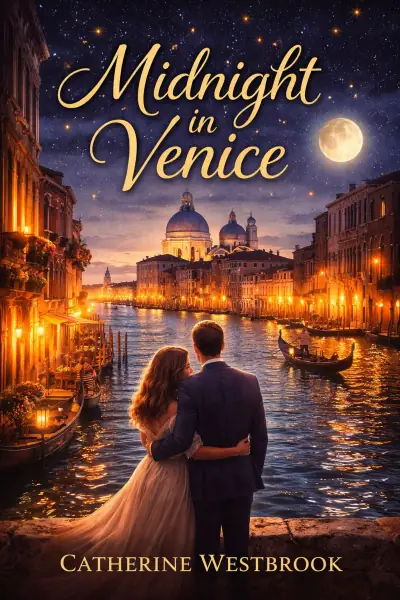
Poetry cover inspiration: a distinct mood helps a collection feel intentional before the first poem.
The Automateed AI Poetry Book Creator generates an original poetry collection of 10 to 80 poems in six selectable forms — free verse, rhyming, haiku, sonnets, spoken word or mixed. The collection is outlined first so poems progress through distinct images and moods rather than repeating one idea; line and stanza breaks are preserved in the preview and the exported PDF, and an AI cover is generated with the project. One credit covers 15 poems.
Use the poetry publishing guide to sequence, format and proof the collection, then review book cover design so the visual mood matches the poems rather than a generic genre template.
77,000+
books created on Automateed, per our published report
216
countries where those books were created
100+
supported generation languages
11
structured book creators sharing this workflow
How it works
Every structured creator uses the same library, status tracking, preview and export experience. The content schema changes to fit this book type.
Step 1
Add a title, focused topic, audience, language and any non-negotiable instructions.
Step 2
Set the scope and see the required ebook credits before generation starts.
Step 3
Automateed outlines the sequence, creates each poem and generates a matching cover.
Step 4
Edit individual fields, check the complete preview and download the formatted PDF.
Collections fail in the sequencing, so the creator sequences first: it outlines sections and a deliberate progression through your theme — distinct images, settings and emotional registers — before drafting a single poem. “Letters to My Younger Self” moves from regret toward tenderness because the outline said so, not by accident.
Each poem is then generated as a titled piece within that plan, optionally with a short author note beneath it. The theme field and audience control the territory; tone and custom instructions handle constraints like “no rhyme”, “present tense throughout” or “every poem anchored to one city”.
The style selector offers free verse, rhyming poetry, haiku, sonnets, spoken word and mixed collections, each with form-specific generation instructions. A haiku book generates as compact seasonal images; a sonnet sequence gets fourteen-line architecture; spoken word arrives with the rhythm and direct address the form demands.
Formal verse is where you must verify hardest: count syllables in the haiku, check meter and volta placement in the sonnets, read the rhymes aloud for forced pairs. The generator gives you formally-shaped drafts; the formal discipline that survives an editor is your revision.
Poetry dies in tools that reflow text. This creator treats line and stanza breaks as data — preserved exactly in the on-screen preview and in the exported PDF — so an em-length drop or an isolated single-word line survives to print. That is the practical difference between a poetry workflow and pasting verse into a prose template.
The formatted PDF plus the AI-generated cover give you a complete package for a chapbook or full collection; for cover direction in this genre (type-led, restrained imagery), see the book cover design guide before you publish.
Poetry readers care about authorship, so decide your stance before publishing: generated collections work cleanly as gifts, themed keepsakes, teaching material and drafting scaffolds, and Amazon requires AI-content disclosure at upload either way. Many poets use the output as raw material — keeping images, cutting lines, rewriting toward their own voice until authorship is genuinely theirs.
Sizing follows tradition: 10 to 30 poems is chapbook territory, strong as a gift or reading companion; 50 to 80 approaches a full trade collection. At one credit per 15 poems (a 30-poem chapbook is 2 credits, the 80-poem maximum 6), drafting three thematic directions before committing is affordable.
Treat every generated poem the way the editing guide treats every generated chapter: as a first draft with your name pending. Read aloud, hunt clichés — AI verse loves shattered mirrors and golden dawns — tighten line breaks, and delete the weakest fifth of the collection; 24 strong poems beat 30 mixed ones.
The structured editor preserves your changes field by field, including titles and author notes, and the collection re-exports to PDF as often as you revise. When the arc holds from first poem to last read straight through, it is ready for a cover.
Example concepts
Start with a reader, context and outcome. These examples show the level of focus that gives the generator something meaningful to design around.
Free-verse pieces moving from regret toward tenderness.
A sonnet sequence observing ordinary urban lives.
Mixed-form relationship poems organized by season.
Built for the format
Free verse, rhyming, haiku, sonnets, spoken word or a mixed collection.
An outline creates sections and a deliberate progression before poems are drafted.
Line and stanza breaks are preserved in the preview and PDF.
Choose a chapbook-sized draft or a longer collection.
Who it helps
Generate material to revise, combine and rewrite in your own voice.
Build a themed collection for a person, place or milestone.
Create form examples and revision exercises for discussion.
Poetry benefits from aggressive human revision. Read every line aloud, remove clichés, check formal constraints and rewrite toward a distinctive voice. Treat the generated collection as material for authorship, not a substitute for editorial judgment.
FAQ
Six: free verse, rhyming poetry, haiku, sonnets, spoken word and mixed collections. Each carries form-specific instructions in the generation prompt — but verify meter, syllable counts and rhyme quality yourself before publishing formal verse.
The collection is outlined before any poem is written: sections and a deliberate emotional progression through your theme, with instructions to vary imagery and mood. That is why a themed collection reads as an arc instead of forty restatements of one idea.
Yes — line and stanza breaks are treated as data and preserved exactly in both the on-screen preview and the exported PDF, including short lines and white space that prose tools would reflow.
From 10 to 80, with 30 as the default. Ten to thirty poems is classic chapbook length; fifty and up reads as a full collection.
One credit per 15 poems, rounded up: a 30-poem chapbook is 2 credits, 60 poems is 4, and the 80-poem maximum is 6. The cost is shown on the create form before you start, cover and PDF included.
Yes — pick the form in the style selector. Haiku generate as compact image-led pieces and sonnets with fourteen-line structure, but formal constraints are exactly where AI drafts need line-by-line human verification.
Every poem is editable field by field — title, body with its line breaks, and the optional author note — and the PDF re-exports as often as you revise. Deleting the weakest poems is editing too.
Be transparent and deliberate: Amazon requires AI-content disclosure, and readers in this genre care about authorship. Generated collections work cleanly as gifts, teaching texts and drafting material; many poets revise heavily until the voice is genuinely their own.
Yes, 100+ languages are supported. Poetry is the most language-sensitive format there is, so native-speaker review matters even more here than for prose.
A quote book delivers aphorisms with commentary and reflection space; a poetry collection delivers form, imagery and an arc to read straight through. For a milestone gift with writing prompts, choose quotes; for something to read aloud, choose poems.
Continue the workflow
Use the relevant editorial, design and selling guides before releasing the finished project under your name.
One subscription unlocks every creator below — same login, same library, same export quality.
Complete short-story anthologies in any genre, 1,000+ words per story.
Open creatorStep-by-step guides with pro tips, tools lists and common mistakes.
Open creatorDestination guides written like a local — itineraries, food, insider tips.
Open creatorLesson-by-lesson courses: vocabulary, dialogues, grammar and exercises.
Open creatorFitness, reading, fishing & maintenance logs with structured tracking pages.
Open creatorGenerate a complete, designed ebook from one prompt — PDF, EPUB & flipbook.
Open creatorSet the scope, see the credit cost and keep control of every generated poem before you export.