Table of Contents
An AI study guide generator takes a subject and builds the complete study guide around it: key concepts explained in plain language, worked examples, practice questions with answers, and chapter recaps—organized in the order a learner should actually move through them. Describe the subject and audience ("AP Biology unit 4 for high school juniors," "real estate licensing exam prep for Texas"), and Automateed generates the full guide as an editable book you can study from, hand to students, or publish and sell.
That last part matters more than most pages about this topic admit. An AI study guide generator serves three different people: the student who needs a better way to prepare, the educator who needs course materials without weekend-long prep sessions, and the publisher who sells exam-prep books into one of the most reliable nonfiction niches on Amazon KDP. This page covers how the tool works for all three—and why the structure of the guide matters more than the amount of content in it.
Key Takeaways
- Generates complete study guides—concept explanations, worked examples, practice questions with answers, and recaps—not just summaries of source text.
- The proven structure is a loop: concept → example → practice → recap. Guides built this way get used; walls of bullet points get skimmed once.
- Students use it to turn a syllabus into a study plan; educators use it to produce course companions; KDP sellers use it to publish into exam-prep niches.
- Study guide demand is seasonal and predictable—midterms, finals, and certification cycles—so publishing 2-3 months ahead of the spike matters.
- Accuracy is your job, not the AI's. The generator drafts fast; a subject-competent review pass is what makes the guide trustworthy enough to sell.
What Is an AI Study Guide Generator?
A study guide is not a shorter textbook. A textbook explains a subject; a study guide prepares someone to perform—on an exam, in a certification test, in a job interview. That difference dictates everything about the format: guides prioritize the testable core over completeness, they interleave questions with explanations instead of saving them for the end, and they repeat key material deliberately because retrieval, not reading, is what builds recall.
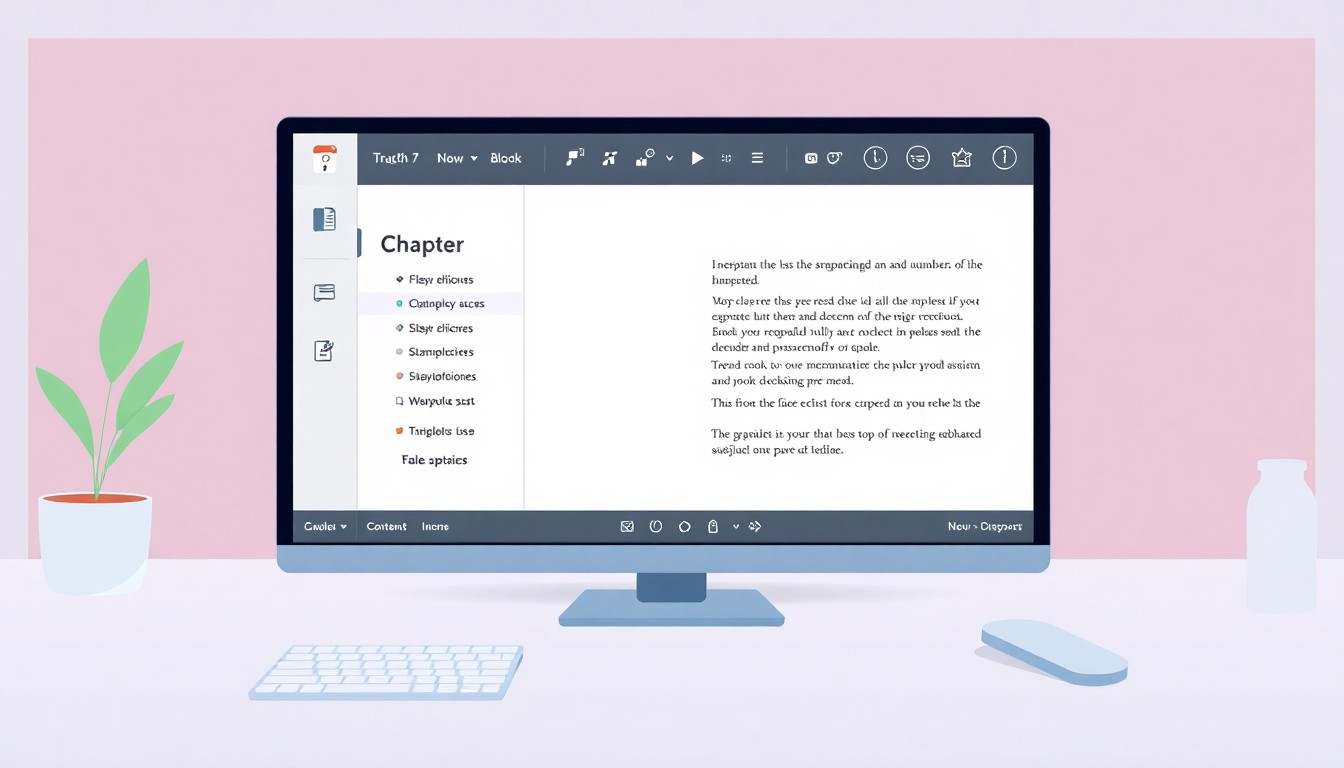
An AI study guide generator builds that format directly. You define the subject, scope, and audience level; the AI proposes an outline organized by topic; then it writes each section as a teaching unit—concept, example, practice, recap—rather than as prose chapters. Because Automateed generates chapter-aware content in sequence, later sections can reference and reinforce earlier ones, which is exactly how a human tutor structures review. The output is a real book: editable in the built-in editor, exportable as PDF or EPUB, and publish-ready for KDP if selling is the goal. It works the same way as the broader AI ebook generator, just pointed at a format where structure does most of the work.
The Structure That Makes a Study Guide Work
Ask anyone who has bought a bad study guide what went wrong and you'll hear the same complaint: it was a content dump. Definitions, lists, more definitions—technically accurate, practically useless. Good guides run a four-beat loop for every topic:
- Key concept: the idea explained in two or three plain-language paragraphs, with the vocabulary the exam will use, bolded where it counts.
- Worked example: one problem or scenario solved step by step, showing the reasoning—not just the answer. This is the section learners reread.
- Practice questions: 3-8 questions in the format the real test uses (multiple choice, short answer, scenario), with an answer key that explains why each answer is right.
- Recap: a half-page summary the learner can review the night before—the compression that makes the guide worth keeping.
When you brief the generator, specify this loop explicitly. "A study guide for the ServSafe food handler exam: for each topic, explain the concept, give one real kitchen scenario, then five multiple-choice questions with explained answers, then a recap box" produces a dramatically more useful draft than "make a study guide about food safety." If your material leans toward exercises over explanations, the AI workbook creator covers that heavier-practice format.
How It Works
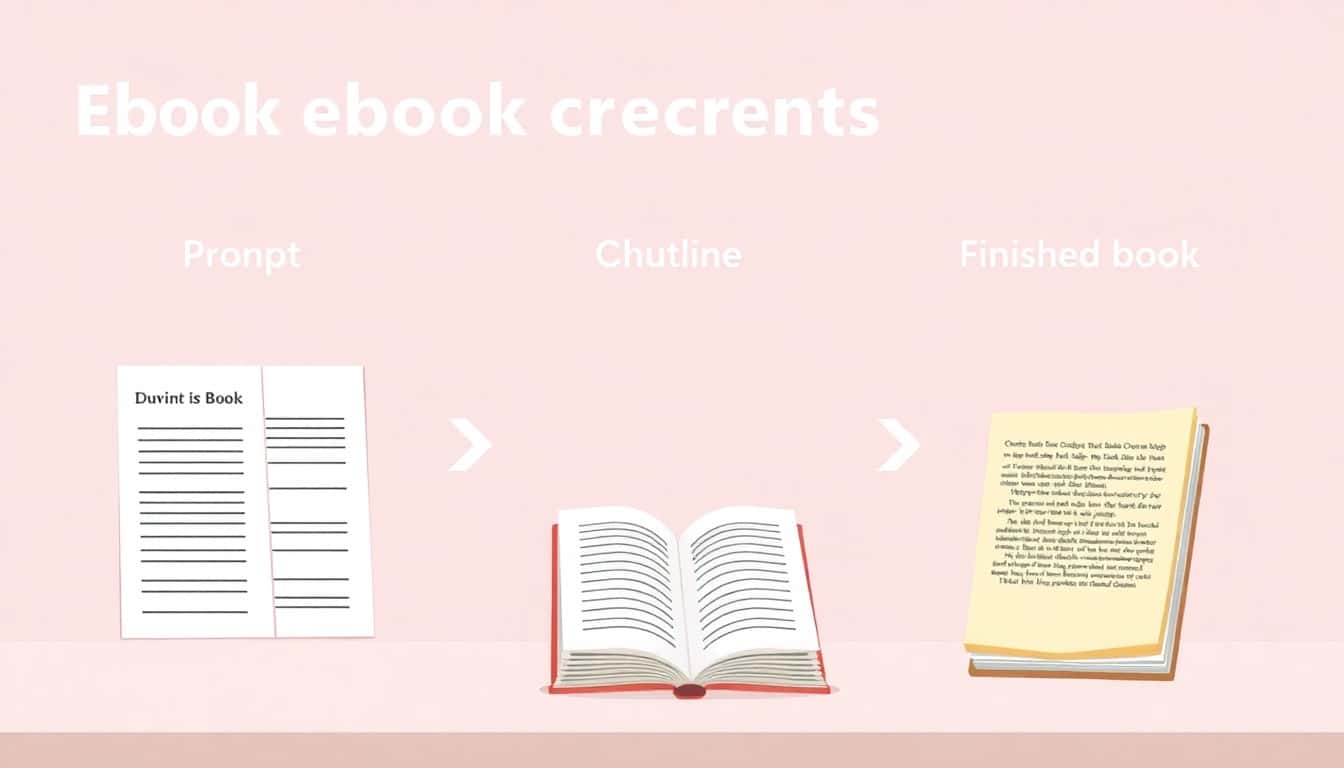
1. Define the guide. Subject, exam or course it targets, audience level, and length. Pasting in a syllabus or topic list is the fastest way to lock the scope to what will actually be tested.
2. Shape the outline. The AI proposes a topic-by-topic structure. Edit it now: cut topics the exam doesn't cover, merge overlapping ones, and order them from foundational to advanced. A course outline generator pass is useful here if you're mapping a full curriculum rather than a single exam.
3. Generate the content. The AI writes each section in the concept-example-practice-recap loop, chapter by chapter, in order. Questions come with answer keys and explanations.
4. Verify and edit. This is the non-negotiable step. Check every fact, formula, date, and answer key against an authoritative source for the subject. AI drafts confidently; your review is what makes the guide correct. The editor makes fixes fast—but they're yours to make.
5. Add a cover and export. Generate a cover (exam-prep buyers respond to clear, bold covers that name the test), then export a PDF for print or an EPUB for digital, both publish-ready for KDP.
Students, Educators, and Publishers Use It Differently
Students use the generator as a study system, not a product: feed in the course topics, generate the guide, and use the practice questions for active recall instead of rereading notes. Even the act of editing the outline—deciding what's core and what's peripheral—is studying.
Educators and tutors use it to produce course companions: a review guide per unit, a final-exam prep packet, a summer bridge workbook. What used to consume a weekend of formatting and question-writing becomes an evening of reviewing and sharpening AI drafts. Tutors in particular can hand every student a personalized guide scoped to that student's weak topics.
Publishers treat study guides as a catalog business. Exam prep is one of the evergreen nonfiction niches—covered in our rundown of things to sell on Amazon KDP—because tests recur, buyers are motivated, and a guide that maps to a specific exam faces far less competition than general reference books. The playbook: pick a specific test or course, publish a tightly-scoped guide, and expand into a series across related certifications.
Concepts, practice questions, recaps, and a cover—drafted in minutes, ready for your review. Free to start, no card required.
Generate a Study Guide FreeSelling Study Guides: Seasonal Demand You Can Plan Around
Study guide sales don't trickle—they spike. Midterms, finals, AP season in spring, certification cycles tied to hiring pushes, back-to-school in late summer. That predictability is a gift for publishers: you know months in advance when your buyers will show up, so you publish 2-3 months ahead of the spike to let the listing gain reviews and rank before demand hits.
Channel-wise, the standard mix applies. KDP paperbacks reach students who want something they can annotate; digital versions sell through your own channels or the Automateed marketplace at 85% royalty—the full breakdown is in our guide to selling ebooks online. Study guides also make natural lead magnets: a free single-topic mini guide builds an email list of exactly the students who will need the full guide at exam time, a loop the AI lead magnet generator is built for.
One positioning rule outranks the rest: name the exam, course, or level on the cover. "Chemistry Study Guide" competes with everything; "Chemistry Study Guide for the HESI A2" competes with almost nothing and tells the buyer instantly that this book is for them.
What Separates a Useful Guide From a Content Dump
Practice questions that explain themselves. An answer key that says "C" teaches nothing. An answer key that says why C is right and why B is the tempting-but-wrong choice is the difference between a guide that gets recommended and one that gets returned.
Scope discipline. The best guides are shorter than the material they cover. Every topic that isn't on the test dilutes the topics that are. Cutting is editing, and it's most of your editing.
Honest difficulty. Practice questions slightly harder than the real exam build confidence on test day. Softball questions feel good and sell the learner short—reviews notice.
A layout built for review. Recap boxes, consistent question formatting, white space to work in. If you're weighing which AI tool handles long structured nonfiction best, our comparison of the best AI to write a book covers the field.
Frequently Asked Questions
Can AI make a study guide from my notes or syllabus?
Yes—that's the highest-leverage way to use it. Paste your syllabus, topic list, or notes into the book description, and the generator scopes the outline to exactly that material instead of the whole subject. The tighter your input, the closer the guide maps to what your exam will actually test.
Are AI-generated study guides accurate?
They're accurate after you verify them, not before. AI drafts explanations and questions quickly and is right most of the time—but "most of the time" isn't good enough for exam prep. Check facts, formulas, and every answer key against an authoritative source before you study from it or sell it.
Can I sell AI-generated study guides on Amazon KDP?
Yes. KDP accepts AI-assisted books and asks you to disclose AI use during publishing. Quality bars still apply: guides need original explanations and questions, a specific scope, and accurate content. One caution—don't copy questions from official exams or copyrighted prep materials; write originals that test the same concepts.
What is the best format for a study guide?
A repeating loop per topic: concept explanation, one worked example, a short set of practice questions with explained answers, and a recap box. That structure supports active recall—the study method with the strongest evidence behind it—instead of passive rereading.
How long should a study guide be?
Long enough to cover the testable material, short enough to finish—typically 60-150 pages for a single exam or course. If it approaches the length of the textbook it summarizes, it has stopped being a study guide. Cut peripheral topics before adding anything.
Can teachers use AI study guides in the classroom?
Yes, and many do—as review packets, unit companions, and differentiated versions for students at different levels. The teacher's review pass matters doubly here: you're the accuracy check, and you know which topics your class actually struggled with, so edit the practice questions toward those.
Generate the concepts, questions, and recaps—then make it yours in the editor. Join 80,000+ creators.
Start Your Study Guide FreeConclusion
Study guides are structure businesses: the value isn't in knowing the material—textbooks already contain it—but in organizing it into a loop of explanation, practice, and recall that gets someone through a test. An AI study guide generator automates the expensive part of that work: drafting explanations, writing question banks, keeping the format consistent across a hundred pages. What it leaves for you is the part that was always yours—verifying accuracy, cutting to the testable core, and knowing your learner. Whether you're studying for one exam, teaching thirty students, or building an exam-prep catalog for the next finals season, the guide you needed used to take weeks to make. Now it takes an evening, and most of that evening is quality control.