Table of Contents
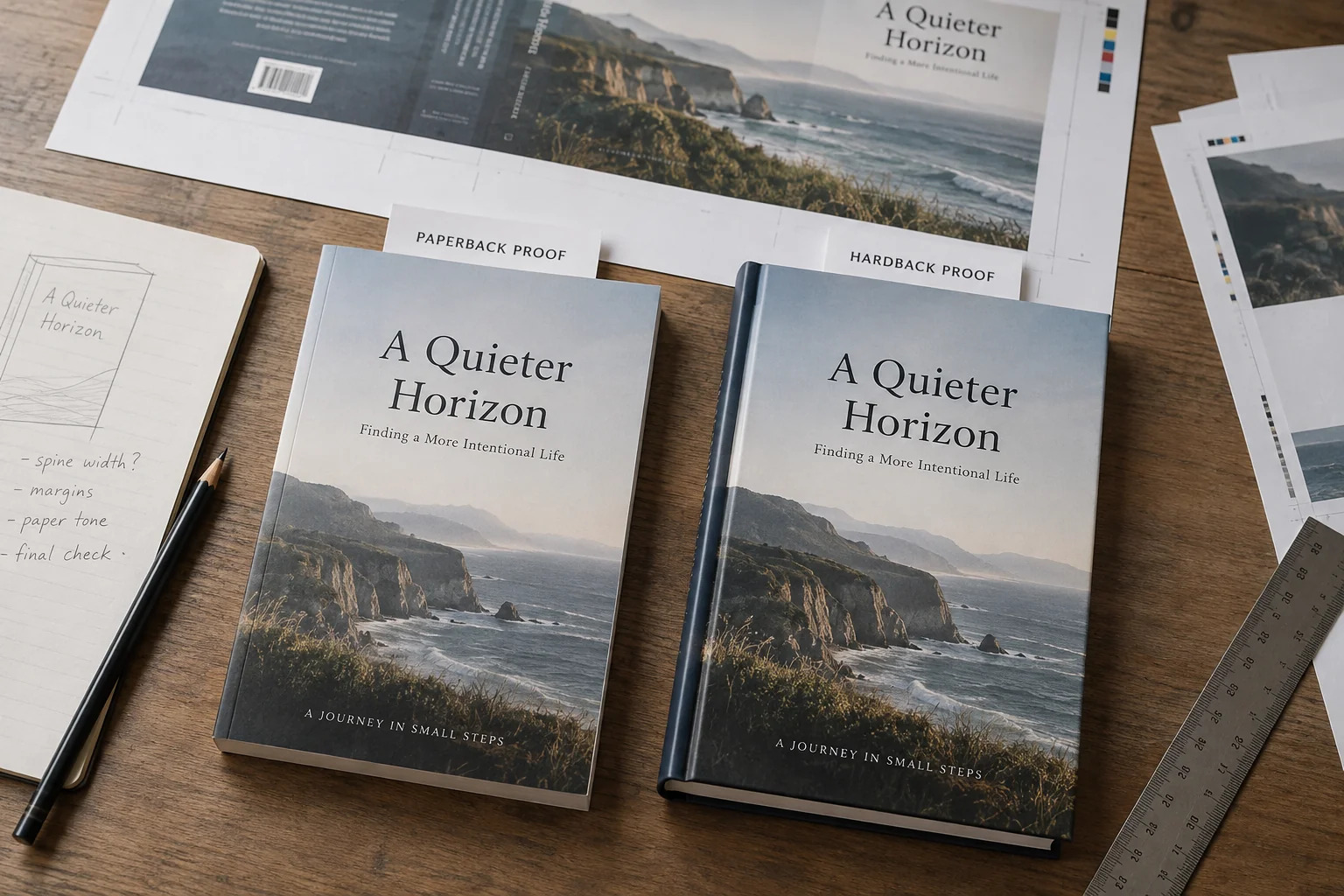
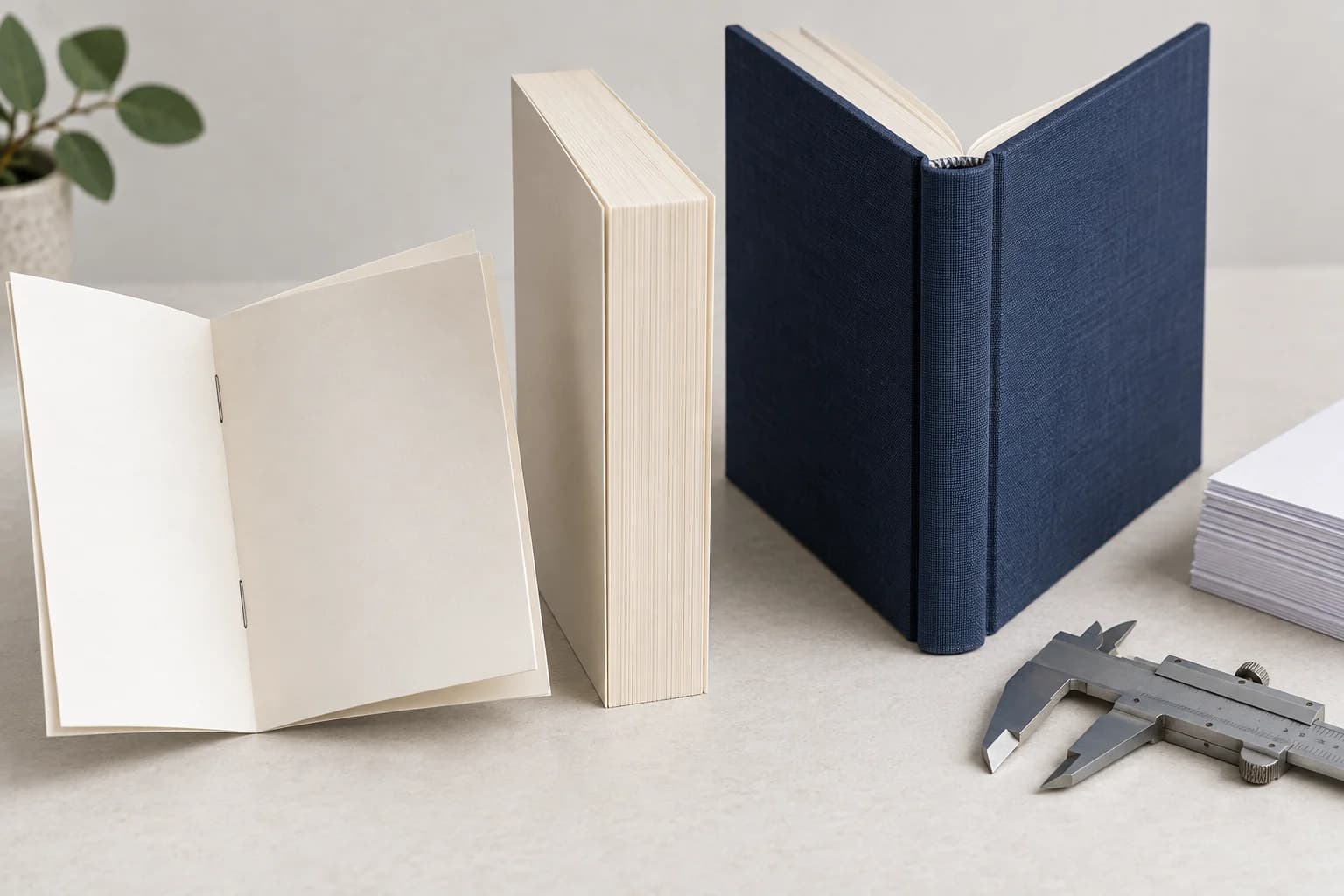
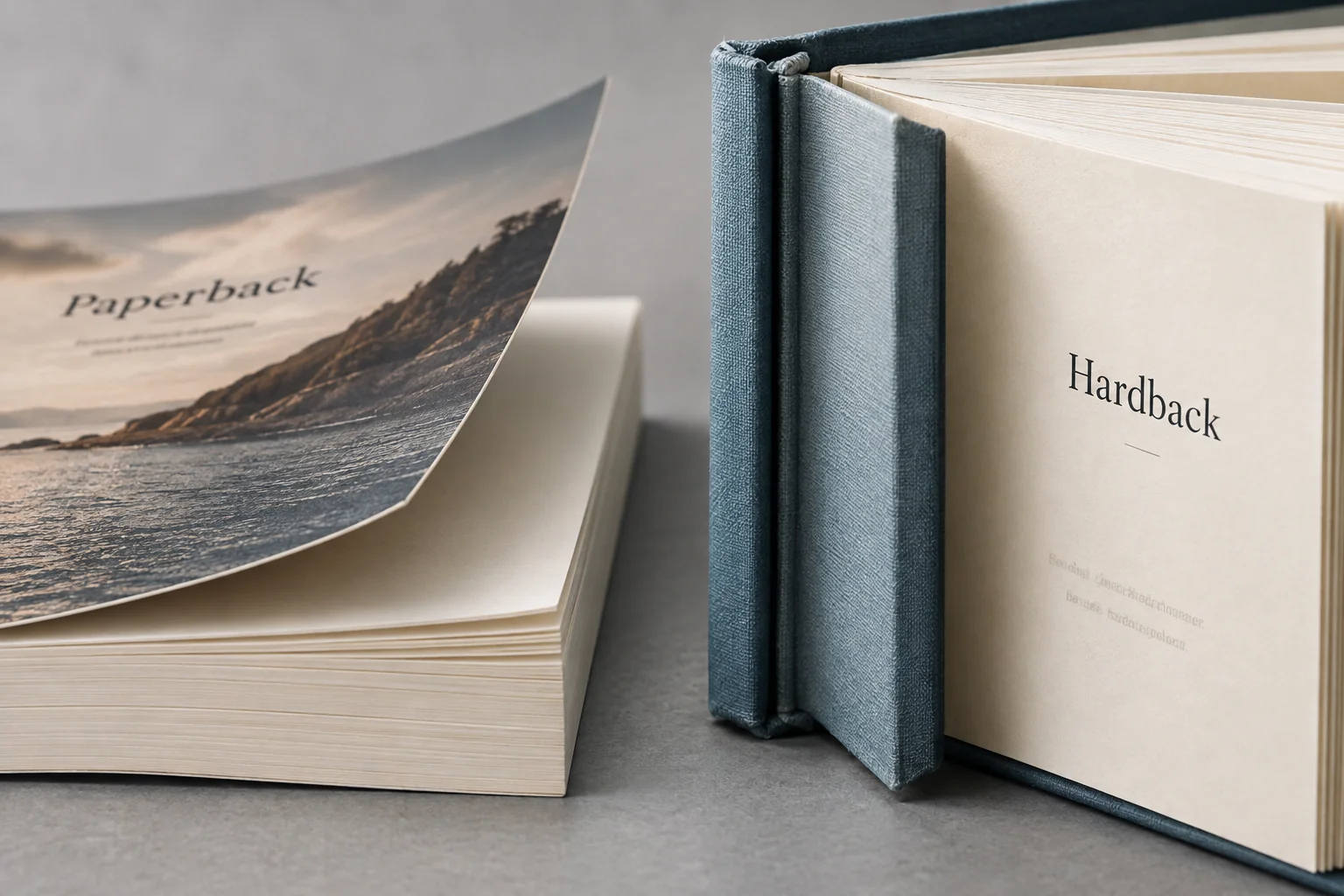
A paperback has a flexible card cover; a hardback, or hardcover, has rigid boards. Paperbacks are generally cheaper and easier to carry. Hardbacks give the pages more protection and can make an attractive gift or keepsake. The text may be identical in both editions—the main difference is how the physical book is built. IngramSpark’s descriptions of paperback and hardback bindings
For readers, the choice often comes down to price, weight and how you'll use the book. For authors, it also affects printing costs, cover files and the price you need to charge. We'll compare both sides, including a 240-page KDP example that costs $3.88 to print as a paperback and $8.53 as a hardback.
Paperback and hardback at a glance
| Decision factor | Paperback | Hardback | What to verify |
|---|---|---|---|
| Cover structure | Flexible card or paperboard cover | Rigid boards covered by a printed or other case material | Exact binding and material specification |
| Handling | Usually the lighter option with a comparable interior | Additional case structure adds bulk | Finished weight, thickness, and reading comfort |
| Wear | Check exposed corners, cover bends, and spine creasing | Check board corners, hinges, case surface, and any jacket | A physical sample of the intended construction |
| Manufacturing | Normally lower cost for comparable specifications | Normally higher cost | A quote for the final page count, market, and quantity |
| Cover artwork | Wraparound file sized for its spine and bleed | Separate layout allowing for the case and hinges | The printer’s format-specific template |
| ISBN | Identifier assigned to the paperback product | A different identifier assigned to the hardback product | Agreement between metadata, copyright page, and barcode |
The construction and cost distinctions follow IngramSpark’s print options; the file and identifier requirements are explained in KDP’s format comparison. Treat the handling and wear entries as proof-inspection priorities, not promises about a particular copy.
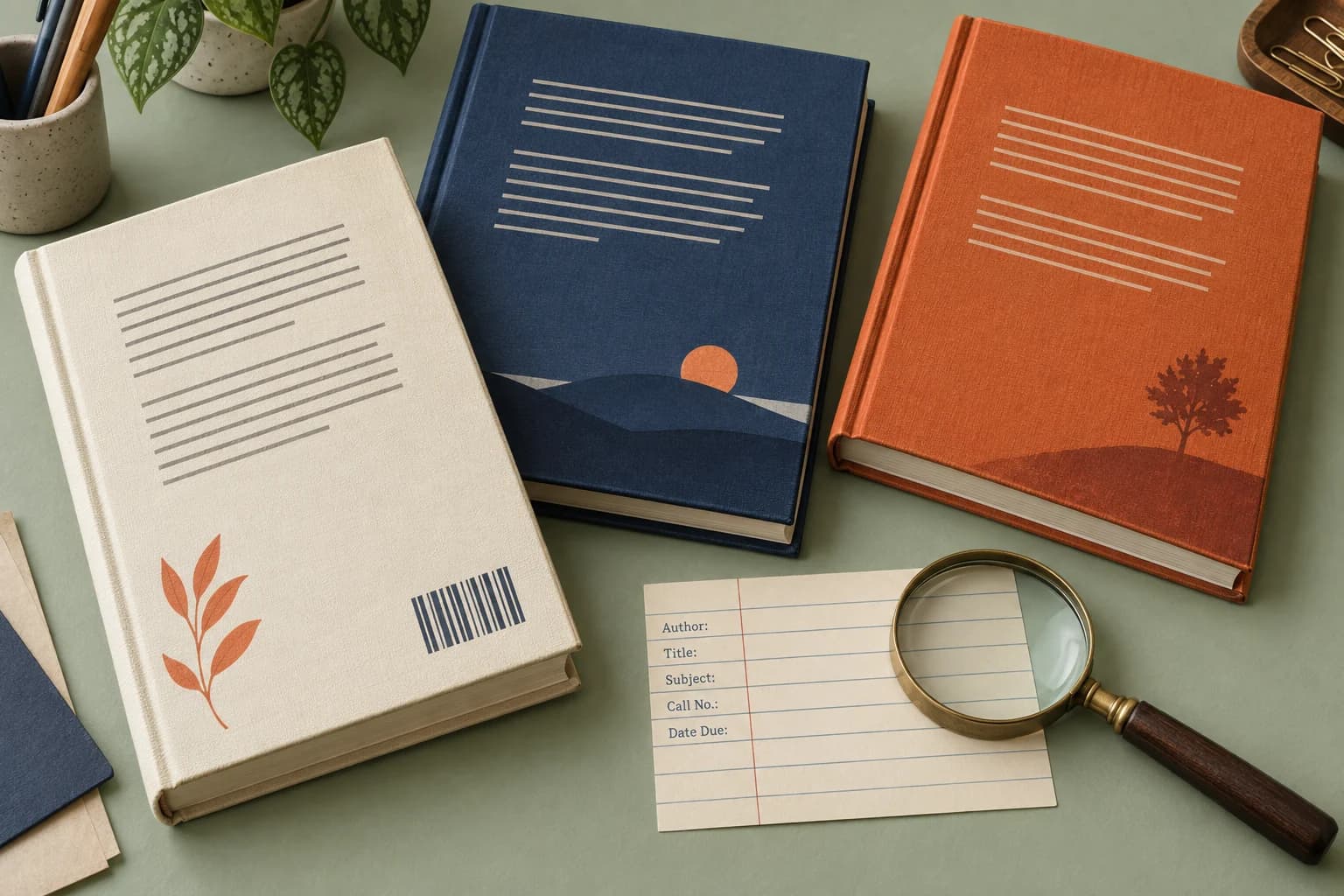
Amazon KDP defines a paperback as pages bound with glue into a flexible cardboard cover. Its hardcover product is case laminate without a dust jacket, whereas IngramSpark lists jacketed and unjacketed hardback options. A dust jacket is therefore an optional component, not what makes a book a hardback. Check the KDP binding description and IngramSpark’s binding choices before commissioning artwork. Specifications checked September 11, 2026.
Which lasts longer?
Assess durability by the binding and materials, not the format name alone. Rigid boards protect the text block—the assembled pages—but “hardback” does not automatically mean sewn binding. The Library of Congress describes both adhesive and sewn structures in its account of how books are bound for preservation.
On a paperback, look at the cover edges and where the pages join the spine. Open several spreads normally and check that the pages stay secure. On a hardback, inspect the corners and the join between the pages and the case. Check any dust jacket separately. A beautiful jacket doesn't make up for pages that are uncomfortable to open.
If you're ordering from a printer, ask about the paper, grain direction, glue or sewing, board thickness and hinges. Request a sample made with similar materials. “Premium” on a quote tells you less than holding the book, opening it normally and checking whether the inner margins remain readable and the pages feel securely attached.
Do not attach an expected lifespan to either format without evidence for that construction and use. Storage conditions and handling also matter: the Library of Congress preservation guide emphasizes prevention through environment, storage, and care. Its book-care guidance specifically advises against forcing a book flat or breaking its spine.
Which is easier to read and carry?
Compare finished copies in the reading position, bag, and storage space that matter. For an otherwise matching interior, the hardback’s additional boards and case material are a reason to expect more weight, but measurement is better than estimating. KDP also notes that its case-laminate covers extend beyond the manuscript dimensions in its book-formatting overview.
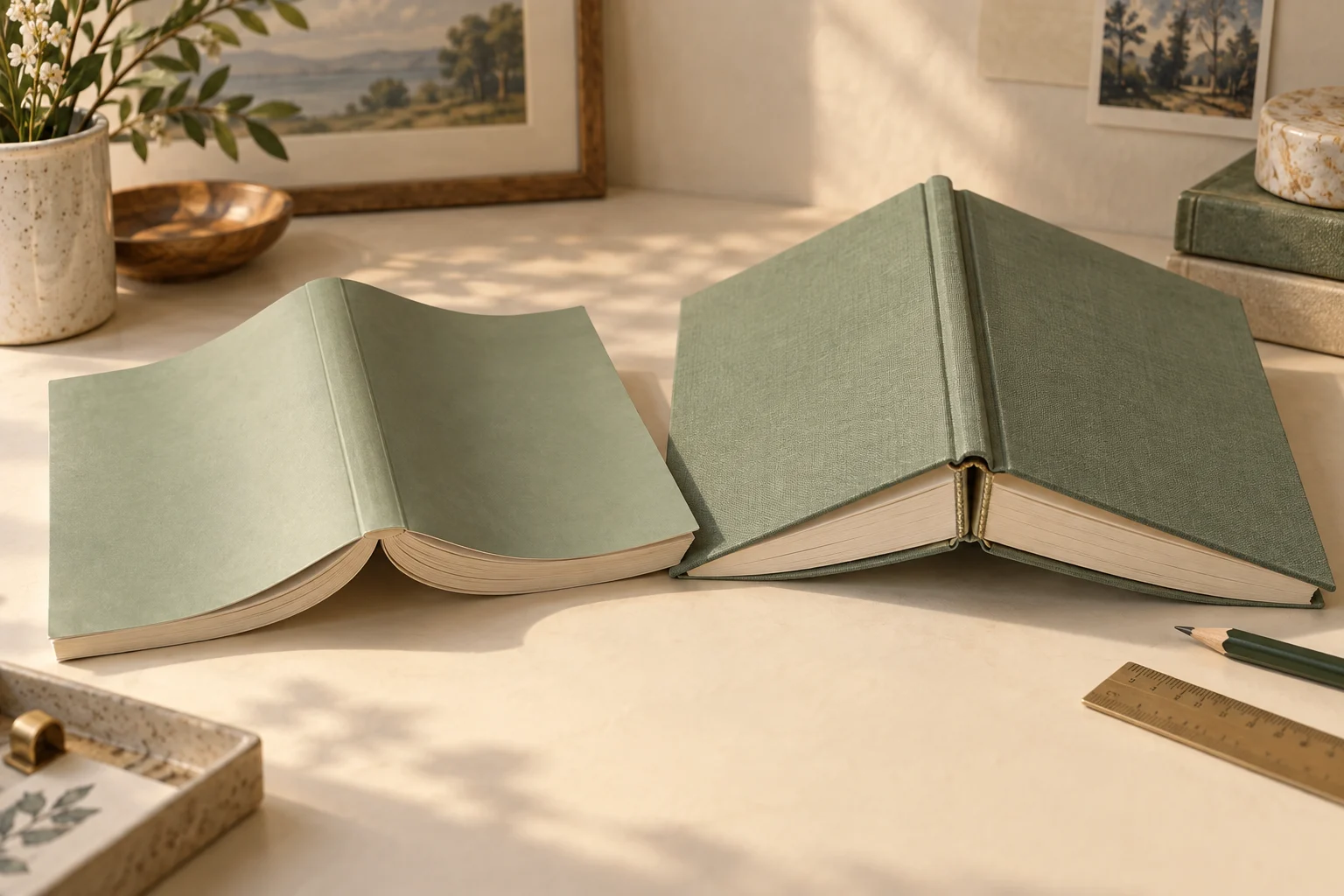
Try reading a novel while seated and holding it in one hand. For a reference book or workbook, place it on a desk and turn between sections. Can you read near the spine without pressing hard? A rigid cover doesn't necessarily mean the book stays open comfortably, so test the way you actually plan to use it.
The layout matters as much as the cover here. If a diagram disappears into the center, move essential details farther from the gutter. If a reference spread is awkward to consult, consider another binding or layout. A physical sample lets you catch those problems before producing an edition that looks good closed but frustrates readers when open.
Measure the finished book before choosing a mailer, display stand or shelf space. Include any jacket and protective packaging. Weigh the packed parcel separately from the book itself; that's what you'll pay to ship. A small increase in cover size or thickness can also mean needing a different mailer, so check the complete package.
How much more does a hardback cost to print?
For a 240-page, 6 × 9-inch book with black ink on white paper, KDP's US printing rates work out to $3.88 for paperback and $8.53 for hardcover. That gives you a concrete comparison for one specification. These are manufacturing costs for Amazon.com sales, checked September 12, 2026, rather than the prices a reader pays in the store.
- Paperback: $1.00 + (240 × $0.012) = $3.88 per copy, using KDP’s paperback printing rates.
- Hardcover: $5.65 + (240 × $0.012) = $8.53 per copy, using KDP’s hardcover printing rates.
The hardback costs $4.65 more to print in that example. Your difference may change with the printer, page count, paper, color choices or marketplace. Recalculate using the actual edition you're planning instead of applying a fixed multiplier to every book. Both KDP rate pages break down the inputs you need.
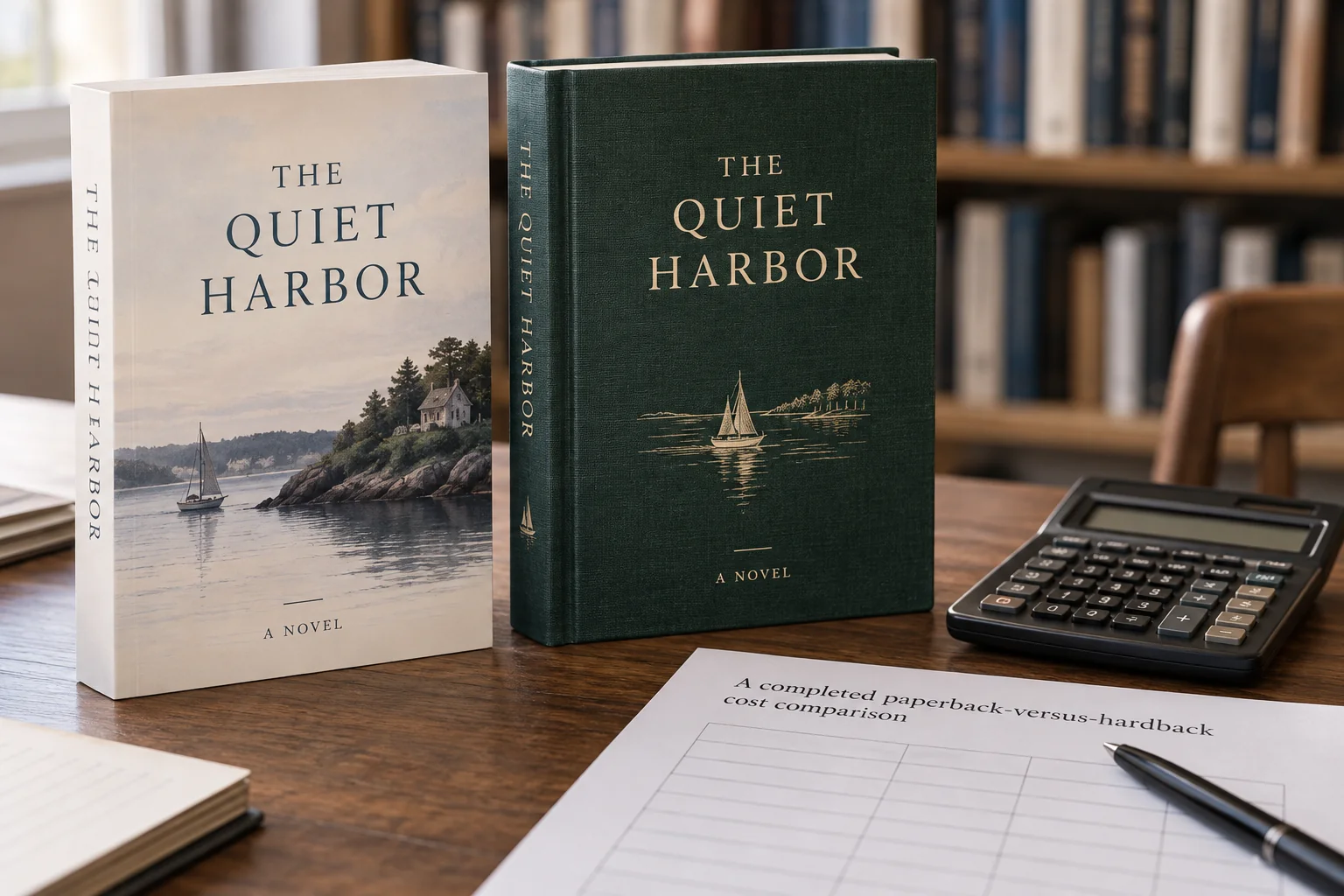
Make a row for each edition and selling route. Include the reader's price, the amount left after retailer deductions, printing, payment processing, delivery, possible returns, setup and proofs. If you're buying stock upfront, add storage and the cash tied up in unsold copies. A lower per-copy quote can still be the more expensive decision if it requires ordering too many books.
Keep the accounting consistent. If a platform’s estimated royalty already deducts printing, do not deduct printing again. KDP explains that it subtracts manufacturing from royalties in its printing-cost guidance. For your own direct-sale comparison, start with receipts and subtract the relevant costs yourself.
Scenario contribution = revenue received − manufacturing − fulfillment − format-specific costs
First compare both formats at the same number of sales. Then ask what happens if demand differs. Will the hardback bring in gift buyers who wouldn't choose the paperback, or will it mainly replace paperback sales? If the plan depends on nearly everyone accepting the higher price, treat that as something to test with your audience.
Example: when a higher cover price pays off
In the example below, both editions leave $720 after their own setup and proof costs at 100 sales. The hardback earns more per copy, but it also costs more to prepare. These are sample direct-sale figures, separate from the KDP printing example above, so you can see how price, margin and fixed costs work together.
| Scenario input | Paperback | Hardback |
|---|---|---|
| Reader price | $18 | $28 |
| Manufacturing per copy | $5 | $11 |
| Payment and fulfillment per sale | $4 | $5 |
| Contribution per sale before fixed costs | $9 | $12 |
| Format-specific setup and proofs | $180 | $480 |
| Contribution at 100 sales after those fixed costs | $720 | $720 |
The paperback calculation is $18 − $5 − $4 = $9 per sale, followed by (100 × $9) − $180 = $720. The hardback calculation is $28 − $11 − $5 = $12 per sale, followed by (100 × $12) − $480 = $720. A $10 increase in reader price produces only $3 more contribution per copy under these assumptions.
The hardback has $300 more fixed cost and $3 more contribution per sale. Dividing $300 by $3 gives 100 equal-volume sales to reach parity with the paperback. That is a comparison between two format scenarios, not the hardback’s standalone break-even point. On the included costs alone, the paperback covers its own fixed costs at 20 sales and the hardback at 40.
Now suppose the hardback sells only 50 copies. It leaves (50 × $12) − $480 = $120, while 100 paperback sales still leave $720. If both sell 50, the paperback leaves $270 and the hardback $120. The higher margin is useful, but it only helps when enough people buy the more expensive edition.
This example charges printing only for the copies counted as sold. If you order a larger run upfront, budget for the unsold stock too. Add relevant tax, returns, storage, editing and other shared expenses before treating the result as your overall profit. Here, we're isolating what changes when you choose one format over the other.
Publishing both formats: ISBNs and files
Assign separate ISBNs to the paperback and hardback, then prepare and check each edition’s files. The U.S. ISBN Agency states that each format or binding needs a separate ISBN. Identical text does not make the two bindings one product. The agency also notes that an ISBN is not required for some direct-only publishing outside stores, libraries, and wholesalers; follow the requirements of your intended channel. ISBN guidance checked September 11, 2026.
You may be able to reuse the interior layout without rebuilding every page. KDP’s hardcover guidance permits matching interior measurements when both formats’ trim and page-count requirements are met, but an ISBN printed inside must match the hardcover details. Its listed hardcover limits are 75–550 pages with five trim sizes. Treat those as KDP restrictions, not universal hardback limits. KDP guidance checked September 11, 2026.
Use a separate cover template rather than enlarging the paperback wrap. A hardcover layout includes areas for material wrapping around the boards and for the hinges where the cover bends. KDP identifies these zones in its hardcover cover-file instructions.
- Confirm both specifications. Check trim, paper, ink, page limits, and intended distribution before final layout.
- Finalize the interior. Include front and back matter in the page count, and check the edition’s copyright-page identifier.
- Generate each cover template. Enter that format’s final paper, trim, and page count; these are inputs to KDP’s template-generation process.
- Adapt the artwork. Position the title, spine text, barcode, and essential images within the correct safe areas.
- Proof each product. Match the uploaded files, metadata, barcode, and physical copy before approval.
Keep one editable manuscript when practical, but name exports clearly by format and version. That makes shared corrections easier while helping you avoid uploading a paperback ISBN inside the hardback. Check the copyright page in each final file, even if the rest of the interior looks exactly the same.
Which format should you choose?
Start with how readers will use the book. The following choices are useful starting points for ordering samples, rather than rules that every novel, cookbook or gift edition must follow:
| Use case | Starting point | Decision to resolve | Proof before committing |
|---|---|---|---|
| Portable genre reading | Paperback | Can you offer comfortable reading at an accessible price? | Bag fit, weight, type size, margins, and cover handling |
| Gift or signed edition | Hardback | Does the presentation justify the additional price and production work? | Case finish, signing page, optional jacket or endpapers, and packaging |
| Frequently consulted reference | Compare both | Which copy makes repeated navigation easiest? | Opening behavior, gutter access, index accuracy, and page turning |
| Illustrated or premium edition | Compare printer and paper samples | Which specification presents the images best within budget? | Color, fine detail, show-through, and reflections in normal light |
| Low-inventory-risk launch | Evaluate print on demand in either format | Can the sales price support per-copy costs without a bulk order? | Contribution calculation, fulfillment arrangements, and finished-copy quality |
Print on demand is a production method, not another cover format: KDP describes on-demand manufacturing for both paperbacks and hardcovers. Compare the binding decision separately from the decision to hold inventory.
Publishing both formats means checking two covers, two sets of metadata, two prices and two proofs. You might start with paperback and add hardback when demand for gifts or signed copies becomes clearer. Offering both at launch can also make sense, provided each has a purpose and the extra work still fits a modest sales forecast.
See the format decision with actual arithmetic. Our KDP video compares a 300-page black-and-white paperback with a hardcover, including printing costs, example selling prices and royalties. It also explains why the hardcover needs its own cover file. Use your book's specifications in KDP's calculator before setting a price.
Watch on YouTube: Paperback or Hardcover on Amazon KDP? Pick the Right Format (4:53)
Check a physical copy before approving it
Test the book the way a reader will use it. For a kitchen reference, open a recipe on the counter and imagine following it with both hands busy. Can you read the ingredients near the spine? Does reflected light hide a picture? Check pages near the front, middle and back, and follow an index entry to its destination. One attractive opening isn't enough.
For a novel, try the bag or mailer you expect to use and measure the packed size and weight. For a gift edition, add the jacket, wrapping and any insert. Check whether the corners stay protected without making the parcel needlessly bulky. This is where a format choice becomes a real handling and shipping decision.
Keep a short note of the printer, binding, paper, ink, size, page count and file version you approved. List any problems and the corrections needed, and save the final PDFs beside it. If you later change paper or suppliers, check another sample rather than assuming the previous proof tells you how the new book will behave.
After shared manuscript edits, compare both exports again: copyright page, contents, index references, running heads, and the opening and closing pages. Reconfirm the cover dimensions if paper or pagination changes, since those are template inputs in KDP’s cover workflow. The final choice should be the edition you can price sensibly, produce consistently, and use comfortably—not merely the one that looks more impressive closed.