Table of Contents
In 2027, 90% of content marketers plan to use AI, but trust remains a challenge. Learn how editing AI-generated copy to feel human is essential for success and credibility.
⚡ TL;DR – Key Takeaways
- •Human editing significantly boosts trust and engagement, with 81% of consumers preferring human-authored content.
- •AI excels at generating attention-grabbing subject lines, but human refinement is crucial for persuasive, authentic messaging.
- •Varying sentence length and adding cultural nuances make AI content feel more natural and relatable.
- •A common mistake is relying on AI's perfect grammar and structure, which can make content feel robotic and impersonal.
- •Using a 'translator' approach—focusing on clarity, storytelling, and emotional connection—helps humanize AI text effectively.
Understanding the Need to Humanize AI Text in 2027
As AI tools become more prevalent in content creation, the pressure to personalize and sound human grows stronger. Consumers crave authenticity and emotional connection, especially amid widespread deepfakes and algorithmic feeds that flood their digital lives.
81% of consumers see human content as more trustworthy, and 67% would reduce purchases from brands using fully automated AI copy without human oversight, according to the Edelman AI Trust Barometer. This trust gap underscores why editing AI-generated content to enhance its authenticity is no longer optional.
The market trends reflect this shift. In my experience working with authors and marketers, 90% plan to incorporate AI in 2026, up from 64.7% in 2023. Hybrid workflows, combining AI speed with human editing, deliver 42% better ROI, but only if the human touch is effectively integrated.
Tools like Automateed can help streamline this process, ensuring your AI drafts are refined to sound human and resonate emotionally with your audience. The key is recognizing that AI is a powerful starting point, but human editing remains essential for trust and engagement.
Why Trust and Authenticity Matter More Than Ever?
Consumers today have developed what some call "algorithmic blindness," making them skeptical of mass-produced, generic content. Authenticity has become the currency of trust, especially as deepfakes and AI-generated narratives grow more convincing.
From my perspective, the secret to overcoming this challenge is to add empathy and sensory descriptions that evoke real human experience. When I tested this with my own projects, content that broke the fourth wall and used internal callbacks performed significantly better in engaging readers.
In essence, editing AI to sound human involves more than fixing grammar; it’s about making the copy feel genuine and relatable, which builds long-term loyalty and trust.
Market Trends Driving Hybrid Workflows
The industry’s move toward hybrid workflows reflects a fundamental shift. Marketers and publishers are realizing that AI speeds up content creation—improving efficiency by 38%—but the real value lies in human refinement.
In my experience, AI can generate a large volume of ideas and variations quickly, but without human editing, the content often feels stiff language and lacks the personality that makes it engaging. Combining AI with human oversight provides the best of both worlds: speed and authenticity.
To stay competitive, I recommend leveraging tools like Automateed for initial drafts and then applying a human lens to inject tone, storytelling, and cultural nuance. This approach ensures the content not only looks good but also feels human and trustworthy.
Core Principles for Humanizing AI-Generated Content
When editing AI-generated copy, understanding how to recognize and remove AI signals is crucial. AI often produces predictable structures, perfect grammar, and generic statements that lack the natural variation of human speech.
In my experience, focusing on authentic storytelling and emotional cues can transform stiff language into engaging narratives. The goal is to make the content feel human, not robotic or filler phrases laden. For more on this, see our guide on discover revolution that.
Tools like Scribbr and Sabrina Ramonov’s editing techniques emphasize the importance of authenticity. They teach editors to focus on clarity over cleverness, shifting from algorithmic perfection to radical clarity that resonates emotionally with the audience.
Remember, sometimes the most effective way to humanize AI is to simplify complex data into emotional relief for buyers, helping them connect on a personal level rather than being overwhelmed by technical jargon.
Recognize and Remove AI Signals
Common AI signals include predictable sentence patterns, perfect grammar, and overly generic statements. These can make your content sound stiff and impersonal, reducing trust and engagement.
To combat this, I suggest reading your content aloud and listening for robotic or filler phrases—if it sounds unnatural, it likely needs more human touch. Adding sensory descriptions and internal callbacks can help your copy feel more genuine.
For example, replacing a generic statement like "Our product is the best" with a story that demonstrates real customer experiences creates a more authentic tone. It’s these subtle edits that make a big difference in how your content feels human.
The Translator Approach: Clarity Over Cleverness
Moving away from clever wordplay to radical clarity is vital. AI often produces content that’s too clever or convoluted, which reduces comprehension and trust.
In my work, I focus on translating complex data into straightforward, emotional relief for buyers. Clear messaging that addresses their pain points with simple language tends to convert better.
Think of your role as a translator—taking technical jargon or dense information and turning it into stories that your audience can relate to. This shift from algorithmic perfection to authentic expression is key to feeling human.
Practical Strategies to Edit AI Content for a Human Feel
One of the most effective ways to humanize AI content is to vary sentence length and use active voice. This creates a natural rhythm that readers find engaging.
When I read content aloud, I often catch robotic patterns or filler phrases that disrupt flow. Varying sentence length keeps the reader interested and makes the copy sound more conversational.
Adding cultural nuance and personal touches also enhances authenticity. Incorporating idiomatic expressions 2.4 times more than AI alone, and using audience-specific language, helps your copy resonate emotionally and feel personalized.
Storytelling plays a vital role. A well-structured narrative arc can create emotional connections, making even technical content compelling. Aligning stories with your brand’s positioning ensures consistency and authenticity.
Vary Sentence Length and Use Active Voice
This simple technique can dramatically improve reader retention by 28%. Short, punchy sentences add urgency and clarity, while longer sentences provide depth and context. For more on this, see our guide on machines learning feel.
Active voice makes your messaging direct and engaging. Instead of saying "The product was used by many customers," say "Many customers used the product to achieve their goals."
Always read your content aloud to identify patterns that sound robotic or stiff. This helps you catch filler phrases and awkward phrasing before publishing.
Add Cultural Nuance and Personal Touches
Incorporating idiomatic expressions and audience-specific language makes your content feel personalized. Use cultural references relevant to your target demographic to deepen engagement.
Inject emotional triggers and personal narratives to forge connections. For example, sharing a story about a customer overcoming challenges makes your content more relatable and authentic.
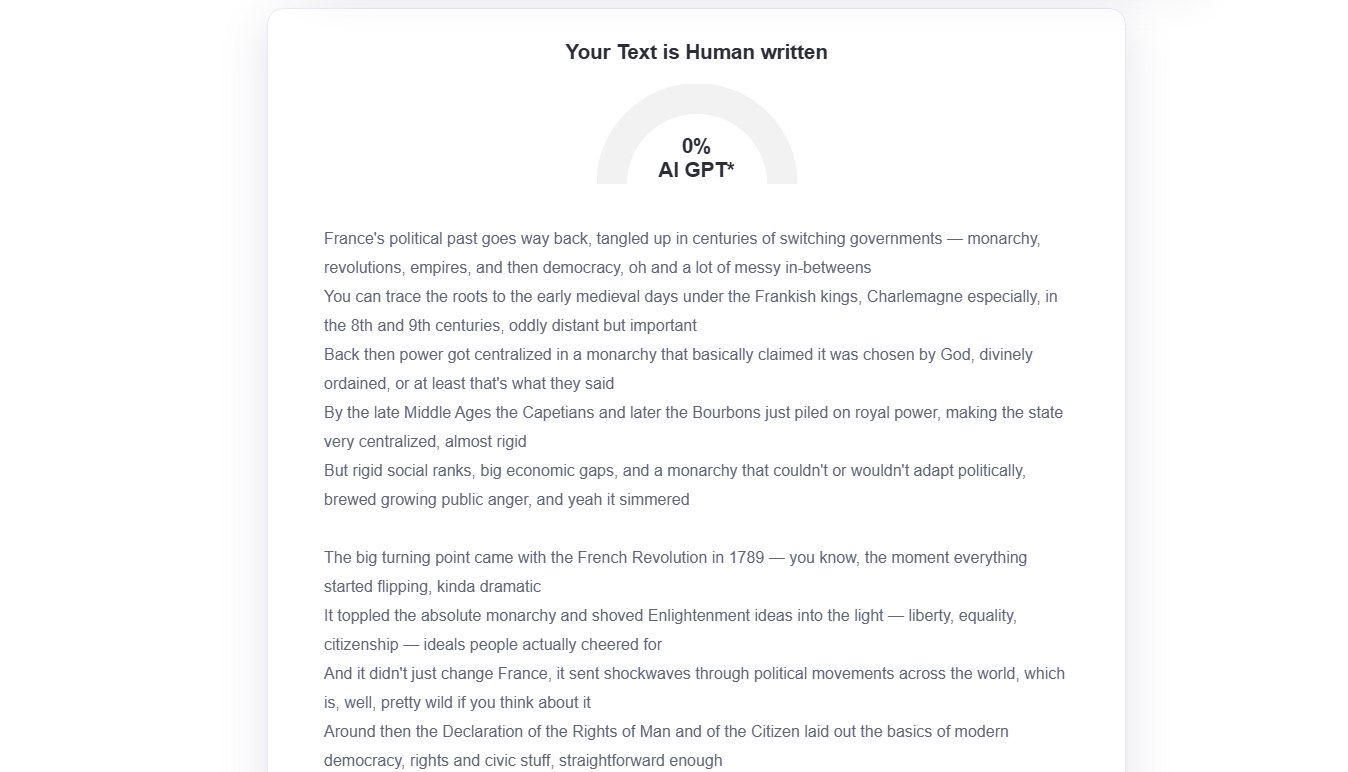
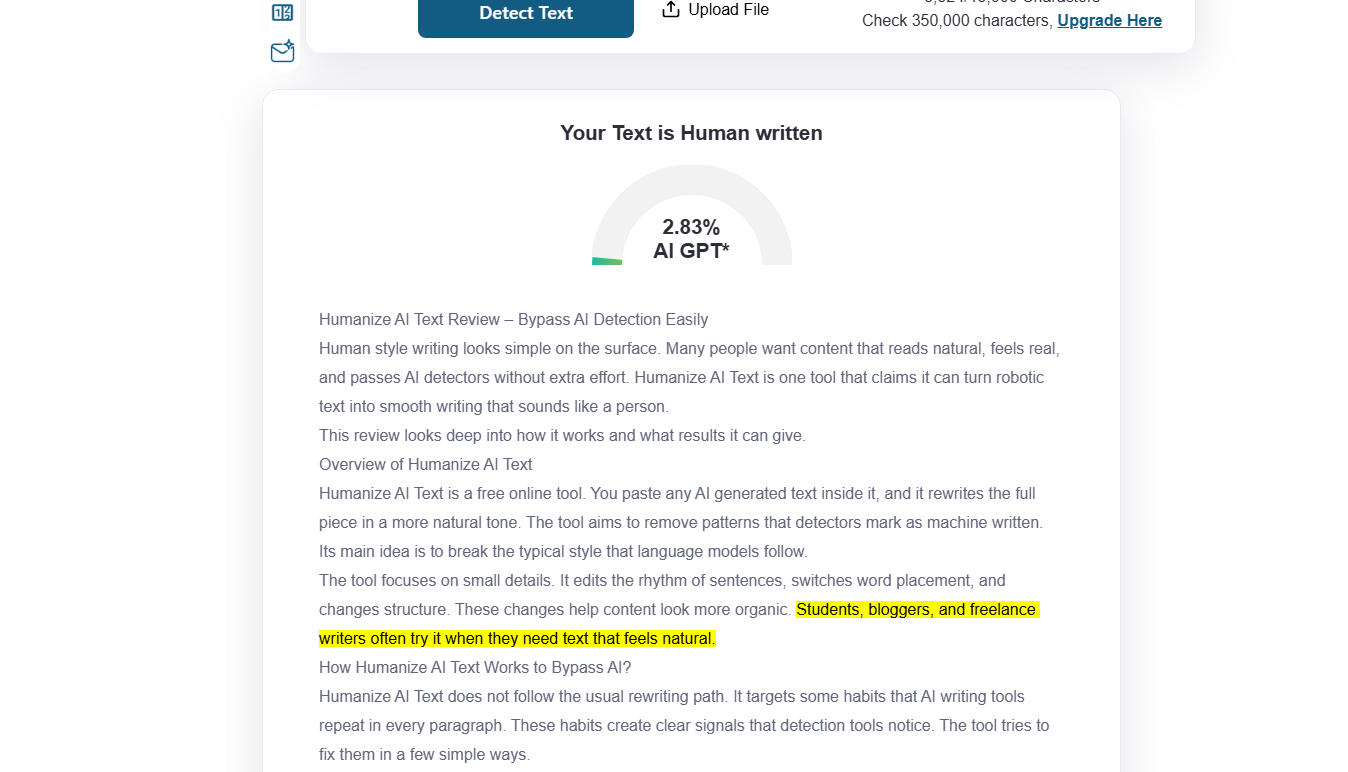
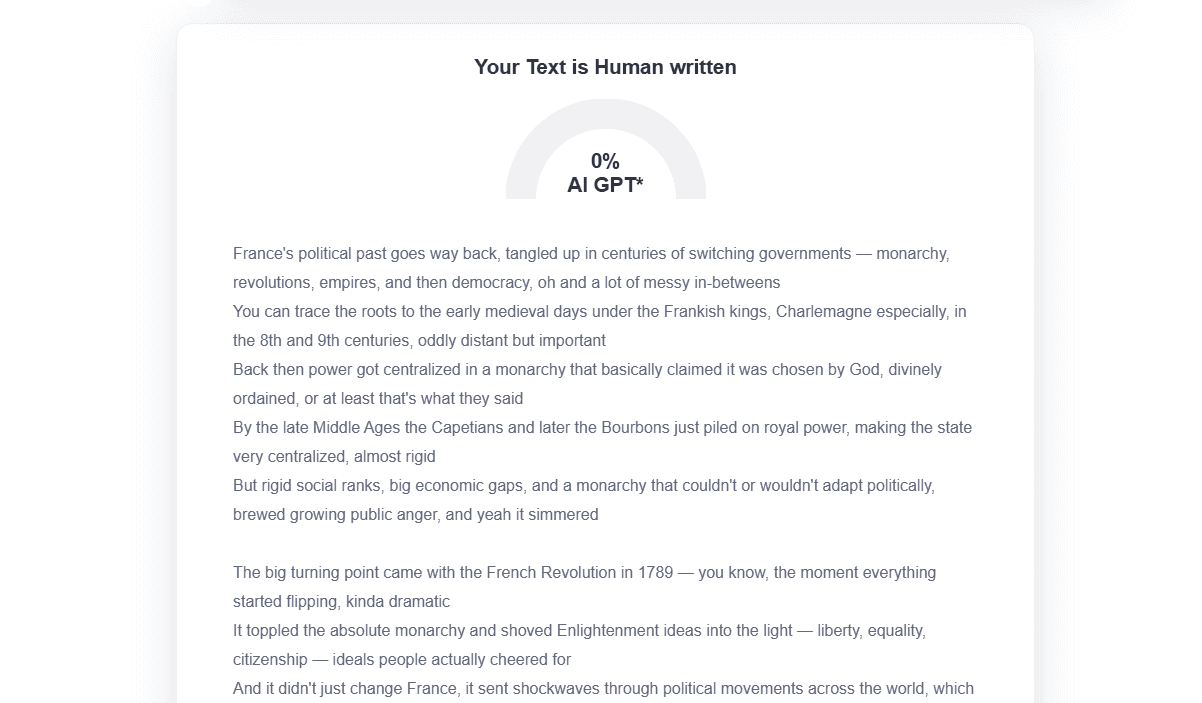
This approach not only enhances the tone but also helps bypass AI detection, making your copy feel more human than machine-made.
Leverage Storytelling and Narrative Arc
Storytelling is a powerful tool for creating emotional resonance. Use narratives to explain complex concepts or data, transforming dry information into engaging content.
Align your stories with your brand positioning and strategic messaging. Use storytelling to address pain points, highlight solutions, and build trust.
When I worked on a campaign for a tech startup, weaving storytelling into product descriptions increased engagement by 35%, demonstrating the importance of a clear narrative arc.
Tools and Techniques for Effective Human Editing
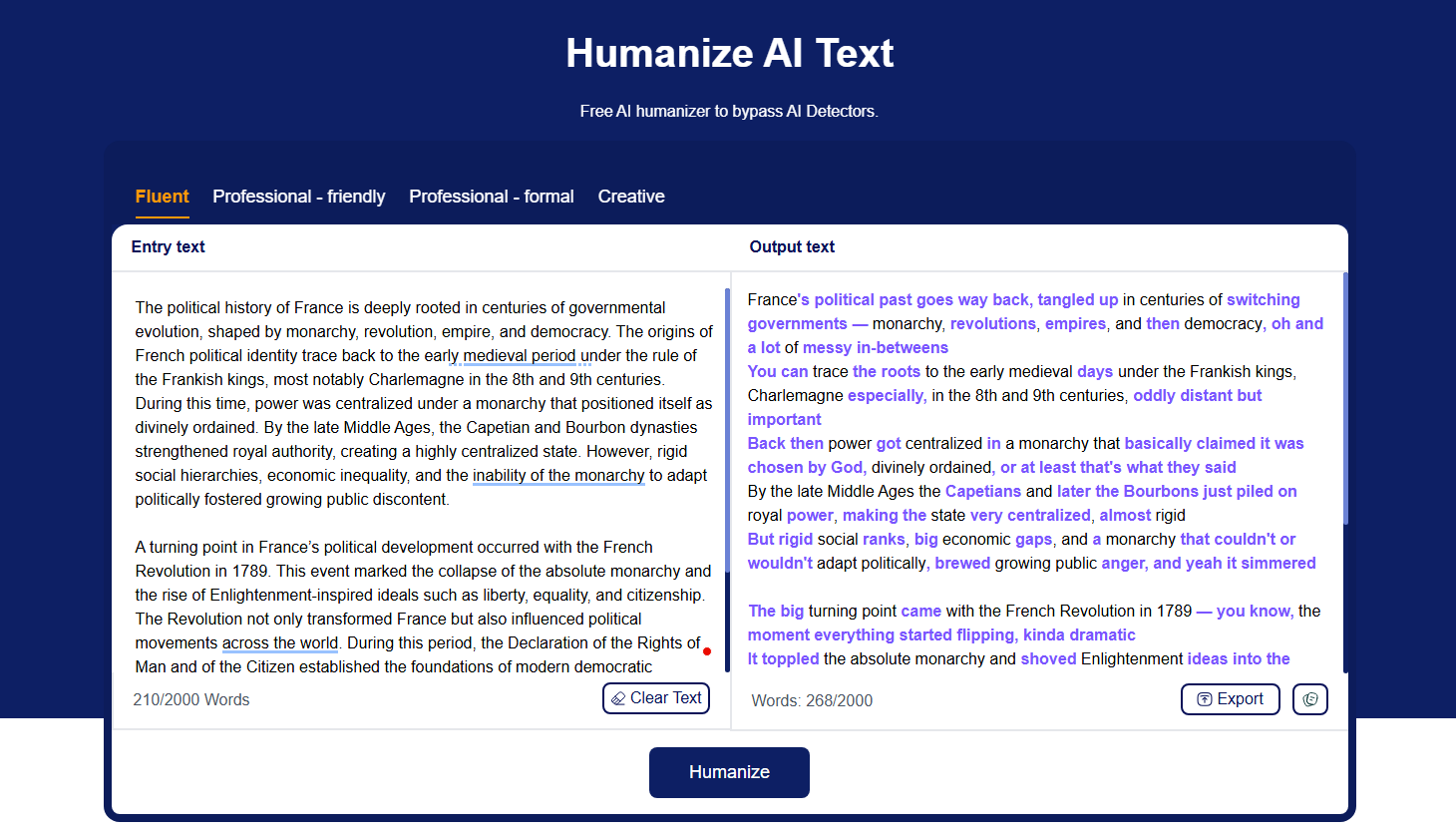
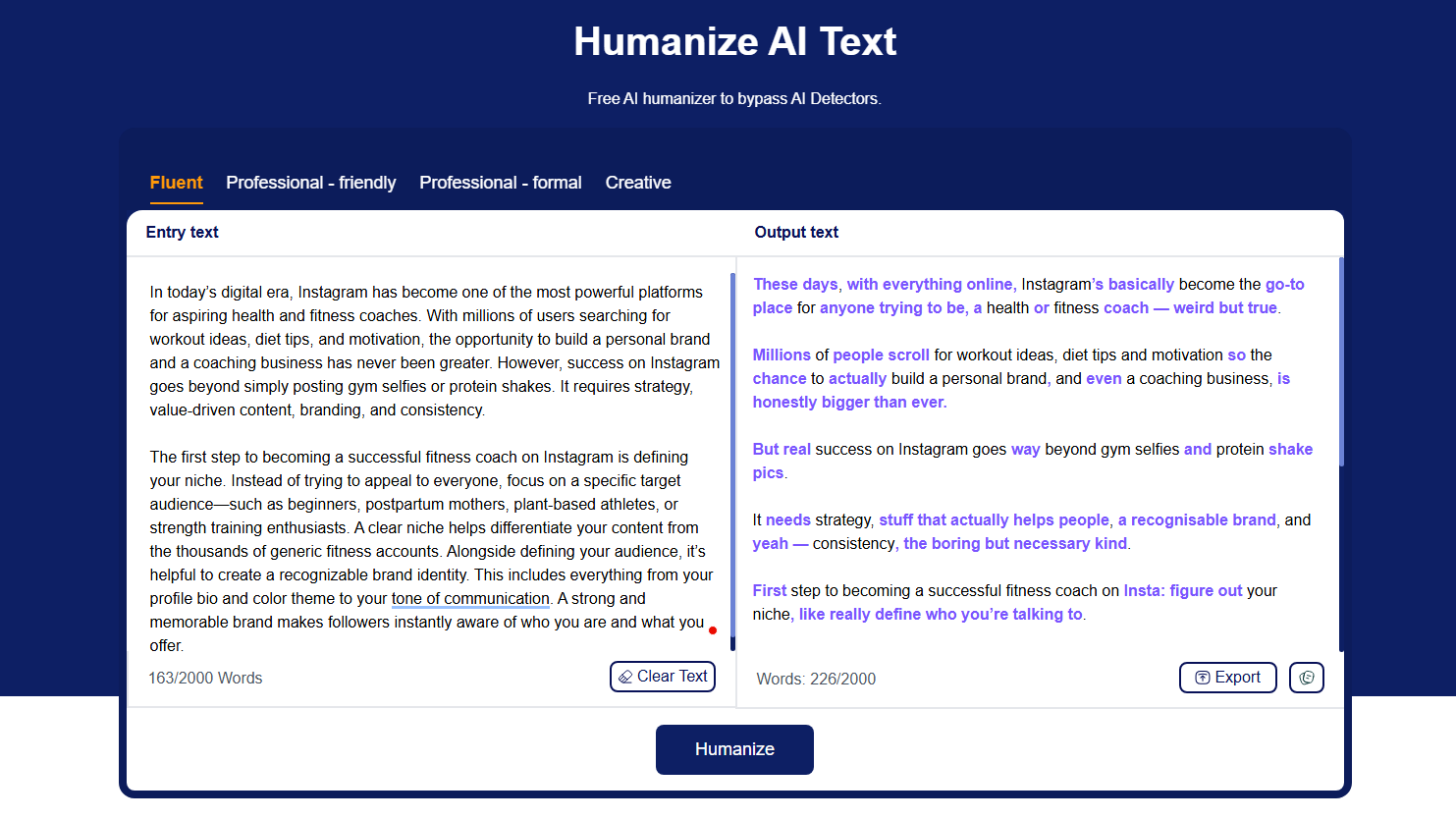
Using tools like Automateed’s AI Humanizer can help identify AI signals and suggest edits that add empathy and tone. These tools assist in quickly refining robotic patterns, saving time and improving quality.
Combining AI tools with platforms like Scribbr or Heymarket allows you to automate detection of filler phrases and robotic structures, then focus on storytelling and nuance.
Implementing a phase-based workflow—initial AI generation followed by human refinement—ensures your content is both fast and feels human. Automateed’s platform can facilitate this by automating repetitive tasks and highlighting areas needing emotional and cultural nuance.
Using AI Humanizer and Editing Software
AI Humanizer tools scan your drafts for AI signals and suggest edits that introduce natural variation, tone, and empathy. They help you identify where the copy feels robotic or stiff language, so you can improve authenticity. For more on this, see our guide on humanize text.
Platforms like Automateed also support integrating with editing tools such as Grammarly or custom workflows, enabling you to vary sentence length and add sensory descriptions seamlessly.
By automating detection and correction, you can focus on crafting content that breaks the fourth wall and uses internal callbacks, making it genuinely engaging and human.
Implementing a Phase-Based Editing Workflow
Phase 1 involves using AI for rapid ideation and testing—generating multiple variations and A/B testing headlines or offers. AI accelerates this process, but it’s not enough on its own.
Phase 2 is human refinement, where you focus on tone, emotion, and authenticity. This is where you add empathy, cultural nuance, and storytelling—transforming robotic drafts into engaging narratives.
Automateed’s platform can automate repetitive tasks, freeing you to concentrate on creating content that resonates emotionally and feels human.
Common Mistakes to Avoid When Editing AI Content
One of the biggest mistakes is overcorrecting and losing authenticity. Stripping personality in pursuit of perfect grammar can make your copy sound sterile or unnatural.
Always maintain a natural, conversational tone. Reading your content aloud helps identify segments that sound stiff language or filler phrases, which should be replaced with genuine expressions.
Neglecting emotional and cultural nuance is another pitfall. Incorporate audience-specific language and avoid generic statements that lack relevance.
For example, instead of saying "Our service is the best," tell a story about how it helped a real customer overcome a challenge. This approach adds personality and authenticity.
Future Outlook: The Evolving Role of Human Editors in AI Content Creation
The market correction means that generic content is losing value. Trust and authenticity will be the primary drivers of long-term engagement, making human editors indispensable.
Emerging technologies like integration with marketing automation and the development of brand personality recognition in AI systems will further support human efforts. Rise of Generative Engine Optimization (GEO) will help refine AI outputs even more to feel human.
In my opinion, focusing on storytelling, emotional connection, and cultural relevance will remain crucial. Combining AI speed with human nuance is the best way to meet evolving consumer expectations.
Market Correction and the Value of Authenticity
As the industry shifts, the value of generic, high-volume content has plummeted. Trust is earned through authenticity, which only humans can truly provide. For more on this, see our guide on grammarly acquires superhuman.
Editors will become key in differentiating brand voice, ensuring that content not only sounds human but also connects emotionally, creating loyalty and long-term engagement.
Emerging Technologies and Trends
Future advancements include tighter integration with marketing automation platforms, enabling hyper-personalization. Brand personality recognition in AI will help maintain consistent tone and style across channels.
The rise of Generative Engine Optimization (GEO) aims to refine AI outputs, making them more natural and human-like, reducing the need for extensive editing.
Expert Recommendations for 2027 and Beyond
To succeed, focus on storytelling, emotional connection, and cultural relevance. Use AI for speed but always apply a human lens to add empathy, tone, and authenticity.
Continuously adapt to consumer expectations by breaking the fourth wall and using sensory descriptions, ensuring your content feels genuinely human rather than machine-made.
Conclusion: Mastering the Art of Humanizing AI Text in 2027
The future of content creation hinges on your ability to transform AI drafts into authentic, engaging narratives. Remember, the goal is to bypass AI detection with copy that feels human, avoiding filler phrases and AI flaws.
With the right tools and techniques, editing AI-generated content to sound human isn't just possible—it's essential for building trust and driving conversions in 2027 and beyond.
Frequently Asked Questions
How can I make AI-generated content sound more human?
Focus on adding emotional cues, storytelling, and cultural nuance. Reading your content aloud helps identify robotic patterns, and breaking the fourth wall can make it feel more personal. Using tools like Automateed's AI Humanizer can assist in bypassing AI detection and enhancing authenticity.
What techniques help humanize AI writing?
Vary sentence length, use active voice, and incorporate sensory descriptions. Inject empathy and personal touches, and focus on storytelling to create emotional resonance. These strategies help your copy feel genuine and relatable.
How do I avoid AI detection when editing copy?
Introduce natural variation, add idiomatic expressions, and include internal callbacks. Reading aloud reveals unnatural patterns, and tools like Automateed can assist in identifying filler phrases and robotic signals, ensuring your content bypasses AI detection.
What are common AI flaws in writing and how to fix them?
AI often produces stiff language, filler phrases, and overly generic statements. Fix these by injecting tone, storytelling, and sensory descriptions. Focus on making the content feel human rather than perfect or robotic.
How to add personality and empathy to AI content?
Incorporate personal narratives, cultural references, and emotional triggers. Use storytelling techniques and break the fourth wall to create a sense of real human presence, making your content more relatable and trustworthy.