01
The scoped recipe collection
“Thirty high-protein breakfasts for shift workers” — a defined reader, consistent recipe fields, allergen notes on every page.
Creator business plan
Create food education and recipes with defined scope, allergen awareness and qualified review of health claims.
Reviewed by Stefan Mitrović, Founder of Automateed · Updated July 16, 2026
60-second summary
Nutrition publishing lives or dies on the safety pass: recipes with verified quantities and allergen notes, guidance scoped to general education, claims that survive a professional read. Within those lines the products are strong — condition-aware recipe collections, meal-planning workbooks, pantry guides — and Automateed’s cookbook and workbook creators produce the consistent schemas (yields, times, substitutions, trackers) that make them usable.
Concrete, not generic
01
“Thirty high-protein breakfasts for shift workers” — a defined reader, consistent recipe fields, allergen notes on every page.
02
Weekly planning spreads, shopping templates and batch-prep sequences — the implementation layer generic recipe blogs never provide.
03
Label reading, portion logic, eating-out strategies in your framework — the between-session reinforcement clients actually keep.
Step by step
The brief names the reader, dietary scope and — critically — what the book does not treat. Education, not prescription.
The cookbook creator enforces consistent fields — yield, times, ingredients with units, ordered steps, storage — across every recipe.
Test or professionally review quantities and instructions; verify allergen callouts; check every health statement against evidence you can cite.
Recipe collection plus planning workbook bundle naturally — $0 sampler for lead capture, priced editions direct, print for the kitchen counter.
Start with a free preview — the outline and early content tell you whether the direction works before anything is committed.
Create a free previewThe commercial path
The bundle model works: a $0 ten-recipe sampler builds the list, the full collection at $15–$29 and workbook at $19 sell at 85% direct margins, and print-on-demand serves kitchen-counter buyers (margin above the print-cost floor). Payouts via Stripe, PayPal, Wise, Payoneer or bank transfer from $100. For credentialed practitioners the books also feed consults and corporate wellness workshops — where bulk direct orders live.
Decisions that change the result
Nutrition practice content works best when the reader boundary is explicit before any recipe is drafted. Instead of beginning with “keto” or “high-protein,” begin with the practical scenario you serve: for example, “general education for adults managing weight through portion planning” or “meal ideas for busy adults who want higher-fiber options.” This prevents accidental targeting of people who need individualized medical nutrition therapy, or who require different guidance due to diagnosis, feeding limitations, or medication timing.
A useful scope statement typically includes: age range (or “adult”), typical eating context (home cooking, workplace meals, meal prep), dietary pattern boundaries (vegetarian, gluten-free testing approach, lactose-aware substitutions), and an explicit exclusion for clinical situations. You can say what you will cover (education-style recipes, label-reading tips, general ingredient swaps) and what you will not cover (personalized advice for disease, dosing guidance, or treatment planning). That clarity becomes the guardrail for every later step, including how you phrase “better for you” language.
Nutrition clients and readers expect consistency because it supports usability: the same schema should appear across the whole collection so readers can scan quickly and compare meals. A data contract also reduces your editing workload. For a nutritionist-focused collection, define the fields up front: servings (and whether it’s per meal or per batch), prep time and cook time, total time, ingredient quantities with units, step order, storage instructions, and a substitution section that stays within your scope.
Verification decisions belong inside the contract. For example, if you include “allergen notes,” they need a clear rule: what counts as an allergen reference, where you list it, and how you handle shared equipment. If you include “macros” or “calories,” decide the source method you will use (and whether you will include them at all). For general education, it’s safer to focus on recipe structure and ingredient guidance rather than presenting precise medical-style nutrition targets.
A nutrition resource becomes credible when it uses a repeatable pattern for educational claims and ingredient rationale. Decide now how you will handle references: you can list a short “education sources” section at the end of the booklet for general statements (for example, how fiber supports satiety in general populations), while keeping the recipe itself focused on practical instruction. That way the recipe remains kitchen-first, and the evidence stays organized for review.
Tradeoff to plan for: the more claims you add, the more you must review and cite them. Many nutritionist publishers keep ingredient notes factual (what a substitution does for texture, flavor, or typical dietary properties) and avoid condition-specific promises. This also makes your review faster because you’re not rewriting medical explanations repeatedly.
Worked example
You’re preparing a small booklet for adults who want more fiber at lunch through practical meal choices. You are not providing treatment guidance for specific gastrointestinal diagnoses, and you will not promise symptom outcomes. You want every recipe to include allergen notes and substitution options that stay within your scope.
Write a short scope page: “General education recipes for adults seeking higher-fiber lunches. Not a substitute for medical nutrition therapy. If you have a medical condition or need individualized advice, consult a qualified clinician.” Then set dietary boundaries: include options that are easily gluten-free or dairy-aware if you specify how you test substitutions (for example, “use certified gluten-free oats” rather than implying oats are naturally safe).
Pick recipes that naturally fit lunch use: overnight oats cup, quinoa salad jar, lentil soup cup (chilled), chickpea tuna-style salad, roasted veggie wrap, edamame grain bowl, turkey (or tofu) chili, mixed-bean side bowl, cinnamon-apple chia pudding, and a simple lentil pasta lunch. Ensure every one has: servings, prep/cook/total time, storage window, ordered steps, and a “Substitutions within scope” section. Add an “Allergen/label notes” line for each recipe.
Decide your callout format. Example rule: if a recipe contains a top allergen, list it in a dedicated line (“Contains: wheat; soy (if using soy sauce); dairy (if using yogurt)”). If it’s optional, label it (“Optional topping: dairy”). If using shared equipment disclaimers matter, add a general preparation note you can stand behind (for example, “If you avoid peanuts/tree nuts, choose ingredients with appropriate manufacturing statements and prevent cross-contact.”). Your rule prevents “surprise” allergens from slipping into steps.
Instead of making recipe-level health promises, include a short education section: explain fiber as an ingredient category and why higher-fiber lunches can support fullness in general populations. Keep phrasing general and educational. Include a short list of education sources you reviewed, cited at the end of the booklet. You’re not claiming outcomes for a specific condition.
This example shows how the booklet stays genuinely nutritionist-useful: the scope and exclusion language is set first, each recipe follows the same “recipe data contract,” allergen notes follow a rule you can apply consistently, and the evidence pattern remains manageable because claims are educational and cited as a group rather than asserted at medical level per dish.
Avoidable mistakes
A common failure is drafting “healthy for everyone” language and later trying to narrow it. Nutritionist content stays safer and clearer when scope is locked first and the wording is written to match that boundary. If you later expand to a new audience (for example, seniors, athletes, or pediatric-adjacent populations), you should update the exclusion and review any ingredient and claim wording again.
Allergen callouts that are too vague (“may contain allergens”) or don’t reflect ingredient choices create a trust gap. Keep allergen notes tied to what the recipe actually uses and where cross-contact could occur during preparation. If your substitution section changes an ingredient, reflect the allergen impact there too.
Nutritionists often want to explain “why this works.” The risk is wording that implies symptom treatment or medication-like outcomes. For general education products, keep rationales at an educational level (ingredient properties, label-reading logic, practical guidance) and avoid promises for specific diseases or medication interactions. Those belong in personalized clinical contexts.
Readers choose books that answer logistics: storage time, step order, and what can be prepped ahead. If you skip these fields or make them inconsistent across recipes, even a well-written booklet becomes hard to use, and it shifts the burden back onto the reader—contradicting your role as a nutrition professional providing structured education.
Where to go next
Evidence from Automateed
Repeatable recipe fields and theme-level consistency help organize the book, while nutrition and health claims still require qualified review outside the generator.
Projects created with the dedicated cookbook workflow.
Average recipe count per generated cookbook.
Cookbook projects published to reader-facing pages.
Real public examples
These are live public author pages, not sample titles invented for this guide. They show presentation and positioning; inclusion does not certify every claim inside a book.
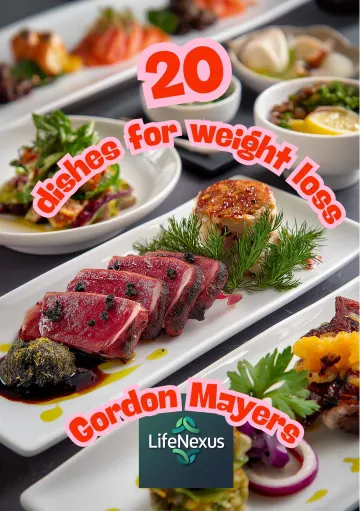
Goal-based cookbook
A public recipe collection organized around one reader goal, making its scope easier to understand and review.
View public book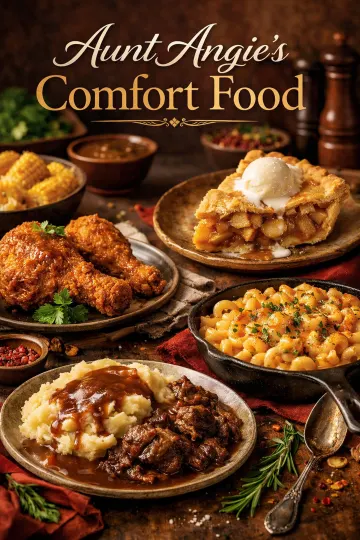
Theme-led cookbook
A public cookbook with a recognizable editorial theme that can guide recipe selection, tone and visual direction.
View public bookData note: Counts come from an aggregate Automateed production snapshot. Public-category counts use the category selected by the publisher and are descriptive, not a market forecast. Snapshot: July 16, 2026.
Quality gate
Run these checks against the actual manuscript, files and reader journey before publishing.
The reader is defined from the nutritionists audience
The project includes original nutritionists expertise or examples
Review claims and allergens is reviewed for claims and rights
Add professional boundaries produces a tested next step
Continue the exact workflow
Editorial note
Health claims, allergens and suitability for specific conditions require qualified review; the publication must not replace individualized care.
Questions specific to Nutritionists
No — quantities, timings and food-safety details need kitchen-aware human review per recipe. The schema accelerates; the testing validates.
Explicit callouts per recipe, reviewed by you — and cross-contamination notes where preparation matters. This page is never delegated.
Claims you can source, framed as general education — condition-specific promises belong to clinical contexts, not consumer books.
Images sell food, but only honest ones — generate or photograph visuals that match the actual dish, and review every image.
PDF for tablets and printing, paperback for counters. Export both from the one project; the workbook prints US Letter/A4.
Stay inside your competence and say so — scoped honesty (“not medical nutrition therapy”) is both ethical and good positioning.
85% per direct sale, 15% flat fee, payouts from $100 by your chosen method.
The $0 sampler: ten tested recipes in your niche, published in a week — list-building while the flagship collection cooks.
Keep substitutions framed as ingredient-change mechanics and preparation results, not symptom outcomes. Example: “Swap sour cream for lactose-free yogurt for similar tang and texture,” plus an allergen note if the substitution changes dairy or wheat content. Avoid language like “will help” a condition; instead use general education phrasing such as “may change the recipe’s texture and taste.” Always re-check allergen implications and ensure the substitution remains within your booklet’s defined audience scope.
Use a consistent verification workflow: (1) confirm ingredient weights/units match what you intend to teach, (2) check that method steps align with the quantities (for example, whether the liquid amount suits the cook time), (3) ensure storage statements reflect what the method actually supports (chilled vs room temp), and (4) run a final pass focusing only on kitchen accuracy—then keep claims review separate. This separation prevents the “recipe editing” from mixing with the “education claim” review, which is harder to manage and easy to confuse.
Explore next
Keep manuscripts, covers, formats, audio, public pages and author branding connected in one publishing workspace.
Open guideUse a guided outline, preview, editor and publishing checklist so the first project does not become a pile of disconnected files.
Open guidePackage a repeatable method as an ebook or workbook, then connect it to a course, website and direct checkout.
Open guideUse your own topic
Review the outline, visual direction and available chapters before deciding whether to continue the full project.