Table of Contents
Editor’s take: This isn’t about “AI voice magic”—it’s about the law catching up to voice cloning, and indie authors who treat narration tools like a free-for-all just got a warning.
US regulators are moving to stop internet users from re-creating dead pilots’ voices using materials tied to crash investigations. The technical trick reportedly relies on audio disclosures that are restricted by law—so the workaround matters as much as the model behind it.
For authors, the takeaway is blunt: voice cloning risk isn’t only about whether the tool can sound convincing; it’s about whether the underlying voice data was obtained and used legally. When enforcement starts, it rarely targets “one bad actor.” It tends to chill entire workflows—especially the ones that look similar from the outside.
What this means for indie authors
If you’re using AI narration or marketing voiceovers, treat “voice cloning” as a compliance problem, not a production shortcut. Tools can help you generate consistent narration, but the legality hinges on consent, rights, and permitted sources—not just model quality.
Indie audiobook creators should separate three things: (1) text-to-speech from licensed voices, (2) “cloned” voices built from user-provided recordings, and (3) any attempt to recreate real people from third-party audio. The last category is where enforcement pressure will land first—and it’s the one that resembles the reported workaround.
This also changes how quickly you should move from prototype to publication. If a platform or workflow can’t clearly document the voice’s origin and permissions, you’re building on sand. Our own guidance on Legal Issues With AI Audiobooks: Key Tips To Stay Compliant and AI Audiobook Narration Legality: Current Laws and Platform Policies is directly relevant: keep records, avoid “mystery audio,” and don’t assume “it was on the internet” equals “it was usable.”
How to use this today
- Audit your voice sources: For every narrator voice you generated, document where the training/voice samples came from and whether you had explicit permission to use them.
- Prefer licensed or self-owned voice workflows: If you’re exploring Voice Cloning Tools for Authors: AI Voice & Text-to-Speech Revolution, use setups that let you control consent and provenance of the recordings.
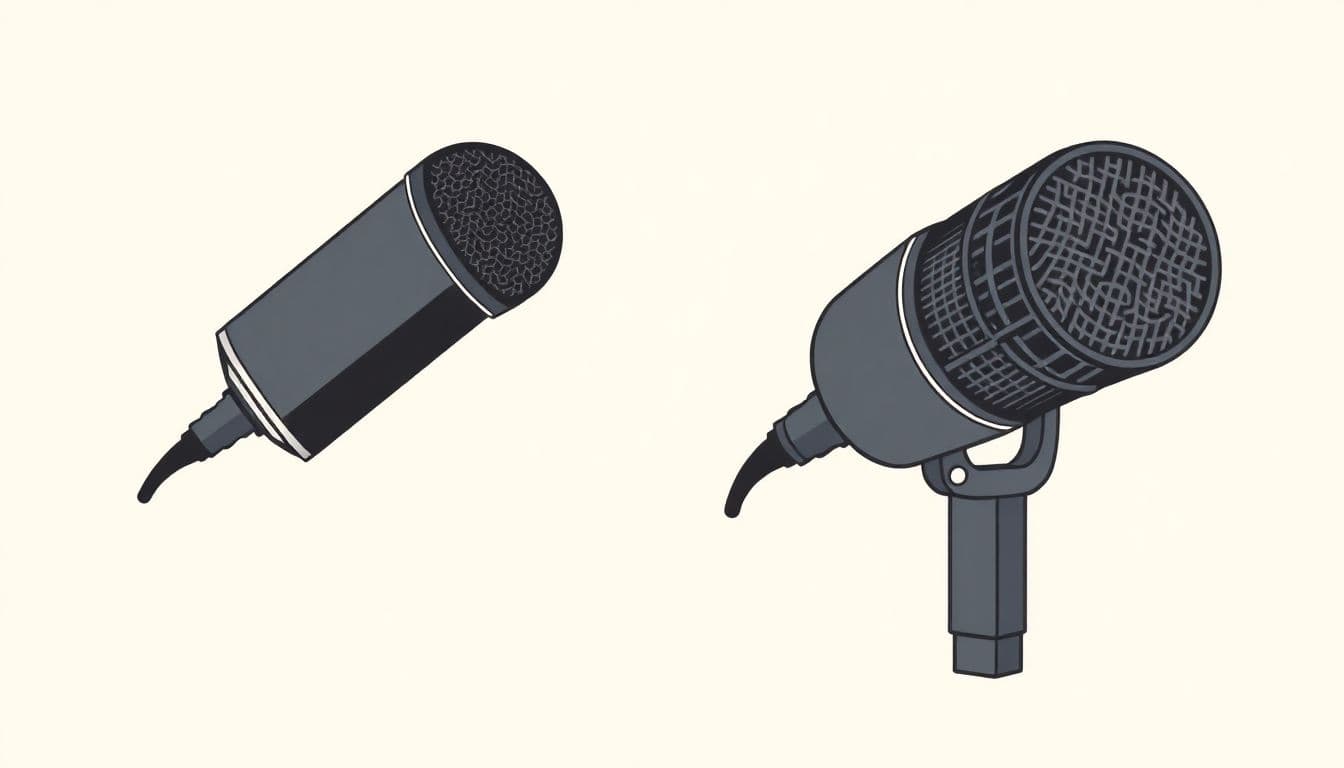
- Lock down your recording quality pipeline: If you’re doing human-in-the-loop narration, record cleanly and consistently—your own voice is easier to defend than a cloned “public” voice. If you’re upgrading hardware, see USB vs XLR Microphones for Authors: Which Is Best for Your Voice Recordings.
- Stop using “found voice” experiments: Don’t recreate identifiable real people from restricted or investigation-linked audio, even if a workaround exists.
- Write your policy into your workflow: Add a checklist before upload: rights confirmed, consent stored, and platform requirements reviewed against your specific use case.
What to watch next
Expect more platform enforcement and clearer documentation demands around voice cloning—especially for content that sounds like a recognizable individual. The “how” will keep shifting, but the compliance standard will likely tighten around consent and permitted data.
Also watch for more guidance that distinguishes text-to-speech from voice cloning, because regulators and platforms may treat them differently. If you’re building an audiobook or a brand voice, plan your production to fit the stricter bucket.
Bottom line
AI narration is still workable for indie authors, but voice cloning is becoming a paper-trail business. If you can’t prove you had the right to use the voice data, don’t ship the audiobook—and don’t gamble on “nobody will notice.”
Source: US scrambles to stop Internet users re-creating dead pilots’ voices — arstechnica.com. Analysis and commentary by AutomateEd editorial. First reported Fri, 22 May 2026 19:39:04 GMT.