Table of Contents
Hey, we’ve all been there—your story feels flat, readers guess what’s coming next, and the suspense you wanted is nowhere to be found. It’s easy for tension to fall short, leaving readers bored instead of hooked.
But don’t worry, because you CAN keep your readers biting their nails and eagerly flipping pages. With a few smart storytelling moves, you’ll soon have audiences hooked from start to finish.
Ready? Let me quickly walk you through some simple steps to crank up the suspense factor in your story.
Key Takeaways
- Use dramatic irony by giving readers secret information characters aren’t aware of, increasing anticipation.
- Include subtle foreshadowing clues that hint at future events without spoiling the surprise.
- End chapters with cliffhangers to encourage readers to continue immediately to find answers.
- Place characters in realistic danger, gradually escalating threats to keep readers anxious and engaged.
- Give characters compelling secrets they’re anxious to hide, driving readers to uncover the truth.
- Balance fast-paced action with slower, detailed moments to control tension and pacing effectively.
- Create atmosphere by choosing mysterious, vivid settings that reinforce suspenseful moods.
- Include occasional flashbacks or flash-forwards to build curiosity about unfolding events.
- Keep important questions unanswered, maintaining reader interest until satisfying reveals.
- Combine multiple suspense-building techniques to keep stories gripping from beginning to end.
Step 1: Use Dramatic Irony
Dramatic irony happens when readers know something that your characters don’t.
You’re basically letting the reader in on a secret, which instantly increases tension.
Think about a classic horror film where the character is walking right into danger, but only you, the viewer, see it coming—that’s the power of dramatic irony in action.
To make this effective, reveal important details early to the reader, while keeping your characters clueless.
If your hero trusts someone who’s secretly plotting against them, the readers will bite their nails waiting for the eventual betrayal.
Check out this guide for some easy-to-use horror story plot ideas to get inspiration for scenarios using dramatic irony.
Step 2: Include Foreshadowing
Foreshadowing involves dropping subtle hints about events that’ll happen later on.
When done right, it plants tiny suspicions in your reader’s mind, making them eager to read further and discover if their predictions come true.
For example, let’s say your protagonist keeps noticing storm clouds gathering ominously, which might hint towards a dangerous event later in the story.
Use small details—a forgotten object, strange sounds, or odd comments made by a character—to hint at more important revelations down the line.
Remember, subtlety is key; don’t make your foreshadowing so obvious that it spoils the surprise, but clear enough that readers can pick up on future trouble.
Step 3: End Chapters with Cliffhangers
Ending a chapter right when things get intense or a character faces a shocking surprise encourages readers to flip the page to find out what happens next.
Think about a gripping Netflix series—each episode ends just as the action reaches an exciting moment, forcing you to keep watching until 3 AM even though you promised yourself you’d stop after one.
That’s exactly how cliffhangers should work in your book.
One useful trick is to raise a critical question or uncover a startling discovery at the end of the chapter without providing immediate resolution.
For instance, a character could open a mysterious door but the chapter ends right before revealing what’s behind it.
If you’re struggling with ways to end a chapter effectively, try experimenting with these easy dystopian plot generator ideas for scenarios that’ll keep readers hooked.
Step 4: Put Characters in Danger
If you want your readers to really feel the suspense, your characters have got to face genuine danger or threats.
No one’s going to get sweaty palms from a story about a safe evening tucked in watching Netflix, right?
So, raise the stakes—maybe have your main character stumble onto a criminal operation, fall victim to betrayal, or even face physical danger like a threatening phone call or creepy stalker.
The key is to make it believable by building up the dangers incrementally.
Start small with a suspicious sound, progress to an unsettling note slipped under the door, and finally introduce outright peril, such as your protagonist’s car brakes mysteriously failing.
The gradual escalation keeps readers glued to the story, anxious about what comes next.
Step 5: Give Characters Secrets to Hide
One of the surest ways to build suspense is by giving your characters secrets they’re desperate to hide.
Think about how nervous you feel when holding onto a secret that’s important.
Now, apply that kind of anxiety to your characters.
Imagine a detective investigating a crime while secretly hiding his own shady past.
Each time someone comes close to discovering his truth, the tension mounts.
Your readers should feel that anxiety too.
To do this effectively, drop subtle hints about the secret without revealing it right away.
For extra realism, give the characters believable reasons to hide their secrets—like fear of judgment or fear of losing something important.
Step 6: Control Story Pacing
Pacing can make or break suspense.
Speed up your scenes when you want the story to feel frantic and chaotic, like during chase sequences or escapes.
Keep sentences short and descriptions rapid-fire to amp up the intensity.
But don’t forget to slow things down at key moments, especially when leading up to a big reveal or chilling discovery.
Slow pacing lets your reader sit with their anxiety, guessing and second-guessing what’s happening next.
To practice this, alternate fast-paced, tense scenes with slower, detail-rich moments to really heighten emotional impact.
If you need ideas on pacing, look into some fun and creepy horror story ideas to help you craft twists and turns all readers will appreciate.
Step 7: Set the Scene with Mysterious Locations
A spooky or mysterious location instantly boosts the suspense in your story.
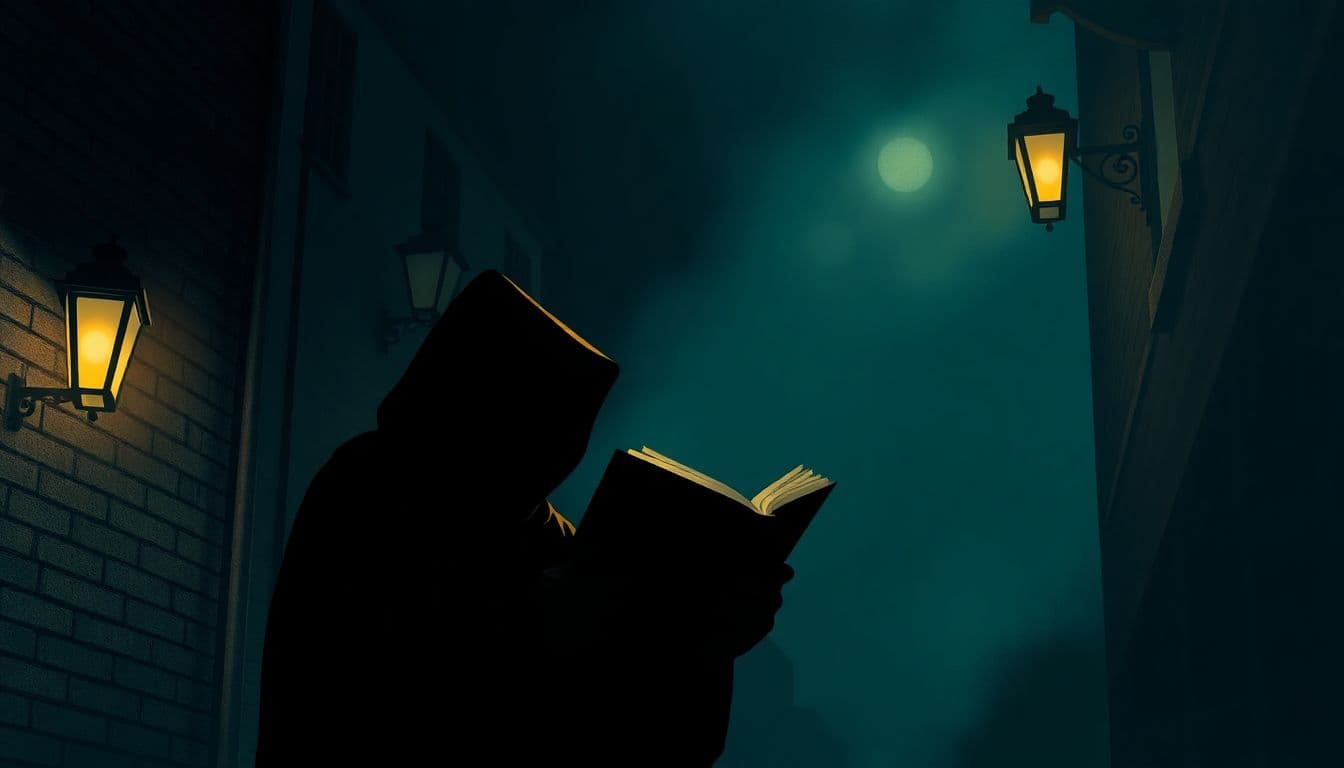
Atmosphere matters—imagine exploring an old abandoned mansion in the dark, or a deserted street where streetlights keep flickering.
The uncertainty of what might be just beyond sight is enough to raise the hairs on your readers’ necks.
Make your settings vivid by using sensory details.
Describe musty smells, strange creaking noises, or places that feel oddly silent without an obvious reason.
The atmosphere you build can become an extra character—constantly feeding your readers’ sense of dread and curiosity until they’re desperate to uncover what’s lurking there.
Step 8: Add Flashbacks or Flash-Forwards
Using flashbacks or flash-forwards strategically can crank up story tension.
A well-placed flashback might provide just enough context to hint at why your character is acting a certain way or to shed light on their hidden secrets.
A brief glimpse ahead—a flash-forward—can also add to suspense, especially if it’s intriguing but unclear.
Imagine starting a chapter by showing your protagonist running desperately through dark woods, panicked and gasping, and then cut back to a scene earlier in the day.
Your readers will immediately want to understand how the character ended up in such distress.
Just be careful not to overuse this technique—too many time jumps can confuse your readers.
Step 9: Leave Key Questions Unanswered
To truly keep readers hooked, don’t immediately solve all the mysteries your plot presents.
Leaving key questions unanswered creates a lingering feeling that readers can’t easily shake off.
Think about scenarios with hidden motives or incomplete evidence—is the new ally trustworthy, or secretly sabotaging the hero all along?
Maintain a balance, though.
If you leave everything unanswered for too long, readers might get frustrated or lose interest.
Drop new clues periodically so readers stay hopeful they’ll eventually figure out the mystery.
Still, save at least a few answers for the final chapters to reward their patience and make the suspense satisfying.
Step 10: Combine Multiple Methods for Maximum Suspense
Here’s the deal: to really ramp up tension, you should layer suspense techniques on top of each other.
Instead of sticking to just one, combine dramatic irony, secrets, vivid locations, and dangerous situations for maximum reader anxiety.
Think of your favorite thriller novels or movies.
Chances are they didn’t rely on just one type of suspense.
They stuck the protagonist in danger, revealed secrets bit by bit, and added twists around every corner.
So, by mixing multiple suspense-building strategies and providing enough variation, you ensure your story stays gripping rather than predictable.
It might seem challenging at first, but luckily there are plenty of writing resources online—you can get fresh inspiration from realistic fiction writing prompts, or if writing in a winter context, try these engaging winter writing prompts to stir creativity.
Remember, tension isn’t built overnight—but once you master these strategies, your readers won’t be able to put your story down.
FAQs
Dramatic irony occurs when readers know something important that characters don’t, boosting suspense by creating anticipation around the moment the characters discover the truth. This tension keeps readers engrossed and invested in outcomes, eager to see reactions unfold.
Foreshadowing hints subtly at future plot developments, prompting curiosity and alertness in readers. This technique creates anticipation for upcoming events, enhancing suspense as readers try to predict outcomes based on provided clues.
Cliffhangers end chapters at intense or crucial moments, compelling readers to continue to discover the resolution. By heightening uncertainty, they sustain interest and ensure readers eagerly turn pages to solve lingering mysteries or conflicts.
Flashbacks or flash-forwards reveal partial information about past or future events, raising intriguing questions and creating narrative complexity. By withholding key details, these scenes heighten readers’ curiosity and deepen their investment in discovering hidden truths.