Table of Contents
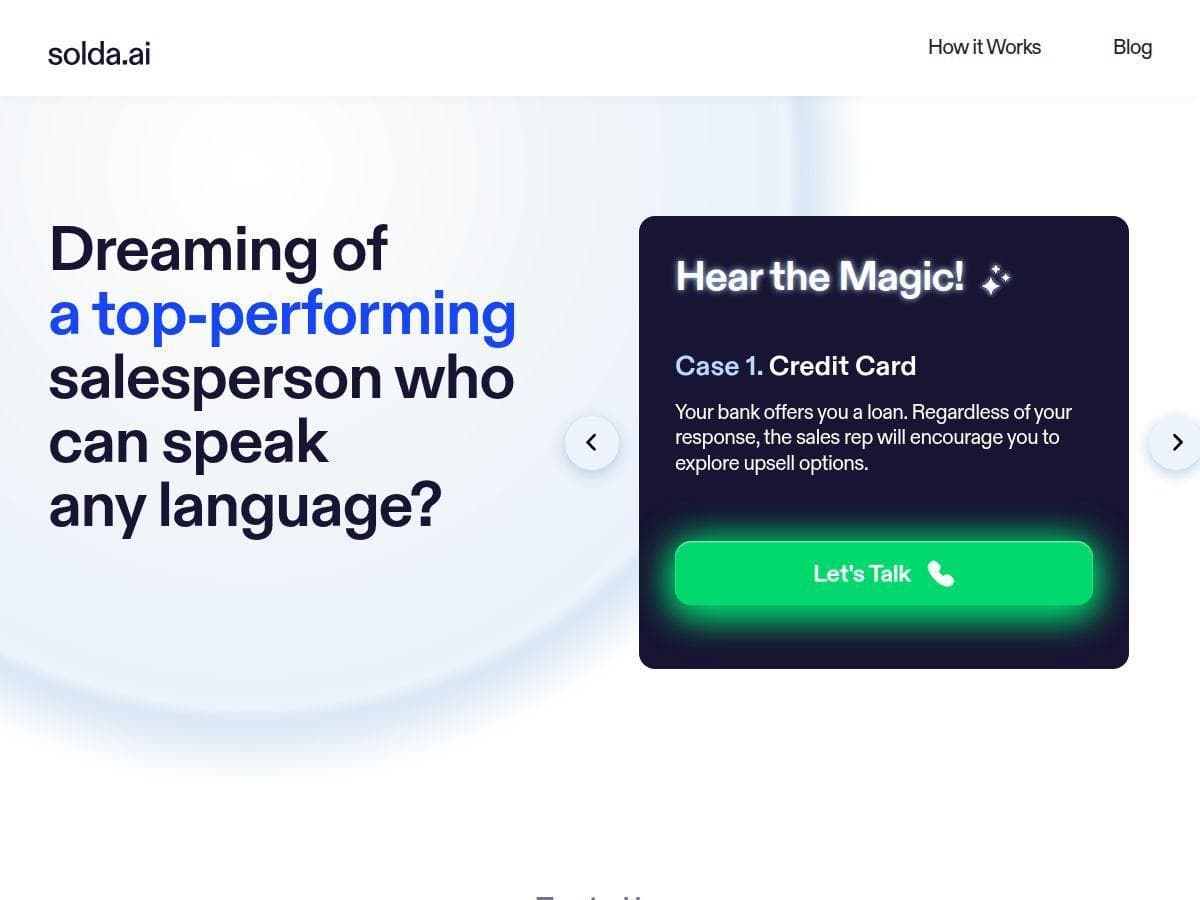
In today’s fast-paced business world, having an efficient sales process is crucial. Enter Solda AI, a platform designed to automate sales for B2C operations. With the promise of enhanced efficiency and reduced costs, many businesses are curious about its capabilities and whether it can truly outperform traditional sales teams. In this review, we’ll explore the ins and outs of Solda AI and help you decide if it’s the right fit for your sales needs.
Solda AI Review
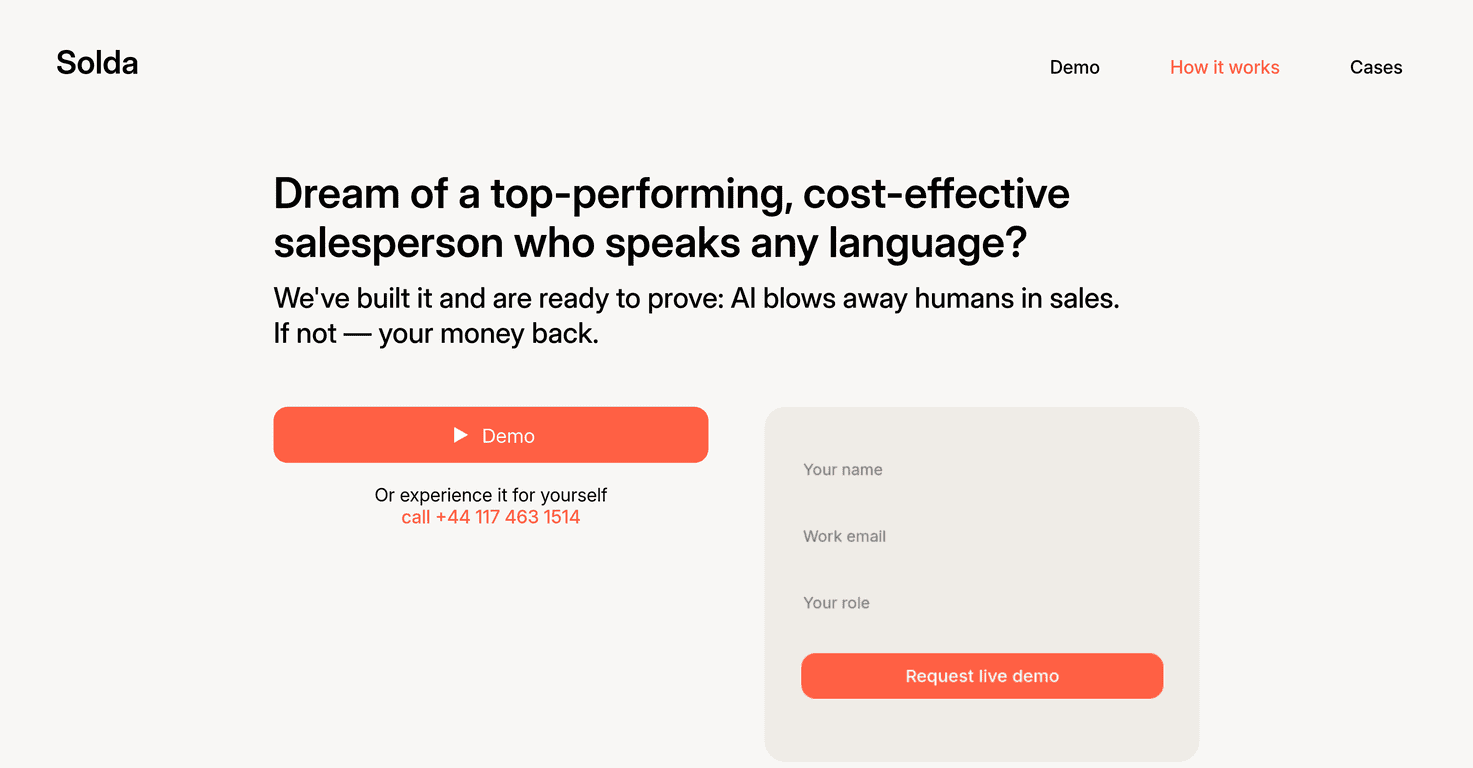
Solda AI is a powerful tool that automates the entire sales process for businesses operating in the B2C sector. Utilizing advanced AI technology, it manages communication, follow-ups, and even conversions with impressive efficiency. By mimicking human interactions through voice and text, Solda AI offers a cost-effective solution for companies looking to optimize their sales departments. One of the standout features is its ability to scale instantly, allowing businesses to expand their sales capabilities with just a click. However, it’s important to acknowledge the human touch that some customers still seek. While Solda AI handles many tasks effectively, it may fall short in addressing complex queries that require empathy or a personal touch.
Key Features
- Full sales process automation through voice and text interactions
- Instant scalability at the push of a button
- A/B testing optimization for maximum conversion rates
- Comprehensive communication management to enhance customer engagement
Pros and Cons
Pros
- Increases productivity by automating repetitive sales tasks
- Offers significant cost savings by reducing the need for a large sales team
- Can be operational in just three weeks, allowing for rapid setup
- Easily scales according to business needs without hiring more staff
Cons
- Some customers may prefer the personal touch of human sales reps
- AI may struggle with complex queries requiring nuanced understanding
Pricing Plans
Specific pricing details for Solda AI are not available on their website. Interested parties are encouraged to contact Solda AI directly for tailored quotes and information regarding their unique needs.
Wrap up
In conclusion, Solda AI presents an innovative and efficient alternative for businesses looking to streamline their sales process. While it boasts impressive automation capabilities and cost savings, some potential drawbacks exist, particularly concerning customer interaction. As with any significant business decision, it’s essential to weigh these factors carefully. If you’re ready to transform your sales approach, Solda AI might just be the solution you’ve been searching for.
Promote Solda AI