01
Daily devotional
Use a short repeatable rhythm across a defined number of days.
Book format playbook
Create a consistent daily or weekly devotional rhythm while preserving accurate references, theological context and qualified human review.
Reviewed by Stefan Mitrović, Founder of Automateed · Updated July 16, 2026
Direct answer first
Write a devotional with AI by defining the tradition, audience and duration first, then generating entries through one repeatable structure: passage reference, reflection, application and prayer. In Automateed, day-by-day devotionals fit the guided journal creator — set the theme, tone and audience — while reading-led devotionals fit the ebook workflow. Verify every quotation against your chosen translation, have a qualified reviewer approve the manuscript, then export a print-ready PDF or EPUB.
Built for
Faith leaders
Core output
Daily-reading PDF
Quality focus
References are exact
The real job
A devotional is a repeated practice. The entry structure should help the reader move from source text to reflection and action without presenting generated language as revelation or qualified pastoral guidance.
AI can group themes and draft alternatives, but references, doctrine, quotations and sensitive applications require direct verification and review within the intended faith community.
See the format, not a placeholder
A devotional promise must remain aligned with the references, reflections and practical application inside the book.
The visual is only the promise. The structure, examples and reader outcome described in this guide are what make the finished book useful after someone opens it.
Choose the right angle
The format should follow how the reader will use the book. These are distinct editorial structures, not title variations applied to the same outline.
01
Use a short repeatable rhythm across a defined number of days.
02
Allow more space for study, reflection and action between entries.
03
Trace one theme through carefully selected and contextualized passages.
04
Organize readings around a recognized period or communal practice.
05
Add discussion prompts and facilitator context for shared use.
06
Connect lived experience to source material without universalizing one person’s outcome.
Inside the finished project
Readers should recognize the rhythm while each entry contributes a new part of the overall theme.
Step-by-step workflow
These stages describe the real product flow — creators, outline editor, chapter editing, cover tools and the Export Center — plus the author judgment each stage still requires.
Day-by-day devotionals with response space belong in the guided journal creator, which takes a central theme, target audience and tone. Reading-led devotionals with longer teaching belong in the ebook workflow with an outline.
Use the custom instructions to fix the repeating structure — reference, context, reflection, application, prayer or prompt — and the duration, whether that is 30, 40, 90 days or a full year. Consistency is the format.
Review the generated entries as a progression: each day should ask a new question of the theme. Flag repeated reflections, vague applications and any entry that drifts outside the stated tradition.
Do not trust generated quotations. Paste exact wording from your chosen translation, confirm references and context, check translation permission rules, and send the manuscript to a qualified reviewer from the intended community.
Journal-style devotionals export at a 7×10 print size with writing space; reading editions work as trade PDF or EPUB. Publish to a public page — including at a $0 price for congregation distribution — or prepare the KDP paperback package.
Prompt templates
Replace the bracketed fields with real constraints, examples and source material. A longer prompt is not automatically better; specific production rules are.
Use when: You are planning a themed sequence
Plan a [duration] devotional for [faith community and audience] on [theme]. For every entry provide the exact source reference, contextual question, distinct reflection objective, practical application and prayer or prompt. Do not quote a passage unless the wording is supplied and verified.
Use when: You have a complete draft
Audit this devotional for inaccurate references, quotations without a source, interpretation presented without context, repeated reflections, vague applications, guaranteed spiritual outcomes and language outside the stated tradition. Return issues for qualified human review.
Use the guided Automateed flow to turn the brief into an outline and inspect a free preview before continuing.
Create a free previewdevotional journal
A devotional journal pairs each day’s reading with a response — which is why Automateed’s guided journal creator fits the format: it takes a central theme such as faith, gratitude or divine timing, a defined audience, a tone of voice, and custom instructions that fix the daily structure.
Design the response deliberately. A prompt like “Where did you see this today?” with honest writing space outperforms three decorative lines under a long reading. Export at the 7×10 journal size so the book physically invites a pen.
write a devotional for your church
Church devotionals succeed when they are specific to a shared season: an Advent series, a building-campaign prayer guide, a youth-camp follow-up. Write the entries around what the community is actually walking through, and route every draft through your normal teaching review.
Distribution is where Automateed removes friction: publish the finished devotional to a public page at a $0 price so the congregation downloads it freely, or order paperbacks through the KDP package for those who want print. The same project produces both.
365-day devotional
A year-long devotional is 365 distinct questions asked of one theme — the hardest editorial problem in the format. Map the year into twelve monthly sub-themes before generating, then create entries month by month so you can audit each batch for repeated reflections while corrections are still cheap.
Track the practical load honestly: verifying 365 references and applications is weeks of work, not an afternoon. Many authors ship a 30- or 90-day edition first, learn from readers, and grow the yearly volume from proven material.
Publishing formats
Preserves the designed rhythm, reflection space and visual hierarchy.
Supports flexible devotional reading on ebook devices with a linked contents page.
Needs final pagination, readable type, writing space and a print cover after content approval.
Who this serves
Develop a reviewed resource for a defined community.
Create seasonal or group material around shared practice.
Connect personal experience to carefully verified reflection.
Provide readings, prompts and a consistent group rhythm.
Devotional FAQ
Still weighing it up? Start a free preview and judge the outline on your own topic.
Create a free previewRelated tools and guides
Evidence from Automateed
Category counts describe how publishers label their books. They do not verify doctrine or quality, so source review remains part of the author’s responsibility.
Published books whose authors selected the Christian category.
Published books whose authors selected the Religion category.
Published books whose authors selected the Spirituality category.
Real public examples
These are live public author pages, not sample titles invented for this guide. They show presentation and positioning; inclusion does not certify every claim inside a book.
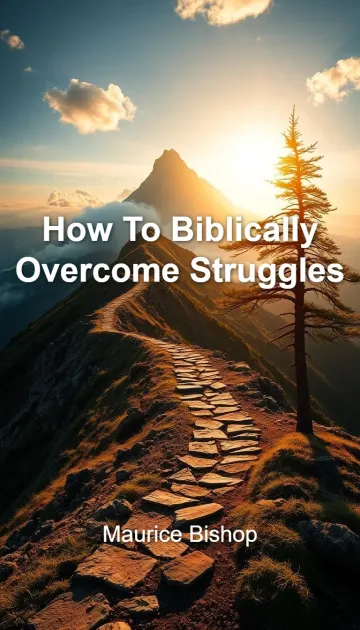
Christian nonfiction
This public title shows how a specific spiritual promise can organize a longer practical manuscript for a defined reader.
View public book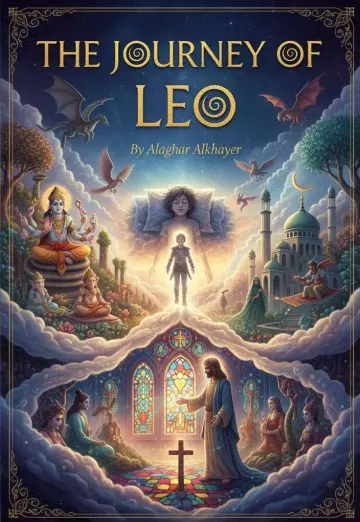
Inspirational fiction
A public story-led title using transformation and faith as narrative themes rather than unsupported outcome claims.
View public bookData note: Counts come from an aggregate Automateed production snapshot. Public-category counts use the category selected by the publisher and are descriptive, not a market forecast. Snapshot: July 16, 2026.
Quality gate
Run these checks against the actual manuscript, files and reader journey before publishing.
References are exact
Tone fits the faith community
Applications are concrete
A qualified human reviewer approves the content
Continue the exact workflow
Editorial note
This page is a practical workflow, not a promise of sales, ranking, publishing approval or a specific reader outcome. Platform rules and professional requirements should be checked at the point of use.
Our broader publishing report is based on an anonymized analysis of more than 77,000 Automateed book projects across 216 countries.
Read the independent press releaseExplore next
Turn one focused idea into an outlined, illustrated and professionally formatted ebook you can edit, export, publish or sell.
Open guideShape expertise, research or lived experience into a coherent argument with evidence, examples and a serious editorial process.
Open guideCreate a focused cookbook with consistent recipe fields, original food visuals, practical organization and files built for real kitchen use.
Open guideUse your own topic
Review the outline, visual direction and available chapters before deciding whether to continue the full project.