Table of Contents
In 2026, I’m seeing the best book launches do two things really well: they make people feel something in real life, and they give that same energy a second life online. It’s not just “a signing with a livestream.” It’s a full experience—plan it like a mini festival, then amplify it like a campaign.
Are you ready to stand out? Good. Let me show you what I’d actually build, how I’d run it, and how you can measure whether it worked.
⚡ TL;DR – Key Takeaways
- •Go hybrid with a clear purpose: what happens in-person, what happens online, and how you’ll capture content from both.
- •Pick a theme people can “participate” in (costumes, trivia, scavenger hunts), not just look at.
- •Use direct sales at events (Shopify, Kickstarter, or on-site bundles) with a simple inventory + fulfillment plan.
- •Handle discoverability and logistics early: landing page, email flow, tech rehearsal, and a backup plan.
- •Make it memorable with “extra” elements—music, wellness, art—only if they support the story and your audience.
Understanding the Basics of Book Event Ideas in 2026
Book signings aren’t going anywhere. But I don’t think they’re enough anymore unless they’re part of something bigger. In 2026, the winning move is turning your launch into a hybrid experience—one that feels cohesive whether someone attends in person or watches from home.
Here’s what that looks like in practice: you plan a main in-person anchor (signing, reading, panel, workshop), then you design the digital layer around it (live stream, short-form clips, Q&A, recap email, and a follow-up offer).
What I noticed after running a couple of launches with different formats: when we streamed the right moments (not the entire event), engagement jumped. People respond to “highlights”—the author intro, the best audience question, the moment you reveal a teaser, the final call-to-action—rather than a 90-minute recording of setup and small talk.
Why do book events matter in 2026?
- Visibility: your name shows up in local communities and in search/social.
- Trust: face-to-face (or a live stream) makes your book feel real.
- Momentum: events create a timeline you can market—invite, remind, recap, follow up.
- Direct sales: fans want an easy way to buy and support you right then.
Current trends I’d bet on: hybrid formats, genre-specific “world building” themes, and collaborations that pull in audiences you don’t already have.
1.1. Why Book Events Matter in 2026
Building author visibility is still the core goal, but the way you build it has changed. In 2026, you’re not just meeting readers—you’re generating content, collecting emails, and creating proof that your book has an audience.
That’s why I like events that naturally produce clips: a “quote reveal,” a short author reading, a fast trivia round, a dramatic moment in the story, or a behind-the-scenes craft demo. If your event doesn’t create anything shareable, you’ll feel it later when you try to promote the recap.
Tip I use for planning: write down 5–7 “content moments” before you book the venue. Each moment should have a clear outcome (a clip, a photo, an email sign-up, a sales push, or user-generated posts).
I also recommend thinking about merch and bundles early. Print-on-demand and custom merchandise can be useful at events, but only if you keep it simple: 2–3 items max, clearly priced, and tied directly to your book theme.
1.2. Current Trends Shaping Book Events
Hybrid is the default. The best hybrid events don’t just stream—they translate. In-person attendees get the full experience; virtual attendees get the best parts, plus a way to participate.
Example format that’s worked well: 60–75 minutes in-person with a 20–30 minute live-streamed segment (author reading + Q&A). The rest is “in the room,” while the online audience gets a follow-up recap and a link to buy.
Indie author independence shows up everywhere. Self-published authors often use events to test messaging, collect feedback, and build a fan base that doesn’t depend on traditional distribution.
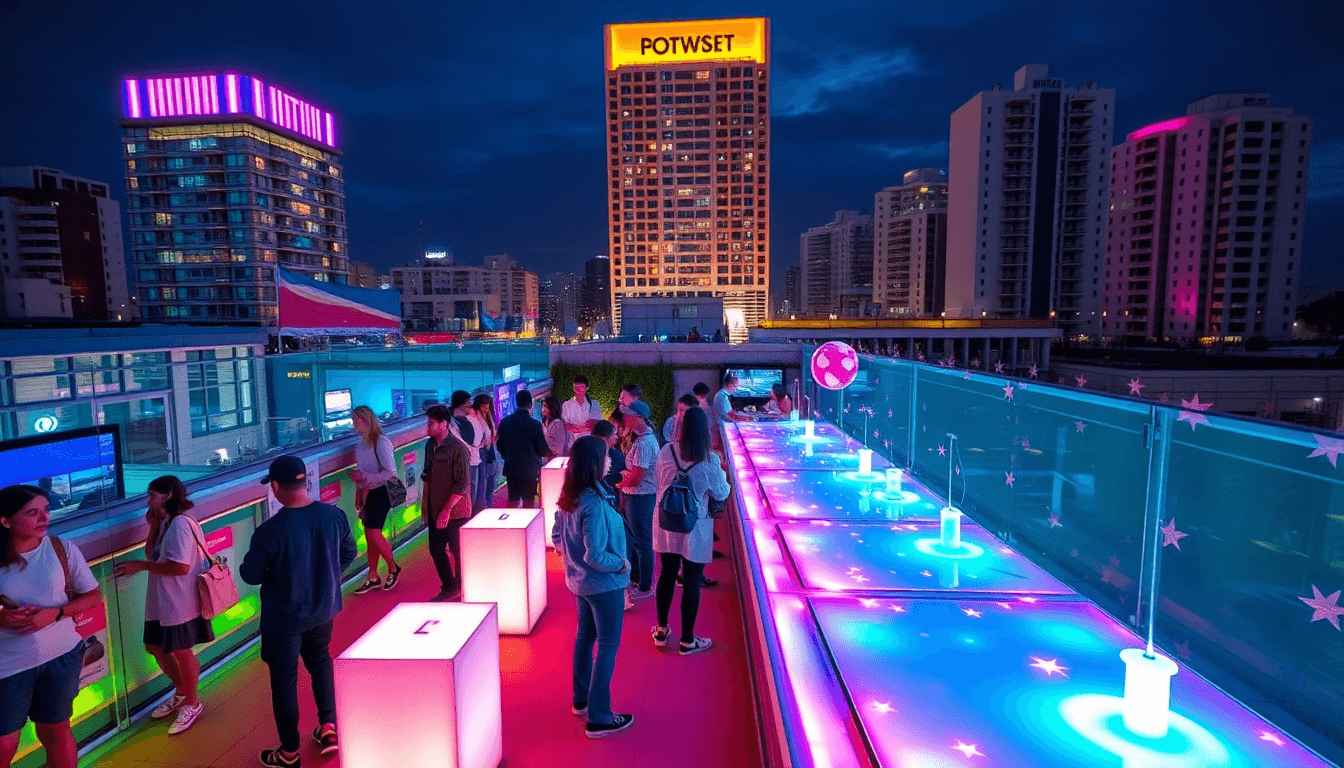
Non-book elements are rising—art, food, music, wellness—because they make the experience feel like it belongs to the story. Just don’t add them randomly. If your book is cozy and character-driven, a calm tea tasting or gentle journaling workshop makes sense. If your book is high-stakes sci-fi, maybe you lean into sound design, neon lighting, or a “mission briefing” style event.
Partnerships with local vendors help because they bring foot traffic and social proof. I like to structure these partnerships as “mutual value,” not “please promote me.”
- Venue + audience: bookstore, library, gallery, artist studio.
- Theme support: cafe with a matching menu, florist for book-themed decor, local band for a short set.
- Shareable visuals: a branded photo corner, themed props, or a mini installation.

Creative Book Event Ideas for 2026
Creativity matters, but I’m picky about what “creative” means. I’m not interested in ideas that sound fun and then fall apart on execution day.
What works best: ideas with a clear structure, a straightforward guest journey, and a promotion plan you can actually run.
When I did a pop-up in an artist studio, the big win wasn’t just the venue—it was the way the space supported the book’s theme. People lingered. They took photos. They asked questions because the environment made the story feel “visible.”
Below are ideas you can run in 2026, with concrete execution notes, resources, promotion steps, costs, and success metrics.
2.1. Interactive Book Readings
Interactive readings are one of my favorite formats because they’re easy to scale from small to big. You can do it in a bookstore, library, or even a coworking space.
Who it’s for: readers who like discussion, fans of your genre, and anyone who wants to feel part of the story.
How to execute (simple structure):
- 10 minutes: author intro + what the audience will do today.
- 15–20 minutes: live reading (choose 1–2 high-impact scenes).
- 10–15 minutes: audience participation (live polls + Q&A).
- 5 minutes: “next chapter” teaser + direct sales call-to-action.
Required resources: a streaming setup (phone + tripod is fine to start), a reliable Wi‑Fi option, and a way to collect questions (QR code to a form or chat).
Promotion plan: publish three short posts in the week before the event: (1) what the audience will vote on, (2) a 20–30 second author teaser reading, (3) a reminder with the “how to join” link.
Costs (ballpark): $0–$300 if you keep it lightweight (venue + refreshments). If you hire a host or pay for studio lighting, it can go higher.
Success metrics to track: RSVPs, live viewers (or average watch time if you can measure it), email sign-ups, and conversion rate to purchases within 48 hours.
Real-world workflow I recommend: record 5 clips during the event (intro, reading, best audience question, author takeaway, final CTA). Post them over 3 days after the event. That recap window is where most of the “I missed it but I want it” purchases happen.
2.2. Themed Book Launch Parties
This is the “make it feel like the book” category. If your theme is strong, the party can do the marketing for you—people will want to show up and post about it.
Who it’s for: social readers, younger audiences, and series authors with recognizable vibes (romance, fantasy, thriller, sci-fi).
How to execute:
- Choose 1 theme anchor: costumes, a signature drink/food, or a story-based activity.
- Plan a “participation moment”: trivia about the book, a “choose your fate” mini game, or a quick scavenger challenge inside the venue.
- Build a photo corner: one branded backdrop + 3 props max.
- Include a short author moment: 10 minutes max so people don’t lose momentum.
Required resources: decorations (keep it reusable), partner vendor(s) for food/drinks, and a simple schedule posted at the entrance.
Costs: usually the biggest variable. If you’re doing a venue rental + catering, plan for $300–$2,000+. If you partner with a venue that covers basics (or you do potluck-style), you can keep it much lower.
Promotion plan: tease the theme visually. People share visuals faster than text. Post 1 “world-building” image and 1 “what to expect” graphic.
Success metrics: attendance, social posts using your hashtag, email sign-ups at the door, and on-site sales conversion (how many attendees bought within the event window).
For more on this kind of collaboration, see our guide on bookstore events.
Example partnership structure I like: the vendor gets a branded mention + a small promo table; you get their customer traffic and a menu that matches your theme. It feels fair—and it works.
2.3. Virtual Book Events
Virtual events are still worth doing in 2026, but the bar is higher. People don’t want a passive webinar. They want interaction and a reason to stick around.
Who it’s for: remote readers, busy fans, and launch days when travel isn’t realistic.
How to execute (what I’d run):
- Platform: YouTube Live for discoverability + a live Q&A (or Zoom if you want more control).
- Format: 30–45 minute event with interactive segments every 10 minutes.
- Incentive: a digital bonus (extract, reading playlist, bonus chapter) and/or a limited-time discount code.
Required resources: a booking page with a unique link, a confirmation email, and a post-event recap email with the purchase link.
Promotion plan: run a short email sequence (invite → reminder → last-chance). If you’re using social ads, target by genre interest and similar author pages (then refine based on who actually clicks).
Costs: often low. Expect $0–$200 for tools/ads unless you hire production help.
Success metrics: registration rate, show-up rate, chat/Q&A activity, and purchases within 72 hours of the event.
About discoverability: instead of “AI-assisted” as a vague claim, I recommend a workflow that’s actually trackable:
- Pick 10–20 keywords tied to your book’s genre + reader problem.
- Create a landing page with the event date + buy link + 2–3 FAQ answers.
- Run small tests with different ad angles (hook: “for fans of…”, “what you’ll learn”, “what the event includes”).
- Measure clicks → sign-ups → purchases, then keep only the best-performing angle.
2.4. Pop-Up Events & Surprise Signings
Pop-ups can be wildly effective because they create urgency and surprise. But they only work if you plan for logistics and inventory.
Who it’s for: authors with local visibility, series readers, and books that benefit from impulse discovery.
How to execute (the checklist):
- Pick a high-traffic anchor: cafe, bookstore, campus, transit-adjacent storefront.
- Set a tight time window: 60–120 minutes is usually enough for a meaningful spike.
- Bring a “fast signing” setup: a table, signage, pens, and a simple queue system.
- Have a backup plan: if it rains or the crowd is slow, you switch to a mini reading or offer a QR code for virtual Q&A.
Required resources: venue approval, pens + branded signage, and a sales plan (on-site inventory + a fast way to sell out-of-stock copies).
Costs: usually moderate. You might pay a small venue fee or offer a revenue share.
Success metrics: number of signings, number of QR scans, email captures, and conversion to online purchases if you run out of stock.
If you’re tying this to a bigger cultural moment, align the theme with what people already care about. That means you’re not “forcing” relevance—you’re meeting readers where they already are.
2.5. Book-Inspired Scavenger Hunts
Scavenger hunts turn reading into an adventure. They’re especially strong for YA, middle grade, and family-friendly audiences.
Who it’s for: younger audiences, schools, libraries, and community groups.
How to execute:
- Choose 5–10 locations within walking distance (or within one venue).
- Create clues that reference your book (quotes, locations, character trivia).
- Use a simple entry system: QR code to submit answers and claim prizes.
- Set a time limit (example: 60 minutes for a neighborhood hunt).
Required resources: clue cards or a mobile-friendly form, prizes, and a volunteer to handle prize redemption.
Costs: $50–$400 depending on prizes and printing.
Success metrics: participants, completion rate, social posts, email sign-ups, and sales during/after the event.
Prizes that work: signed copies, “limited edition” bookmarks, or a small bundle that includes a signed book + bonus card. If you can’t afford big prizes, offer a “grand prize” and multiple smaller consolation prizes.
Workshops, Mini-Workshops, and Engagement Tactics
Workshops are underrated because they attract a more specific audience—people who want to learn something, not just browse. That makes your conversion rate better.
Think writing craft, illustration techniques, publishing workflows, or even wellness routines tied to your book’s themes (journaling prompts, breathwork before writing, etc.).
What I’d do: keep the workshop tight (45–75 minutes), make the takeaways practical, and end with a clear “here’s how to get the book” moment.
Also, if you’re using a platform to manage content and promotion, don’t treat it like magic. Automateed (and similar tools) can save time on formatting and campaign setup, but you still need to provide the raw materials: event copy, dates, images, and your offer details. The “win” is speed + consistency, not replacing your judgment.
3.1. Hosting Engaging Workshops
Who it’s for: aspiring writers, creative hobbyists, and readers who want to go deeper.
How to execute (a workshop template):
- 5 minutes: quick intro + what you’ll cover.
- 20 minutes: teaching segment with one live example (handout or screen share).
- 20 minutes: hands-on activity (participants write, sketch, or analyze a passage).
- 10 minutes: share-back + author commentary.
Required resources: a projector/screen if virtual, printed worksheets if in-person, and a way to collect emails at the end.
Costs: depends on location and whether you pay a guest instructor.
Where to host: bookstores, community centers, libraries, or virtual if your audience is remote.
For more on selling and pairing workshops with your event, see our guide on selling books events.
3.2. Boosting Audience Engagement
Engagement is what keeps people from treating your event like a “one-time stop.” If you want repeat attendance, build moments that invite participation.
Ideas that are easy to run:
- Hourly giveaways: one small prize each hour (bookmarks, signed cards, mini bundles).
- Book swaps: “bring a book, get a ticket” format.
- Quote challenges: attendees post a quote photo and tag you for a chance to win.
- Live polls: “Which ending should the author write?” “Which character choice wins?”
Success metrics: engagement rate (poll responses, chat messages), email capture rate, and social reach from event hashtags.
And yes—engagement should feel like a two-way conversation. If attendees don’t get a chance to ask anything or participate, they’ll tune out (and your recap content will be thin).
Venue Selection and Logistics for 2026 Events
Venue choice can make or break your event. I’m not saying you need a fancy place—just that the venue has to support the format.
In 2026, I look for: good sightlines, reliable internet if hybrid, and enough space for a queue or activity area. If you’re doing a virtual component, you also need a stable spot for audio and lighting.
Peerspace (and similar booking platforms) can be helpful when you want a specific vibe—like an artist studio, a workshop-style room, or a unique photo-friendly space. The key is to book early and confirm the basics: Wi‑Fi, power outlets, and whether you can stream without constant interruptions.
Logistics I plan for every time: signage, a run-of-show schedule, vendor arrival times, and a “tech rehearsal moment” (even if it’s 15 minutes).
Common issues and how I avoid them:
- Low attendance: fix the message and promotion timing, not the event itself.
- Discoverability gaps: launch a landing page + email capture at least 2–3 weeks out.
- Tech problems: test audio and internet the day before if possible.
- Run-out-of-books: set inventory targets and a backup “order online” option.
4.1. Choosing the Right Venue
Accessibility and capacity are the foundation. If your event is intimate (25–40 people), a bookstore corner or library room can be perfect. If you expect crowds, consider community centers or open outdoor spaces.
Unique venues: artist studios, galleries, gardens, or small event spaces with character. These work great for photo content, but double-check streaming feasibility if you’re hybrid.
Before you sign anything: confirm seating layout, power access, and whether you can control lighting (especially for live streaming).
4.2. Managing Event Logistics
Effective planning means coordinating multiple moving parts. The way I keep it sane is by building a detailed schedule that assigns ownership.
Minimal logistics plan (use this):
- T-14 days: finalize venue, confirm vendors, publish landing page.
- T-7 days: confirm tech plan, print signage, finalize schedule.
- T-1 day: do a tech rehearsal + confirm inventory count.
- Event day: set up 60–90 minutes early, run a quick sound check, start on time.
If discoverability is a concern (limited foot traffic, new audience, smaller town), promote early and repeat the message. AI-driven marketing can help with targeting, but the real driver is your offer: what will someone get by attending?
And always have contingency plans—tech failure, low turnout, or a vendor no-show. If something goes wrong, you should still have a “keep energy up” fallback: a short author reading, a Q&A, or a mini activity.

Partnering with Local Businesses and Influencers
Partnerships are one of the fastest ways to improve reach because they borrow trust. A cafe, nursery, gallery, or local influencer already has an audience that trusts their taste.
The trick is to propose a collaboration that feels natural for both sides.
What I like to do: align your book theme with your partner’s identity. If your book is nature-forward, work with a local nursery or garden center. If it’s art-related, partner with a gallery or creative space. If it’s sports-adjacent, connect with local community events.
Joint promotions and giveaways can work really well when you structure them clearly and track results.
5.1. Building Strategic Partnerships
Start by finding partners who already serve your target readers. A partnership with a bookstore, library, or community center gives you a ready-made audience and a venue.
For more on the kind of event partnerships that work, see our guide on book reading events.
Outreach script (short and effective):
Email/DM draft:
- Hi [Name]—I’m launching [Book Title] on [Date]. The book fits your [cafe/garden/gallery/community] vibe because [1 sentence tie-in].
- I’d love to host a [format: signing + 10-minute reading + themed activity] at your place. You’ll get: [mention what they get—promo, foot traffic, branded table, community engagement].
- In return, I’m happy to offer [discount for your customers / revenue share / a featured display during the event].
- Would you be open to a quick call this week?
Give influencers a reason to say yes: offer them a preview copy, a clear posting plan (what to share), and a simple incentive (free signed bundle, exclusive Q&A access, or a commission on sales via a tracked link).
5.2. Enhancing Event Visibility
Visibility comes from repetition and specificity. Don’t just “announce.” Build anticipation.
What to post (a 5-post sequence):
- Teaser: “Something’s happening for fans of [genre]…”
- Behind-the-scenes: setting up props, packing books, testing the stream.
- Value post: “What you’ll do at the event” (poll, trivia, workshop, scavenger clues).
- Partner spotlight: feature the cafe/store/gallery.
- Last call: date/time + RSVP link + bonus offer.
Hashtag and tracking: choose one main hashtag and one secondary tag for the venue/partner. Put both on your signage and QR codes. Then measure: number of posts, number of clicks from your tracked links, and conversion to sign-ups.
Consistent branding matters too. If your event looks random, people won’t remember it. If it looks like a cohesive world, they’ll come back—and they’ll bring friends.
Expert Tips for Hosting Successful Book Events in 2026
I don’t think “successful” is luck. It’s usually planning + a tight offer + good follow-up.
Here’s the approach I recommend:
- Start early: lock venue and date first, then build promotions.
- Use a run-of-show: show timings, responsibilities, and tech checkpoints.
- Make the offer clear: what happens during the event, and why someone should buy now.
- Plan your follow-up: recap content + email sequence within 24–48 hours.
About using automation tools: I like using tools that help with formatting marketing assets, scheduling posts, and keeping event details consistent across pages. But I still review everything—especially links, dates, and the offer wording—because small mistakes can tank conversion.
6.1. Planning and Promotion
Early planning helps you avoid the usual pitfalls: last-minute venue changes, unclear schedules, and promo that goes out too late.
My promotion checklist (2–3 weeks out):
- Event landing page with RSVP + buy link
- Email sequence (invite → reminder → last-chance)
- Partner posts (give them ready-to-share copy + images)
- Short-form teaser plan (3–5 clips total)
- On-site signage with QR code for sign-ups and purchases
AI-driven marketing can help you target specific reader segments, but use it like a testing tool. Run small tests, track results, then double down on what works. If you don’t measure, you’re just guessing.
Also: themed discussions attract niche audiences. A general “come meet the author” post is fine, but a genre-specific hook (“If you love [subgenre], you’ll fit right in”) performs better.
6.2. Addressing Challenges
Attendance dips happen. When they do, I focus on what I can control: message, timing, and offer.
Ways to boost attendance quickly:
- Tie to pop culture themes people already follow (movie adaptation nights, sports events like FIFA 2026, seasonal moments).
- Offer free entry or a low-cost ticket with a clear benefit (signed book raffle, workshop seat, bonus content).
- Make it family-friendly if your venue and theme support it—families share events more than you’d think.
Partner with larger festivals or community events when possible. It’s not just exposure—it’s the audience “pre-sorted” by interest.
For discoverability issues, make sure your landing page is easy to find and easy to trust: date/time, venue address, what’s included, and a clear RSVP method.
Contingency planning: if tech fails, you switch to audio-only or a Q&A format. If turnout is low, you shorten the program and increase participation so the room still feels alive.
6.3. Post-Event Engagement
Most authors treat the event as the finish line. I don’t. I treat it like the beginning of the sales cycle.
Do this within 24–48 hours:
- Post 3–5 recap clips (short-form)
- Send a thank-you email with photos + a “watch again” link
- Offer a limited-time bonus (48-hour discount, signed bookmark, or bonus digital content)
- Ask for testimonials (give people a simple prompt)
Then keep the momentum: host a monthly mini book club, or run a “next event” poll to get ideas from your audience. One-time attendees turn into repeat supporters when you stay in touch.
Staying Ahead: Industry Standards and Future Trends in 2026
What’s changing in the industry is mostly about discovery and access. AI-assisted audiobooks, better search, and more mobile-friendly launch experiences are pushing events to become more “shareable” by design.
Platforms are also making it easier to run mobile book launches with themed settings—flower shops, art exhibits, pop-up retail experiences. The format matters less than the consistency: your story, your visuals, your offer.
Subscription models and exclusive content are also growing. If you can offer ongoing value (author letters, bonus chapters, behind-the-scenes drafts), you’ll build a relationship that doesn’t rely only on launch day.
For venue booking platforms and event planning options, I recommend keeping a short list of tools you can use year-round. You’ll move faster when the next opportunity hits.
7.1. Emerging Technologies and Formats
AI-assisted discoverability tools can help you target the right audience, but you still need good creative and a clean landing page. The tech can’t fix a weak hook.
Mobile book launches with themed settings (like a pop-up flower shop) are attractive because they’re visually distinct and easy to share. If someone can take a great photo in 5 seconds, your event gets free marketing.
Subscription models and exclusive content give fans reasons to stay. The best events support that: “Join the newsletter for the next chapter” or “Get the bonus audio track after the event.”
And yes—stay updated by checking industry resources regularly. It helps you spot new promo opportunities and shifts in what readers respond to in the first half of the year.
7.2. Popular Themes and Buzz-Worthy Releases
I’m not going to pretend I can guarantee specific 2026 release details (publication schedules shift), but the strategy is consistent: build your event around a release window and a cultural moment.
If you already have a confirmed launch date, use it. If you’re planning ahead, track major genre trends and media tie-ins that are likely to spike interest.
How to tie your theme to bigger conversations:
- Match your event timing with relevant media cycles (adaptations, anniversaries, seasonal trends).
- Use social teasers that reference what fans already talk about.
- Make your theme participatory so it spreads organically.
Targeted marketing + consistent teaser content is what builds anticipation and helps your event become a highlight—not just another date on the calendar.

Wrap-Up: How to Create Memorable Book Events in 2026
For me, the formula is simple: immersive idea + real structure + smart promotion + follow-up that doesn’t disappear after the event.
When you blend physical and digital moments, partner with the right local people, and use tools to keep your marketing consistent, you get something better than a “nice launch.” You get momentum.
Now pick one event idea from above, build your run-of-show, and commit to measuring results. That’s how you turn creativity into sales—and into a brand people remember.
Frequently Asked Questions
How do I host a successful book launch event?
Plan early, choose a venue that matches your theme, and promote with a real timeline (landing page + email reminders + partner posts). Add one interactive element (Q&A, polls, trivia, scavenger clues) and make sure your on-site sales plan is clear—inventory, pricing, and a backup option if you sell out.
What are creative ideas for book club meetings?
Do themed discussions, author Q&As, or interactive games tied to the book. If you can, pair it with food, music, or a short craft activity (like journaling prompts or character sketching) so it feels like an event, not just a meeting.
How can I make virtual book events engaging?
Use YouTube Live or Zoom, run live polls and Q&A, and include a reason to attend (bonus content, limited-time discount, or signed bundle raffle). Keep it interactive every 10 minutes, not just one long talk.
What are some unique book signing event ideas?
Try surprise pop-ups in places that match your book’s vibe—gardens, cafes, artist studios, or bookstores with strong foot traffic. Tie it to a cultural moment when it fits, and offer an exclusive signed bundle or themed add-on so buying feels special.
How do I plan a themed book event?
Pick a theme that aligns with your story and your audience (not just your favorite aesthetic). Decorate with purpose, partner with local vendors who match the vibe, and build one participatory activity that makes attendees want to engage—and share.