01
Short-story collection
Create cohesion through theme, place, character or a deliberate linking device.
Book format playbook
Build a premise, character logic and scene-level causality before drafting so the story remains coherent instead of becoming a chain of plausible events.
Reviewed by Stefan Mitrović, Founder of Automateed · Updated July 16, 2026
Direct answer first
Write a fiction book with AI by deciding the genre promise, protagonist desire and ending before generating anything. Use Automateed’s novel workflow for a single continuous story, or the story anthology creator for themed short-story collections in genres from mystery and fantasy to slice of life. Approve the scene-level outline, draft in controlled sections, revise voice and causality in the built-in editor, then export DOCX, EPUB or a print-ready package.
Built for
Short-story writers
Core output
Editable draft
Quality focus
Scenes alter the situation
The real job
A scene matters when what happens changes what a character knows, wants or can do. AI often produces locally plausible scenes that do not create enough pressure on the larger story.
The author’s outline and story bible give generated prose a causal frame. Revision then removes generic description, restores subtext and makes every significant detail belong to this story rather than any story.
See the format, not a placeholder
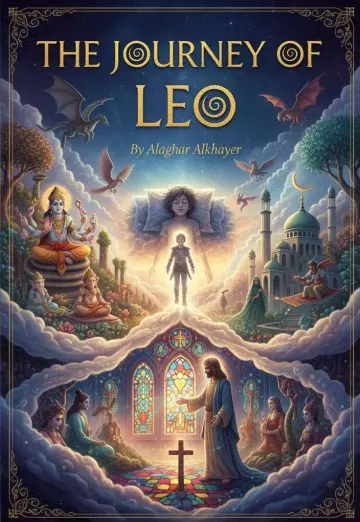
A fiction cover can signal tone, while the manuscript must earn transformation through character choice and consequence.
The visual is only the promise. The structure, examples and reader outcome described in this guide are what make the finished book useful after someone opens it.
Choose the right angle
The format should follow how the reader will use the book. These are distinct editorial structures, not title variations applied to the same outline.
01
Create cohesion through theme, place, character or a deliberate linking device.
02
Use a compact cast and escalation to deliver a complete promise efficiently.
03
Let voice and thematic pattern grow from traceable character movement.
04
Build external progression from choices, obstacles and changing stakes.
05
Research the period and clearly separate invention from historical claim.
06
Define the changed rule and follow its personal and social consequences consistently.
Inside the finished project
The record protects continuity while leaving the prose open to creative change.
Step-by-step workflow
These stages describe the real product flow — creators, outline editor, chapter editing, cover tools and the Export Center — plus the author judgment each stage still requires.
One continuous arc belongs in Automateed’s novel creator. A themed collection belongs in the story anthology creator, which builds complete short stories around one theme in mystery, sci-fi, fantasy, romance, horror, slice of life, thriller or mixed genres.
Premise, protagonist desire, opposition, world constraints and the ending go into the brief. Generated fiction is only as causal as the contract you hand it.
Work the generated outline until every scene alters options, knowledge or stakes — and cut the ones that merely happen. This is the cheapest structural editing you will ever do.
Draft chapter by chapter or story by story, keeping a continuity record of names, chronology and planted details beside the project, and audit each new section against it in the editor.
Replace stock imagery and generic emotion with details owned by this story, then move outward: DOCX while structure is fluid, EPUB once stable, a print package or public Automateed page when it is truly finished.
Prompt templates
Replace the bracketed fields with real constraints, examples and source material. A longer prompt is not automatically better; specific production rules are.
Use when: You have a premise but not a plot
Outline a [genre] story about [premise]. For every scene specify viewpoint, desire, obstacle, decision, consequence, new information and the exact changed situation that creates the next scene. Reject scenes that only explain background or repeat the same conflict.
Use when: The prose feels interchangeable
Identify stock description, generic emotional labels, dialogue without subtext, scenes without changed stakes, repeated conflict, convenient coincidence and details not tied to character or theme. Recommend story-specific replacements based on the supplied bible.
Use the guided Automateed flow to turn the brief into an outline and inspect a free preview before continuing.
Create a free previewAI story generator
An AI story generator in the casual sense produces a scene on demand and forgets it. A production line holds the whole object: premise, approved outline, sequential chapters, continuity, covers and export formats in one project. The first is a toy for exploring ideas; the second is how a finished, sellable book happens.
Automateed is built as the second thing — outline before prose, chapter-level drafting and editing, then DOCX, EPUB, print or a public sales page from the same project. Use throwaway scene generation for brainstorming; use the project for the book.
short story anthology
Anthologies are a craft-friendly on-ramp: each story must land one decisive change, and the collection needs a spine — a theme, place or question every piece answers differently. Automateed’s anthology creator generates complete stories against that shared theme in mystery, sci-fi, fantasy, romance, horror, slice of life or thriller.
Edit the collection as a sequence, not a pile: open with the most accessible story, vary tone and length through the middle, close with the one that reframes the theme. Cut the weakest piece even if it costs page count — anthologies are judged by their worst story.
world building
World building only matters when it constrains events on the page. Before generating, write the rules that cannot drift — how the magic costs, who holds power, what technology exists — and put them in every chapter brief. Rules the model never sees are rules it will happily break.
Keep a living world record beside the project and audit new chapters against it: place names, distances, laws, timelines. In revision, prefer consequences over lore dumps — a rule demonstrated through a character’s bad afternoon beats three paragraphs of encyclopedia.
Publishing formats
Use DOCX while scene order, voice and continuity are still changing.
Use EPUB after the manuscript is stable and navigation has been tested.
Use only when fixed layout or selected visuals genuinely support the reading experience.
Who this serves
Develop one decisive change inside a compact form.
Deliver recognizable expectations through an original premise.
Use AI for alternatives without outsourcing voice and judgment.
Turn a world or concept into a narrative while maintaining a canonical story record.
Fiction Book FAQ
Still weighing it up? Start a free preview and judge the outline on your own topic.
Create a free previewRelated tools and guides
Evidence from Automateed
Novel-length output routinely spans dozens of sections. The meaningful quality signal is whether scene consequences, character knowledge and the ending remain connected.
Projects identified as novels in the production snapshot.
Published books whose authors selected the broad Fiction category.
Real public examples
These are live public author pages, not sample titles invented for this guide. They show presentation and positioning; inclusion does not certify every claim inside a book.

Romance fiction
A public fiction example with a visible genre signal and a complete storefront destination readers can inspect.
View public bookInspirational fiction
A public story-led title using transformation and faith as narrative themes rather than unsupported outcome claims.
View public bookData note: Counts come from an aggregate Automateed production snapshot. Public-category counts use the category selected by the publisher and are descriptive, not a market forecast. Snapshot: July 16, 2026.
Quality gate
Run these checks against the actual manuscript, files and reader journey before publishing.
Scenes alter the situation
Character motives remain consistent
World rules do not drift
The ending pays off the opening promise
Continue the exact workflow
Editorial note
This page is a practical workflow, not a promise of sales, ranking, publishing approval or a specific reader outcome. Platform rules and professional requirements should be checked at the point of use.
Our broader publishing report is based on an anonymized analysis of more than 77,000 Automateed book projects across 216 countries.
Read the independent press releaseExplore next
Turn one focused idea into an outlined, illustrated and professionally formatted ebook you can edit, export, publish or sell.
Open guideShape expertise, research or lived experience into a coherent argument with evidence, examples and a serious editorial process.
Open guideCreate a focused cookbook with consistent recipe fields, original food visuals, practical organization and files built for real kitchen use.
Open guideUse your own topic
Review the outline, visual direction and available chapters before deciding whether to continue the full project.