01
Full-life biography
Cover major phases while maintaining one interpretive through-line.
Book format playbook
Organize a source-backed life into chronology, context and narrative without allowing AI to invent the missing parts.
Reviewed by Stefan Mitrović, Founder of Automateed · Updated July 16, 2026
Direct answer first
Write a biography with AI by building the chronology and source ledger first, then letting Automateed organize approved material into chapters — never asking it to fill gaps. Outline the narrative phases in the outline editor, generate drafts constrained to your records, and verify every name, date and quotation in the chapter editor. You can also import an existing DOCX or PDF manuscript, then add photographs, design the cover and export a documented PDF or EPUB.
Built for
Historians and researchers
Core output
Documented PDF
Quality focus
Every material claim has a source
The real job
The biographer chooses scope, emphasis and interpretation, but material facts should remain traceable to records, interviews or clearly labeled recollection. Gaps are part of the historical record and should not be smoothed over by plausible invention.
AI is useful for chronology, thematic grouping and alternative chapter structures. It must be constrained to approved material and instructed to flag missing support rather than complete it.
See the format, not a placeholder
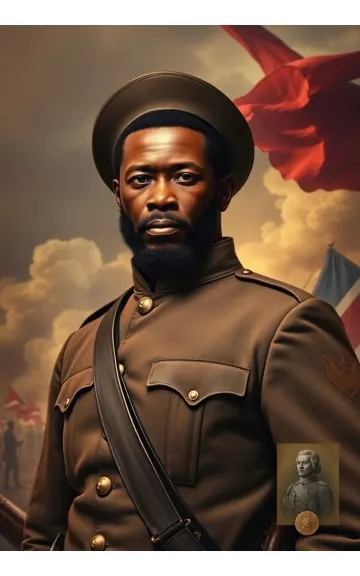
A named subject and bounded period turn a biography into a research task that readers can inspect and authors can verify.
The visual is only the promise. The structure, examples and reader outcome described in this guide are what make the finished book useful after someone opens it.
Choose the right angle
The format should follow how the reader will use the book. These are distinct editorial structures, not title variations applied to the same outline.
01
Cover major phases while maintaining one interpretive through-line.
02
Focus deeply on a bounded era, role or transformation.
03
Connect career decisions to industry and historical context.
04
Preserve oral accounts while labeling memory, inference and documentation.
05
Compare several lives through a shared question without flattening individual differences.
06
Use the subject’s voice as important evidence while independently checking material claims.
Inside the finished project
A readable book can remain transparent about how each important detail is known.
Step-by-step workflow
These stages describe the real product flow — creators, outline editor, chapter editing, cover tools and the Export Center — plus the author judgment each stage still requires.
The timeline, source ledger, interview permissions and photographs are research work no generator replaces. Decide the period, the central question and what counts as admissible evidence.
Brief the ebook flow with the approved chronology — or, if a draft already exists, import the DOCX or PDF into the Book Editor and restructure it there instead of starting over.
In the outline editor, group chapters around change: the apprenticeship, the war years, the reinvention. Rename and reorder until each chapter answers part of the book’s central question.
Instruct drafts to mark gaps rather than invent scenes, then check every name, date, quotation and attributed motive against the ledger in the chapter editor. Treatment of living people gets a separate pass.
Add photographs where rights allow, generate or upload a period-appropriate cover, and export: a notes-friendly PDF or paperback KDP package for family and archive editions, EPUB for a trade-style release, or a private file for limited distribution.
Prompt templates
Replace the bracketed fields with real constraints, examples and source material. A longer prompt is not automatically better; specific production rules are.
Use when: You have a chronology and source set
Using only the supplied chronology and source ledger, design a biography about [subject] focused on [period/question]. For each chapter list the events, sources, context, unresolved questions and narrative purpose. Do not create dialogue, motive or private detail not present in the evidence.
Use when: You have a draft to verify
Extract every checkable name, date, quotation, location, relationship, achievement and attributed motive from this chapter. Match each to the source ledger, mark unsupported or disputed claims and identify passages that turn inference into fact.
Use the guided Automateed flow to turn the brief into an outline and inspect a free preview before continuing.
Create a free previewmemoir vs biography
The choice changes every production decision. A biography obligates you to sources: the outline follows the record, gaps stay visible, and claims trace to documents or named interviews. A memoir obligates you to honesty about memory: scenes can breathe, but the book must not present recollection as verified fact.
In practice the decision shapes the Automateed brief. Biography briefs feed the chronology and forbid invention; memoir briefs feed remembered scenes and voice. Hybrids work only when labeled — a memoir with a documented appendix, or a biography with clearly marked personal interludes.
family history book
Family histories die as spreadsheets and live as stories. Instead of marching through birth records, organize the outline around turning points — the migration, the shop that failed, the letter that survived — and attach documents and photographs where they carry the scene.
Production-wise this is the friendliest biography format: import whatever drafts exist, keep private details in a family-only edition, and print short paperback runs through the KDP package while publishing a digital copy relatives can open immediately from a public page.
life story interviews
Interviews are the richest and most mishandled biographical source. Transcribe them fully, then extract three separate layers: checkable facts to verify against records, scenes and sensory detail to power the narrative, and voice — phrases worth quoting exactly, with permission.
Feed the verified layer into the outline and keep quotations sacrosanct: AI may summarize testimony but never manufacture it. A short methods note at the back — who was interviewed, when, and how material was checked — raises the finished book’s credibility.
Publishing formats
Useful for footnotes, photographs, timelines and a controlled visual presentation.
Suitable for a primarily textual reader edition after citations and navigation are tested.
May include photographs, documents and private distribution choices that require explicit permissions.
Who this serves
Organize documented lives for a general audience.
Preserve a life while distinguishing memory from record.
Document a professional story with context and verifiable claims.
Develop a bounded subject using a disciplined source workflow.
Biography FAQ
Still weighing it up? Start a free preview and judge the outline on your own topic.
Create a free previewRelated tools and guides
Evidence from Automateed
A named subject and bounded period create a checkable research task. The platform can organize the manuscript, but the author must preserve the source trail.
Published books whose authors selected Biography as the public category.
Reader-facing ebook pages in the wider publisher catalog.
Real public examples
These are live public author pages, not sample titles invented for this guide. They show presentation and positioning; inclusion does not certify every claim inside a book.
Historical biography
A public biographical title built around a named historical subject, period and defensible narrative scope.
View public bookData note: Counts come from an aggregate Automateed production snapshot. Public-category counts use the category selected by the publisher and are descriptive, not a market forecast. Snapshot: July 16, 2026.
Quality gate
Run these checks against the actual manuscript, files and reader journey before publishing.
Every material claim has a source
Quotes are traceable
Living people are treated carefully
Unknown details stay unknown
Continue the exact workflow
Editorial note
This page is a practical workflow, not a promise of sales, ranking, publishing approval or a specific reader outcome. Platform rules and professional requirements should be checked at the point of use.
Our broader publishing report is based on an anonymized analysis of more than 77,000 Automateed book projects across 216 countries.
Read the independent press releaseExplore next
Turn one focused idea into an outlined, illustrated and professionally formatted ebook you can edit, export, publish or sell.
Open guideShape expertise, research or lived experience into a coherent argument with evidence, examples and a serious editorial process.
Open guideCreate a focused cookbook with consistent recipe fields, original food visuals, practical organization and files built for real kitchen use.
Open guideUse your own topic
Review the outline, visual direction and available chapters before deciding whether to continue the full project.